

























The Great Green Shift: How Native Plants Evolved from ‘Weeds’ to Climate Essentials

Across the American Midwest, a quiet revolution is taking root in backyards, parkways, and municipal greenhouses. What were once dismissed by homeowners and landscapers as unsightly "weeds"—the wild, unruly flora of the tallgrass prairie—have become the most sought-after commodities in the horticultural world. This shift is not merely a change in aesthetic preference; it is a fundamental reimagining of the American garden as a front line in the battle against climate change and biodiversity loss.
Main Facts: A Record-Breaking Season for Native Flora
The scale of this transformation was on full display earlier this month at Chicago’s Kilbourn Park. Renee Costanzo, the Chicago Park District’s sole full-time employee at the North Side greenhouse, spent months preparing for the park’s annual plant sale. Under the creaking glass of a historic greenhouse, she and a dedicated team of volunteers nurtured more than 15,000 seedlings, ranging from traditional garden staples like zinnias and tomatoes to a burgeoning inventory of native species.
The results were unprecedented. While the sale typically attracts around 1,100 gardening enthusiasts, this year’s event saw a record-breaking 2,300 shoppers. Lines snaked around the park as residents waited for hours to purchase plants at $4 a piece. The Chicago Park District confirmed that the sale generated approximately $48,000—nearly double the fundraising goal.
The most telling statistic, however, lies in the inventory itself. Nearly 20% of the plants sold this year were native species—plants that have evolved over millennia to thrive in the specific soil and climate conditions of the Great Lakes region. This reflects a massive surge in demand that has caught even veteran horticulturists by surprise. "Just in the last five years, people have asked for more natives, which is why we’ve been increasing our production," Costanzo noted, highlighting a trend that is being mirrored across the country.
Chronology: From Marginalized Weeds to Mainstream Staples
To understand the magnitude of this shift, one must look back several decades. For much of the 20th century, the American ideal of a garden was defined by the "English Lawn"—short-cropped grass, neatly manicured hedges, and non-native ornamentals like tulips and boxwoods. Native plants, such as milkweed, coneflowers, and bluestem, were often legally classified as "noxious weeds" by municipal ordinances.
Neil Diboll, president of Prairie Nursery in Wisconsin, has occupied a front-row seat for this evolution. When he began selling native plants in 1982, the industry was virtually non-existent. "I’ve watched this for 44 years, from almost zero to now," Diboll said. In his first year of business, the company grossed just over $13,000. Today, the figures are unrecognizable.
The timeline of this "long, steady climb" can be broken down into three distinct eras:
- The Niche Era (1980s–2000s): Native plants were the domain of dedicated conservationists and restoration ecologists. Public interest was low, and availability was limited to specialized mail-order catalogs.
- The Awareness Era (2010s): Scientific reports on the "insect apocalypse" and the dramatic decline of the Monarch butterfly began to reach the mainstream. Organizations like Wild Ones began to grow, moving native gardening from a hobby to a cause.
- The Mainstream Explosion (2020–Present): The COVID-19 pandemic saw a surge in home gardening, coinciding with an increased frequency of extreme weather events. Homeowners began looking for "resilient" landscapes that could survive drought and flooding without heavy chemical intervention.
Supporting Data: The Economic and Ecological Boom
The data supporting this trend is staggering. Prairie Moon Nursery in Minnesota, a major supplier for the Midwest, reported a 350% increase in sales over the last seven years. Their order volume has tripled in that same period, reflecting a shift from small-scale gardening to large-scale residential "rewilding" projects.
Similarly, Neil Diboll’s Prairie Nursery is shipping out approximately 500,000 plants and millions of seeds this year. While the nursery saw a 7% increase in sales last year alone, the long-term growth is the real story. "You can add a few zeros" to those early 1980s revenue figures, Diboll noted.
The growth is also fueled by non-profit advocacy. Wild Ones, a national non-profit that started as a small gardening club in Milwaukee, now boasts over 14,000 members across the United States. In the last year, the organization’s 107 local chapters facilitated the sale of over 110,000 native plants, with an additional 40,000 distributed through various community programs.
The ecological data provides the "why" behind these numbers:
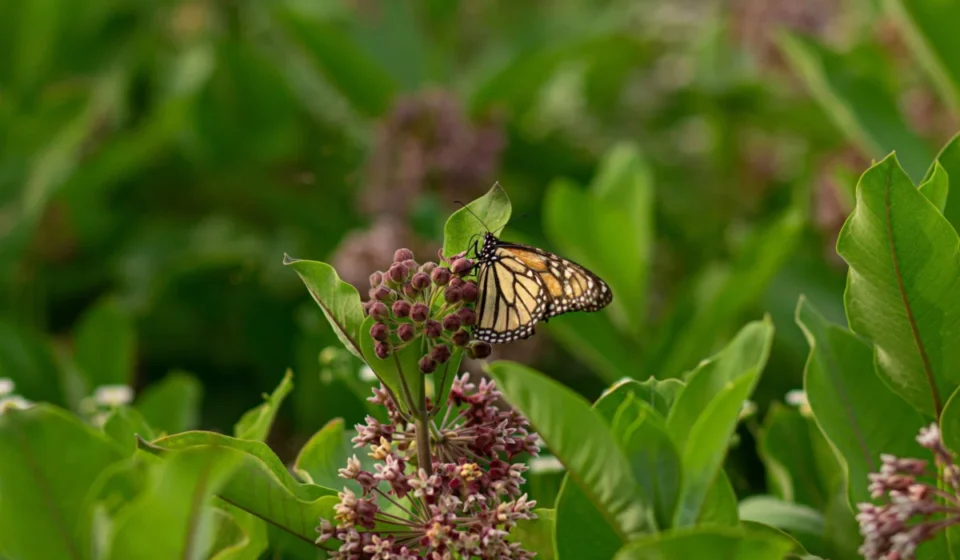
- Pollinator Support: Native plants like Milkweed are the only food source for Monarch butterfly caterpillars. The loss of these plants due to agricultural expansion and lawn maintenance has led to a precipitous decline in Monarch populations.
- Deep Root Systems: Unlike traditional turf grass, which has roots only a few inches deep, native prairie plants like Big Bluestem can have roots extending 10 to 15 feet underground. This creates biological "sponges" that prevent soil erosion and significantly reduce urban flooding during heavy rain events.
- Resource Efficiency: Because they are adapted to the local climate, native plants require significantly less supplemental watering and zero synthetic fertilizers or pesticides once established, offering a high return on investment for homeowners.
Official Responses: Insights from the Field
Experts argue that this movement is a pragmatic response to a changing planet. Tiffany Jones, who leads habitat education for the National Wildlife Federation (NWF) in the Great Lakes region, emphasizes that native plants are the bedrock of climate resilience.
"Native plants have been adapting to change for thousands of years," Jones said. "They’re incredibly resilient—not to mention they help flood prevention with their deep root systems and provide habitat for all kinds of crucial species and pollinators. They’re practical and beautiful."
The Chicago Park District’s involvement via the Kilbourn Park Greenhouse also signals a shift in municipal priorities. By supporting plant sales that prioritize natives, cities are effectively outsourcing ecological restoration to their citizens. Every native garden planted in a Chicago backyard acts as a "stepping stone" corridor for migratory birds and insects.
Josh Nelson, development director with Wild Ones, views the current surge as a sign of a more permanent cultural shift. He notes that the organization’s mission has evolved from simple education to active distribution, as people are no longer just asking why they should plant natives, but where they can buy them.
Implications: The Future of the American Landscape
The implications of the native plant boom extend far beyond the garden fence. This movement represents a significant shift in urban planning, water management, and the multi-billion-dollar landscaping industry.
1. Urban Resilience and Infrastructure
As cities like Chicago grapple with "100-year floods" occurring with increasing frequency, native plants are being viewed as "green infrastructure." By replacing impermeable turf with deep-rooted native gardens, municipalities can alleviate pressure on aging sewer systems. The success of the Kilbourn Park sale suggests that the public is ready to embrace these functional landscapes.
2. The Economic Pivot of the Nursery Industry
Traditional "big box" garden centers are beginning to feel the pressure. As consumers move away from thirstier, high-maintenance ornamentals, the commercial supply chain is being forced to adapt. However, the production of native plants is more complex than mass-producing marigolds; it requires specialized knowledge of seed stratification and local genotypes, creating a new market for specialized local growers.
3. Community Engagement and Education
The Kilbourn Park sale demonstrated the power of community-led conservation. The "Friends of Kilbourn Park Greenhouse," a volunteer group, used the proceeds from previous sales to fund a new outdoor learning center. This cycle of fundraising and education ensures that the next generation of gardeners views native plants not as weeds, but as vital components of a healthy ecosystem.
4. Reversing the "Bio-Homogenization"
For decades, American suburbs looked identical regardless of whether they were in Illinois, Georgia, or Arizona. The native plant movement is reintroducing "regionalism" to the landscape. By planting what belongs, homeowners are restoring the unique biological identity of their regions, creating a sense of place that was lost during the era of the manicured lawn.
Lourdes Valenzuela, a retired schoolteacher and long-time Kilbourn volunteer, summarized the sentiment of the thousands who turned out for the sale: "We’re not fighting against the climate here. We’re working with it because it’s what’s native to this area, and they’re beautiful."
As the "long, steady climb" of the native plant industry continues, the record-breaking turnout in Chicago serves as a bellwether. The American garden is no longer just a place for leisure; it is becoming a vital, living tool for environmental survival. What was once dismissed as a weed is now the seed of a more resilient future.