



















































Standing roughly four feet tall with wingspans that slice through the horizon, the Sandhill crane is a relic of a bygone era. With their slate-gray plumage, bustling bustles of feathers, and a striking crown of crimson skin, they possess an unmistakable silhouette. Yet, it is their voice—a prehistoric, guttural trill capable of resonating for miles—that truly announces their arrival.
Each autumn, as the golden hills of California’s Central Valley cool under the transition of seasons, the skies above Lodi transform. Thousands of Sandhill cranes descend upon the wetlands, creating one of the most spectacular wildlife migrations in North America. For those lucky enough to witness it, the experience is not merely birdwatching; it is an immersion into a natural rhythm that has pulsed through the valley for millennia.
Main Facts: The Anatomy of a Migration
The Sandhill crane (Antigone canadensis) is a marvel of avian engineering. Their oversized windpipes act as natural amplifiers, allowing them to communicate across vast distances—a necessary trait for birds that thrive in open, expansive marshlands.
Beyond their call, they are perhaps most famous for their elaborate mating rituals. Observers are often treated to the "crane dance," a captivating performance of synchronized bowing, wing-flapping, and rhythmic leaping. These displays, which occur throughout the wintering period, serve as both a social bonding mechanism and a display of vitality.
In the Lodi region, these birds begin arriving in late September, peaking in numbers during the depths of winter. By the time the frost settles, the broader Sacramento area can host upwards of 27,000 cranes at a single time, according to data from the U.S. Geological Survey (USGS). They rely on the mosaic of flooded agricultural fields and protected wetlands, which serve as crucial "pit stops" for rest and foraging.
Chronology: A Season of Wings
The arrival of the cranes dictates a specific calendar for wildlife enthusiasts in Northern California.
- Late September: The first "scout" birds begin to appear, signaling the start of the wintering season.
- October: The California Department of Fish and Wildlife (CDFW) commences its guided public tours at the Woodbridge Ecological Reserve. These tours offer a rare, regulated glimpse into the North Site and the protected viewing shelters.
- Early September (The Planning Phase): The annual Sandhill Crane Festival begins its administrative rollout. Prospective visitors should mark their calendars for September 8, 2026, when tickets for specialized excursions officially go on sale.
- November through February: This is the prime viewing window. During the festival weekend—a highlight of the calendar—the town of Lodi pivots toward a dual identity: a bustling wine country hub and a sanctuary for ornithology.
- February/March: The cranes begin their northward migration, returning to their nesting grounds in the Pacific Northwest, Alaska, and even Siberia.
Supporting Data and Ecological Context
The importance of the Lodi area cannot be overstated. The Woodbridge Ecological Reserve and the Staten Island reserve serve as vital hubs for the Central Valley population of cranes. The USGS emphasizes that these wetlands are not just "scenic"; they are life-support systems.
The "Crane Fly-In" phenomenon, occurring at dusk, is a masterclass in avian behavior. As the sun dips below the horizon, cranes arrive in groups ranging from a few hundred to several thousand, their calls creating a deafening, awe-inspiring cacophony. These fly-ins are the primary focus of festival tours, which provide access to the Mokelumne River levee—an area typically restricted to the public to minimize human disturbance.
According to ecological studies, the synergy between local agriculture and conservation is key to the cranes’ success. By flooding fields post-harvest, farmers provide essential foraging grounds that mirror natural wetland conditions, allowing the birds to build the energy reserves necessary for their long-distance flights.
Official Perspectives: The Festival as a Conservation Tool
The Sandhill Crane Festival is far more than a tourist attraction; it functions as a wildlife conference and an art fair, bridging the gap between scientific research and public appreciation.
Organizers design the event to be an educational powerhouse. Biologist talks break down the complex migratory patterns of the species, while art and photography shows underscore the aesthetic value of these creatures. The exhibit hall, typically packed with conservation groups and vendors, serves as a marketplace for ideas, where the latest in habitat restoration and avian advocacy is discussed.
"The festival allows us to pull back the curtain on a landscape that is often overlooked," says one local naturalist. "When people see these birds up close—when they participate in a bird-drawing class or a wood-carving clinic—they stop seeing the wetlands as empty space and start seeing them as a living, breathing asset that we are responsible for protecting."
Implications for Future Tourism
The festival’s success has turned Lodi into a model for "responsible birding." However, the popularity of the event necessitates a proactive approach to planning. Because excursions, such as the early morning photo tours—which capture the ethereal beauty of birds rising through the valley fog—and the wildlife cruises on Lodi Lake, sell out quickly, organizers urge visitors to book well in advance.
The implication for the visitor is clear: the most intimate experiences require preparation. While the South Site of the Woodbridge Ecological Reserve remains open to independent visitors, those who want the full, guided experience must rely on the festival’s structured schedule.
A Weekend Beyond the Birds
Lodi, however, offers a robust itinerary that extends beyond the wetlands. The region is home to over 85 wineries, with a specific reputation for producing world-class Zinfandel. For travelers who prefer a terrestrial pace, the downtown area is highly walkable, featuring a curated selection of tasting rooms, farm-to-table restaurants, and independent boutiques.
If the goal is a "wine-and-wildlife" weekend, Lodi delivers. One can spend a crisp morning watching thousands of cranes take flight at the Woodbridge reserve, followed by an afternoon of viticulture education in the vineyards, and conclude the day with a kayak trip down the Mokelumne River.
Practical Logistics
For those planning to make the trek, Lodi is strategically positioned. It sits approximately 40 miles south of Sacramento and 90 miles east of the San Francisco Bay Area.
- By Air: The Sacramento International Airport is a convenient 45-minute drive from the heart of the city.
- By Rail: Amtrak’s "Gold Runner" line offers a scenic route, dropping passengers directly into downtown Lodi.
- On the Ground: While the downtown core is pedestrian-friendly, having a personal vehicle is highly recommended for those wishing to explore the outlying wildlife refuges and vineyards.
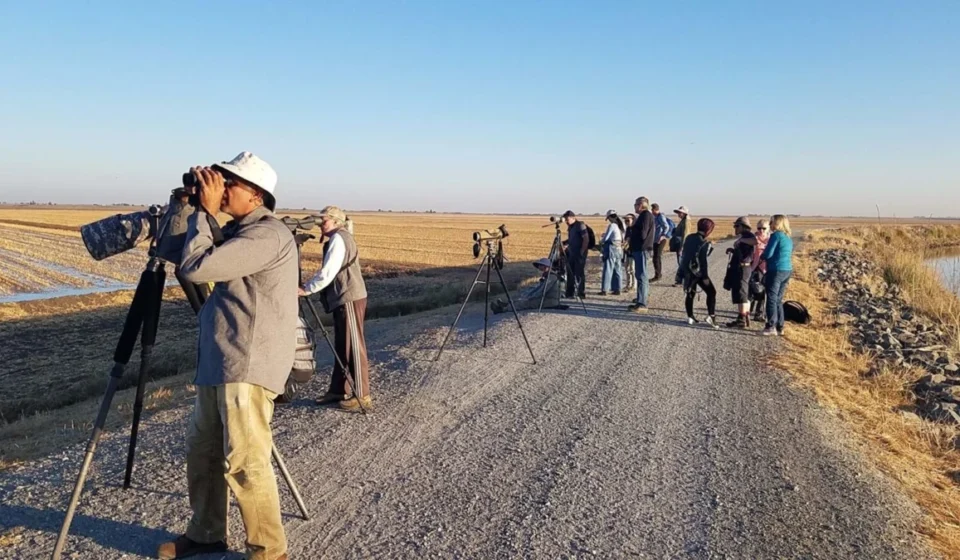
Pro-Tip: Regardless of how you arrive, ensure your gear is ready. High-quality binoculars are non-negotiable for observing the intricate details of the cranes’ behavior, especially from the distances required to keep the birds comfortable.
As climate change and land development continue to put pressure on migratory paths, the Lodi Sandhill Crane Festival remains a vital touchstone for conservation. It proves that when a community unites behind the protection of a species, it creates a sustainable, educational, and deeply moving experience that enriches both the visitor and the ecosystem. Whether you are a dedicated "birder" or a weekend traveler seeking a unique Northern California experience, the call of the cranes is one that, once heard, is never forgotten.