













































As climate change evolves from an abstract global phenomenon into a tangible force altering local landscapes, American high schools are increasingly looking for ways to prepare students for a rapidly shifting world. A burgeoning movement—the "Seal of Climate Literacy"—is gaining traction across the United States, transforming the traditional diploma into a marker of both scientific knowledge and community-based civic engagement.
The initiative, which pairs rigorous climate-focused coursework with hands-on, community-centered capstone projects, aims to bridge the gap between academic theory and real-world application. As states like Colorado, Maine, and California adopt these programs, a new generation of students is moving beyond the "doom and gloom" narrative, opting instead to become active participants in the climate solution.
The Genesis of a Movement: From Data to Dirt
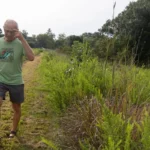
The concept was born not in a state capitol, but in the classrooms and gardens of Colorado. Anthony Muñoz, a student at Vista Academy near Denver’s international airport, found himself questioning the environmental impact of the jet fuel overhead. An avid gardener, Muñoz transformed his curiosity into a tangible research project. Partnering with the National Center for Atmospheric Research (NCAR), he established an "ozone garden"—a living laboratory filled with native plants specifically chosen for their ability to signal air quality degradation.
"One garden is a very good data source," Muñoz reflects. "Colorado is so beautiful, and I would hate to see it wilt away." His project, which required meticulous data collection and leaf analysis, served as a blueprint for what the state would eventually formalize as a "Seal of Climate Literacy."
The seal functions as a transcript endorsement, signaling to colleges and employers that a student has mastered core climate science and applied that knowledge to solve a local problem. Since 2024, when Colorado lawmakers formally authorized the initiative, 26 of the state’s 179 school districts have implemented the program, with approximately 1,200 students earning the credential to date.
Chronology of Adoption: A Growing National Trend
The momentum behind the climate seal is shifting from local pilot programs to state-level mandates:
- 2024: Colorado becomes the pioneer, passing legislation to formalize the Seal of Climate Literacy. The model, spearheaded by the Denver-based nonprofit Lyra Colorado, focuses on accessibility, allowing students in rural and urban districts alike to explore climate issues relevant to their specific geographies.
- Early 2025: Maine education officials adopt the seal directly into their state framework, bypassing lengthy legislative debates. By leveraging the existing infrastructure of the state’s "Seal of Biliteracy," Maine quickly scales the program, witnessing 57 seniors earn the credential during its initial spring pilot.
- Late 2025: California joins the fold, with the Governor signing legislation to establish a state-wide climate literacy seal.
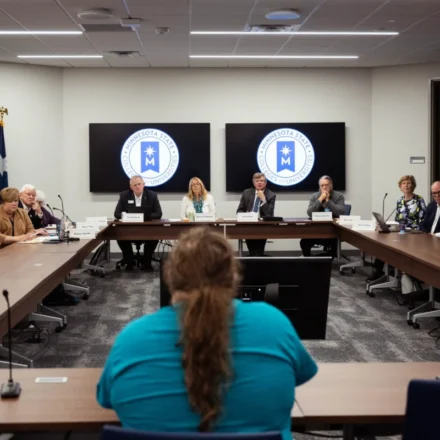
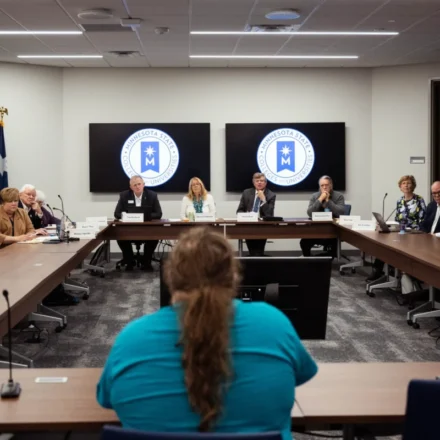
- Ongoing: Youth coalitions in states like Hawaii and Minnesota continue to lobby for similar policies, with the Minnesota Youth Council formally recommending the adoption of a seal during the current legislative session.
The Framework: What Does "Climate Literate" Mean?
To earn the seal, students must navigate a structured, two-pronged academic pathway. First, they must complete at least two advanced courses that cover the foundational principles of climate change—its causes, environmental impacts, and potential mitigation strategies. One of these must be a science-based course, such as environmental studies, biology, or earth science, while the second can be interdisciplinary, often integrated into civics, humanities, or fine arts curricula.
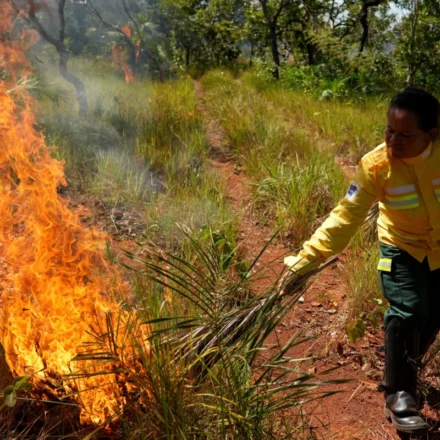
The second, and perhaps more vital component, is the capstone project. Unlike a standard research paper, this project requires students to engage directly with their local community. Current student initiatives across the country range from restoring beaver dams and managing forest health to developing sustainable fishing practices and addressing urban heat islands.
By grounding the curriculum in local concerns—such as Maine’s focus on the rapidly warming Gulf of Maine and its impact on aquaculture—the program aims to reduce climate anxiety. "No more global doom and gloom," says Teddy Lyman, K-12 climate education specialist in Maine. "Students can feel empowered to make a difference in their community."
Official Responses and the Ideological Divide
The rise of the climate literacy seal has not been without controversy. Proponents, such as Laura Schifter of the Aspen Institute’s This is Planet Ed, argue that the seal is a "promising policy" that fills a critical void in K-12 education. She contends that because climate change touches every aspect of human life—from infrastructure to the economy—it is a necessary lens for modern education.
However, critics, particularly from conservative think tanks, view the initiative with skepticism. Lance Izumi, senior director of education studies at the Pacific Research Institute, argues that the seal is a distraction from fundamental academic performance. "Diverting focus away from foundational science learning could worsen California’s already abysmal performance levels," Izumi stated. He advocates for a return to core metrics, suggesting that community-based projects often veer into "activism" rather than objective scientific inquiry.
Furthermore, the initiative faces significant fiscal hurdles. In many districts, the burden of funding falls on teachers and students. In Colorado, the state provided less than $20,000 for the initial rollout, forcing students like Muñoz to secure private grants to fund their equipment and research.
Implications: The Workforce and Political Horizon
The long-term goal of the climate seal is to integrate students into a "green workforce." As the global economy pivots toward sustainability, proponents believe these students will be uniquely positioned to fill roles in solar grid maintenance, sustainable agriculture, and climate-resilient engineering. Lyra Colorado is currently working with higher education institutions to create a "credit-for-seal" pipeline, where students arriving at college with the seal might receive partial credit or advanced standing in environmental science programs.
Despite the clear vision of its proponents, the program operates under a shadow of political uncertainty. The current federal administration’s skepticism toward climate science, combined with threats to the tax-exempt status of environmental nonprofits, has created a "chilling effect" on funding. The potential dismantling of federal climate research agencies, such as the NCAR, also threatens the very data sources these students rely upon.
Yet, for students like Rylan Neumann, a graduate of the Boulder Valley School District who now studies environmental economics at UC Berkeley, the work is non-negotiable. Upon arriving at college, Neumann immediately joined an advocacy group and traveled to the state capitol to lobby for climate legislation. "Getting more students involved in climate action and how they’ll be impacted in the future is essential," she says. "Students are the future. We’re the ones growing up in this world."
Conclusion: Empowerment in the Face of Uncertainty
The climate literacy seal represents a fundamental shift in how the next generation perceives their role in the ecological crisis. By moving the conversation from the abstract, global level down to the local, manageable level, educators are fostering a sense of agency.
Anthony Muñoz, now a mechanical engineering student at the Colorado School of Mines, continues to mentor younger students in the garden he built at his old high school. He is currently coding software to help the school maintain its climate data, ensuring that the legacy of his project survives regardless of federal policy shifts. When asked about his motivation, his message is clear: "Are you going to think beyond yourself and help not only those in need but the environment, or will you sit back and wait for someone else to change the world for you?"
As the seal continues to expand, its success will likely depend on its ability to transcend political polarization and prove its worth as both an academic credential and a catalyst for tangible, community-level innovation. For the thousands of students currently enrolled in these programs, the answer is already clear: they are no longer waiting for the world to change; they are building the tools to change it themselves.