


























































Editorial Disclosure: We hope you love the spaces and stays we recommend! Just so you know, Matador may collect a small commission from the links on this page if you decide to book a stay. Listed prices are accurate as of the time of publication.
As the summer crowds dissipate and the first crisp bite of frost touches the high-altitude peaks, Montana undergoes a breathtaking metamorphosis. Known as the "Big Sky Country," the state transforms into a landscape of fiery reds, brilliant oranges, and the signature, glowing gold of the western larch. Autumn in Montana is not merely a season; it is a sensory experience that invites travelers to slow down and witness one of the most spectacular natural displays in the American West.
Main Facts: Timing the Great Migration of Color
The window for experiencing Montana’s fall foliage is notoriously fleeting, making precision in planning essential. Generally, the peak foliage occurs from early September through mid-October. However, the timing is dictated by elevation, latitude, and local weather patterns.
In higher elevations and the northern regions near the Canadian border, the change begins as early as mid-September. As the season progresses, the colors cascade southward and into the lower valleys. Because foliage patterns fluctuate annually based on moisture levels and temperatures, travelers are encouraged to consult this year’s official fall foliage forecast map to ensure their itinerary aligns with the peak color shift.
Chronology of the Season: A Regional Journey
Montana’s geography is vast, and the progression of autumn moves with a rhythmic, predictable flow across its diverse landscapes.
Northwest Montana: The Gateway to the Larch
Northwest Montana is perhaps the most iconic region for leaf-peepers. The shoulder season here is ideal for road trips, as traffic on the Going-to-the-Sun Road and surrounding highways thins significantly.
A primary route for those seeking the quintessential Montana experience is the North Fork Road. Bordered by the jagged peaks of Glacier National Park on one side and the dense timber of the Flathead National Forest on the other, the drive provides a masterclass in autumn aesthetics. A mandatory stop is the North Shore of Flathead Lake, where the shoreline is set ablaze with autumn hues and provides a critical vantage point for bird migration.
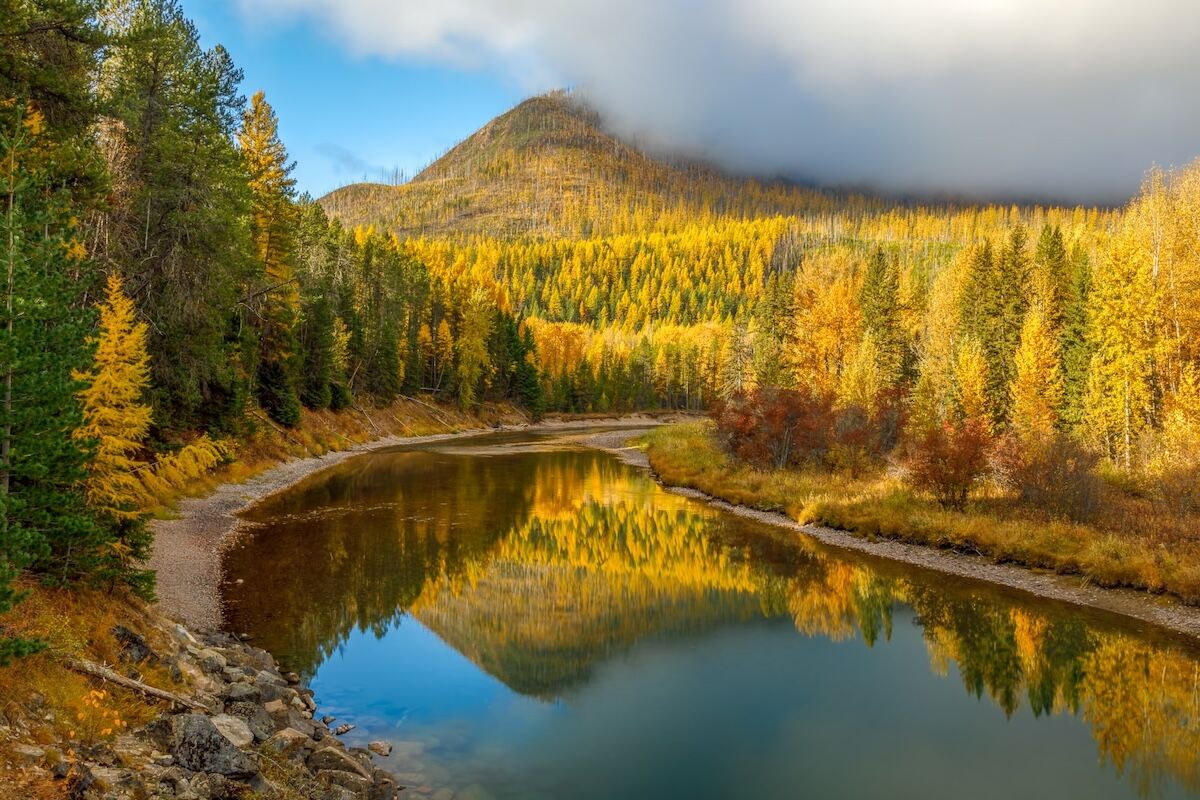
For those seeking water-based reflection, Seeley Lake, nestled in the Lolo National Forest, offers a serene backdrop. Whether you are traversing the Seeley Lake Loop Trail or paddling across the glassy surface, the surrounding forest provides a golden canopy. Further north, the Hungry Horse-Glacier View Ranger District serves as a monument to forest recovery and beauty. Following the 2003 fires, thousands of larch trees were planted; today, these trees turn a spectacular, neon gold each October. Both West Side Road (Forest Road 895) and East Side Road (Forest Road 38) provide access to these shimmering groves, alongside excellent camping and boating opportunities.
Eastern Montana: The Underrated Frontier
While the western Rockies often steal the spotlight, Eastern Montana offers a unique, rugged beauty. The Seven Sisters Wildlife Management Area, situated between Sidney and Glendive along the Yellowstone River, features dense stands of cottonwoods that illuminate the riverbanks in deep, saturated yellows.
For a true "Hi-Line" adventure, follow the stretch of US Highway 2. Starting in the Glasgow area, travelers can loop through Tampico, Malta, Chinook, and Havre. This region offers a different perspective on autumn—one defined by the expansive, open prairie skies framing the changing deciduous foliage along the river corridors.
Southwest Montana: Alpine Gold
Southwest Montana is defined by its dramatic mountain ranges and high-altitude valleys. The Pioneer Mountains Scenic Byway is an essential passage, winding through towering peaks and massive aspen groves. At the height of the season, the road feels like a tunnel of gold. For those looking to capture the perfect photograph, the reflections in the pristine waters of Cliff, Wade, and Georgetown lakes offer unparalleled symmetry and color.
For hikers, the Goat Flats Trail in the Anaconda-Pintler Wilderness is the gold standard. This seven-to-eight-mile roundtrip journey takes adventurers through meadows and mountain slopes where the shift from green to gold is absolute. The summit rewards hikers with panoramic views of the Pintler range draped in autumn light.
Central Montana: The River and the Front
The Missouri River Corridor, stretching from Holter Dam to Fort Peck, serves as a central artery for fall color. The massive cottonwoods here create a dramatic contrast against the blue water. Meanwhile, the Rocky Mountain Front acts as a natural wall where the plains collide with the mountains, providing a dramatic backdrop for the golden aspens that line the area’s many creeks.
Supporting Data: Why Montana’s Foliage is Unique
Montana’s fall display is distinct due to the presence of the Western Larch (Larix occidentalis). Unlike most conifers, which remain green year-round, the larch is a deciduous conifer. As the season turns, its needles turn a brilliant, glowing gold before falling to the forest floor. This unique biological trait creates a phenomenon where the mountainsides appear to be glowing from within, a sight that cannot be replicated in forests dominated by hardwoods like maples or oaks.
Official Responses and Sustainability Efforts
The Montana Department of Fish, Wildlife, and Parks (FWP) emphasizes the importance of "Leave No Trace" principles during the autumn months. As wildlife—particularly grizzly bears—begin their period of hyperphagia (intense eating to prepare for hibernation), officials urge visitors to be "Bear Aware." All food, trash, and scented items must be secured in bear-resistant containers, and visitors should carry bear spray when hiking in the backcountry.
Furthermore, the state’s tourism board advocates for "Slow Travel." By staying longer in one region rather than rushing across the state, visitors reduce their carbon footprint and contribute more directly to local, rural economies that rely on the shoulder season to sustain businesses through the winter months.
Implications: A Seasonal Economic Shift
The rise in "leaf-peeping" tourism has had significant implications for Montana’s economy. Traditionally, the state’s tourism was heavily weighted toward the summer months, with a massive spike during the winter ski season. The promotion of autumn as a standalone travel destination has helped level out this seasonality, allowing small businesses, lodges, and tour operators to remain profitable for a longer duration.
This shift has also necessitated a change in infrastructure. Many regional parks and forest services have extended the operation of certain facilities to accommodate the growing number of visitors seeking the fall colors. However, this growth also brings the challenge of preserving the fragile ecosystems that draw the visitors in the first place.
Where to Stay: Curated Autumn Retreats
To fully immerse yourself in the season, choosing the right accommodation is vital. Here are top-tier recommendations for your Montana autumn getaway:
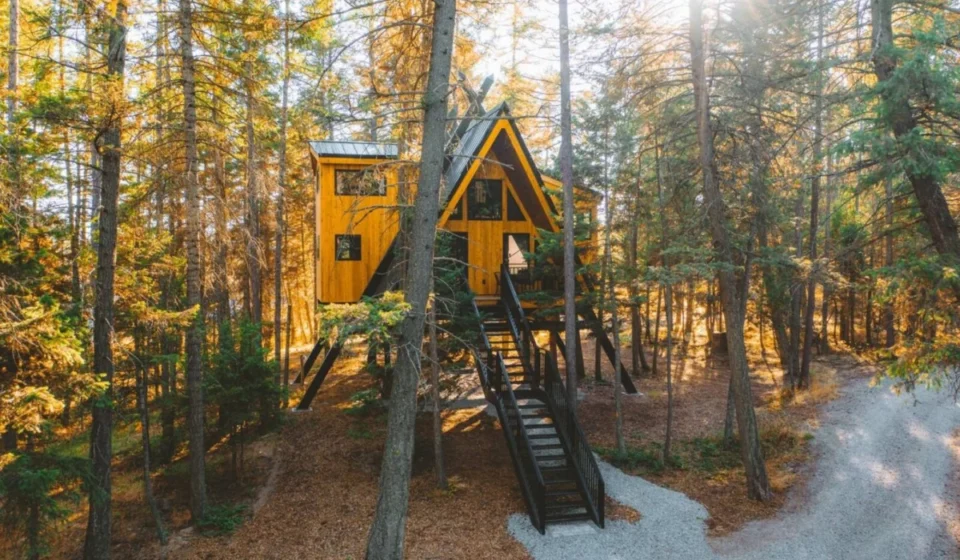
- Raven’s Nest Treehouse (Columbia Falls): A luxury, two-story treehouse on five wooded acres. It is perfectly positioned for easy access to both Glacier National Park and the golden larch forests of Whitefish Mountain. Price: ~$607/night. Book Now
- Farm Stay in Hamilton: Located in the Bitterroot Valley on a permaculture farm, this four-bedroom home offers a front-row seat to the harvest season. Expect farmers’ markets and local autumn celebrations. Price: ~$508/night. Book Now
- Erik’s Ranch Guesthouse: Situated on a 230-acre working ranch near Yellowstone, this nonprofit-run property offers a deep, meaningful connection to the land. Guests can participate in horsemanship and guided outdoor activities. Price: ~$433/night. Book Now
- Secluded A-Frame (Jefferson City): A modern, boutique retreat between Helena and the major parks. Featuring a hot tub and firepits, it is the ultimate destination for post-hike relaxation. Price: ~$514/night. Book Now
Browse more Montana Airbnbs here.
Originally published September 20, 2024, and updated August 6, 2026.