




















































The Endless Time Debate: As Americans Prepare to ‘Fall Back,’ Sunshine Protection Act Remains Stalled in Congress

Main Facts: The November 2026 Clock Change and Legislative Standoff
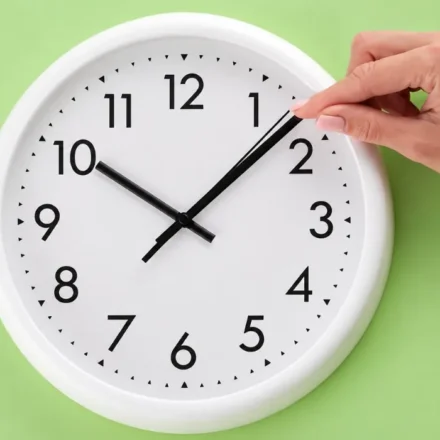
On Sunday, November 1, 2026, at 2:00 a.m. local time, millions of Americans will set their clocks back one hour to 1:00 a.m., marking the official conclusion of Daylight Saving Time (DST) for the year. This annual transition returns the nation to Standard Time, granting an extra hour of sleep overnight while shifting sunlight earlier in the morning and bringing darkness an hour sooner in the late afternoon.
The return to standard time occurs despite significant legislative momentum in Washington. On July 14, 2026, the U.S. House of Representatives passed the Sunshine Protection Act (H.R. 139) by a vote of 308 to 117. The bipartisan bill seeks to make Daylight Saving Time permanent across the United States, eliminating the practice of changing clocks twice a year.
However, because the measure has not passed the U.S. Senate or received the President’s signature, federal law remains unchanged. As a result, the national ritual of adjusting clocks continues.
For residents across most of the United States, the immediate result will be noticeably shorter afternoon daylight. In northern cities such as Minneapolis, Minnesota, sunset on November 1 will occur at approximately 5:01 p.m. Standard Time. By mid-November, daylight in the region will recede further, bringing sunset to 4:44 p.m. as the winter solstice approaches.
       CHRONOLOGY OF FEDERAL DAYLIGHT SAVING LEGISLATION

   Jan 2025           July 14, 2026        July 15, 2026        Nov 1, 2026
------|--------------------|--------------------|--------------------|------
   S. 29 Introduced     House Passes H.R. 139  Referred to Senate   Standard Time
   (Sen. Rick Scott)    (308-117 Vote)        Commerce Committee   Resumes (2 a.m.)
Legislative Chronology: The Path of the Sunshine Protection Act
The debate over national timekeeping has followed a complex path through the 119th Congress, characterized by strong interest in the House but procedural delays in the Senate.
                               ┌───────────────────────────────────┐
                               │     Uniform Time Act of 1966      │
                               └─────────────────┬─────────────────┘
                                                 │
                        ┌────────────────────────┴────────────────────────┐
                        ▼                                                 ▼
        ┌───────────────────────────────┐                 ┌───────────────────────────────┐
        │     Permanent Standard Time   │                 │  Permanent Daylight Saving    │
        │   (Permitted Under Current    │                 │  (Requires Federal Approval   │
        │       Federal Law)            │                 │       via Act of Congress)    │
        └───────────────┬───────────────┘                 └───────────────┬───────────────┘
                        │                                                 │
        ┌───────────────┴───────────────┐                 ┌───────────────┴───────────────┐
        │  Arizona*, Hawaii, US Territories │             │  19 States with Trigger Laws │
        │  (*Excluding Navajo Nation)   │                 │  (MN, FL, WA, OR, CO, etc.)   │
        └───────────────────────────────┘                 └───────────────────────────────┘
Key Milestones in the Current Legislative Session:
- January 2025: Senator Rick Scott (R-FL) reintroduces S. 29, the Senate version of the Sunshine Protection Act, attracting bipartisan co-sponsors. The bill is referred to the Senate Committee on Commerce, Science, and Transportation.
- July 14, 2026: The House of Representatives takes up H.R. 139, sponsored by Representative Vern Buchanan (R-FL). The House votes 308 to 117 to approve the bill, establishing the strongest vote to date for ending biannual time changes.
- July 15, 2026: H.R. 139 is formally received in the Senate and referred to the Committee on Commerce, Science, and Transportation, where it remains under review.
- November 1, 2026: Standard Time takes effect at 2:00 a.m. local time as dictated by existing federal statute.
- March 14, 2027: Unless federal law is modified before late winter, Daylight Saving Time is scheduled to resume on the second Sunday of March 2027.
Under the United States Constitution, a bill passed by one chamber cannot become law without approval from the other body and enactment by the President. Because the Senate has not called H.R. 139 to the floor for a final vote, the federal mandate for seasonal time adjustments remains fully in force.
Federal Authority vs. State Actions
The primary legal obstacle to permanent Daylight Saving Time rests in the Uniform Time Act of 1966. Managed by the U.S. Department of Transportation (DOT), the law was designed to create a consistent schedule for interstate commerce, transportation, and broadcasting.
Under the Uniform Time Act, states are granted specific choices:
- Participate in standard Daylight Saving Time, changing clocks in March and November.
- Exempt themselves completely, remaining on Permanent Standard Time year-round.
Currently, Hawaii, most of Arizona (excluding the Navajo Nation), and the overseas territories of Puerto Rico, Guam, American Samoa, the U.S. Virgin Islands, and the Northern Mariana Islands operate on permanent Standard Time.
       STATE-LEVEL READINESS FOR PERMANENT DAYLIGHT SAVING TIME

   States with Enacted Trigger Laws (19 States Total):
   ┌─────────────────────────────────────────────────────────────┐
   │ Alabama, California, Colorado, Delaware, Florida, Georgia,  │
   │ Idaho, Louisiana, Maine, Minnesota, Mississippi, Montana,   │
   │ Ohio, Oregon, South Carolina, Tennessee, Utah, Washington,   │
   │ Wyoming                                                     │
   └─────────────────────────────────────────────────────────────┘
   *Note: Implementation is contingent on changes to federal law.
Crucially, existing federal law does not allow states to adopt permanent Daylight Saving Time on their own. While 19 state legislatures—including Minnesota, Florida, California, Oregon, Washington, and Colorado—have passed state-level laws or resolutions to remain on Daylight Saving Time year-round, these laws are written as "trigger" legislation. They cannot take effect until Congress amends federal law to allow year-round DST.
Without action from Congress, states that prefer brighter winter evenings remain locked into the federal switch every autumn.
Supporting Data: Scientific Evidence and Health Impacts
While public surveys often show frustration with changing clocks, medical professionals and sleep researchers remain divided on which time system the country should adopt permanently.
            COMPARISON OF TIME SYSTEM ARCHITECTURES

  Feature                Permanent Daylight Saving   Permanent Standard Time
  -------------------------------------------------------------------------
  Evening Light          Extended in Winter          Darker Early
  Morning Light          Darker (Late Sunrise)       Brighter (Early Sunrise)
  Circadian Alignment    Lower                       Higher
  Medical Consensus      Opposed by AASM             Supported by AASM
  Economic Alignment     Favored by Retail/Rec       Favored by Health Sector
Sleep Science and Circadian Rhythms
The American Academy of Sleep Medicine (AASM) supports ending biannual clock changes, but advocates for Permanent Standard Time rather than permanent Daylight Saving Time.
According to position statements from the AASM and sleep researchers:
- Standard Time aligns more closely with the natural human circadian rhythm. Morning light helps set the body’s internal clock, suppressing melatonin production and promoting daytime alertness.
- Permanent Daylight Saving Time pushes morning light later in winter. In northern states, sunrise would not occur until after 8:30 a.m. or near 9:00 a.m. during December and January, leaving school children and morning commuters traveling in total darkness.
Data from the Centers for Disease Control and Prevention (CDC) highlights broader issues with rest. A CDC report released in April 2026 revealed that 30.5% of American adults averaged fewer than seven hours of sleep per day in 2024.
   CDC ADULT SLEEP DURATION DATA (US Adults, 2024 Survey)

   [██████████████████████████████] 69.5% Adequate Sleep (7+ hours/day)
   [██████████████] 30.5% Insufficient Sleep (<7 hours/day)
Sleep specialists caution that changing clocks disrupt circadian rhythms, exacerbating pre-existing sleep deficits.
Public Health and Transportation Risks
Transitioning between time systems presents distinct public safety challenges:
- Spring Shift ("Spring Forward"): The loss of one hour of sleep in March correlates with short-term increases in acute cardiovascular events, such as heart attacks, as well as a temporary spike in workplace injuries and motor vehicle crashes.
- Autumn Shift ("Fall Back"): Although the November shift grants an extra hour of rest, the sudden loss of late-afternoon daylight increases pedestrian hazards during peak commute hours. Transportation safety researchers note that evening darkness during the first weeks of November leads to higher risks for pedestrians and drivers adjusting to diminished visibility.
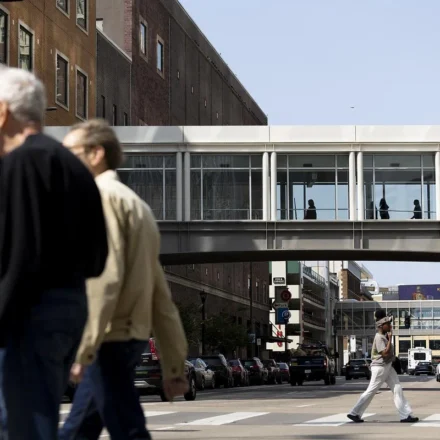
In states like Minnesota, where icy road conditions intersect with early darkness, transit agencies highlight how lighting conditions directly impact highway and freeway safety.
Official Responses and Political Debate
The debate over the Sunshine Protection Act reflects differing priorities across regions, industries, and medical disciplines.
         STAKEHOLDER POSITIONS ON PERMANENT TIME LEGISLATION

   PRO-DAYLIGHT SAVING TIME (H.R. 139)    PRO-STANDARD TIME (AASM / SLEEP)
   -----------------------------------    ----------------------------------
   • Retail & Convenience Stores          • Medical & Sleep Scientists
   • Golf & Outdoor Recreation            • Parent-Teacher Associations
   • Commercial & Tourism Sectors         • Morning Safety Advocates
   • Crime Reduction Advocates            • Chronobiologists
Arguments for Permanent Daylight Saving Time
Proponents of H.R. 139, led by lawmakers from sunbelt states like Florida and California, focus on economic and lifestyle benefits:
- Commercial Activity: Retailers, restaurants, and outdoor recreation industries generally report increased economic activity when daylight extends further into the evening.
- Public Safety and Energy: Supporters suggest that brighter evenings can help reduce afternoon street crime and encourage physical activity after work and school.
- Reducing Friction: Eliminating the biannual disruption helps businesses maintain consistent scheduling, particularly across cross-border trade networks.
Arguments for Permanent Standard Time
Opponents of year-round Daylight Saving Time—including health organizations, parent-teacher associations, and northern lawmakers—raise practical concerns about winter mornings:
- Student Safety: Dark morning commutes present safety risks for children waiting at bus stops or walking to school in early morning traffic.
- Biological Alignment: Health advocates stress that morning sunlight is essential for human health, metabolic function, and mental well-being, warning against year-round DST.
Historical Precedent: The 1974 Year-Round Daylight Saving Experiment
The debate over year-round Daylight Saving Time is informed by past experience. The United States previously attempted permanent DST during the national energy crisis of the 1970s.
       PUBLIC APPROVAL TRAJECTORY: 1973-1974 PERMANENT DST EXPERIMENT

  100% ┼───────────────────────────────────────────────────────────
       │  79% Approval
   80% ┼───(Dec 1973)
       │
   60% ┼───────
       │
   40% ┼────────────────────> 42% Approval (Feb 1974)
       │
   20% ┼──────────────────────────────────────────────────────────
       └────────────┴──────────────────────────────────────────────
         Dec 1973                                   Feb 1974
The Emergency Energy Conservation Act of 1973
In December 1973, President Richard Nixon signed legislation establishing nationwide, year-round Daylight Saving Time starting in January 1974. The goal was to reduce winter electrical consumption by shifting energy use away from evening hours.
Public Backlash and Repeal
While the move was initially popular—drawing 79% public approval in December 1973—public support eroded rapidly once the reality of dark winter mornings set in.
- By February 1974, approval dropped to 42%.
- Parents expressed deep concern over children traveling to school in predawn darkness.
- Several winter traffic fatalities involving young pedestrians intensified opposition to the law.
Responding to public outcry, Congress amended the law in October 1974, restoring Standard Time for the winter months and ending the year-round experiment.
Policy Implications and Future Outlook
As the nation resets its clocks on November 1, 2026, the legislative path forward remains uncertain.
                     FUTURE SCENARIOS FOR U.S. TIMEKEEPING

                       ┌─────────────────────────────┐
                       │   Current Federal Status    │
                       │   Biannual Clock Adjustments│
                       └──────────────┬──────────────┘
                                      │
            ┌─────────────────────────┼─────────────────────────┐
            ▼                         ▼                         ▼
  ┌──────────────────┐      ┌──────────────────┐      ┌──────────────────┐
  │ Scenario A:      │      │ Scenario B:      │      │ Scenario C:      │
  │ Status Quo       │      │ Senate Passes    │      │ Compromise Policy│
  │ Senate takes no  │      │ H.R. 139         │      │ Permanent        │
  │ action; seasonal │      │ Permanent DST    │      │ Standard Time    │
  │ shifts continue  │      │ enacted nationwide│     │ enacted nationwide│
  └──────────────────┘      └──────────────────┘      └──────────────────┘
Expected Timeline and Key Dates
- Sunday, November 1, 2026: Clocks fall back 1 hour to Standard Time at 2:00 a.m. local time.
- Winter 2026–2027: The Senate Commerce Committee may review H.R. 139, though no floor vote has been scheduled.
- Sunday, March 14, 2027: Unless new legislation is enacted into law, Americans will set their clocks forward one hour, resuming Daylight Saving Time.
Summary
The House of Representatives’ passage of H.R. 139 represents a significant legislative step toward ending biannual clock changes. However, until the U.S. Senate acts and federal law is formally updated, the national time framework remains unchanged.
On November 1, 2026, Americans will once again turn their clocks back, stepping into earlier winter sunsets while the debate over national timekeeping continues in Washington.
Comparative Summary of Federal Time Options
| Policy Option | Sunrise Timing (Winter) | Sunset Timing (Winter) | Primary Supporters | Primary Objections |
|---|---|---|---|---|
| Current System (Biannual Switch) | Balanced seasonally | Earlier in winter | Status quo advocates, transportation planners | Biannual disruption, health and safety risks |
| Permanent Daylight Saving Time (H.R. 139) | Later (e.g., past 8:30 a.m. in north) | Later (extra hour of evening light) | Retail, recreation, southern states | Dark winter mornings, sleep disruption |
| Permanent Standard Time | Earlier (aligns with natural light) | Earlier (dark afternoons) | AASM, medical experts, northern states | Early winter darkness, reduced evening activity |