
























































The traditional European summer pilgrimage—characterized by the crowded boulevards of Paris, the packed ruins of Rome, and the sun-drenched, exorbitantly priced beaches of the French Riviera—is undergoing a profound transformation. As the travel industry closes the books on 2026, data from the European Travel Commission (ETC) reveals a striking shift in behavior. The era of the "big name" destination dominance is fading, replaced by a strategic pivot toward value, authenticity, and, crucially, affordability.
While iconic capitals remain steady, the most significant growth in tourism is now concentrated in smaller, historically overlooked nations. Travelers are abandoning the saturated "bucket list" hubs in favor of the frontiers of Central and Eastern Europe. This shift is not merely a matter of preference; it is a calculated response to the volatile economic climate currently gripping both sides of the Atlantic.
The Economic Catalyst: Inflation and the Cost of Wanderlust
To understand why travelers are flocking to Montenegro or Slovakia, one must look at the macro-economic pressures defining 2026. Inflation across Europe remains stubbornly above three percent, with the United States experiencing similar, if not more pronounced, fiscal tightening.
Perhaps the most significant deterrent for the traditional long-haul traveler is the cost of connectivity. Airfare prices to Europe saw a staggering 33 percent increase in the fall of 2026 compared to the same period in 2025. This 33 percent premium acts as a formidable gatekeeper, forcing vacationers to scrutinize their remaining budget. When a flight costs a third more than expected, the "cheap corner" of the continent ceases to be an obscure alternative and becomes a logistical necessity.
This financial reality has effectively decoupled the Mediterranean from its status as the primary destination for growth. Instead, the narrative of European tourism has migrated east, where the purchasing power of the dollar and the euro stretches significantly further.
Chronology of a Shifting Landscape
The travel trends of 2026 did not manifest overnight; they represent the culmination of a three-year trajectory following the post-pandemic travel surge.
- Early 2025: Travelers began expressing "over-tourism fatigue," particularly in cities like Venice, Barcelona, and Amsterdam, where local authorities introduced stricter regulations to combat mass tourism.
- Spring 2026: A pivotal moment occurred with the expansion of budget airline networks. The decision by Wizz Air to establish a new base at Podgorica Airport in Montenegro signaled a broader industry trend of prioritizing secondary markets to alleviate pressure on primary hubs.
- Summer 2026: Data confirmed a record-breaking influx of visitors to Malta, Ireland, and Slovakia, effectively marking the "budget-first" trend as the dominant behavior of the season.
- Late 2026/Early 2027: Current projections from the ETC indicate that the growth trajectory for Central and Eastern Europe is expected to climb by an additional 10 percent in 2027, signaling a permanent realignment of the continent’s tourist footprint.
The Winners: A Closer Look at the Growth Engines
Malta: The Short-Haul Powerhouse
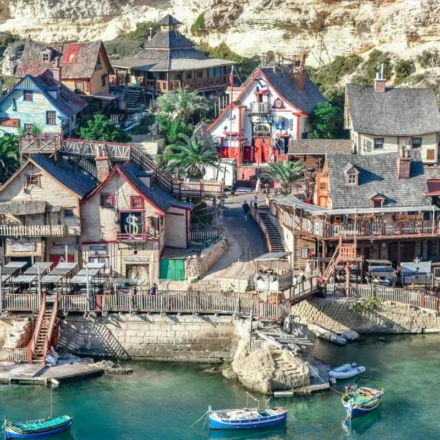
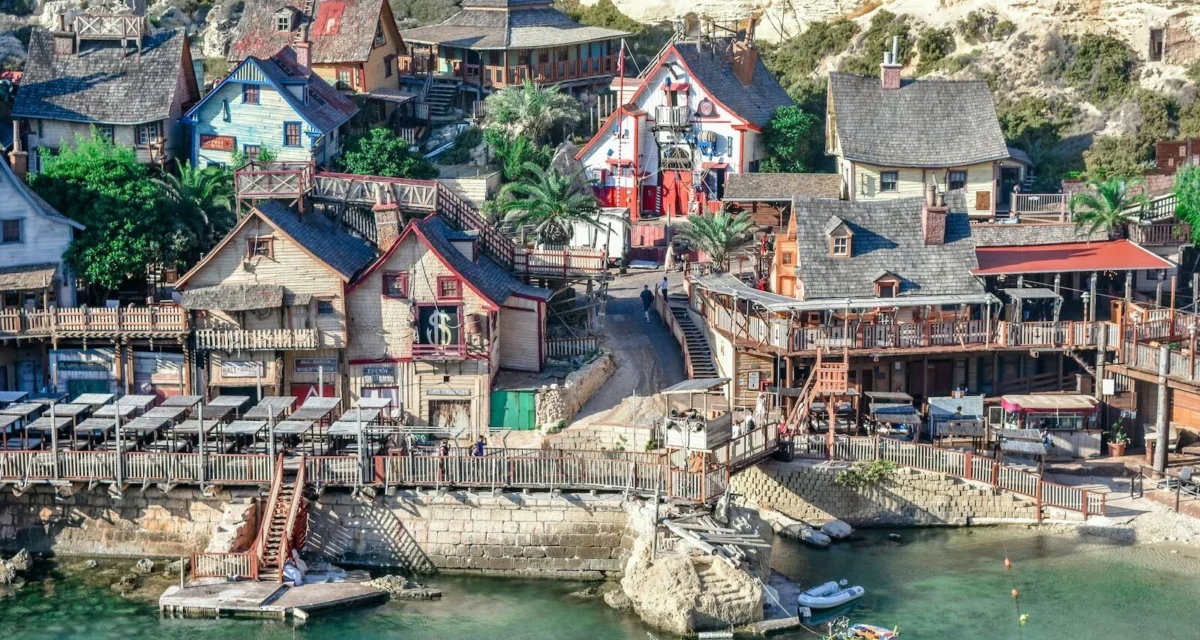
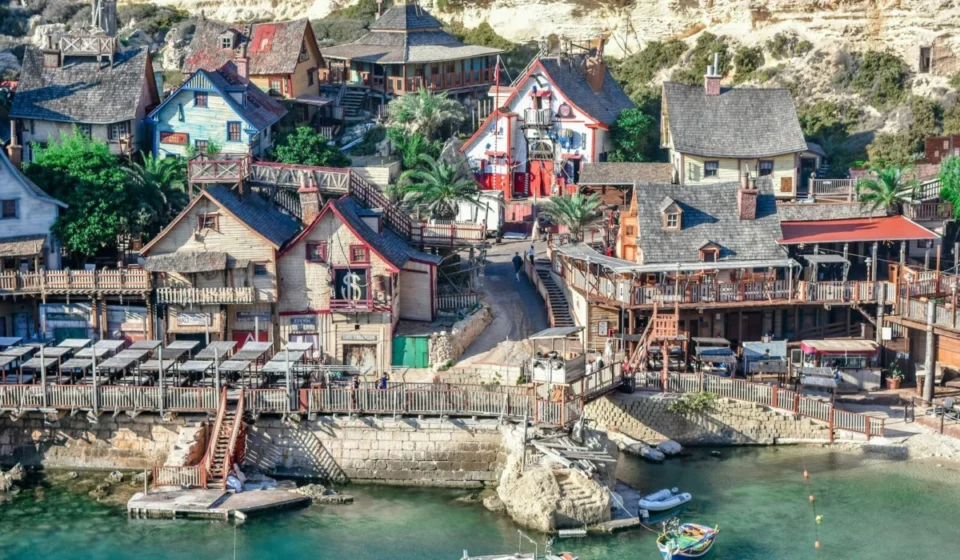
Malta recorded the most aggressive growth in arrival volume, surging 18.1 percent. However, this growth is nuanced. The increase was fueled largely by low-cost carriers facilitating quick, short-haul hops from neighboring European markets. Because these visitors are primarily on long-weekend excursions, the growth in overnight stays was a more modest 10.1 percent. For the savvy traveler, Malta remains an ideal off-season destination, offering a temperate Mediterranean climate well into the autumn, bypassing the sweltering heat and inflated prices of July and August.
Ireland: The Road-Trip Renaissance
While Ireland saw a 12.7 percent increase in arrivals, the true story lies in its 17.6 percent growth in overnight stays—the highest of any European nation. This discrepancy indicates that visitors are no longer using Dublin as a mere gateway; they are venturing deep into the rural landscape. The "Wild Atlantic Way," a 1,600-mile coastal route, has become the primary draw. By decentralizing their trips, visitors are finding that the rugged beauty of the west coast is not only more peaceful but significantly more affordable than the high-end hotel market of Dublin.
Montenegro: The Adriatic Alternative
Montenegro’s 9.6 percent increase in arrivals serves as a case study in infrastructure development. By increasing flight volume by 30 percent, the nation successfully captured the market share of travelers priced out of Croatia. Montenegro offers the same aesthetic—walled medieval towns, turquoise waters, and dramatic limestone mountains—but at a price point that remains accessible. It is the textbook example of a "value-substitute" destination.
Slovakia: Nature’s Bargain
Slovakia emerged as the rising star of Central Europe, with arrivals up 14.8 percent and overnight stays up 15.4 percent. The country has successfully positioned itself as a "lite" version of the Alps. The High Tatras provide world-class granite peaks for hikers and skiers, while the proliferation of thermal spa towns, such as Piešťany, offers luxury wellness experiences at a fraction of the cost of their Western European counterparts. Its proximity to Vienna via rail makes it an accessible, high-value add-on for travelers already touring Central Europe.
Official Perspectives and Market Implications
The European Travel Commission, in its recent summary, highlighted that the surge in interest toward these regions is not a temporary statistical anomaly. "We are witnessing a structural change in where and how people travel," noted a representative from the commission. The data indicates that 21 of 28 monitored countries saw an uptick in American visitors, but the most dramatic percentage gains were concentrated in countries like Romania (24.7 percent), Slovenia (24.1 percent), and Poland (20.5 percent).
The implications for the industry are twofold:
- For the Traveler: The window of opportunity for these "undiscovered" gems is closing. As popularity grows, so too will infrastructure demand and price floors. History dictates that as tourism demand rises, local businesses modernize, and the "budget" status of a region typically dissipates within three to five years.
- For the Destination: Nations currently experiencing this boom must navigate the "Croatia-Portugal Trap." When a country experiences rapid, sustained growth, the initial influx of capital is often followed by a housing crisis, the displacement of local residents, and the eventual inflation of prices that initially made the country attractive.
The Outlook for 2027: A Call to Action
If your social media feed has been dominated by the red-tiled roofs of Kotor or the bustling market squares of Kraków, understand that this is the new normal. The 2026 data confirms that the American traveler, in particular, is becoming increasingly adept at finding value in the periphery.
As we look toward 2027, the recommendation from travel analysts is clear: if you have been holding off on visiting the emerging regions of Central and Eastern Europe, the time to act is now. The combination of, as of yet, uncrowded trails, reasonable luxury, and authentic cultural experiences makes these countries the most compelling value proposition in the modern travel market. However, with an expected 10 percent increase in tourism in these areas next year, the "affordable and uncrowded" label will likely be a thing of the past by the end of the decade. The shift is not just a trend; it is a permanent redirection of the global tourist flow.