
























Navigating Volatility: Chris Finch on the Timberwolves’ Evolution, Coaching Transitions, and the "Joan Beringer" Era

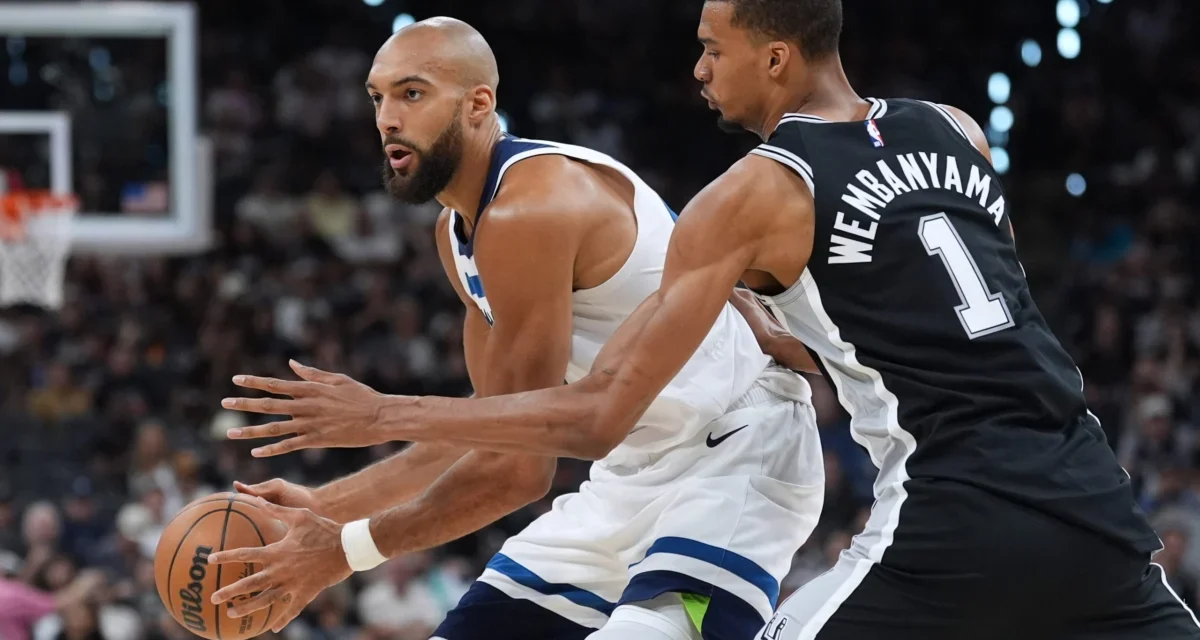
As the Minnesota Timberwolves stand on the precipice of a new NBA season, the air surrounding the organization is thick with the unique, high-stakes blend of ambition and uncertainty that has come to define the tenure of head coach Chris Finch. In the final installment of an extensive, 80-minute deep dive conducted by MinnPost, Coach Finch pulled back the curtain on the structural, tactical, and philosophical adjustments required to steer the Timberwolves back toward championship contention.
Following a 2025-26 campaign that left many in the organization—and the fanbase—grappling with the hollow feeling of underachievement, the message from the top is clear: the team is embracing a new era of intentional evolution.
The Raw Potential of Joan Beringer
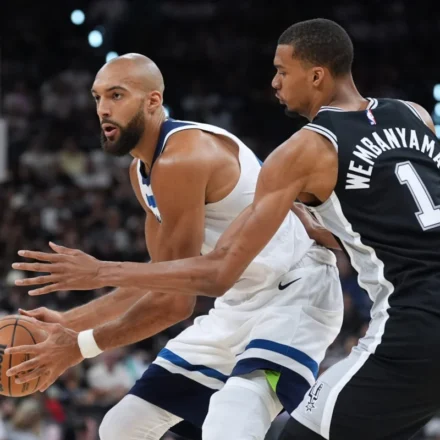
At the heart of the team’s immediate future is 19-year-old center Joan Beringer. Despite his tender age and relative inexperience, the organization views him as a "hinge" player for the upcoming season.
"You have to realize, as with all young players, there is going to be inconsistency," Finch noted, balancing his excitement with a pragmatic assessment of Beringer’s development curve. "He plays so hard, he’s got incredible balance and energy. He’s got to figure out the balance of retaining the effort while regulating the urge to go after everything all the time."
Finch highlighted the physical toll Beringer’s high-motor style takes on his body. By focusing on core strength, the coaching staff hopes to improve the young big man’s ability to remain upright, minimizing the reckless fouls and "out-of-position" plays that hampered him during his limited minutes last season. The goal for the staff is a predictable rotation: ideally, a one-to-one ratio of good games to "meh" performances, with an eye toward shifting that balance toward sustained productivity.

Coaching Staff Reconfiguration: Life After Micah Nori
The departure of lead assistant Micah Nori to the Portland Trail Blazers as head coach has forced a massive internal audit of the Timberwolves’ coaching architecture. Nori, long considered Finch’s right-hand man and primary confidant, leaves behind a vacuum in special-situations management—a role that spanned everything from clock management to defensive adjustments.
Finch is not seeking a direct replacement for Nori’s singular personality. Instead, he is opting for a granular redistribution of labor. Pablo Prigioni is stepping into the role of lead assistant, though Finch noted that Prigioni’s primary focus will remain on the offensive engine.
"I’m looking at it the same way I look at when we lose players," Finch explained. "It is hard to replace a player straight-up. Coaching staff is no different. It creates opportunities for some other people who are deserving of it."
Finch will reclaim some late-game decision-making responsibilities, while veterans like Elston Turner and Kevin Hansen are expected to take more active roles in defensive adjustments and scouting management. It is a fluid, adaptive process that mirrors the very philosophy Finch uses to manage his roster.
The Shadow of a Disappointing Season
The conversation inevitably turned to the 2025-26 season, a year characterized by the "continuity" narrative—a narrative that, according to both the interviewer and the coach, failed to materialize into the success the team expected.

Finch was candid about the "super-frustrating" nature of that campaign. He admitted that the team often struggled with mood-based performance dips and a lack of joy. Perhaps most tellingly, he took personal responsibility for the tactical shifts that failed to pay off, including the rotation changes involving Mike Conley and the immense pressure placed on Julius Randle.
"We just couldn’t get out of our own way," Finch admitted. "We relied on [Randle] to try and create for everybody. That’s not fair, and that’s all on me."
This admission highlights the primary shift for the upcoming season: a move away from reliance on singular creators and toward a more "purposeful" use of personnel, specifically in maximizing the strategic versatility of Anthony Edwards.
Tactical Identity: Playing Faster, Passing More
When asked to define the hallmark of his coaching philosophy, Finch returned to the fundamental tenets that have always guided his teams: ball pressure, off-ball movement, and high-tempo play. However, he emphasized a need for a return to the basics of team basketball.
"We didn’t pass enough last year; at times I thought we even became reluctant passers," Finch said. "I want to continue to play faster, offensively, for sure. We have got to get passing back into our game."

The team’s identity, he noted, will likely be defined by "freedom within a structure." While that structure may change to accommodate new talent, the core, defensive-minded culture remains the bedrock of his strategy.
The "Cliff’s Edge" and the Volatility of the West
Perhaps the most striking admission from the interview was Finch’s acknowledgment of the team’s current risk profile. When asked if the Timberwolves’ ceiling is higher while their floor is lower, Finch offered a quiet, affirmative "Yeah."
"There might be more volatility on our team," he said. "We don’t know how the new players are going to integrate… everything keeps getting harder and harder in the West."
This volatility is not merely a byproduct of roster turnover; it is a calculated risk. Finch’s career, which includes extensive experience coaching overseas, has prepared him for an environment where roster upheaval is the norm rather than the exception. He views this volatility as a "learned skill"—an ability to adapt to external factors that are often outside of a coach’s control.
Implications for the Season Ahead
As the Timberwolves enter training camp, the narrative is no longer about the "continuity" that proved so elusive last season. Instead, the team is embracing a philosophy of constant, calculated redesign.

The success of the 2026-27 Timberwolves will likely hinge on three key factors:
- The Integration of Youth: How quickly can Joan Beringer and other developing pieces adapt to the physical and mental rigors of a full NBA schedule?
- Coaching Cohesion: Can the redistributed coaching staff successfully fill the void left by Micah Nori without sacrificing the high-level decision-making that defined their past success?
- The "Joy" Factor: Can the team find a sustainable internal culture that resists the mood swings and "boredom" that plagued them throughout the previous year?
Finch’s refusal to shy away from the hard questions—or to sugarcoat the challenges ahead—serves as a reminder that for the Timberwolves, the path to a championship is not a straight line. It is a process of constant iteration, where the "DNA of a team" is discovered through trial, error, and the relentless pursuit of improvement.
"Sometimes the biggest disappointments might be when you have that expectation of continuity," Finch concluded. For the Timberwolves, the lesson of the past year has been learned. They are no longer waiting for the pieces to fit; they are actively shaping them.
As the league braces for another grueling Western Conference gauntlet, Minnesota is betting that this newfound comfort with volatility will be the very thing that helps them finally clear the final hurdle. The season, as Finch aptly put it, "never gets boring."