



















































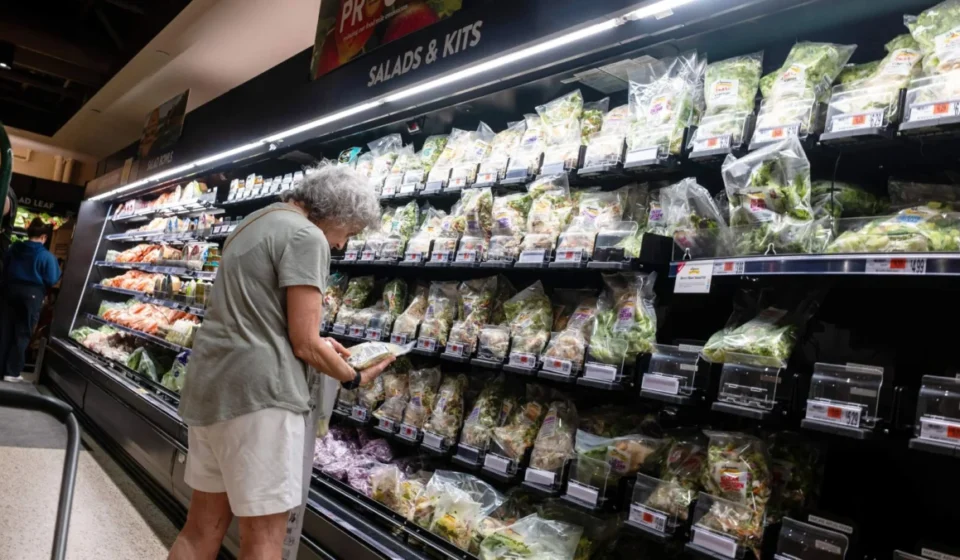

The dinner table, once a sanctuary from the volatility of national politics, has become the latest battleground in the run-up to the midterm elections. What was supposed to be a standard campaign season has been disrupted by a series of high-profile foodborne illness outbreaks and sweeping recalls, transforming the contents of the American refrigerator into a potent political issue.
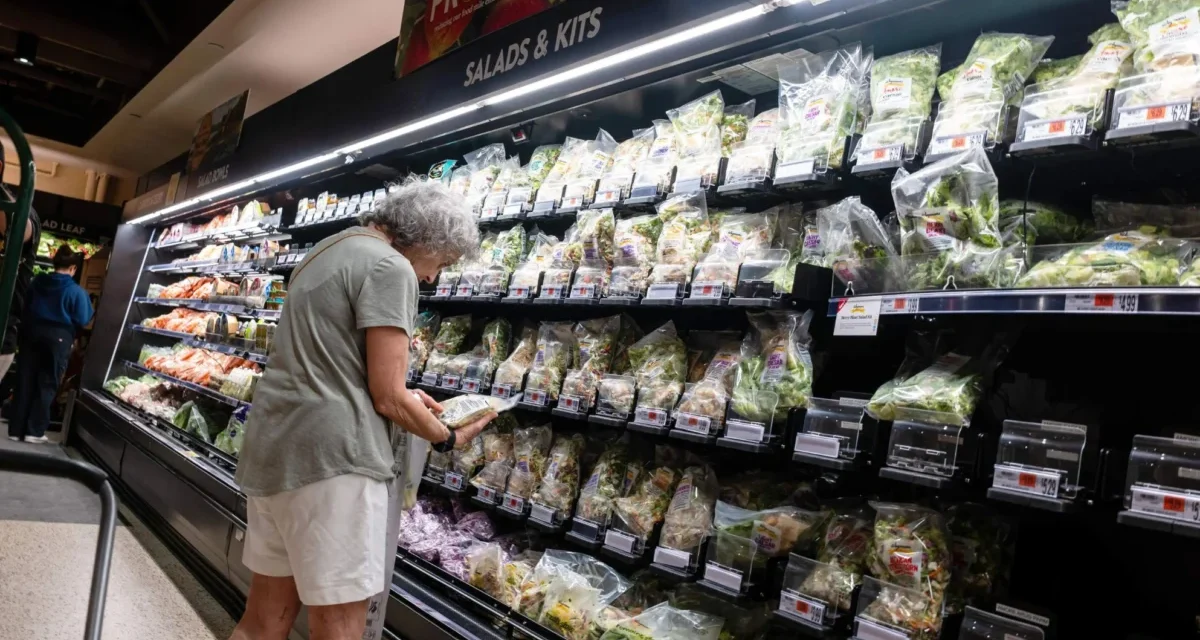
From the leafy greens aisle to the meat counter, anxiety over the safety of the U.S. food supply has surged. As voters head to the polls, the question of whether a salad or a burger is safe to consume has moved from the kitchen to the campaign trail, with both parties weaponizing food safety data to frame their opponents as either reckless or alarmist.
A Summer of Sickness: The Crisis in Context
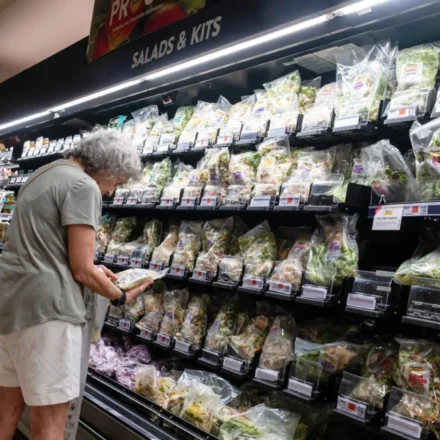
The summer of 2026 will be remembered in public health circles for a particularly harrowing outbreak of cyclosporiasis—a parasitic infection that causes severe, prolonged gastrointestinal distress. The outbreak, linked to contaminated lettuce, infected nearly 20,000 people between May and August. For context, this figure dwarfs the 1,180 cases reported during the same period in 2025, marking the largest recorded outbreak of the parasite in U.S. history.
The impact was immediate and visceral. Major restaurant chains, including Chipotle and Taco Bell, were forced to pull menu items such as lettuce and jalapeños, leaving empty slots on digital menus and confusion among consumers. Late-night talk show hosts turned the symptoms—which include intense, explosive diarrhea—into a recurring punchline, but for thousands of Americans, the reality was a painful and disruptive medical ordeal.
"One of the reasons food safety is in the news this year, and people have been rightfully concerned, is the combination of high-profile restaurant names and the absolute colossal number of illnesses," said Teresa Murray, consumer watchdog director with the U.S. Public Interest Research Group (PIRG). "It’s thousands of people. It makes it more real."
The Political Tug-of-War
Democrats have seized on the timing of these outbreaks to launch a broadside against the Trump administration. Using social media platforms and official press releases, Democratic leaders are painting a picture of a government that has abandoned its duty to protect the public.
Senator Elizabeth Warren (D-Mass.) led the charge in early September, posting on the social platform X: "Trump is dismantling our government—and it’s harming people. Slashed food safety agencies—cyclospora outbreak." Her rhetoric has been echoed by other party stalwarts, including Representative Gabe Amo (D-R.I.) and Representative Judy Chu (D-Calif.), both of whom have called for an immediate restoration of FDA inspectors and a reversal of budget cuts that they claim have crippled the agency’s ability to conduct oversight.
The Democratic National Committee has further stoked the fire by publicly listing recalled food items alongside stinging critiques of Health and Human Services (HHS) Secretary Robert F. Kennedy Jr., labeling him a "complete disaster" and demanding his resignation.
The administration, conversely, has dismissed these claims as "scaremongering." HHS senior adviser Calley Means has been particularly vocal, accusing Democratic operatives of weaponizing food safety to score political points. The FDA itself took to social media to push back against what it termed "fake news," asserting that total recalls for fiscal year 2026 are among the lowest levels recorded in over a decade.
Data and Disparity: A Deep Dive into the Numbers
While the political rhetoric is heated, the data is complex and often subject to conflicting interpretations. According to PIRG, there have been approximately 200 food recalls so far in 2026, a number largely on par with the same period in 2025. However, zooming out reveals a more concerning trend: total food recalls increased by 21% between 2021 and 2025.
Critically, the composition of these recalls has shifted toward "Class I" status—the most severe classification, indicating products that could cause serious injury or death.
However, relying on recall numbers as a barometer for safety is fraught with danger. Federal agencies do not publicize every recall, and a single contaminated ingredient can trigger a cascade of multiple recalls as it moves through the supply chain into processed foods.
"Recall numbers can be misleading," says Dr. Craig Hedberg, a public health professor at the University of Minnesota. "A better measure is the number of people sickened. While the cyclospora outbreak was exceptional, when you look at common bacterial contamination like E. coli and Salmonella, we are actually seeing smaller, more contained outbreaks. That is an indication that we’re finding them faster and limiting the extent to which they can grow."
The administration’s defense—that recalls are at a decade low—has been challenged by experts like Susan Mayne, the former director of the FDA’s Center for Food Safety and Applied Nutrition. Mayne noted that the data cited by HHS appears to conflate food recalls with those of drugs and medical devices, rendering the comparison to previous years fundamentally flawed.
Official Responses and Administrative Strategy
The Trump administration maintains that its response to the current crises has been both robust and effective. HHS spokesperson Grace Davis Jamison emphasized that the FDA and CDC retain the necessary staffing to conduct investigations and that no frontline investigators were impacted by recent budget adjustments.
"The Trump Administration has mounted a robust response to each outbreak, working closely with health departments in all 50 states," Jamison said in an email.
Despite this, critics point to a series of policy shifts that they argue prioritize industry speed over consumer safety. These include:
- Small-Scale Slaughter: A recent directive aimed at making it easier for small livestock operations to slaughter and process their own meat, which critics fear bypasses critical inspection layers.
- Import Expansion: The move to increase beef imports from Brazil and Argentina, two nations that have faced scrutiny over their adherence to rigorous food safety and antibiotic-use standards.
- Regulatory Rollbacks: The withdrawal of a proposed Biden-era rule that would have limited the sale of raw poultry with high levels of Salmonella, and a significant delay in the implementation of supply chain traceability requirements—pushing the deadline from January 2026 to July 2028.
The administration contends these delays were granted in response to stakeholder concerns regarding the practical challenges of compliance, rather than a lack of commitment to safety.
Implications for the Consumer
The most profound impact of this political and public health storm is a marked decline in consumer trust. A July survey by Quinnipiac University found that a majority of registered voters have little to no confidence in current government oversight of food safety. Furthermore, research from the University of Illinois and Purdue University shows that the share of consumers who believe the U.S. food system produces safe products dropped from 40% in November to just 30% by August.
This lack of confidence is changing shopping habits. Nearly half of consumers report altering their grocery shopping and restaurant dining behaviors in the last month alone.
"If you want people to eat real food, fresh fruits and vegetables, they have to be safe," said Sandra Eskin, CEO of the nonprofit group Stop Foodborne Illness. "Instead, we have had farmers plowing under fields because people aren’t buying lettuce. The economic and health consequences are real."
As the midterm elections approach, the "food fight" shows no sign of abating. For the average voter, the debate is no longer just about the policy nuances of food regulation; it is about the baseline expectation that a meal purchased at a store or restaurant should not result in a hospital visit. Whether this issue will be enough to tip the scales in November remains to be seen, but one thing is clear: food safety has moved from the periphery to the center of the American political consciousness.