
















































The Crossroads at Mayo Clinic Square: Napheesa Collier and the Uncertain Future of the Minnesota Lynx

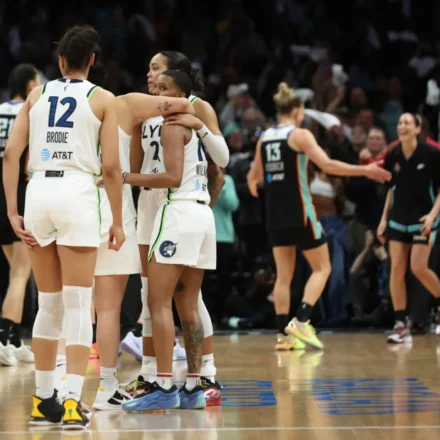
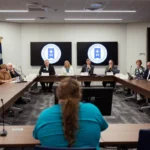
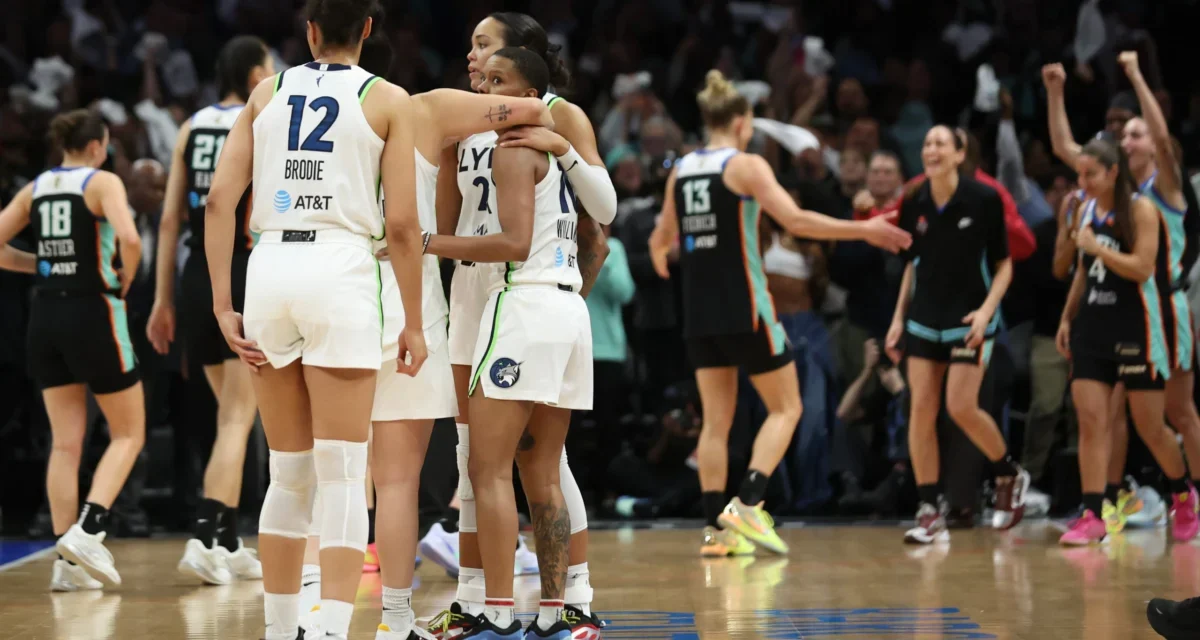
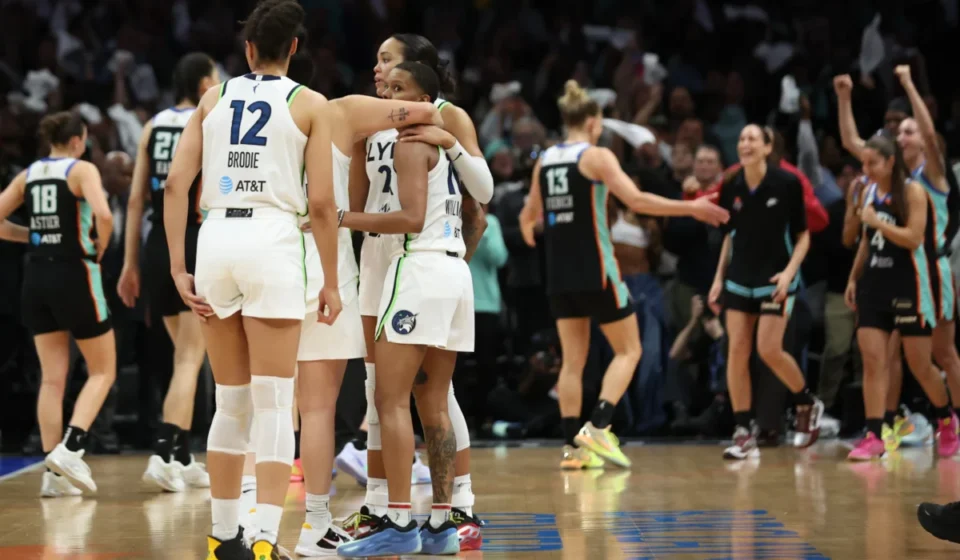
The silence in the media room at the Minnesota Lynx’s Mayo Clinic Square practice facility was heavy on Thursday, punctuated only by the rhythmic clicking of camera shutters. Just 48 hours prior, the Lynx—the league’s top-seeded juggernaut—had been unceremoniously dismantled by the eighth-seeded New York Liberty. It was a swift, clinical exit that left the basketball world reeling.
This time, Napheesa Collier walked into the room without a script. A year ago, the WNBA Players Association vice president sat in the same spot with a multipage manifesto, delivering a scathing indictment of the league’s leadership and officiating standards. That moment served as a volatile prelude to the collective bargaining negotiations that would reshape the league’s landscape. Today, however, the agenda was personal. As a marquee free agent, Collier’s future is the single most significant variable in the WNBA’s upcoming offseason.
A Season of Resilience and Risk
The 2026 season was always destined to be a gamble. Following two catastrophic ankle injuries that necessitated extensive surgical intervention, Collier’s return was a triumph of willpower. Yet, the front office was forced to navigate a roster exodus; the Lynx lost five key rotation players from the 2024-2025 squads that had deep playoff runs.
Collier’s decision to sign a one-year "prove-it" deal was pragmatic, a hedge against the uncertainty of her physical recovery. For the organization, it was a necessary risk. For the player, it was an exercise in patience. Now, with the season concluded, the question of whether she remains in Minnesota or seeks a new horizon hangs over the franchise like a shroud.
Chronology of a Collapse
To understand the current tension, one must examine how the Lynx’s season of dominance quietly curdled. Under the stewardship of Cheryl Reeve, who captured her record-setting fifth WNBA Coach of the Year award, the team soared to a 33-11 record. It was a masterclass in coaching, yet the cracks were visible long before the playoffs.
- July 3: The inflection point. A 99-86 loss to the New York Liberty in Brooklyn exposed the first real chasm in the Lynx’s armor.
- Late Season Slump: The team, which had defined its identity through elite defensive efficiency, saw its metrics plummet. They held opponents under 40% shooting only twice in their final 25 games.
- The Final Stretch: The Lynx limped into the postseason, losing four of their last six games—all against fellow playoff contenders.
- The Postseason Sweep: The Liberty, featuring the formidable duo of Breanna Stewart and Jonquel Jones, exploited Minnesota’s lack of interior size. The Lynx were out-muscled and out-maneuvered, failing to lead in Game 2 and suffering back-to-back 15+ point playoff losses for the first time in team history.
The Reality of a "Flawed Roster"
Coach and President of Basketball Operations Cheryl Reeve has never been one to sugarcoat the truth. Following the sweep, she addressed the team’s structural limitations with characteristic candor. "We like our roster a lot, but we have a flawed roster in some ways," Reeve admitted. "There are some matchups that are going to get to us."

The statistical evidence supports this assessment. The Lynx were a small-ball unit that thrived on speed and chemistry, but they lacked the physical presence to counter the league’s elite frontcourts. Breanna Stewart’s dominance—outscoring Collier 55-26 across the two-game series—highlighted the mismatch.
Moreover, the injury-riddled development of prospects like Dorka Juhász and the loss of international talent such as Emma Čechová left the bench thin. As Reeve noted, the pieces needed to fortify the team—versatile, long-limbed players who can shoot from the perimeter while holding their own in the paint—are the most coveted assets in the league. "The things that we need, they don’t grow on trees," Reeve said. "They’re not plentiful, and we’re not the only team that would like to have size that shoots 3s."
Official Responses and the "Phee" Decision
Collier’s demeanor during her media availability was calm, despite the frantic speculation on social media. When asked about her future, she chose to focus on the present. "Honestly, I haven’t even thought about that," she said. "We lost less than 48 hours ago, and we didn’t expect to be here at all, so I really haven’t had any time to decompress."
Her loyalty to the organization is palpable, but Reeve’s response to questions about Collier’s departure was telling. Rather than campaigning for her star to stay, Reeve offered a mature, almost maternal perspective.
"Phee knows exactly what exists here," Reeve stated. "She’s well aware of the care and the love that has been poured into her. This is a Phee decision, and it’s probably more than basketball… Sometimes you stay, and sometimes you go, because maybe there’s something—I don’t say better, but maybe better for her. And that’s something I respect."
This hands-off approach is a calculated strategy. After eight years in the Minnesota system, Collier possesses all the data points she needs. She has lived through the highs of championship contention and the lows of rehabilitation. Pressuring her would be counterproductive; instead, the organization is giving her the space to determine if her professional trajectory still aligns with the path the Lynx are building.

Implications for the 2027 Season
The offseason will be defined by three critical pillars: positional flexibility, salary cap navigation, and roster depth.
1. The Tactical Shift
Collier’s admission that she is looking forward to refining her perimeter game and her willingness to move to the small forward position signals a tactical evolution. She recognizes that for the Lynx to win their fifth title, she may need to be a more versatile weapon, shifting roles to accommodate a larger, more physical lineup.
2. The Salary Cap Tightrope
The Lynx are locked into significant contracts for key veterans, including Courtney Williams and Kayla McBride. Adding impact players—the "underappreciated veterans" Reeve seeks—requires a delicate balance. To build a championship-caliber team, the front office must convince incoming talent that the potential for a ring outweighs a larger paycheck elsewhere.
3. Cultural Continuity
Despite the frustration of the early exit, the internal culture of the team remains strong. Players like Courtney Williams, when pressed on what the team needs, deferred to the front office with a touch of humor: "I ain’t the G.M., bossman. Let them do their job, and I do mine."
Conclusion: A Turning Point
The Minnesota Lynx are at a definitive turning point. The dominance of the last two seasons has been challenged by a league that is rapidly growing in size and sophistication. Whether Napheesa Collier chooses to stay and help architect a new iteration of this team or moves on to a new chapter, the franchise is facing a necessary reconstruction.
Reeve’s philosophy remains clear: she is not looking for quick fixes. She is looking for the right pieces to fit a culture that has defined the Lynx for years. As the WNBA moves into an era of unprecedented visibility and competition, the decisions made in this quiet off-season at Mayo Clinic Square will determine if the Lynx remain a dynasty in transition or a memory of a bygone era. For now, the team rests, the fans wait, and the league watches, holding its breath for the next move from the league’s most influential free agent.