





















































Minnesota Legislature Deadlocks on Federal Immigration Enforcement Amidst "Operation Metro Surge" Fallout

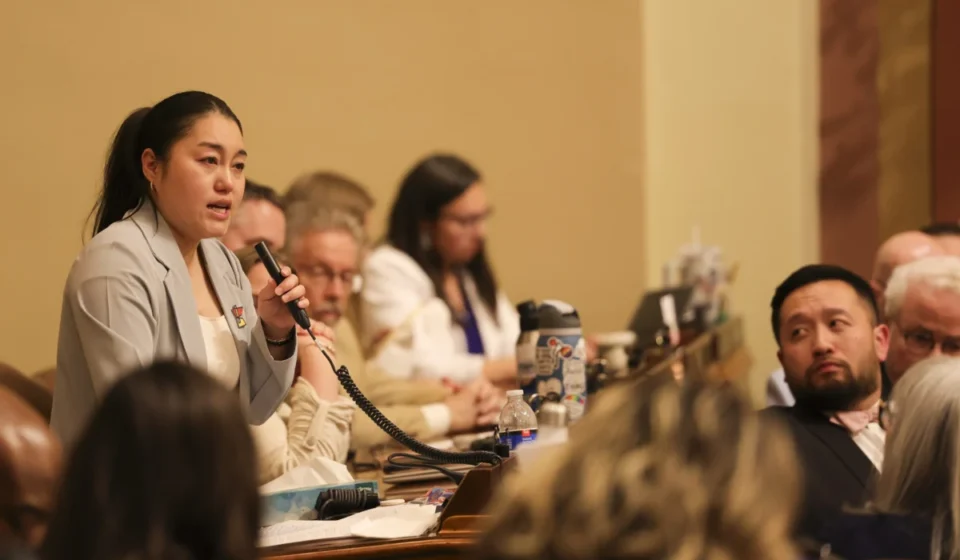
ST. PAUL, MN – As the final moments of Minnesota’s legislative session ticked away on a Sunday approaching midnight, a palpable tension hung in the air. Lawmakers, weary from intense debate, yearned for home. Yet, in a poignant address, Rep. Samantha Vang (DFL-Brooklyn Center) reminded her colleagues of those who could not go home – individuals separated from their families, held in federal immigration detention facilities, a direct consequence of the aggressive federal immigration enforcement known as "Operation Metro Surge."
Vang’s impassioned plea underscored the deep chasm that ultimately prevented Minnesota from joining a growing number of "blue states" that have enacted legislative safeguards against perceived federal overreach in immigration enforcement. "Minnesota has seen enough violence. Enough violence from guns, enough violence from masked federal agents invading our cities," Vang declared, her voice resonating through the chamber. "It is upon us, as duly electeds, to meet this moment, to restore the safety of Minnesotans."
Despite a concerted effort by DFLers to push through a slate of bills designed to mitigate the impacts of Operation Metro Surge, the session concluded without a single piece of legislation addressing the controversial federal actions. This legislative paralysis sets Minnesota apart from Democratic-leaning states like California, Illinois, and Oregon, which have successfully passed laws in response to similar federal operations over the past year. The key difference in Minnesota, observers note, lies in its precariously balanced state Legislature, where a lack of bipartisan consensus ultimately stymied any progress on this highly contentious issue.
While the legislative inaction left many DFLers frustrated, it inadvertently handed them a potent talking point for the upcoming fall elections. These pivotal elections will determine the future composition of a Legislature currently split so narrowly that even a handful of seats could dramatically shift the balance of power, and with it, the legislative agenda.
The Unresolved Aftermath of Operation Metro Surge: Main Facts and Legislative Failure
Operation Metro Surge, a federal initiative targeting undocumented immigrants, thrust Minnesota into the national spotlight with its perceived aggressive tactics. The operation, which involved federal agents often operating without clear identification and allegedly engaging in widespread detentions, sparked widespread fear and controversy across the state. Communities reported incidents ranging from racial profiling and the detention of U.S. citizens to accusations of harassment and economic disruption.
DFL lawmakers, in particular, condemned the operation, framing it as an invasion of state sovereignty and a violation of human rights. They highlighted reports of "violence from masked federal agents," "unlawful detention," "harassment and abuse," and even more gravely, Senate Majority Leader Erin Murphy (DFL-St. Paul) explicitly accused federal agents of having "killed people" and "took people’s constitutional rights away." These strong condemnations formed the bedrock of their urgent call for legislative action.
In response, DFLers introduced over two dozen distinct legislative proposals aimed at curbing federal agents’ powers and supporting affected communities. These included measures to restrict federal agents’ ability to conceal their identities, limit their access to "sensitive locations" such as schools, hospitals, and courthouses, and provide economic relief to businesses purportedly harmed by the surge.
However, these efforts met a steadfast wall of opposition from Republican lawmakers. The GOP largely dismissed the DFL’s narrative, attributing the problems to what they characterized as "Minnesota Democrats rolling out a welcome mat of benefits for illegal immigrants." Republicans instead advocated for increased cooperation between local law enforcement and federal immigration authorities, arguing that such collaboration would prevent many of the issues raised by the DFL. This fundamental disagreement on both the nature of the problem and its appropriate solution led to an intractable legislative gridlock, ensuring that none of the proposed bills, from either side, advanced to the Governor’s desk. The immediate consequence is that Minnesota remains without state-level protections or aid mechanisms in response to federal immigration enforcement, a stark contrast to many of its progressive counterparts.
Chronology of a Session’s End: Last-Minute Pleas and Political Posturing
The final hours of Minnesota’s legislative session were a whirlwind of last-ditch efforts and pointed political exchanges, culminating in the ultimate failure of immigration-related legislation.
Sunday Evening, Approaching Midnight: The atmosphere in the House chamber was thick with anticipation and exhaustion. Lawmakers, acutely aware of the rapidly approaching midnight deadline, pushed through a flurry of final votes. It was during this tense period that Rep. Samantha Vang delivered her powerful address, urging her colleagues to consider the plight of families separated by federal immigration enforcement. Her plea served as a poignant opening for the DFL’s final legislative push.
The Emergency Vote: With approximately 30 minutes left before the session’s mandated conclusion, DFL lawmakers initiated an emergency vote on a comprehensive bill mirroring the main Senate package on ICE-related issues. This "copycat bill" was designed to bypass earlier procedural hurdles and force a vote on measures that included a ban on federal agents wearing masks in public and restricting their access to sensitive locations. The move was a clear attempt to capitalize on the dwindling time and put Republicans on the record regarding these contentious proposals.
GOP’s Immediate Rejection: Rep. Harry Niska (R-Ramsey), the House GOP floor leader, quickly articulated his party’s unwavering opposition. Niska asserted that the DFL’s bill "misdiagnosed the problem," which he unequivocally stated was created by "Minnesota Democrats rolling out a welcome mat of benefits for illegal immigrants." He further argued, "If local law enforcement cooperated with federal law enforcement, we would never have seen many of the problems that Minnesota has gone through." This statement encapsulated the deep ideological divide, effectively dooming the last-minute effort.
DFL’s Final Arguments: In response, DFL lawmakers intensified their rhetoric, referencing a litany of grievances and alleged harms resulting from Operation Metro Surge. They spoke of racial profiling, the detention of U.S. citizens, the chilling impact of racist comments attributed to President Donald Trump regarding Somali communities, the fear instilled in school children, and, most starkly, the "killings of Renee Good and Alex Pretti," which they linked to the broader climate of the surge. Rep. Samantha Sencer-Mura (DFL-Minneapolis) encapsulated the DFL’s resolve, stating, "We must make sure that what happened in Minnesota never happens again, here or anywhere else in this country."
Despite these fervent appeals and the eleventh-hour procedural maneuvering, the bill failed to pass, sealing the fate of any state-level response to Operation Metro Surge for the legislative session. The session ended with the issue unresolved, leaving a bitter taste for DFLers and a clear path for future political battles.
Supporting Data: A State-by-State Comparison and Economic Toll
Minnesota’s failure to enact legislation addressing federal immigration enforcement stands in stark contrast to the actions taken by several other states, particularly those with Democratic majorities, highlighting a national trend of states asserting their authority in response to federal operations.
State-Level Protections Across the Nation:
A recent study by the University of Wisconsin-Madison’s State Democracy Research Initiative found that a significant number of states have moved to restrict federal immigration agents’ tactics. Specifically:
- Sensitive Locations: California, Illinois, and Oregon have all passed laws that explicitly target the ability of federal immigration agents to enter "sensitive locations" without a warrant or invitation. These locations typically include schools, hospitals, courthouses, and child care centers – places where individuals should feel safe and where enforcement actions could cause undue alarm or disrupt essential services. These laws aim to protect vulnerable populations and maintain trust between communities and public institutions.
- Concealed Identities: Beyond sensitive locations, a broader coalition of states has tackled the issue of agents concealing their identities. California, Connecticut, New Jersey, Oregon, and Washington have each passed laws related to federal agents’ ability to wear masks or otherwise obscure their identification in public. The intent behind these laws is to promote transparency, accountability, and prevent the perception of an occupying force, which DFL lawmakers in Minnesota argued contributed to fear and distrust. As of May 2026, legislative attempts on this topic had been made in at least 33 states, indicating a widespread concern about agent anonymity during enforcement actions.
- Accountability Mechanisms: Illinois, in a notable move just last December, saw Governor JB Pritzker sign a law simplifying the process for suing federal employees over alleged Constitutional violations. This legislation provides a more accessible avenue for individuals who believe their rights have been infringed upon by federal agents, setting a precedent for state-level legal recourse against federal actions.
Minnesota’s Comprehensive, Yet Failed, Approach:
Minnesota lawmakers, primarily DFLers, introduced over two dozen unique proposals directly responding to Operation Metro Surge, encompassing many of the protections seen in other states. Their legislative agenda was ambitious and multifaceted:
- Banning Masked Agents and Restricting Sensitive Locations: Several bills mirrored the "sensitive locations" and "masked agents" provisions passed elsewhere, aiming to bring Minnesota in line with these blue states.
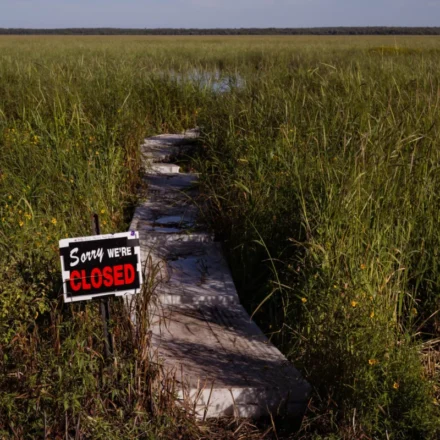
- Economic Impact Mitigation: Unique to Minnesota’s approach was a significant attempt by the Senate DFL to create a $100 million loan program for businesses that could demonstrate a loss of over 30% of their income due to Operation Metro Surge. This bill, which passed in the DFL-controlled Senate but never received a House vote, underscored the DFL’s belief in the severe economic ramifications of the federal operation. Sen. Zaynab Mohamed (DFL-Minneapolis) vociferously argued for this, stating that "so many businesses across our state are going to close because of this" due to the legislative inaction.
- Quantifying the Damage: The proposed $100 million loan bill also included funding for a comprehensive study to quantify the overall economic impact of the federal operation. Preliminary estimates from DFLers suggested the dollar amount of losses could be in the hundreds of millions of dollars, encompassing lost wages, decreased business revenue, and increased expenses for local police departments and city governments forced to respond to the federal presence. Republican lawmakers, however, largely dismissed the suggestion that businesses lost revenue at all, contributing to the bill’s ultimate demise in the House.
- Defining the Human Impact: Sen. Zaynab Mohamed also authored a distinct bill that attempted to legally name and codify the impacts of Operation Metro Surge – another legislative approach that appears to set Minnesota apart. Her bill, which never even received a committee hearing, stated that the federal operation caused thousands of Minnesotans to become "victims of violent attacks and unlawful detention, harassment and abuse, sudden abduction and secretive relocation, mass imprisonment and inhumane conditions, undue investigation, and prosecution and deportation actions." This bill sought to establish a legislative record of the perceived human toll, laying groundwork for future legal or policy challenges.
GOP Counter-Proposals:
While less numerous, GOP lawmakers also introduced bills in response to Operation Metro Surge, reflecting their distinct ideological framework:
- Expanded Local-Federal Cooperation: The party’s main platform focused on attempts to expand local law enforcement cooperation with Immigration and Customs Enforcement (ICE). These bills aimed to mandate or encourage local police and sheriffs to assist federal agents in immigration enforcement, a direct counterpoint to the DFL’s efforts to limit such cooperation.
- Targeted Protections (for institutions): Other GOP bills were more targeted, such as one that would make it illegal to enter and disrupt a religious institution. This proposal emerged after anti-ICE protestors demonstrated at Cities Church in January, highlighting a concern for public order and institutional sanctity in the context of protest actions.
Ultimately, the deeply polarized legislative environment meant that none of the GOP-sponsored bills responding to ICE passed either, leaving the state without any new laws addressing federal immigration enforcement from either perspective.
Official Responses: Post-Session Rhetoric and Blame Game
In the immediate aftermath of the legislative session’s contentious conclusion, official responses from both DFL and GOP leadership revealed the depth of the ideological divide and set the stage for future political battles. While lawmakers on both sides initially praised bipartisan achievements on other topics, the issue of federal immigration enforcement quickly emerged as a point of sharp contention and a key element of the post-session rhetoric.
DFL Leaders Condemn ICE and GOP Inaction:
Senate Majority Leader Erin Murphy (DFL-St. Paul) did not mince words when addressing reporters the morning after the session. She launched a scathing critique of ICE’s conduct, asserting, "I believe ICE acted recklessly and lawlessly. And she thinks that was apparent to people across Minnesota, the nation and the world." Murphy went on to make a grave accusation, stating, "They came here and they killed people, they took people’s constitutional rights away. Nobody should stand for that." Her powerful statement underscored the DFL’s conviction that the federal operation represented a profound violation of human rights and democratic principles.
House DFL Caucus leader Zack Stephenson echoed Murphy’s sentiments, acknowledging the session’s accomplishments on other fronts but reserving his sharpest criticism for the "failure to take actions to curb the abuses of ICE." Stephenson’s remarks clearly signaled the DFL’s intention to transform this legislative defeat into a campaign rallying cry.
GOP Leaders Maintain Stance and Criticize DFL Policies:
In contrast, Republican leaders were largely silent on the issue of ICE in their immediate post-session remarks, preferring to highlight areas of bipartisan cooperation. However, Rep. Harry Niska (R-Ramsey), the House GOP floor leader, had already articulated the party’s definitive position during the frantic final minutes of the session. His comments on the DFL’s emergency vote against ICE measures provided a clear insight into the Republican perspective.
Niska maintained that the DFL’s legislative efforts fundamentally "misdiagnosed the problem." He attributed the surge and its perceived negative impacts not to federal overreach, but to what he termed "Minnesota Democrats rolling out a welcome mat of benefits for illegal immigrants." This framing suggests that the DFL’s policies create an environment that encourages undocumented immigration, thereby necessitating federal intervention. Furthermore, Niska reiterated the Republican belief that increased cooperation between local law enforcement and federal agencies would have prevented many of the issues that arose during Operation Metro Surge.
The stark divergence in these official responses highlights the irreconcilable differences that led to the legislative stalemate. DFL leaders positioned themselves as defenders of human rights and community safety against an oppressive federal force, while GOP leaders framed the issue through the lens of national security, rule of law, and a critique of state-level immigration policies.
Implications: A Campaign Theme and Future Legislative Battles
The legislative gridlock over Operation Metro Surge has far-reaching implications, most immediately transforming into a central theme for Minnesota’s upcoming 2024 elections. The unresolved tensions and stark ideological differences are poised to shape campaign narratives and voter choices, with the makeup of the next Legislature hanging in the balance.
The 2024 Elections: A Referendum on Immigration Policy:
House DFL Caucus leader Zack Stephenson left no doubt about his party’s strategy: "House DFLers will take that message on the campaign trail this summer and fall. We will win a majority and we will pass those bills into law in 2027." This declaration signals a clear intention to make the DFL’s proposed protections against federal immigration enforcement a cornerstone of their electoral platform. By framing the issue around human rights, community safety, and economic impact, the DFL aims to mobilize its base and appeal to swing voters concerned about perceived government overreach and the welfare of immigrant communities. They will likely highlight the alleged "violence from guns," "masked federal agents," and the "killings" attributed to ICE, as well as the economic disruption, to underscore the urgency of their legislative agenda.
Republicans, while not explicitly declaring ICE a campaign theme, have already established their counter-narrative. Rep. Harry Niska’s assertion that DFL policies created a "welcome mat of benefits for illegal immigrants" and that increased local-federal cooperation is the solution will undoubtedly resonate with their conservative base. The GOP will likely frame the DFL’s proposals as obstructing law enforcement and encouraging illegal immigration, positioning themselves as champions of border security and the rule of law. The closely divided nature of the Minnesota Legislature means that every seat will be fiercely contested, and the debate over federal immigration enforcement could sway crucial races.
The Broader Debate: State vs. Federal Authority:
Beyond Minnesota’s borders, the legislative standoff reflects a broader national debate about the limits of federal power in immigration enforcement and the extent to which states can, and should, establish their own policies. The actions of states like California, Illinois, and Oregon in enacting "sanctuary" or "trust" laws demonstrate a growing trend of state-level resistance to federal mandates, particularly under administrations perceived as aggressive on immigration.
Minnesota’s failure to join these states, despite its "blue state" leanings, highlights the unique challenges posed by a politically divided state government. Should the DFL achieve a stronger majority in 2024, the state could swiftly move to enact legislation similar to its progressive counterparts, potentially setting up future legal challenges from the federal government, similar to those seen in other states. Conversely, if the GOP gains ground, the focus might shift towards strengthening cooperation with federal agencies, further polarizing the state’s approach to immigration.
The unresolved nature of the Operation Metro Surge fallout in Minnesota underscores the profound human, economic, and political stakes involved. The legislative battle may have ended for this session, but the broader conflict over federal immigration enforcement, state sovereignty, and community protection has only just begun to play out on the campaign trail and in the hearts of Minnesotans. The next legislative session, following the crucible of the 2024 elections, will undoubtedly revisit these contentious issues, with the hope, or fear, of a new legislative landscape.