












































A Turning Point for the Twins: Ownership Pledges Aggressive Pivot Following Disappointing 2026 Campaign

The State of the Franchise: A Reckoning in Minneapolis
The Minnesota Twins concluded their 2026 campaign in a manner that has become all too familiar to the Target Field faithful: eight games under .500, a distant third-place finish in the American League Central, and a lingering sense of unfulfilled potential. As the organization pivots toward an uncertain off-season, the mood at the club’s end-of-season media postmortem was decidedly more somber than in previous years.
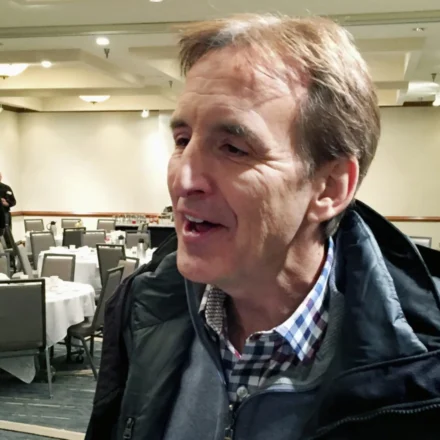
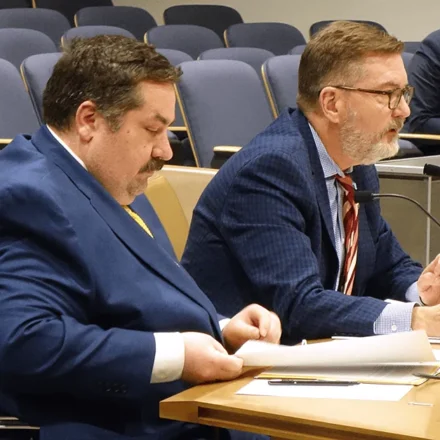
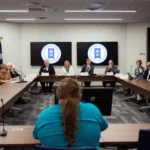
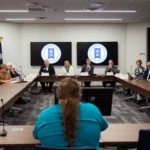
Executive chair Tom Pohlad, typically known for the relaxed, business-casual aesthetic of modern sports management, arrived at Tuesday’s press conference in a sharp dark blue suit and tie—a sartorial choice that mirrored the gravity of the team’s current predicament. Flanked by general manager Jeremy Zoll and manager Derek Shelton, Pohlad did not mince words.
“We aspired to play meaningful baseball in September, and we aspired to finish with a winning record,” Pohlad admitted in his opening statement. “We fell short on both of those fronts.”
For a fan base that has grown increasingly vocal in its frustration regarding the ownership’s perceived lack of investment and ambition, the meeting served as a crucial, if overdue, acknowledgment of the chasm between the organization’s stated goals and its actual performance.
Chronology of a Lost Season
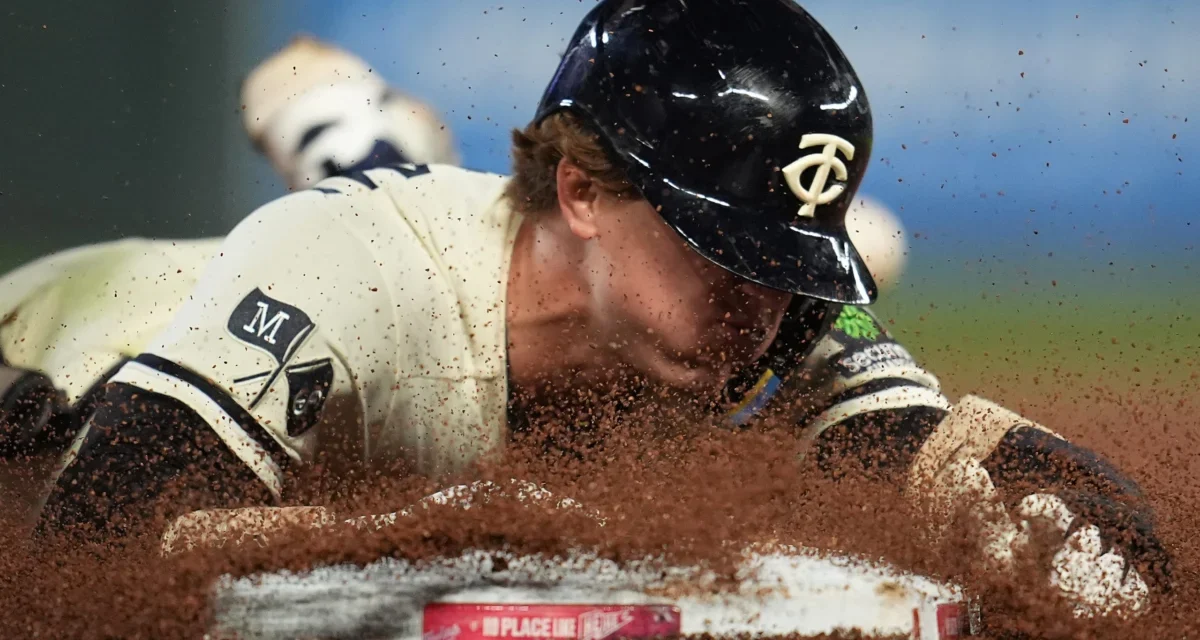
The 2026 season was a study in inconsistency and missed opportunities. While the Twins flirted with the wild card race during the middle of the summer, the foundation of the team’s competitive hopes proved to be made of sand.
The decline can be traced back to the previous off-season and a trade deadline that failed to provide the necessary reinforcements. After a 2025 campaign that left fans uninspired, the team’s decision to dismantle parts of their bullpen in previous years continued to haunt them. Despite Zoll’s attempts to patch holes at the 2026 deadline, the roster suffered an agonizing late-season swoon, finishing the final two months with a dismal 21-30 record.
The lack of on-field success was mirrored by a noticeable thinning of the stands. Attendance figures plummeted to 1,740,366—the lowest total for a full, non-pandemic-affected season since the team played at the Metrodome in 2000. Perhaps more concerning for the front office is the erosion of the season-ticket base; for the first time since Target Field opened in 2010, the club declined to publish renewal figures, breaking a long-standing tradition of transparency regarding fan loyalty.
The Financial Pivot: Moving Beyond "Competitive"
The most significant takeaway from the media session was Pohlad’s pivot regarding the organization’s financial philosophy. For years, the team has operated under the shadow of budget constraints that fans argued prevented the club from reaching elite status.
“This is an organization that, in my opinion, has been comfortable with the goal to be competitive,” Pohlad said, offering a rare, candid critique of the team’s past strategy. “I clearly stated that our goal is to win a world championship. That is the reason we set high expectations for ourselves this year—maybe expectations that some in this room thought were unreasonable.”
Addressing the elephant in the room—the team’s shrinking payroll—Pohlad was explicit. “I have said over and over that a $100 million payroll, or anything close to that, is not sufficient to be consistently competitive and in the playoffs. And so we intend to take the off-season and meaningfully invest.”
While the Twins’ 2026 payroll sat at approximately $115 million—a sharp drop from the $156 million high in 2023—Pohlad stopped short of setting a specific dollar range for 2027. However, he confirmed that Zoll has been given the "green light" to add significant salary. When challenged on the discrepancy between past promises and present action, Pohlad acknowledged the skepticism. "People have been critical of a lot of words and not a lot of action. I get that. There hasn’t been a lot of opportunity to put action to words. We had that opportunity at the trade deadline. We have another opportunity in front of us. This off-season, we intend to use it."

Supporting Data: Building the Core
Despite the dismal record, there is a silver lining in the form of a burgeoning young core. Manager Derek Shelton highlighted several prospects who have already begun to make their mark on the major league roster. In the infield, Brooks Lee and Kaelen Culpepper have shown flashes of brilliance, while the outfield is anchored by a promising group including Luke Keaschall, Walker Jenkins, Emmanuel Rodriguez, and Alan Roden. Zoll added the name of Royce Lewis to this list, underscoring the organization’s belief in these players as the bedrock of the 2027 squad.
On the mound, the narrative remains focused on health and development. Pablo Lopez is expected to return from Tommy John surgery by early March, joining a rotation that features Joe Ryan and Taj Bradley. Shelton is currently looking to round out the rotation with two additional starters from a group of six, including Bailey Ober, Dean Kremer, and Zebby Mathews.
The front office’s commitment to this youth movement was evidenced by the recent firing of pitching coach Pete Maki and assistant Luis Ramirez. The decision signaled a clear acknowledgment that the previous coaching structure was failing to maximize the potential of the team’s young arms. The return of bullpen coach LaTroy Hawkins, whose 21-year playing career provides a wealth of experience, offers a sense of continuity, but Zoll was clear that a structural change is imminent. “At this point, we think what’s best for our group is to bring in some different skill sets and put a new structure in place,” Zoll noted.
Strategic Implications for the Off-Season
As the team looks toward free agency, several critical decisions loom. With Lopez, Ryan, Kremer, and Ober all approaching free agency after the 2027 season, Zoll admitted that the team might consider trading from their pitching depth to acquire the middle-of-the-lineup bat they so desperately require.
The dependency on players like Kody Clemens—who, despite a career-best 27-homer, 81-RBI season, is arguably better suited for a depth role than a cleanup spot—highlighted the lack of star power in the middle of the order. The front office is expected to exercise the $10 million option on DH Josh Bell, a move largely driven by his mentorship of the team’s younger players.
Perhaps the most glaring hole is at catcher. With Ryan Jeffers set to test the open market, the team faces a difficult transition. While the Twins may extend a qualifying offer of approximately $22 million to retain some draft compensation, it is widely expected that Jeffers will depart, leaving veteran Victor Caratini to shoulder the bulk of the catching duties.
The Looming Cloud of Labor Unrest
While the front office is focused on roster construction, the broader landscape of Major League Baseball remains precarious. The current collective bargaining agreement is set to expire on December 1, and the prospect of a labor dispute is high. Owners are expected to push for a salary cap, while players remain steadfast in their opposition.
Pohlad acknowledged that any potential strike or lockout could stifle the team’s momentum, noting that reaching the attendance goal of 2.5 million fans will be a multi-year effort that could be derailed by a shortened season.
“We have a young, exciting core in place, and now it’s ownership’s responsibility to support them,” Pohlad concluded. “I understand that patience in this market has run out, and I assure you we have a sense of urgency. Our goal this off-season is to field a roster so next spring, making the playoffs isn’t a hope, it’s the expectation that everyone in this room agrees is realistic.”
For the Twins, 2027 represents a critical juncture. With the worst division in baseball providing a clear path to the postseason, the front office has no shortage of excuses should they fail to capitalize. The era of "being competitive" appears to be over; in its place, the Twins must now prove that their newfound urgency is more than just a suit and tie at a press conference.