































The Australian Outback is often mythologized as a barren, sun-scorched expanse—a place of singular, daunting beauty that demands resilience from those who dare to traverse it. For many, the Red Centre is a destination for the windshield tourist: a quick flight into Alice Springs, a mandatory sunset photograph at Uluru, and a hurried return to the comforts of the coast. But to truly understand the pulse of this ancient continent, one must step off the pavement and onto the dirt.
In July 2026, I embarked on the Larapinta Trail, a 143-mile odyssey through the West MacDonnell Ranges. My expectations were a cocktail of excitement and deep-seated apprehension. As a hiker who enjoyed the outdoors but rarely sought out the rigors of multi-day expeditions, the prospect of carrying a heavy pack through remote, snake-inhabited desert terrain was daunting. Yet, the allure of a guided group trip—specifically one designed to offer the "in comfort" experience—provided the safety net I needed to trade my anxieties for an immersion into one of the world’s most significant cultural and geological landscapes.
Main Facts: The Anatomy of a Great Walk
The Larapinta Trail is one of Australia’s 15 "Great Walks," a designation reserved for trails that offer world-class scenery, historical significance, and a profound sense of isolation. Spanning the spine of the Tjoritja (West MacDonnell Ranges), the trail begins at the historic Alice Springs Telegraph Station and culminates at the summit of Mount Sonder.
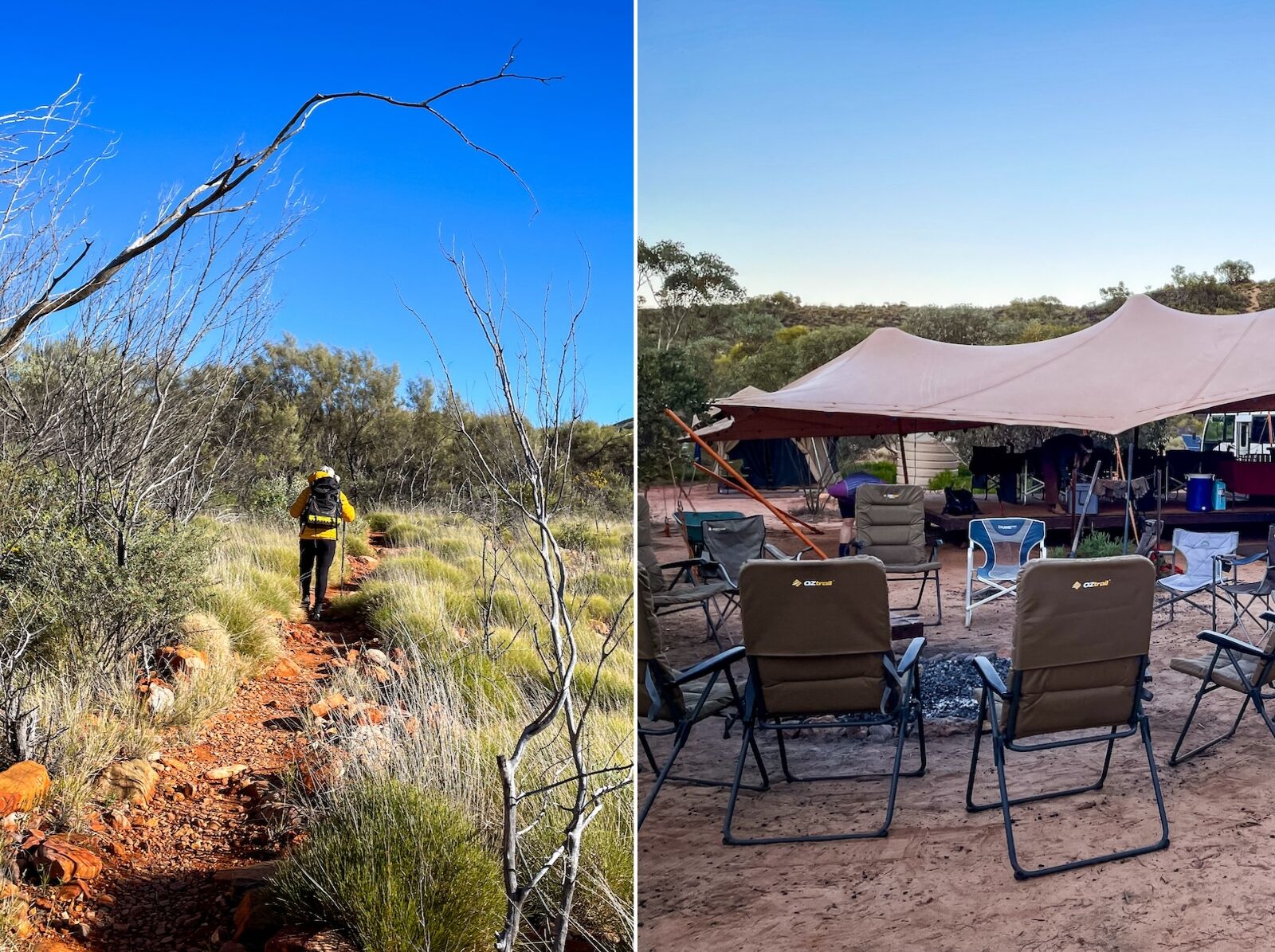
The geography here is ancient; the West MacDonnell Ranges began to form roughly one billion years ago. Today, the trail is divided into 12 distinct sections, each offering a unique perspective on the desert’s biodiversity. While the full traverse typically requires two weeks of strenuous trekking, my journey was a condensed six-day expedition. By utilizing a "walk in comfort" model, I bypassed the traditional backpacker’s burden. Instead of carrying a tent, cooking equipment, and supplies, my gear was transported between permanent, eco-friendly, solar-powered campsites. This arrangement allowed me to carry only a light daypack, focusing my energy on the terrain rather than the load.
Chronology of the Expedition
My six-day journey was curated by World Expeditions, an operator that has been running guided treks on the Larapinta since 1995. The itinerary was strategic, covering five core sections of the trail plus two high-value detours: the Ormiston Pound and the Arrernte walk.
Days 1-2: The Awakening
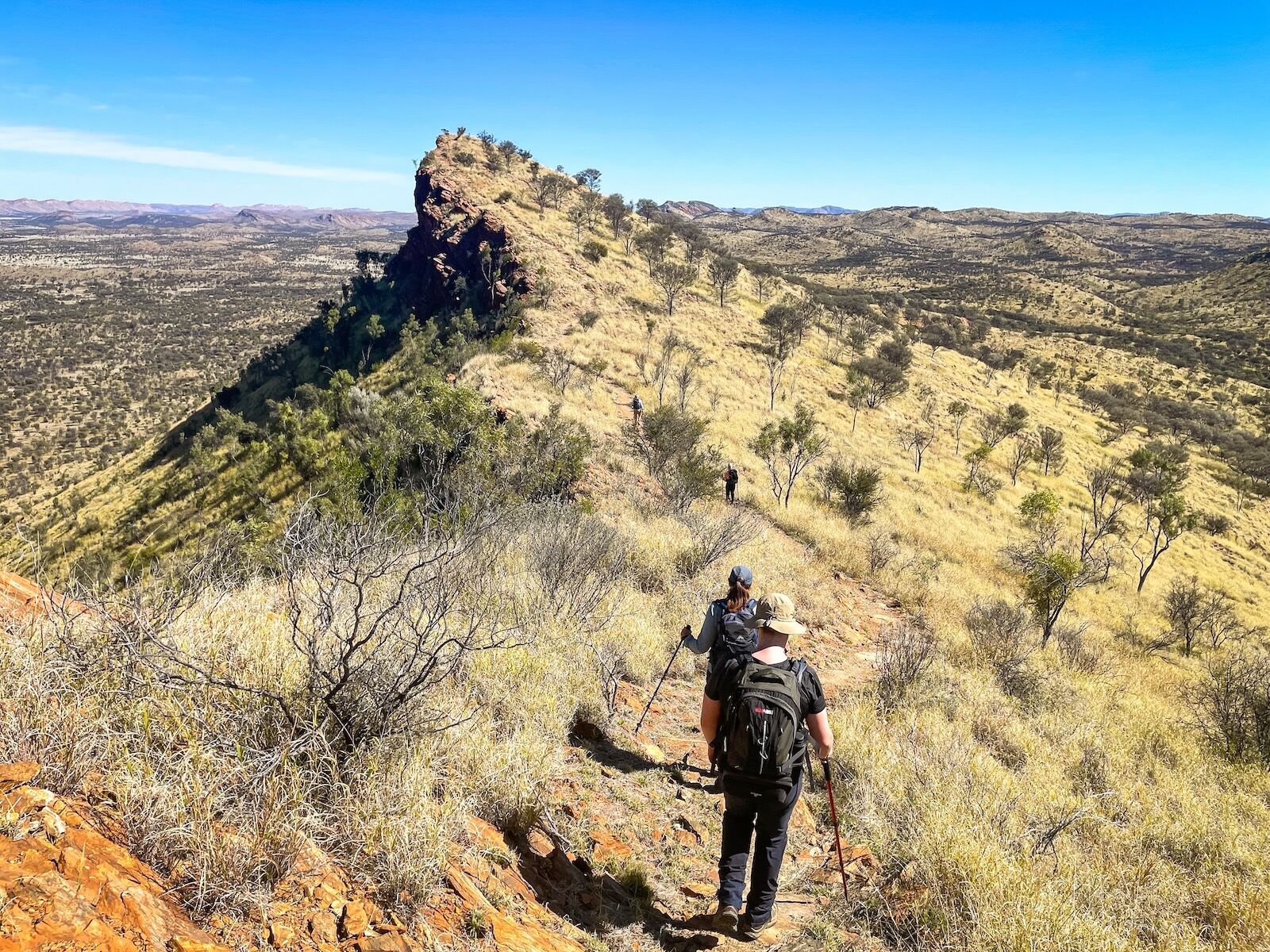
The first two days were a baptism by fire—and light. The morning temperatures were biting, requiring a beanie and layers, but as the sun crested the quartzite ridges, the air turned crisp and clear. We began at the Telegraph Station, navigating rocky passes where the sun’s intensity necessitated constant vigilance: long-sleeved sun shirts, wide-brimmed hats, and a steady application of SPF. The physical act of hiking felt less like a sport and more like a meditation. My guide, Jack, emphasized that the Larapinta is not a trail for "Strava-seekers." The lack of cellular reception, combined with the technical, uneven terrain, forced a change in pace.
Days 3-4: The Cultural Deep Dive
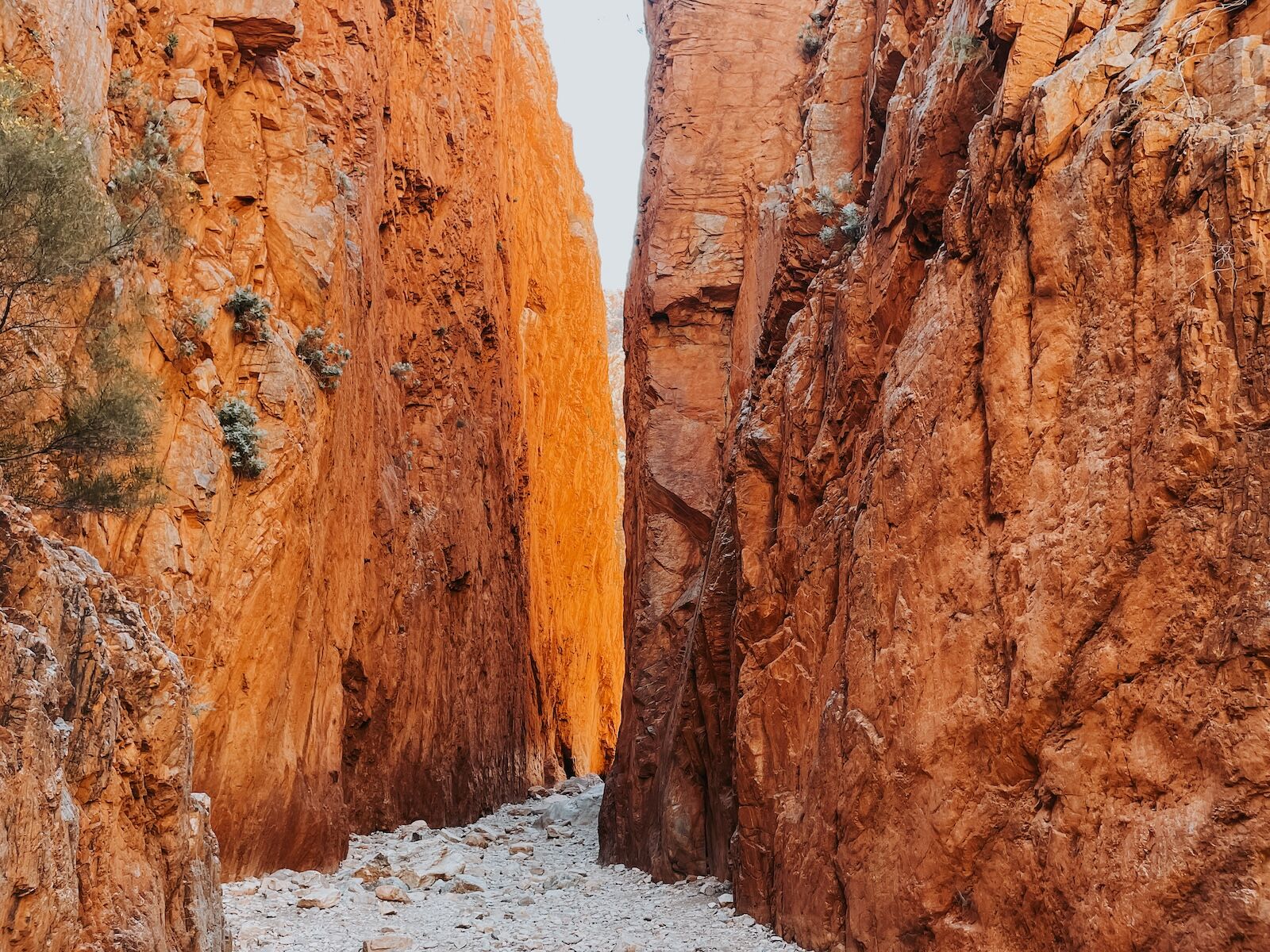
The middle of the trek shifted from physical endurance to intellectual and cultural immersion. We spent time at sites like Standley Chasm (Angkerle Atwatye) and Simpsons Gap. These are not merely scenic backdrops; they are sacred sites for the Western Arrernte people. Walking through these gaps, one feels the weight of thousands of years of human history. The landscape is a living archive, and the presence of our Arrernte guide, William Palmer, transformed our understanding of the environment. He spoke not just of geology, but of "Country"—a term denoting the inseparable connection between the land and its traditional custodians.
Days 5-6: The Desert Comes Alive
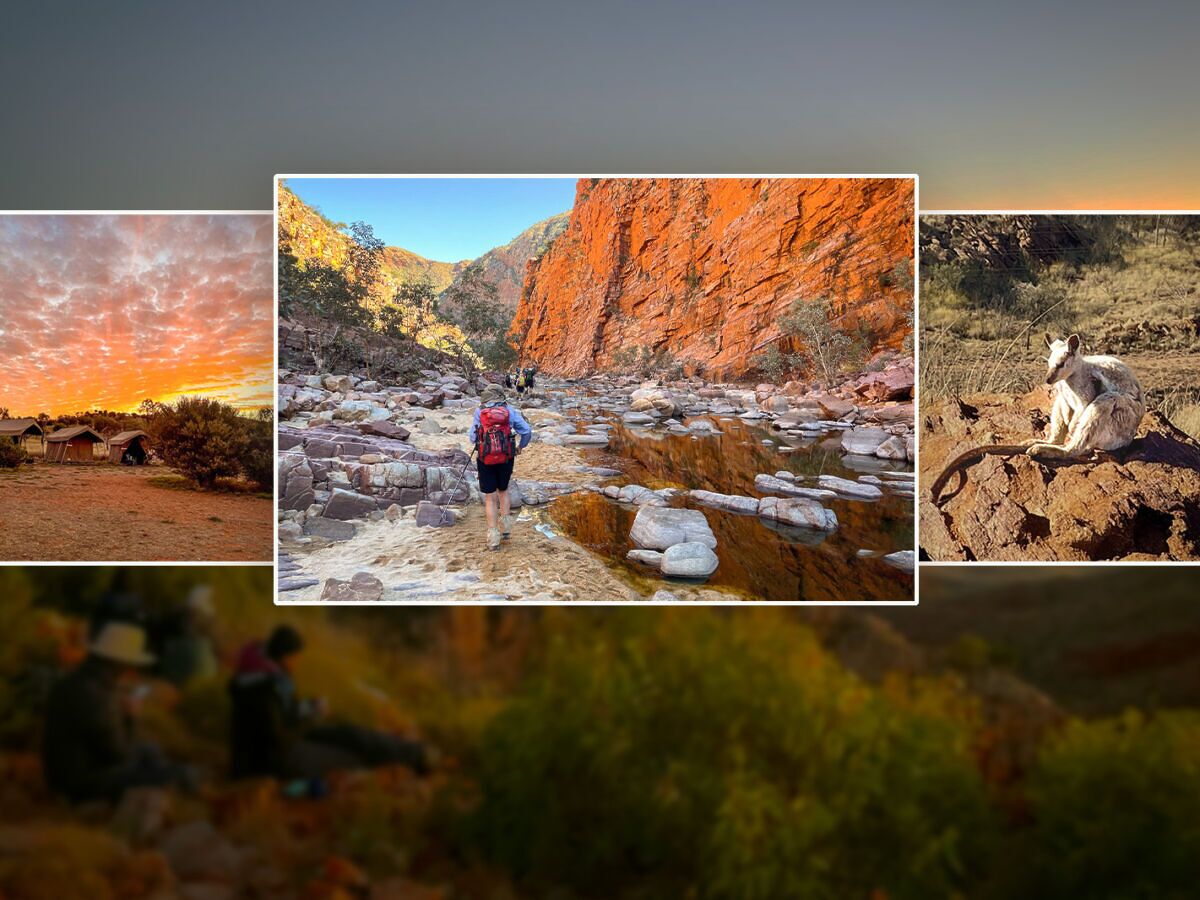
By the final days, the initial intimidation of the Outback had evaporated. The desert, which I had initially viewed as a monochromatic landscape of red dust, revealed itself as a vibrant, complex ecosystem. Following seasonal rains, the trail was dotted with Sturt’s desert pea, bush tomato, and curry wattle.
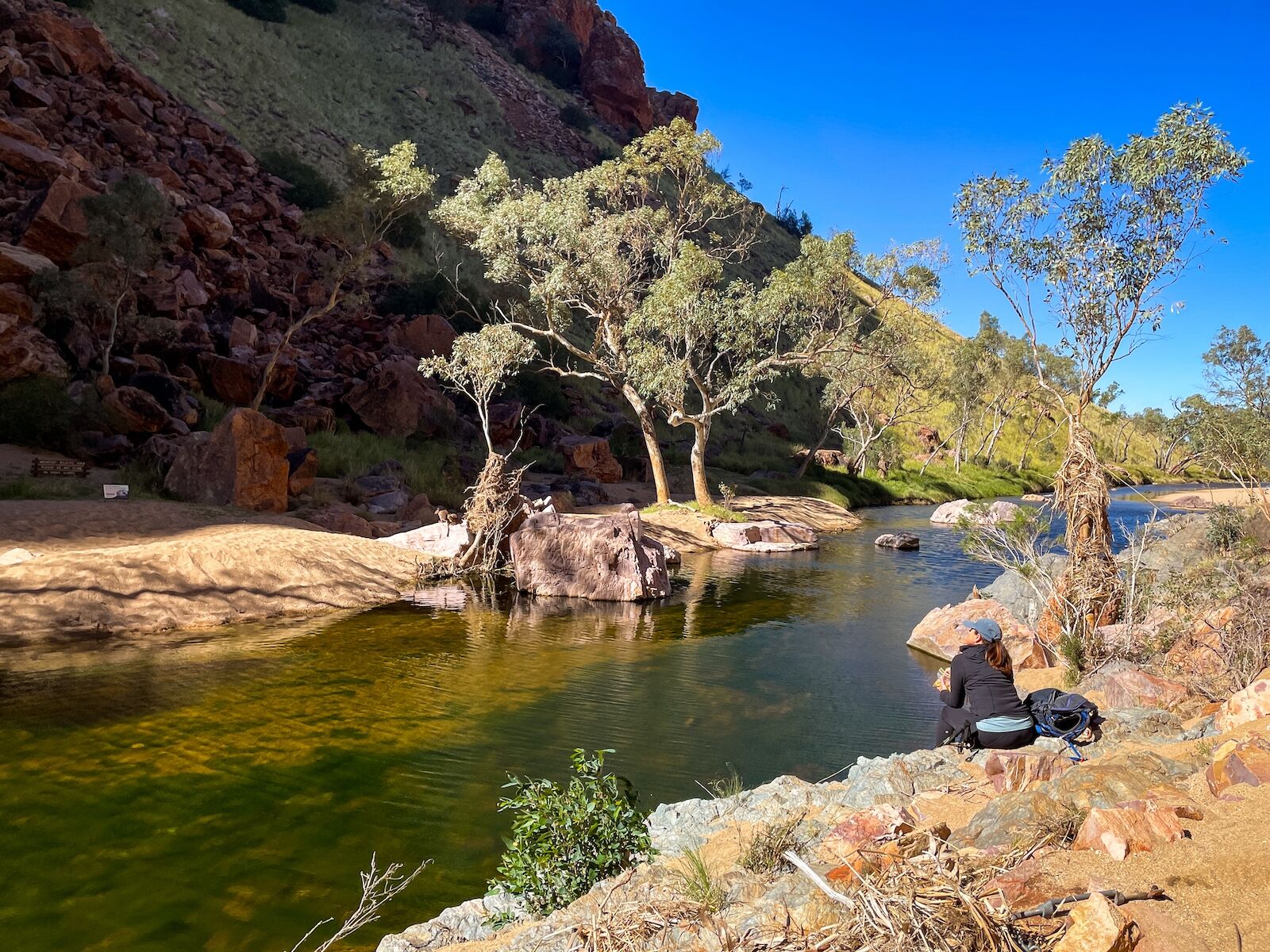
Our evenings were spent in our eco-camps, where the ritual of the "sundowner" by the campfire provided a space for the group to bond. Whether it was the sound of a nearby pack of dingoes howling in the dark or the sudden appearance of a black-footed rock-wallaby at a watering hole, the nights felt as active as the days. On the final morning, as we looked back toward the silhouette of Mount Sonder, the transition back to the "real world" of skyscrapers and constant connectivity felt jarring.
Supporting Data: The Logistics of "Comfort"
The "in comfort" style of travel is increasingly popular for demographic segments that value environmental stewardship and comfort over the "roughing it" philosophy of traditional backpacking.
- Accommodation: Permanent, solar-powered eco-camps provided a stable base. This is critical for solo travelers, as it removes the logistical nightmare of setting up camp while maintaining the camaraderie of a group.
- Nutrition: A far cry from dehydrated meals, our evenings featured fresh, locally inspired cuisine—grilled barramundi, roasted poultry, and Thai-influenced curries—prepared by our guides.
- Accessibility: By removing the need for a 40-pound pack, the barrier to entry is lowered significantly, allowing hikers of varying physical fitness levels to access remote regions that would otherwise be inaccessible.
- Biodiversity Metrics: The region hosts a surprising array of avian life. Our night-walks were dedicated to locating the Australian boobook, an owl species that serves as an indicator of a healthy, functioning ecosystem.
Official Perspectives: Indigenous Stewardship
The development of the Larapinta Trail in 1988 was, in many ways, an act of reconciliation and education. While its initial intent was to link the geological wonders of the MacDonnell Ranges, the project evolved into a collaborative effort to promote Arrernte culture.
William Palmer, an Arrernte guide who works with World Expeditions, remains a key figure in this mission. During our presentation at Simpsons Gap, he underscored the necessity of "slowing down."
"I hope travelers leave with a better understanding of Arrernte culture and the strong connection we have to country," Palmer said. "I want them to understand that the landscape they are traveling through has a lot of meaning, history, and knowledge behind it. Take your time and be in the moment. There is a lot to see if you slow down and pay attention."
His words became my mantra. When I stopped trying to reach the next waypoint and started looking at the flora and listening for the avian calls, the trail opened up to me. It wasn’t just a hike; it was a classroom.
Implications: The Future of Outback Tourism
The success of the Larapinta Trail suggests a shift in the way adventure travel is being consumed. As modern life becomes increasingly digital and sedentary, the demand for "slow travel"—trips that prioritize depth over breadth—is skyrocketing.
1. Environmental Impact
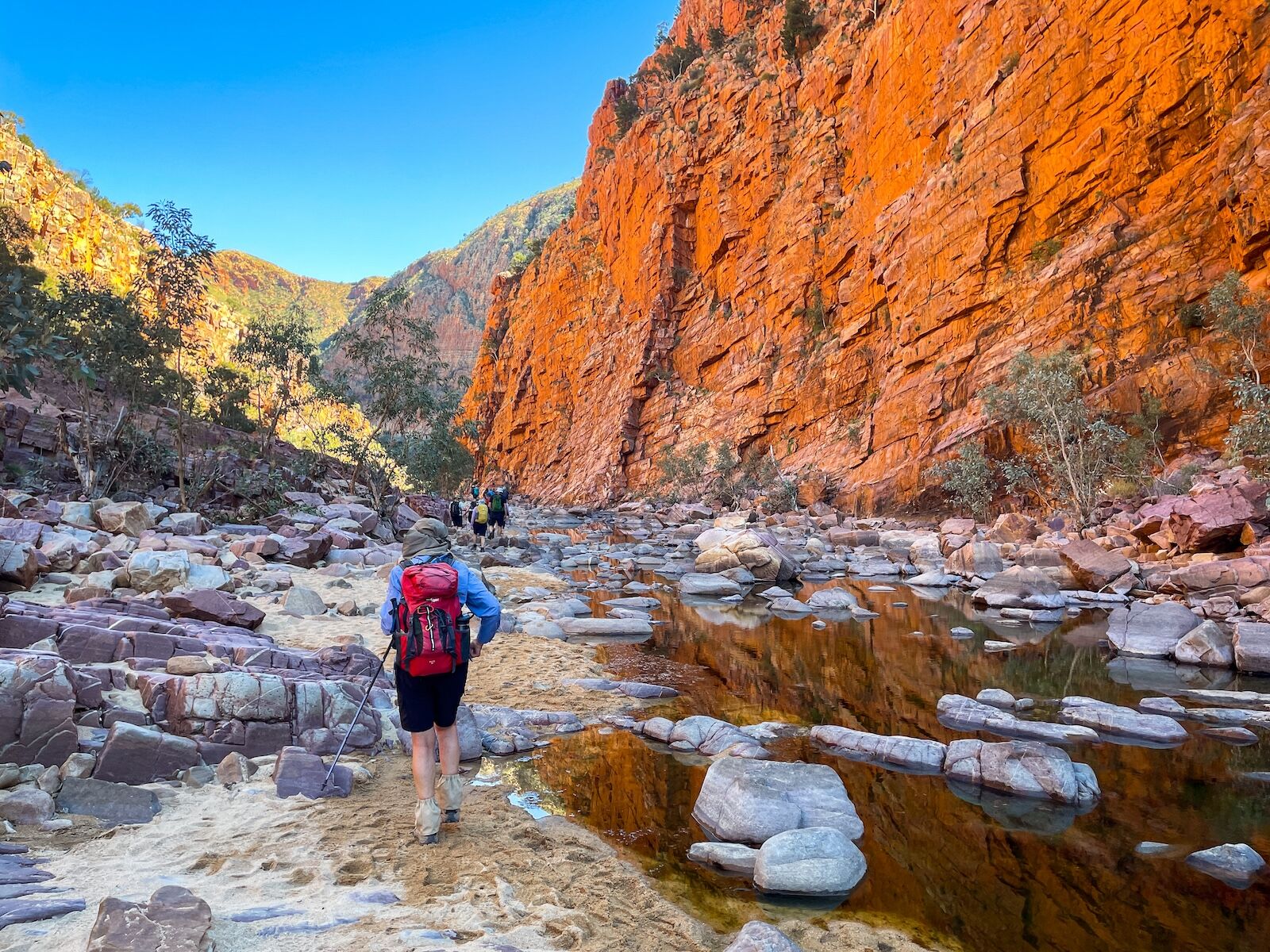
The use of fixed, eco-sensitive campsites minimizes the human footprint. By centralizing waste management and reducing the number of improvised campfires or trails, operators can protect the delicate crust of the desert floor.
2. Economic Empowerment
Guided trekking operations provide sustainable employment for local Indigenous populations, ensuring that the knowledge of the land is preserved and that the benefits of tourism are distributed locally rather than merely to international corporations.
3. Personal Transformation
The most significant implication, however, is personal. The Larapinta taught me that comfort and wildness are not mutually exclusive. By removing the obstacles of heavy lifting and logistical stress, I was able to confront my fears—of wildlife, of the elements, and of my own perceived limitations—and come out the other side with a newfound appreciation for the Australian interior.
The desert is not empty; it is full. It is full of life, history, and, if you are willing to slow down, a sense of perspective that is hard to find anywhere else on earth. I arrived in Alice Springs nervous about a spider and left with a soul-deep desire to return. The trail, with all its red dust and silent, ancient power, has a way of staying with you long after the boots are cleaned and the pack is stored away. My first multi-day hike was not just a checkmark on a bucket list; it was the beginning of a new relationship with the wild.