














































For decades, Barbados has occupied a singular niche in the Caribbean travel landscape. It is a destination that balances the polished allure of high-end resorts and UNESCO-protected heritage sites with an understated, deeply rooted local culture. However, a new narrative is emerging—one driven not by hotel chains, but by the voices of Barbadians who are actively shaping the island’s future. Through the lens of the Matador Network, we go beyond the postcard-perfect beaches to discover the artisans, chefs, and conservationists who define the true spirit of the island.
The Liquid Heritage: A Journey into Rum Culture
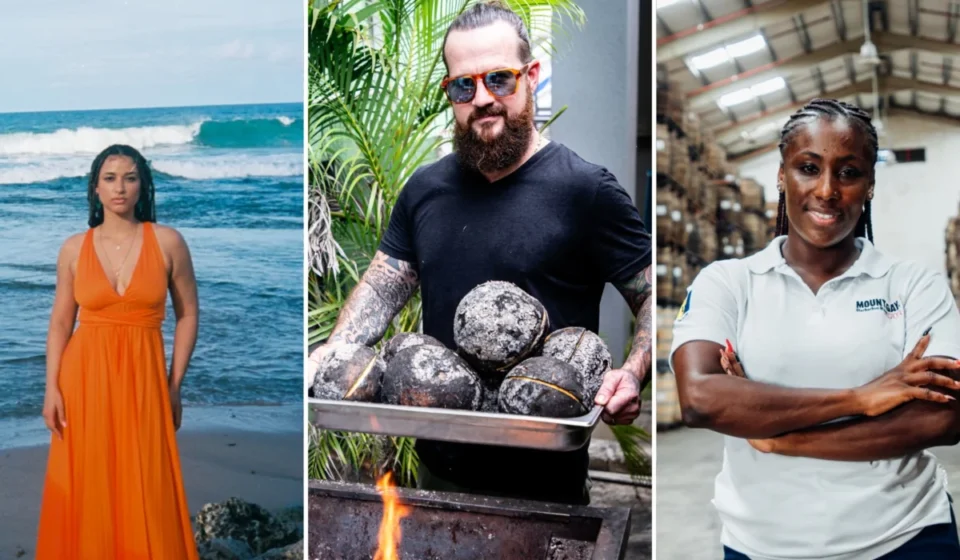
To understand Barbados, one must first understand the spirit that flows through its veins: rum. At the Mount Gay Distillery—the oldest continuously operating commercial rum distillery in the world—the history of the island is bottled. Tina Forde, a spirit associate at the facility, serves as a guide for visitors looking to understand the island’s most famous export.
The process here is more than just distillation; it is a custodial act of preserving a legacy that dates back to the 17th century. Yet, the appreciation of this liquid gold is not confined to sanitized tasting rooms. In social hubs like John Moore Bar in Weston, St. James, the real Barbados reveals itself. Here, locals engage in the rhythmic clatter of dominoes and spirited political debate over glasses of local rum. While tourists often flock to the opulent resort bars of the west coast, the true character of the island is found in these community spaces. They are not merely drinking holes; they are the island’s town squares, where the barrier between local and visitor dissolves over a shared pour of Bajan rum.
The Rhythms of the Atlantic: Creative Currents
Barbados is experiencing a renaissance of creative expression, one that mirrors the temperament of the sea itself. Krisirie, a local musician, finds her muse at Cattlewash Beach. Unlike the sheltered, turquoise bays typical of tourist brochures, Cattlewash is a rugged, mile-long stretch of the Atlantic coastline. It is untamed, undeveloped, and deeply spiritual.
"I would describe my music to be just like the ocean," Krisirie tells Matador Network. "It can have tides where it’s calm. And then it has moments where it’s strong and daring." Her artistic philosophy is emblematic of a broader shift among Barbadian creatives who are moving away from traditional "island-style" tropes to embrace a more nuanced, contemporary identity. She emphasizes that the goal for the next generation of Barbadian artists is to move beyond being a backdrop for tourism; they aim to be recognized for the authentic, real-time cultural contributions they are making to the global stage.
A Culinary Reclamation: The Rise of Indigenous Flavors
The culinary evolution of Barbados is perhaps most visible in its reclamation of historical ingredients. At Cocktail Kitchen in St. Lawrence Gap, Chef Damian Leach is at the forefront of a movement that prioritizes local produce, challenging the island’s historic reliance on imported goods.
A primary example is the breadfruit. Introduced by the British in 1793, the breadfruit was long viewed by locals as a symbol of colonial imposition. For generations, it was largely ignored. Today, however, it has been fully reclaimed. "Breadfruit is actually becoming more popular in restaurants now," Leach explains. "Heavily spiced, heavily seasoned—that’s our cuisine." By elevating humble, historical staples into fine dining, chefs like Leach are rewriting the narrative of Barbadian food, proving that the island’s most compelling flavors are those that have been grown, seasoned, and perfected by its own people.
The Ocean as an Anchor: Conservation and Identity
The connection between the Barbadian people and the ocean is not merely aesthetic; it is existential. Andre Miller, a marine scientist and PADI instructor with Barbados Blue Water Sports, views the preservation of the island’s reef ecosystems as a moral imperative.
"Barbadians, we have a very strong connection to the ocean," Miller notes. "The spirit of my beautiful island Barbados resides somewhere in that ocean." This connection is being tested by the global climate crisis. With coral bleaching and rising sea temperatures threatening the very ecosystem that sustains both the island’s fishing industry and its tourism sector, individuals like Miller are working on the front lines of conservation. Their work highlights a critical implication: the future of Barbadian tourism is inextricably linked to the health of its natural environment. Preservation is no longer a luxury; it is a necessity for national survival.
Chronology: The Evolution of a Tourism Powerhouse
The development of Barbados as a modern destination has followed a deliberate, steady trajectory:
- 17th–19th Century: Barbados establishes its reputation as the birthplace of rum, with Mount Gay Distillery (founded 1703) setting the standard for global production.
- Mid-20th Century: The island gains independence (1966) and begins to diversify its economy, shifting from a pure sugar-cane dependency toward a service-based economy with a focus on tourism.
- Late 20th Century: Barbados solidifies its status as a premium Caribbean destination, attracting luxury travelers while maintaining a distinct British-meets-Caribbean social structure.
- 2020–2024: Post-pandemic, the island sees a significant surge in arrivals, reaching approximately 478,000 overnight visitors in 2024, an increase of 10.6% over the previous year.
Supporting Data: The Scale of the Industry
When evaluating Barbados against its neighbors, the data highlights a unique positioning strategy. While the island is a major tourism player, it operates on a different scale compared to its Caribbean peers.
| Destination | 2024 Tourism Volume (Approx.) |
|---|---|
| Dominican Republic | 8.5 Million (Air Arrivals) |
| Jamaica | 4.3 Million (Total) |
| Bahamas | 11.22 Million (International) |
| Barbados | 478,000 (Overnight) |
This lower-volume, higher-value model is intentional. Barbados does not aim to compete with the high-density tourism models of the Dominican Republic or the Bahamas. Instead, it positions itself as an "upscale-accessible" destination. It remains more attainable than the exclusive, ultra-luxury enclave of Saint Barthélemy, yet more curated than a standard bargain-resort destination.
Official Perspectives and Implications
Government and tourism boards have increasingly leaned into "experiential travel." The message to the international community is clear: Barbados is not just a place to visit; it is a place to engage.
The implications of this strategy are significant. By promoting local chefs, marine scientists, and artists, the tourism board is successfully diversifying the island’s economic impact. It ensures that revenue from tourism is not siphoned entirely back into multinational resort chains, but is instead distributed among the creators and community members who make the island unique.
However, the challenge remains: how does the island manage this influx of visitors without diluting the very culture that attracts them? The answer, as presented by the voices in this narrative, lies in the deliberate inclusion of the local population in the tourism infrastructure.
Final Thoughts: The Road Ahead
For the prospective visitor, Barbados offers an invitation. It is an invitation to go beyond the resort gates, to sit at a local rum shop, to taste the spiced breadfruit, and to learn about the ocean from those who protect it. As Barbados continues to grow, it faces the same pressures as any developing tourism destination—balancing economic growth with environmental and cultural preservation.
Yet, if the current trajectory of its artists, chefs, and scientists is any indication, the "Real Barbados" is not fading away. Instead, it is becoming more visible, more confident, and more welcoming to those who are willing to look a little closer. Whether arriving at the bustling Grantley Adams International Airport or docking at the Port of Bridgetown, visitors are entering a landscape that is far more than a vacation spot—it is a living, breathing testament to Barbadian resilience and innovation.