
































From Weeds to Wonders: The Explosive Rise of Native Plant Gardening in the American Landscape

CHICAGO — Inside the historic Kilbourn Park greenhouse on Chicago’s north side, the air is thick with the scent of damp earth and the quiet hum of a transformation in progress. Renee Costanzo, the Chicago Park District’s sole full-time employee at this facility, grips a rusted iron pulley. With a rhythmic heave, she opens the greenhouse roof, allowing a surge of crisp spring air to wash over 12,000 seedlings nestled in plastic trays.
For months, these "babies," as Costanzo calls them, have been nurtured from seed to sprout. While the trays are filled with traditional favorites like marigolds and zinnias, a significant and growing portion of the inventory represents a radical shift in American horticulture. This year, nearly 20 percent of the plants ready for sale are native species—plants that evolved in the Illinois prairie long before the first skyscrapers touched the Chicago skyline.
What was once dismissed as "weedy" or "untidy" is now the hottest commodity in the gardening world. The recent Kilbourn Park annual plant sale didn’t just meet expectations; it shattered them. Typically drawing 1,100 people, this year’s event saw more than 2,300 shoppers lining up around the block, eager to trade $4 for a piece of ecological resilience.
Main Facts: A Record-Breaking Season for Biodiversity
The surge in interest at Kilbourn Park is not an isolated incident but a microcosm of a national movement. The 2024 plant sale season has revealed a burgeoning market for native flora, driven by a mixture of environmental urgency and a shifting aesthetic in home landscaping.
Key highlights from the recent surge include:
- Record Attendance: Attendance at local Chicago plant sales has more than doubled in a single year, with Kilbourn Park seeing a 109% increase in foot traffic.
- Economic Impact: The Kilbourn Park sale generated approximately $48,000 in revenue, nearly doubling its fundraising goal of $25,000. These funds are earmarked for a new outdoor learning center.
- Shifting Inventory: One in five plants sold at municipal sales are now native species, including milkweed, coneflowers, and various prairie grasses, up from negligible amounts a decade ago.
- National Market Growth: Leading native nurseries report a 350% increase in sales over the last seven years, signaling a permanent shift in consumer behavior rather than a passing trend.
The appeal of these plants lies in their biological "home-field advantage." Having adapted over millennia to the local climate, native plants require significantly less water, no synthetic fertilizers, and possess deep root systems that are essential for urban flood mitigation.
Chronology: From Niche Hobby to Mainstream Movement
To understand the current boom, one must look back at the decades-long "slow burn" of the native plant movement. For much of the 20th century, the American ideal of a garden was a manicured lawn accompanied by exotic, high-maintenance annuals.
The 1980s: The "Zero" Era
In 1982, Neil Diboll, now president of Wisconsin-based Prairie Nursery, began his journey into native horticulture. At the time, the market was virtually non-existent. "I’ve watched this for 44 years, from almost zero to now," Diboll recalls. In his first year, the company grossed just $13,000. Native plants were frequently confused with common weeds, and landscaping ordinances in many cities actually prohibited the growth of tall native grasses.
The 2000s: The Awareness Phase
As the effects of climate change and habitat loss became more documented, organizations like Wild Ones—which began as a small gardening club in Milwaukee—started to gain national traction. The conversation began to shift from "pretty flowers" to "functioning ecosystems." Gardeners started to realize that the decline of songbirds and pollinators was directly linked to the lack of native food sources in residential areas.
2017–2024: The Great Acceleration
In the last seven years, the movement hit a tipping point. Becky Klukas-Brewer, co-owner of Minnesota’s Prairie Moon Nursery, notes that their orders have tripled in this timeframe. The COVID-19 pandemic further accelerated this, as millions of Americans turned to their backyards as a form of therapy and environmental activism. By 2024, the Kilbourn Park sale proved that native plants are no longer just for "eco-warriors" but are the primary focus for the average suburban and urban gardener.
Supporting Data: The Economics of Ecological Restoration
The numbers behind the native plant industry suggest a robust and recession-resistant sector of the green economy.
Nursery Growth Metrics:
- Prairie Nursery (WI): Reported a 7% year-over-year increase in 2023, shipping over 500,000 plants and millions of seeds annually. Their revenue has grown from five figures in the 80s to multi-million dollar figures today.
- Prairie Moon Nursery (MN): Has seen a staggering 350% increase in sales since 2017.
- Wild Ones (National): This nonprofit now boasts 14,000 members and 107 chapters. In 2023 alone, their collective sales moved 110,000 native plants into private gardens, with an additional 40,000 distributed through community programs.
Environmental Impact Data:
Native plants are often marketed for their "utility" in a changing climate. For example, the root systems of native prairie plants like Big Bluestem can reach depths of 10 to 15 feet. In contrast, the roots of standard Kentucky Bluegrass turf reach only a few inches. This structural difference allows native gardens to absorb up to 90% more rainwater than traditional lawns, a critical factor for cities like Chicago and Minneapolis that face increasing "rain bombs" and flash flooding.
Official Responses and Expert Perspectives
Horticulturalists and environmental advocates agree that the shift toward native plants is a rational response to a degrading environment.
Tiffany Jones, who leads habitat education for the National Wildlife Federation in the Great Lakes region, emphasizes the practical benefits. "Native plants have been adapting to change for thousands of years," Jones said. "They need less water, less maintenance, and they’re incredibly resilient. They help flood prevention with their deep root systems and provide habitat for crucial species. They’re practical and beautiful."
From the perspective of the Chicago Park District, the success of the Kilbourn Park sale is a testament to community-led conservation. Renee Costanzo notes that the demand for natives has spiked specifically within the last five years. "People have asked for more natives, which is why we’ve been increasing our production," she explained.
The success is also attributed to the "Friends of Kilbourn Park Greenhouse," a volunteer group that provides the manual labor and fundraising muscle behind the sale. Lourdes Valenzuela, a retired schoolteacher and long-time volunteer, sees the work as a form of climate resilience. "We’re not fighting against the climate here. We’re working with it because it’s what’s native to this area," she said.
Implications: Changing the American Aesthetic
The "flying off the shelves" phenomenon of native plants suggests several long-term implications for urban planning and environmental health.
1. The Decline of the "Industrial Lawn"
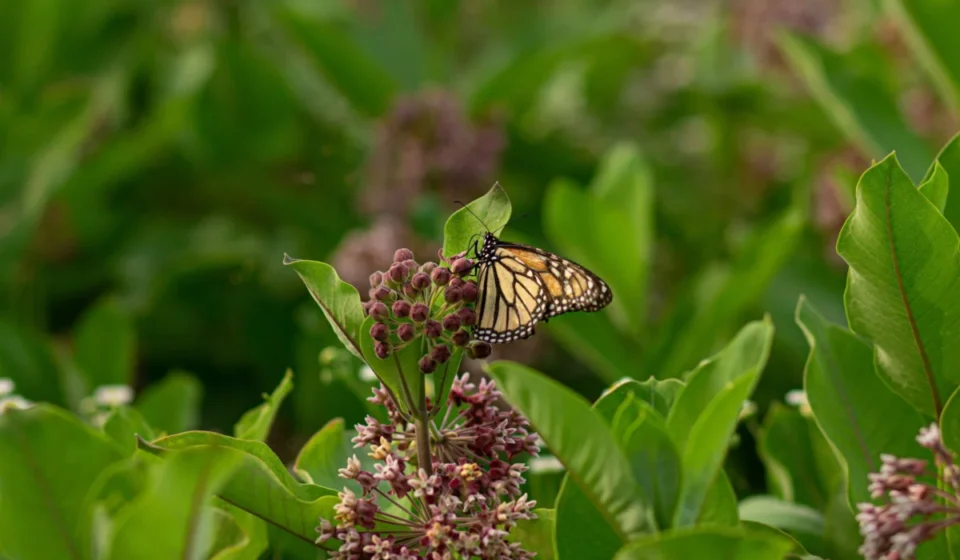
The traditional American lawn is the most irrigated "crop" in the United States, consuming vast amounts of water and pesticides while providing zero ecological value. The rise of native gardening signals a move toward "soft landscaping," where lawns are replaced by pollinator corridors. This shift is crucial for the survival of species like the Monarch butterfly, which relies exclusively on native milkweed to survive.
2. Urban Heat Island Mitigation
As cities face record-breaking summer heat, native trees and shrubs provide essential cooling. Unlike exotic species that may struggle and die during heatwaves, native flora is "hard-wired" to survive local extremes, ensuring that urban canopies remain intact and functional.
3. Economic Resilience for Local Nurseries
The high demand is creating a new localized economy. Because native plants are best sourced from local genotypes (seeds collected from the same region where they will be planted), the industry favors local growers over massive, centralized "big box" nursery chains. This keeps horticultural spending within the community.
4. A New Definition of Beauty
Perhaps the most profound implication is cultural. For decades, a "good" garden was one that looked controlled and static. Today, a "beautiful" garden is increasingly defined by its activity—the presence of bees, butterflies, and birds. As Renee Costanzo and her team at Kilbourn Park prepare for next year, they are already planning to expand their native species list.
The rusty pulley at the Kilbourn Park greenhouse may be old, but the movement it helps ventilate is brand new. As the greenhouse roof opens each spring, it doesn’t just let in the air; it signals the continued growth of a landscape that is finally beginning to look like home again. By choosing plants that belong, Chicago’s gardeners are proving that the most radical act of environmentalism might just be happening in a four-dollar plastic pot.