


















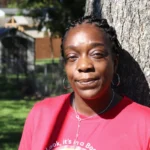

























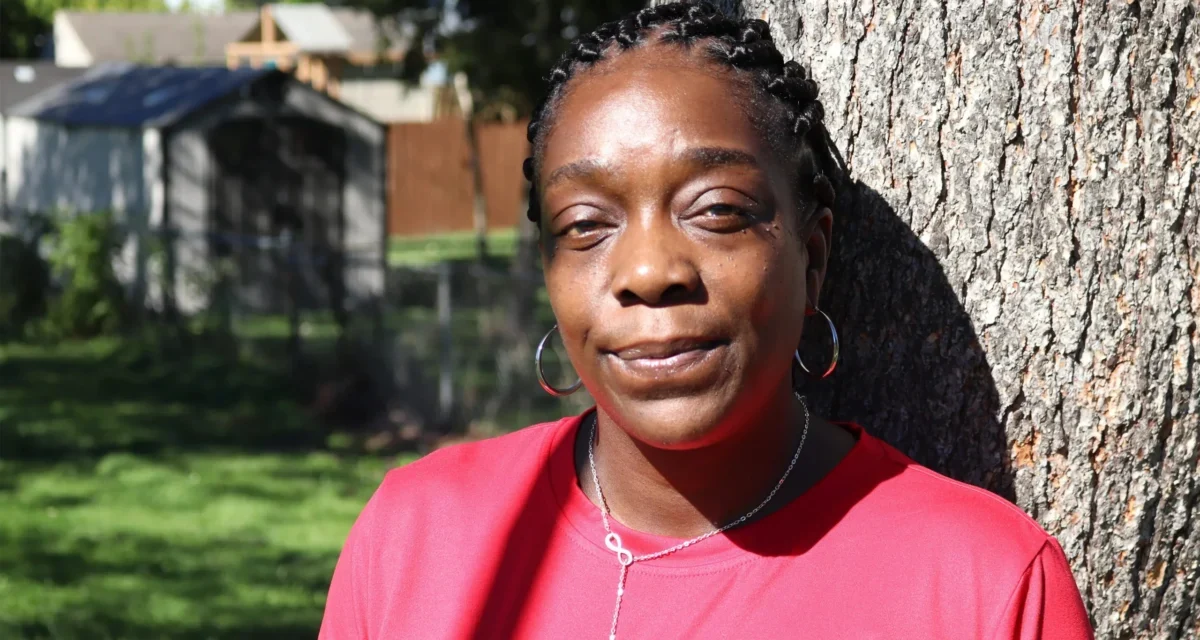





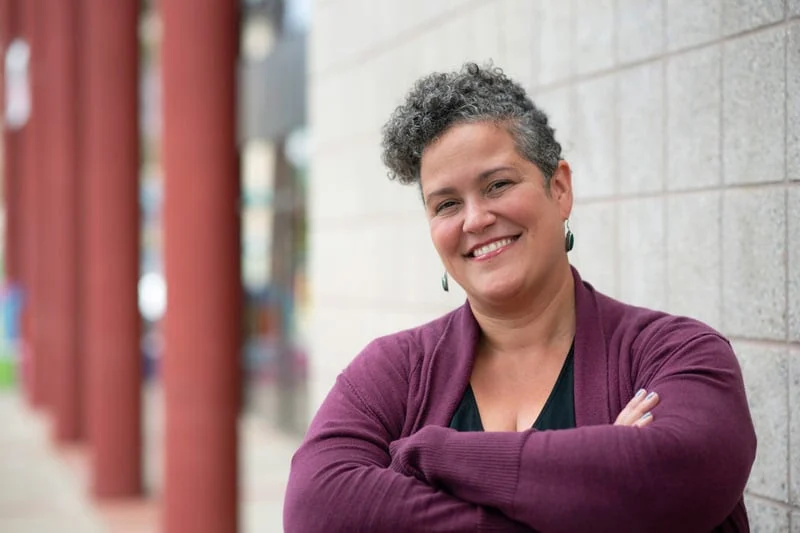

In an era where university theater programs are facing existential threats—ranging from being absorbed into larger departments to outright elimination—the traditional narrative suggests that an advanced degree in the performing arts is a precarious professional path. Yet, Signe Harriday’s recent appointment as the President and CEO of Pillsbury United Communities (PUC) challenges this pessimistic outlook. By trading the director’s chair for the executive suite of one of the Twin Cities’ oldest and most influential nonprofits, Harriday is proving that the skill set honed in the theater is not just applicable to social enterprise—it is essential.
Main Facts: A Visionary Takes the Helm
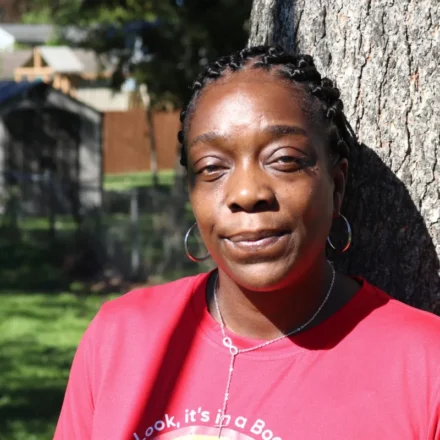
On June 23, Pillsbury United Communities announced that Signe Harriday would step into the role of President and CEO. This promotion comes after a quarter-century of deep involvement with the organization. PUC is a sprawling entity that acts as a vital backbone for the Twin Cities, managing an expansive portfolio of community centers, charter school oversight programs, and specialized social enterprises.
Harriday’s trajectory within the organization has been marked by a unique synthesis of art and administration. After years of working as an actor, director, and educator with the organization’s cultural arm, Pillsbury House + Theatre, she was appointed as its artistic producing director in 2021. In the year leading up to her CEO appointment, she balanced those artistic responsibilities with the management of PUC’s diverse business ventures, including KRSM Radio, the Full Cycle Bike Shop, and North News.
The Chronology of a Career
Harriday’s professional journey is a testament to the power of a multidisciplinary background. Her academic foundation was built at St. Olaf College, followed by an MFA in Acting from the A.R.T. Institute for Advanced Theater Training—a prestigious collaborative program between the American Repertory Theater, the Moscow Art Theatre, and Harvard University.
Following her graduate studies, she honed her skills at the renowned Mixed Blood Theatre, where she simultaneously performed on stage and spearheaded audience development and public relations initiatives. This dual exposure to the creative and administrative sides of theater set the stage for her long-standing relationship with Pillsbury United Communities.
Over the past 25 years, Harriday has evolved from a creative practitioner to a high-level executive. Her tenure as artistic producing director of Pillsbury House + Theatre was instrumental in the $5.7 million development of the Pillsbury Creative Commons on Chicago Avenue—a hub designed to foster technical workforce development and house creative entities like KRSM Radio. Her ascent to the CEO position is viewed by the board as the natural culmination of a career spent listening to the "needs of the moment."
Supporting Data: The Art of Leadership
Harriday’s leadership philosophy is rooted in the collaborative nature of theater production. Rather than viewing the CEO role as a top-down mandate, she approaches it as a director approaching a new script.
"As a director and a producer, it is actually not my job to build the set, to design the set, to build the costumes, to even perform the show," Harriday noted in a recent interview. "It’s actually my job to inspire the greatest performance or the best idea in the room, and then help the team find a way to make that real."
This "director-as-facilitator" approach is bolstered by her work outside the nonprofit sector. As a co-founder of the Subversive Sirens—a synchronized swimming team dedicated to Black liberation, queer visibility, and body acceptance—and a founding member of Rootsprings, a sanctuary for BIPOC artists and activists, Harriday has consistently demonstrated an ability to organize around complex, mission-driven social issues.
Her childhood ambition of becoming a fire truck—a metaphor for her desire to show others what can be achieved collectively rather than individually—remains a cornerstone of her identity. "Don’t tell me what I can do," she often says. "I’m going to show you what we can do."
Official Responses and Board Perspective
Kaori Yamada, the Board Chair of Pillsbury United Communities, has been a vocal supporter of Harriday’s transition. Yamada emphasizes that Harriday’s ability to cast a compelling vision is what set her apart during the search for a new leader.
"I think she will continue to bring this organization into what it always has done, which is to innovate and be creative and listen to the needs of the moment," Yamada stated.
The board has relied on Harriday’s strategic thinking throughout complex transitions, including the navigating of the North Market community grocery store project in North Minneapolis. While the project is currently on hold, Yamada pointed to Harriday’s role in the planning phases as evidence of her capability to handle the intense strategic pressures of large-scale community investment.
Reflecting on her own educational debt, Harriday provides a grounded, often humorous perspective on the value of her training. "I just finished paying off my graduate student loans," she shared. "People tell me, ‘Oh you have such a great voice.’ I’m like, ‘I paid for this.’" Her acknowledgment of the financial burden of the arts is paired with a fierce commitment to ensuring that artists are represented in high-level leadership positions.
Implications: A New Era for the Arts and Nonprofits
Harriday’s appointment arrives at a critical juncture for both the arts and the nonprofit sectors. With funding landscapes shifting and venues facing closures, the integration of arts-based leadership into the broader nonprofit sector may be a blueprint for survival.
Harriday argues that being housed within a larger organization like PUC has provided a level of stability that independent arts groups often lack. "Our ability to radically pivot when we’ve needed to, both during COVID and during the global uprising… that kind of longevity has allowed us to have nimbleness and agility," she explained.
However, she remains a realist. She does not believe that the arts ecosystem will return to its pre-pandemic state, nor does she believe that nonprofits can afford to remain static. "I think that the arts ecosystem and the nonprofit sector will look different, and so will Pillsbury in the future," she said. "I couldn’t predict exactly what that will be, but I think it would be naive to think that with all the pressures and all the things that make this moment hard and challenging and difficult, that we will somehow be the same on the other side."
The Road Ahead: Community Engagement
As Harriday settles into her new role, the conversation about the future of local arts continues. Pillsbury House + Theatre remains a central player in the ongoing dialogue regarding arts funding, venue accessibility, and media coverage.
In a proactive effort to address these systemic issues, the organization is participating in a roundtable event on July 8 at the Mixed Blood Theatre. Organized in the spirit of the "Frankly Speaking" series, the event invites local leaders and community members to engage in transparent discussions about the future of the Twin Cities’ cultural landscape.
For those watching the intersection of community advocacy and the arts, Signe Harriday’s leadership serves as a beacon. By bringing the empathy, collaborative spirit, and radical imagination of the theater into the boardroom, she is not merely filling a vacancy; she is rewriting the job description for the modern nonprofit executive. In the face of budget cuts and institutional instability, her message is clear: the most effective leaders are those who know how to draw out the best in everyone, turning every challenge into a stage for collective action.