















































For many travelers, tequila is a spirit relegated to the archives of collegiate indiscretion—a sharp, stinging memory best left in the past. For years, I counted myself among that demographic. Despite my deep, enduring love for Mexico, my relationship with its national spirit remained superficial at best. That changed during a recent getaway to the Riviera Nayarit, where I discovered that tequila is not merely a party propellant, but a complex, storied craft that demands the same reverence afforded to fine scotch or cognac.
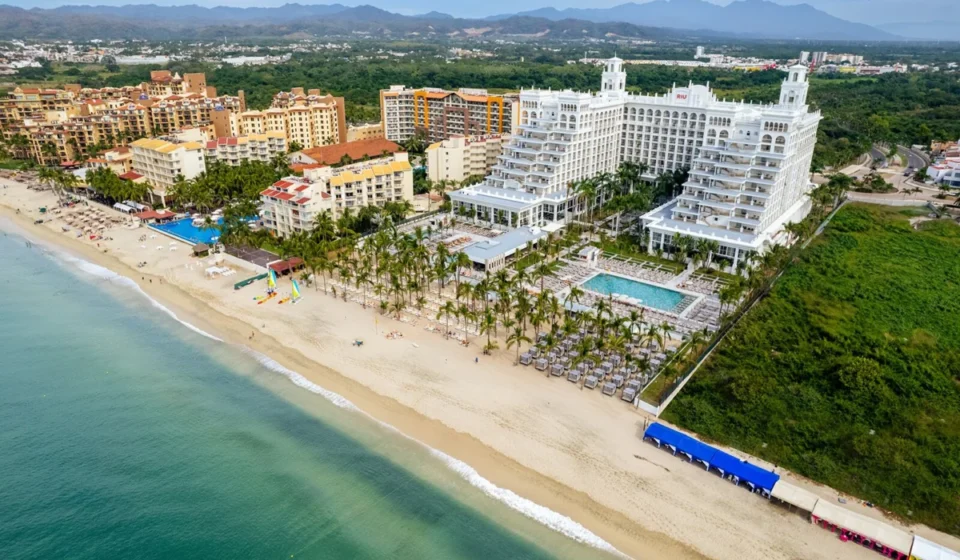
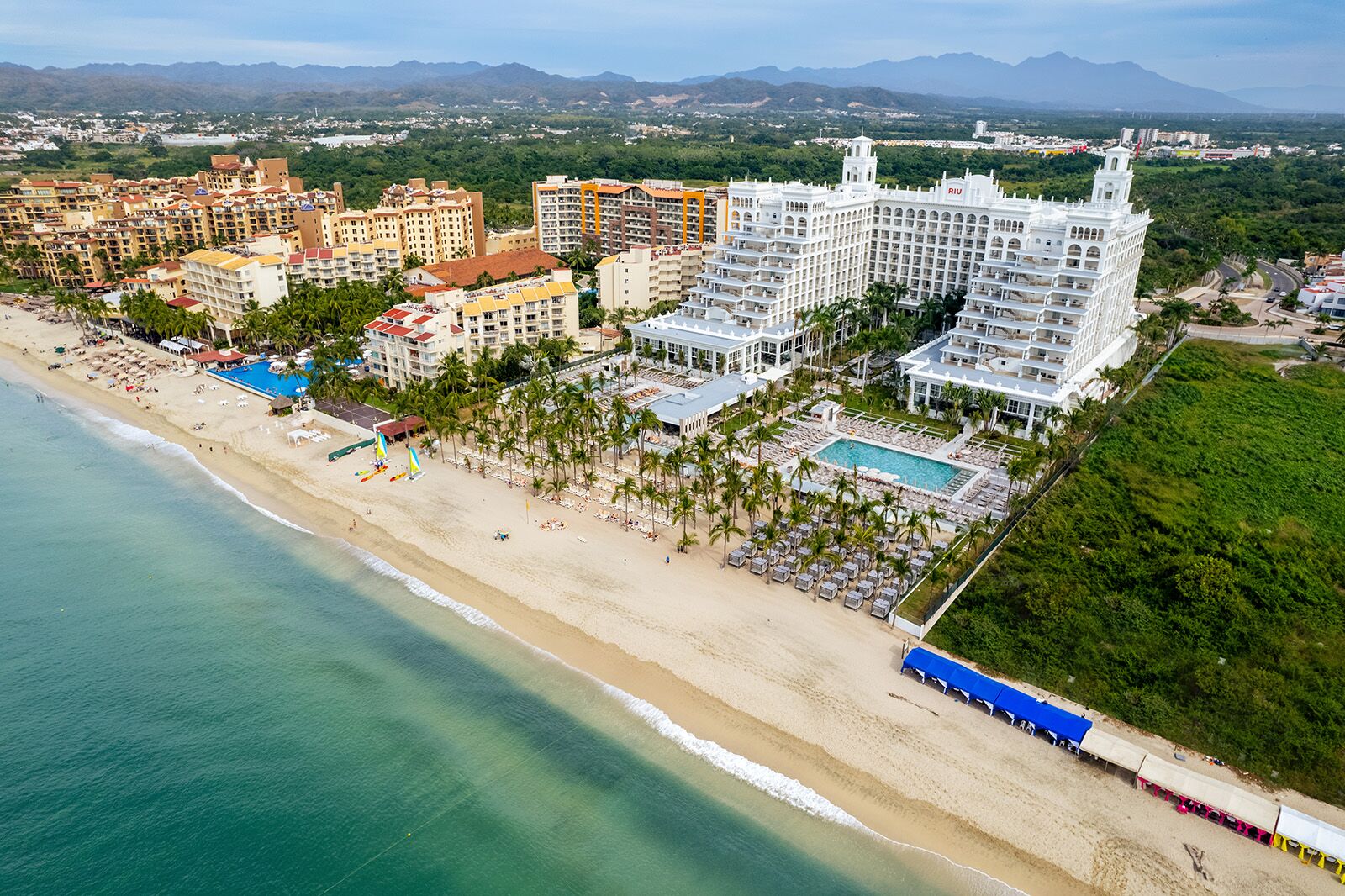
My journey toward this realization began at the Hotel Riu Palace Pacifico, a sanctuary of adults-only serenity located just 30 minutes north of the Puerto Vallarta airport. It was here, standing beside a Jose Cuervo master mixologist, that I realized my previous experiences were a mere caricature of a much grander tradition.
Main Facts: The Intersection of Luxury and Legacy
The setting for this education was the annual "Margarita Season," a collaborative venture between CheapCaribbean Vacations and the legendary Jose Cuervo distillery. The goal was simple: to elevate the perception of the margarita while simultaneously peeling back the layers of tequila’s cultural significance.
The Riu Palace Pacifico provided the perfect backdrop for this immersion. As an all-inclusive, adults-only property, it offers a level of seclusion that allows for genuine engagement with the local culture. With its sprawling pools, private beach access, and a culinary program that spans the globe, the resort serves as a microcosm of Mexican hospitality. The resort’s "Elite Club" experience—featuring private lounges, exclusive dining terraces, and dedicated beach cabanas—provided a necessary reprieve for a mother of a young child, allowing me to finally silence the "mom brain" that usually accompanies travel.
Chronology: A Three-Day Tequila Intensive
My transformation from a skeptic to an aficionado did not happen overnight. It was a structured, three-day evolution.
Day One: The Fundamentals of Mixology
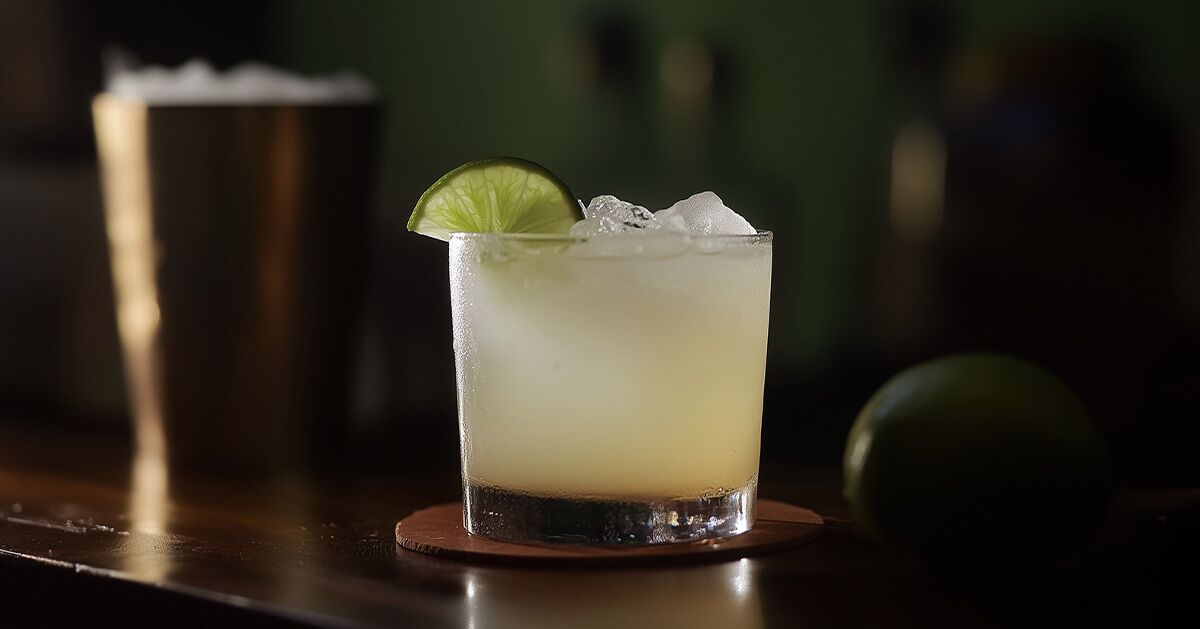
The trip began with a hands-on workshop behind the bar. Under the watchful eye of a Jose Cuervo master mixologist, I learned the alchemy of the perfect margarita. It is a delicate balance of citrus, sweetness, and high-quality spirit. Shaking my first drink—a classic recipe followed by a vibrant passionfruit variation—I learned that the quality of the tequila is the deciding factor in whether a cocktail is a sugary mask or a sophisticated refreshment.
Day Two: The Cultural Context
The second day shifted from practice to theory. Engaging in conversation with Ara, a career professional with Jose Cuervo, I learned about the history of the Cuervo family, who have been producing tequila for over 250 years. We discussed the town of Tequila in Jalisco, the epicenter of the industry. She explained the stark differences between various aging methods—Blanco, Reposado, and Añejo—and how these processes transform the raw agave into a spirit with nuance, depth, and character. It was here that the myth of the "shot" was dispelled; fine tequila is a sipping spirit, not a race to the finish line.
Day Three: The Practical Examination
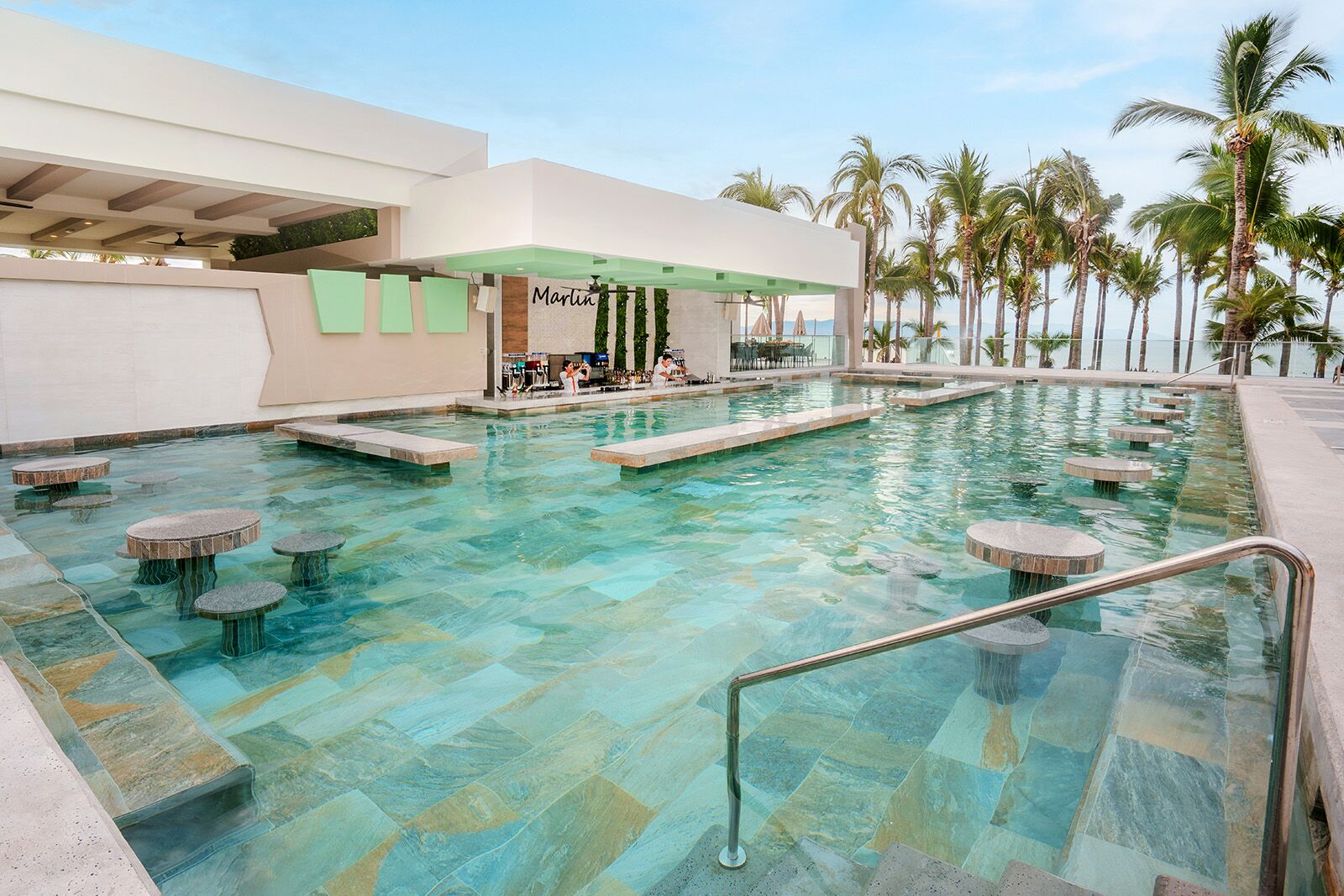
The final day culminated in a National Tequila Day celebration. The pool deck at Riu Palace Pacifico was transformed into a festival of music and mixology. Seeing the craft applied on a mass scale—with guests enjoying well-balanced cocktails while foam bubbled in the pools—felt like the ultimate final exam. By this point, I was no longer just drinking a margarita; I was analyzing the agave notes and the citrus integration.
Supporting Data: Why Riviera Nayarit is the Ideal Classroom
The Riviera Nayarit is uniquely positioned to host such an education. Unlike the frenetic pace of downtown Puerto Vallarta, the coast north of the city offers a more refined, quiet luxury.
- Resort Infrastructure: The Riu Palace Pacifico manages to bridge the gap between high-energy entertainment and quiet relaxation. Guests can move seamlessly from the serenity of their private balcony—overlooking the Pacific—to the social hub of the swim-up bar.
- Sustainability and Accessibility: The ability to move between the Riu Palace Pacifico, the Riu Vallarta, and the Riu Flamingos via shuttle service provides guests with a diversity of environments without the logistical stress of navigating a foreign city.
- Culinary Versatility: The dining options at the resort, particularly The Steakhouse, highlight the versatility of Mexican produce and proteins. The pairing of high-quality grilled meats with curated tequila flights demonstrates the spirit’s potential as a dinner companion rather than just an aperitif.
Official Perspectives: The Industry Shift
The "Margarita Season" initiative is indicative of a broader industry shift toward "premiumization." For decades, the global market viewed tequila as a commodity. Today, producers like Jose Cuervo are investing heavily in educational tourism. By operating properties like the Hotel Solar de las Ánimas in the town of Tequila, the industry is encouraging travelers to look past the label and understand the soil, the blue agave harvesting process, and the generational expertise that goes into every bottle.
According to experts in the field, the modern consumer is no longer satisfied with "tequila" as a monolith. There is a growing demand for transparency regarding production methods—such as the difference between stone-oven cooking and autoclave steaming—and the regional terroir of the Jalisco Highlands versus the Lowlands.
Implications: The New Era of Tequila Tourism
The implications of this trip extend beyond my own personal growth as a drinker. It signals a shift in how we approach "all-inclusive" travel. Traditionally, these resorts were viewed as places to unplug and disengage. However, when paired with high-quality cultural programming—like a deep-dive into the history of spirits—the all-inclusive model becomes a powerful tool for education.
By fostering an environment where guests can learn about the history of the Cuervo family and the nuances of agave production, the Riu Palace Pacifico is helping to change the narrative around Mexican tourism. It is moving the conversation from "vacation as an escape" to "vacation as an enrichment."
For those who, like me, were once haunted by a bad college experience with cheap tequila, I offer this advice: return to the source. When you drink tequila in its proper context—surrounded by the ocean breeze of the Pacific, guided by those who have spent lifetimes mastering the craft, and served with respect for the tradition—it is a completely different beverage.
As I sat on my balcony on my final morning, watching the waves roll into the shore with a quiet coffee in hand, I reflected on the lesson learned. Tequila is not just a drink; it is a reflection of the land, the labor, and the history of Mexico. And yes, it is also a damn good margarita.