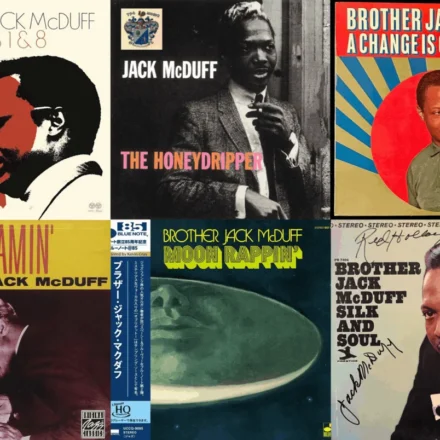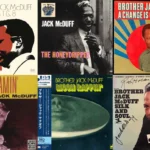











































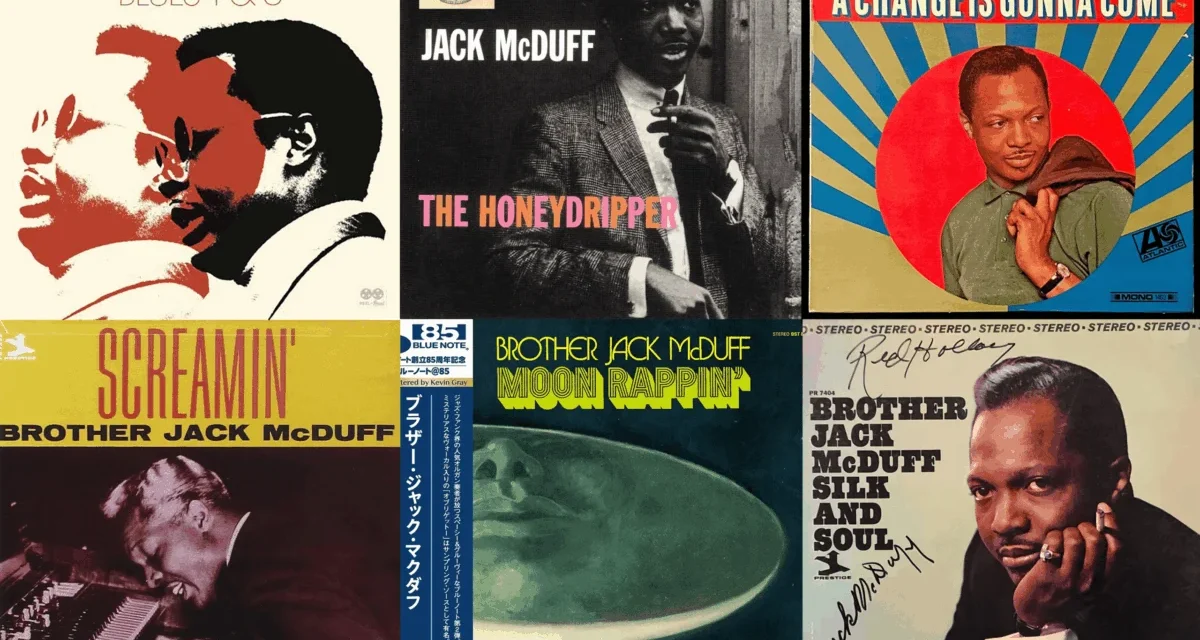




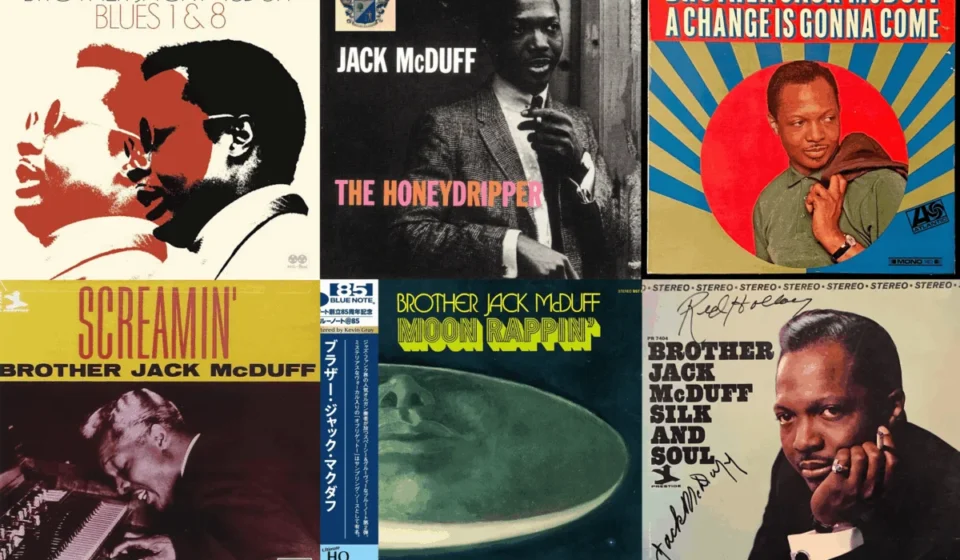

On September 17, the jazz world marks the centennial of Brother Jack McDuff, a titan of the Hammond organ who defined the hard-bop and soul-jazz sound of the 1960s. While history books often focus on his scorching early-career output alongside guitar prodigy George Benson and tenor saxophonist Red Holloway, there is a more profound, human story hidden in the archives of his later years. It is a story of a musical icon finding redemption in the unlikeliest of places: the quiet, bracing air of Minneapolis, Minnesota.
The Whirlwind Years: From Harlem to the Heartland
In the early 1960s, Jack McDuff hit the national nightclub circuit like a force of nature. He was the quintessential bandleader—slick, impeccably dressed, and possessing a swagger that matched the rhythmic intensity of his music. He blended the sharp, sophisticated bite of hard bop with the deep, visceral "fatback" blues of the organ-jazz craze. His quartet was a breeding ground for future legends; it was under McDuff’s rigorous tutelage that a teenage George Benson first began crafting the agile, melodic licks that would later make him a global superstar.
However, by the late 1980s, the luster of that golden era had begun to tarnish. The music industry had shifted, and New York City—McDuff’s base—was reeling under the weight of the crack cocaine epidemic, rising crime rates, and a volatile political climate. For a working jazz musician, the landscape was bleak. The rise of punk and new wave had pushed traditional jazz into the shadows, and for McDuff, the pressures of the road had manifested into personal battles with substance abuse. His career had stalled; the recording contracts had dried up, and his once-unassailable reputation was beginning to fray.
A Chance Encounter and a New Trajectory
The pivot point in McDuff’s life arrived via Kenny Horst, a seasoned local drummer and co-owner of the now-legendary Minneapolis jazz club, the Artists’ Quarter (AQ). Having been a fan of McDuff’s since seeing him perform in St. Paul in the 1960s, Horst began booking the organist for the AQ in the late 1980s.
It was during one of these residencies that McDuff met Kathy Ann Johnson. A local resident who lived just blocks from the club, Johnson became a regular patron. Their meeting was classic, cinematic, and entirely transformative.
"He came up to me and started talking," Johnson recalls. "During the band’s first break, he came back with a glass of wine for me. On a later break, he asked if I wanted a ride home." That initial connection sparked a whirlwind romance that would eventually lead to McDuff relocating from Harlem to South Minneapolis in 1990.

For the people who knew McDuff best, this move was more than just a change of scenery; it was a life-saving intervention. Saxophonist Jerry Weldon, a long-time member of McDuff’s ensemble, reflects on the period with raw honesty: "He needed the change. There was a period where he wasn’t recording or playing very much. She saved him. No question about it. I don’t think I’m being dramatic. She cleaned him up."
Domesticity and the Creative Bloom
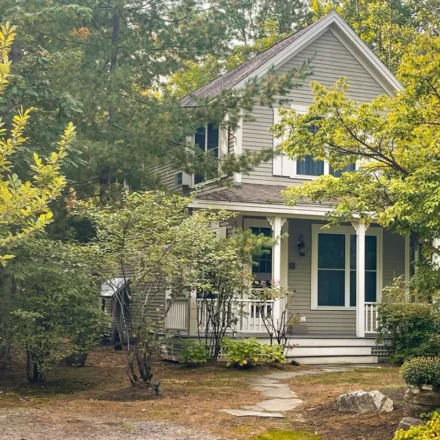
Once settled in Minneapolis, McDuff experienced a profound artistic renaissance. Johnson, recognizing the necessity of his craft, cleared a room in their apartment, turning it into a dedicated sanctuary for his instruments. Here, away from the temptations and noise of New York, McDuff returned to the fundamentals of composition.
"He’d be behind that organ, and with the keyboards, all day," Johnson says. "He got up before I would and kept the sound down so he wouldn’t wake me."
This period of stability fundamentally changed his sound. The man who had once been known for the raw, jump-blues energy of hits like "Rock Candy" began to lean into deeper, more complex arrangements. His compositions from this era, such as "Spec-Tator," showcased a sophisticated, modernist harmonic language that stunned his peers.
Pat Bianchi, an organist and McDuff devotee who is currently spearheading a Centennial Celebration tour, notes the brilliance of this output. "Compositionally, he was in full bloom," Bianchi says. "He was writing constantly with creative, unique structures. It was a very fertile period."
Professional Strategy: The "Captain" Takes Command
As he matured, McDuff adopted a new persona: "Captain Jack McDuff." The name, inspired by his admiration for Count Basie, was more than just a moniker; it reflected a newfound sense of self-discipline.

To manage his career, McDuff relied on his manager, John McCauley, and forged a strategic partnership with Lowell Pickett of the Dakota, another pillar of the Twin Cities jazz scene. To protect McDuff from the exhaustion of constant gigging, they orchestrated a schedule that prioritized quality over quantity.
"We made an arrangement to fly in his band, The Heatin’ System, four times a year on weeknights for a two-night stand," Pickett explains. "We could charge more for tickets and pay him accordingly. When people would ask him to come out and play on off-nights, he didn’t have to be the bad guy—he could say, ‘No, the Dakota won’t let me.’"
This structure allowed McDuff to maintain the professional rigor he had honed during his military days in the Navy. His bandmates, including Andrew Beals and Jerry Weldon, noted that he was as demanding as ever. "School was out and this was a professional band," Beals recalls. "He knew thousands of tunes and could reharmonize a standard in such a beautiful, rational way."
Implications: A Legacy of Mentorship
As the 1990s progressed, the public began to take notice of the "new" Jack McDuff. His reunion with George Benson and Red Holloway, followed by a string of high-quality releases for Concord Records, cemented his late-career comeback. The ballad "The Room, For Kathy," recorded during this era, remains a poignant testament to the relationship that anchored his life.
McDuff’s influence, however, extended far beyond his own recordings. Much like Art Blakey, the legendary drummer who nurtured generations of jazz talent, McDuff was a vital educator on the bandstand. From Paul Bollenbeck and Dave Stryker to Mark Whitfield and John Hart, the list of guitarists who learned the ropes in a McDuff band is a "who’s who" of jazz history.
"He doesn’t get enough credit for bringing people along and educating them on the bandstand," says Bianchi. "He was the Art Blakey of the jazz organ world."

The Final Years: A Lasting Impression
The end of McDuff’s life was marked by the same resilience that defined his career. After a debilitating stroke in 1998, he remained a presence in the community, though his physical health declined. He spent his final months in a care facility, with Kathy Johnson providing unwavering support until the end.
Today, as we look back on his centennial, the story of Jack McDuff is not just one of a musician who mastered the Hammond organ. It is a story of how a city, a partner, and a renewed sense of purpose can pull an artist back from the brink. The "invisible threads" of his influence—the musicians he trained, the arrangements he penned in his South Minneapolis living room, and the lives he touched—continue to vibrate through the jazz community.
Jack McDuff may have been a creature of the nightclub circuit, but it was in the quiet, supportive embrace of his life in Minnesota that he found his true voice. He arrived as a whirlwind, but he left as a captain who had successfully steered his ship through the storm and into a final, graceful harbor. His legacy, both musical and personal, serves as a powerful reminder that it is never too late for an encore—or a second act.