










































Beyond the Moscone: How TechCrunch Disrupt 2026 is Turning San Francisco into a Global Innovation Hub

The main stage lights at San Francisco’s Moscone West may be the focal point of TechCrunch Disrupt 2026 from October 13–15, but for the global tech community, the conference has evolved into something far more expansive. This year, the "Disrupt experience" has effectively colonized the city, transforming San Francisco into a sprawling, multi-day networking engine through an ambitious Side Event program.
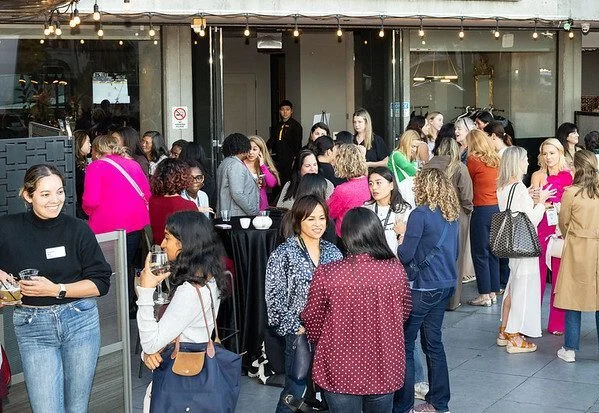
From intimate rooftop mixers for venture capitalists to high-tech demos featuring robotic bartenders and holographic displays, these satellite events are designed to bridge the gap between formal keynote presentations and the organic, high-stakes networking that defines the modern startup ecosystem.
The Evolution of Disrupt: A City-Wide Takeover
TechCrunch Disrupt has long served as a pilgrimage for founders, investors, and operators. However, the 2026 edition represents a strategic pivot toward "community-first" engagement. By curating a massive roster of side events, organizers are ensuring that the conversations started on the show floor continue long after the Expo Hall doors lock for the evening.
The strategy is clear: provide value beyond the standard panel format. While the Moscone center hosts the industry’s heavy hitters, the city itself becomes a classroom and a laboratory. Whether it is discussing the nuances of embedded payments at a ping-pong bar or analyzing the impact of agentic AI at an evening mixer, the side events are where the real-world application of Silicon Valley’s latest trends is hashed out.
A Chronological Roadmap: Navigating Disrupt Week
The density of programming requires a strategic approach. To assist attendees in navigating the schedule, we have compiled the highlights of the week, organized by date.
The Pre-Conference Warmup (October 11–12)
The weekend leading into the conference sets a high-energy tone.
- Sunday, Oct 11: The innovation starts early with the "Happy Hour with AI-Created Drinks," where robotic bartenders provide a glimpse into the automation of service industries. This is followed by the EPIC SF Demo Night, a high-pressure environment where ten early-stage startups compete to prove their "moat" to an audience of seasoned venture capitalists. Simultaneously, the European Startup Embassy hosts an international reception, highlighting the global nature of this year’s cohort.
- Monday, Oct 12: The focus shifts to the future of labor. The "Future of Work Social Mixer" offers an exploration of robotics and agentic AI, while the "Open to Work: The Game Show" provides a unique, gamified twist on the traditional job hunt, removing the awkwardness often associated with cold-call networking.
Mid-Conference Pulse (October 13–14)
As the main event kicks off, the evening programming takes a more specialized turn.
- Tuesday, Oct 13: The schedule caters to niche interests. AI founders and accredited investors can retreat to "SF Exclusive VIP Drinks," an invite-only environment designed for high-level deal flow. For those looking at the defensive side of technology, the "Attacks Never Arrive" happy hour tackles the growing threats of deepfakes and prompt injection in AI systems.
- Wednesday, Oct 14: The midweek lineup features some of the most anticipated mixers, including the "Ecosystem Mixer" hosted by Peak XV and the "Liquid Assets" cocktail party, which purposefully eschews programming in favor of pure connection. Later in the evening, the "Hardtech After Party" celebrates the resurgence of physical hardware, from medtech to wearables.
The Closing Sprint (October 15)
Even as the main conference wraps, the networking momentum remains high.
- Thursday, Oct 15: The final day emphasizes sustainability and long-term strategy. "NachoThursday" provides a final, relaxed venue for SaaS founders and C-suite leaders to debrief on the week’s events. Meanwhile, the "Korea Emerging Tech Showcase" spotlights global market integration, featuring rapid-fire pitches from startups operating in clean tech and advanced industrial solutions.
Supporting Data: Why Side Events Matter
The shift toward satellite events is backed by data indicating that modern tech professionals prioritize "low-friction" networking over traditional, rigid lecture formats. According to recent industry surveys, nearly 70% of conference attendees report that the most valuable connections made during tech weeks occur in informal settings rather than during scheduled Q&A sessions.
Furthermore, the participation of heavyweights like NMI, Backblaze, PeakXV, and Augment as event hosts signifies a shift in corporate marketing. Companies are moving away from massive, expensive booth presence in favor of hosting smaller, targeted "experience-based" events. By sponsoring a mixer or a private dinner, these brands are gaining deeper access to high-quality leads and fostering brand loyalty in a way that a passive exhibition stand cannot replicate.
Official Perspectives: Building the Future
TechCrunch’s editorial stance on these side events is that they represent the "human side" of the digital revolution. By removing the stage, the microphones, and the rehearsed slides, the organizers are attempting to lower the barrier to entry for serendipitous innovation.
"Disrupt is where the community comes together to build, debate, and connect," says a representative from the event’s coordination team. "While the main stage provides the vision, the side events provide the human connection. We are seeing a massive demand for spaces where founders can speak candidly about the challenges of scaling, the reality of AI implementation, and the difficulties of fundraising in a tightening market."
Implications for the Tech Ecosystem
The implications of this decentralized event model are profound. First, it forces a change in how attendees view the value of their time. If the "real" conversations are happening at a ping-pong bar or a rooftop lounge, the role of the conference pass changes from "access to information" to "access to a network."
Second, this model encourages cross-pollination. An attendee focused on AI might find themselves at a hardtech mixer, leading to a new, interdisciplinary partnership that might not have occurred in a siloed conference hall. The blurring of lines between industry sectors—robotics meeting SaaS, or venture capital meeting content creation—is the defining feature of the 2026 tech landscape.
A Final Word to Attendees
As the schedule continues to evolve with new additions added weekly, attendees are encouraged to treat the official chronological schedule as a living document.
While the allure of the main event is undeniable, the savvy attendee will look to the periphery. Whether it is a late-night AI debate or an early-morning startup demo, the 2026 side events offer a masterclass in modern networking.
Pro-tip for navigating the week:
- Curate your calendar early: Many of the high-demand, invite-only events reach capacity weeks in advance.
- Prioritize intimacy over quantity: Choose events where you can have long-form conversations rather than trying to visit five different mixers in one evening.
- Follow the community leaders: Follow the official event hosts on social media, as last-minute venue changes or "pop-up" events are frequently announced during the week of the conference.
TechCrunch Disrupt 2026 is no longer just a three-day conference; it is a week-long immersion into the beating heart of the startup world. For those prepared to engage with the city as much as the stage, the potential for growth, investment, and partnership is limitless.