















































Alberta Votes on Its Future in Canada: Polling, Politics, and the Persistent Separatist Movement

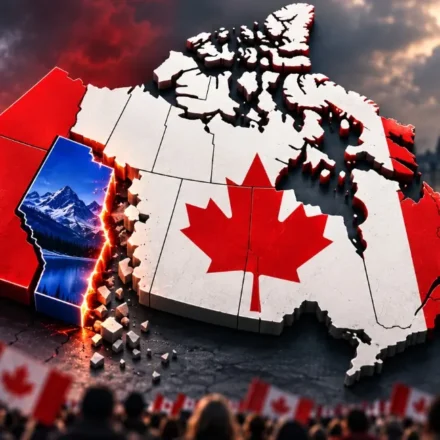
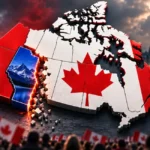
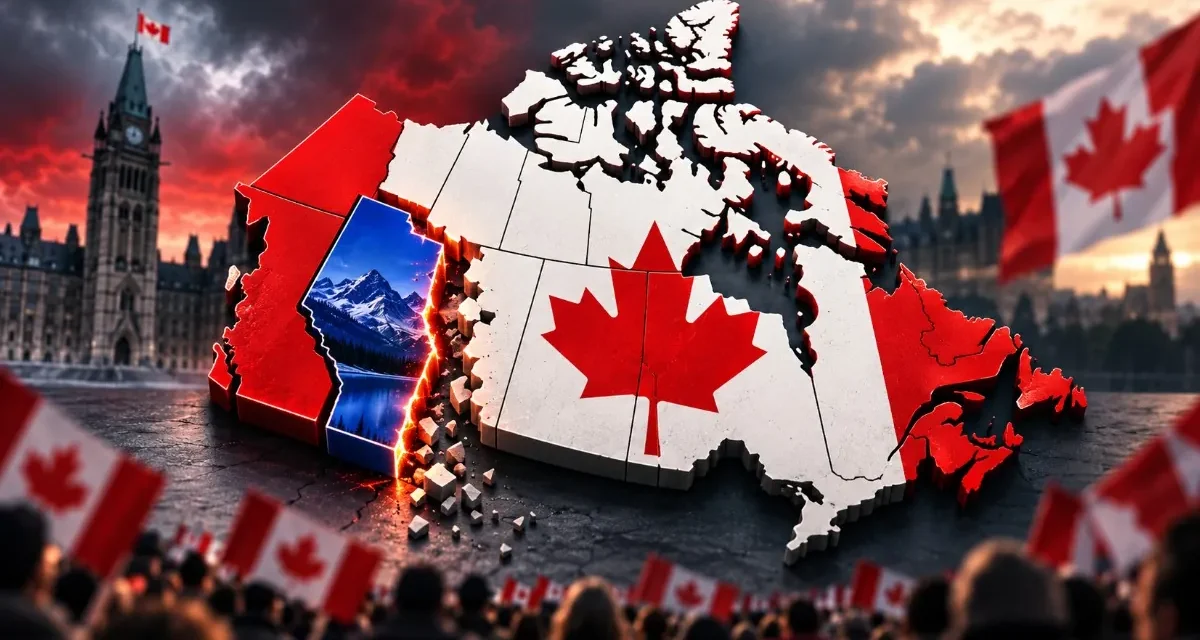
CALGARY, AB — On October 19, 2026, voters across Alberta cast their ballots in a historic provincial referendum that asks whether Canada’s energy heartland should initiate the legal and constitutional steps toward separation.
While the referendum marks an unprecedented moment in modern Canadian history—elevating a once-fringe proposal to a official province-wide ballot—opinion polls overwhelmingly indicate that the drive for an independent Western state will face a decisive defeat at the ballot box.
Despite the expected defeat of the initiative, the political infrastructure built by the separatist movement, combined with unprecedented early voter turnout, underscores a profound transformation in Western Canadian politics. Ottawa faces a provincial electorate that remains deeply alienated, regardless of the referendum’s final tally.
1. Main Facts: The Referendum at a Glance
The referendum submitted to Albertan electors does not instantly sever ties with the Canadian Confederation. Instead, the official ballot question asks citizens to choose between remaining a province within Canada or directing the provincial government to initiate the formal constitutional processes required for a future binding referendum on independence.
       ALBERTA REFERENDUM VOTING INTENTIONS (IPSOS, OCT 2026)
  +-------------------------------------------------------------------+
  | Remain in Canada                   [70%]                          |
  | Begin Separation Process           [23%]                          |
  | Undecided / Not Voting             [7%]                           |
  +-------------------------------------------------------------------+
  0%                                  50%                           100%
Key facts defining today’s vote include:
- The Polling Gap: Major polling agencies show a commanding, double-digit lead for the option to remain in Canada. Upward of 66% to 70% of respondents favor unity.
- Protest vs. Independence: Data indicates that a significant portion of those voting "Yes" to starting the process view their vote as a tactical leverage point against federal authority rather than a genuine push for statehood.
- Unprecedented Early Turnout: More than 1.35 million electors cast their votes during advance polling and special ballot windows—representing over 43% of all eligible voters in the province.
- Political Dynamics: Premier Danielle Smith’s United Conservative Party (UCP) government enabled the vote under grassroots pressure, even though Smith has publicly maintained her support for remaining within Canada. Prime Minister Mark Carney has campaigned actively in his home province to defend the federal union.
2. Chronology: The Evolution of Alberta’s Sovereignty Movement
The path to the October 19 ballot is rooted in decades of economic, cultural, and political tension between Alberta and successive federal administrations in Ottawa.
+-----------------------------------------------------------------------------+
|                            HISTORICAL TIMELINE                              |
+-----------------------------------------------------------------------------+
| 1980s      | Implementation of National Energy Program; roots of alienation |
| 2015–2020  | Federal pipeline delays & emissions policies spark frustration |
| 2020–2022  | Pandemic restrictions fuel populist grassroots mobilization    |
| 2023–2025  | UCP grassroots push for sovereignty legislation & referendum   |
| Oct 2026   | Official province-wide ballot on the separation process        |
+-----------------------------------------------------------------------------+
Decades of Friction over Energy and Federalism
For decades, Alberta’s economy has pivoted on its massive oil and natural gas reserves. Disputes over resource development, environmental regulation, and federal taxation have periodically strained relations with Ottawa. Tensions trace back to the National Energy Program of the 1980s and have resurfaced in recent debates surrounding federal emissions caps, industrial green transition mandates, and pipeline construction approvals.
Many conservative Albertans contend that federal fiscal arrangements—such as equalization payments—extract significant economic value from the province while regulatory hurdles constrain its primary export industries.
The Impact of COVID-Era Mobilization
While economic grievances formed the bedrock of Western alienation, the modern separatist surge gained fresh momentum during the COVID-19 pandemic. Regional opposition to public health mandates brought new activist networks into provincial politics.
As health restrictions lifted, these organized populist networks redirected their energy toward provincial autonomy, statehood proposals, and institutional reform. Their influence grew rapidly within the ruling United Conservative Party, ultimately forcing the debate into the legislature and onto the 2026 ballot.
3. Supporting Data: Polling Analysis and Early Voting Turnout
Data from major opinion research firms reveals a clear picture of voter intent, alongside an intriguing split between political frustration and actual separatist ambitions.
Polling Breakdown: Ipsos and Angus Reid
An Ipsos survey conducted between October 13 and October 16 among 801 adult Albertans revealed that 70% of respondents intended to vote to remain in Canada. Only 23% favored starting the separation process, while 7% remained undecided or stated they would not vote. While support for separation ran slightly higher in rural sectors outside Calgary and Edmonton, separatists remained a distinct minority in all major demographics.
| Option / Response | Ipsos Poll Share (Oct 13–16) | Angus Reid Poll Share (Oct 13–15) |
|---|---|---|
| Remain in Canada | 70% | 66% |
| Begin Separation Process | 23% | 34% |
| Undecided / Uncommitted | 7% | — |
Source: Ipsos (N=801 Alberta adults); Angus Reid Institute (N=1,010 Alberta adults).
A parallel poll conducted by the Angus Reid Institute from October 13 to 15 among 1,010 Albertans showed 66% opting to stay and 34% supporting the initiation of legal proceedings.
However, Angus Reid’s deeper breakdown highlighted a critical nuance: among respondents who supported starting the legal process toward separation, 60% stated their primary motivation was to "send a message to Ottawa." Only 37% of that subgroup indicated that creating an independent nation was their main objective.
               MOTIVATION OF "YES" VOTERS (ANGUS REID)
  +-------------------------------------------------------------------+
  | Send Ottawa a Message              [60%]                          |
  | Achieve Full Independence          [37%]                          |
  | Other / Unsure                     [3%]                           |
  +-------------------------------------------------------------------+
Record Advance Turnout Signals High Engagement
Despite polling indicating a decisive win for the "Remain" option, civic participation has broken provincial records.
Elections Alberta reported that by the end of the early voting period on October 18, a total of 1,356,873 advance and special ballots had been cast. This represents 43.1% of the province’s 3,148,343 registered electors.
            ADVANCE BALLOT TURNOUT COMPARISON (% OF ELECTORS)
  +-------------------------------------------------------------------+
  | 2026 Referendum                    [43.1%]                        |
  | 2023 Provincial Election           [27.5%]                        |
  +-------------------------------------------------------------------+
  0%                                  25%                            50%
By comparison, advance and special voting in Alberta’s 2023 general election represented 27.5% of eligible voters. While variations in special ballot administrative rules prevent a direct baseline comparison, analysts agree that the surge reflects widespread public interest across all sides of the debate.
4. Official Responses: Political Stances Across Federal and Provincial Spheres
The referendum has placed political leaders in unique positions, illustrating the complex internal dynamics of both provincial and federal parties.
+-----------------------------------------------------------------------------+
|                             KEY POLITICAL PLAYERS                           |
+-----------------------------------------------------------------------------+
| Danielle Smith    | Premier of Alberta (UCP)                                 |
|                   | Facilitated vote due to party pressure; supports Remain |
| Mark Carney       | Prime Minister of Canada (Liberal)                      |
|                   | Campaigned actively in home province for national unity  |
| First Nations     | Indigenous Leadership                                   |
|                   | Emphasized Treaty obligations; oppose unilateral splits |
+-----------------------------------------------------------------------------+
Alberta Premier Danielle Smith
Premier Danielle Smith has navigated a delicate political tightrope. Her administration facilitated the referendum mechanisms to satisfy the party’s sovereignty-minded grassroots base. However, Smith has repeatedly stated that her personal stance aligns with keeping Alberta inside the Canadian Confederation while fighting for greater provincial autonomy.
By allowing a direct vote, Smith provided an avenue for separatist activists within her party to present their platform without requiring her government to formally endorse a national break.
Prime Minister Mark Carney
Prime Minister Mark Carney took a direct approach, campaigning in the province where he spent his youth to defend the federal system. Carney framed the vote as an opportunity for Albertans to definitively reject constitutional instability in favor of collaborative economic development.
Federal strategists have noted that Ottawa is aiming for a decisive victory for the "Remain" movement to minimize future institutional challenges from Western provinces.
Indigenous Leadership and Treaty Rights
First Nations leaders across Treaty 6, Treaty 7, and Treaty 8 territories in Alberta have issued clear statements regarding the referendum. Indigenous leaders emphasized that their historical Treaties were established directly with the Crown.
Chiefs across the province have argued that Alberta lacks the constitutional authority to unilaterally alter territorial boundaries or exit Canada without honoring existing Treaty obligations and Indigenous land rights.
5. Broader Implications: Legal Barriers, Economic Realities, and Future Outlook
Even in a hypothetical scenario where an independence movement secures a referendum majority, the legal, economic, and logistical hurdles to leaving Canada remain formidable.
                      POST-REFERENDUM LEGAL PROCEDURES
  +-------------------------------------------------------------------+
  | 1. Provincial Referendum Outcome                                  |
  | 2. Federal & Multi-Provincial Negotiations (Clarity Framework)     |
  | 3. Division of National Debt, Assets, & Currency Systems          |
  | 4. Indigenous Treaty Re-negotiations & Border Demarcations       |
  | 5. International Trade & Cross-Border Pipeline Accords            |
  +-------------------------------------------------------------------+
Constitutional Framework and Negotiations
Under Canadian law, a provincial referendum does not trigger an automatic declaration of sovereignty. Instead, any attempt to secede would require negotiations involving the federal government and all Canadian provinces. Secession would necessitate extensive constitutional amendments to resolve structural issues, including:
- Allocation of Canada’s national debt obligations.
- Status of federal infrastructure, military bases, and crown assets.
- National border security, customs enforcement, and citizenship status.
- Protection of cross-provincial transit corridors and airspace.
Economic and Infrastructure Dependencies
Alberta’s landlocked geography creates major logistical considerations for an independent entity. The province relies heavily on pipeline infrastructure crossing adjacent provinces and international borders to transport its crude oil to global markets and U.S. refineries.
While independence advocates contend that trade access could be renegotiated under bilateral agreements, opponents caution that losing the legal protections of the Canadian Constitution could complicate international commerce and investor confidence.
The Road Ahead After Polls Close
Elections Alberta announced that polling places close at 8 p.m. local time on October 19. Unofficial tallies will be released as votes are counted over a 48-hour period, with official validated results published on October 29.
       EXPECTATION ON MOVEMENT'S FUTURE (ANGUS REID POLL)
  +-------------------------------------------------------------------+
  | Separatist movement will continue  [62%]                          |
  | Separatist movement will fade away [24%]                          |
  | Undecided / Unsure                 [14%]                          |
  +-------------------------------------------------------------------+
A win for remaining in Canada will formally conclude the current ballot measure, but data suggests the broader political movement will persist. In the Angus Reid survey, 62% of respondents expressed the belief that Alberta’s separatist movement would continue to be an active force in provincial politics regardless of the referendum result; only 24% believed the issue would fade away.
While Alberta appears set to remain part of Canada, the campaign demonstrates how regional grievances can evolve into structured political movements—ensuring that debates over provincial autonomy, resource rights, and federalism will remain central to Canadian politics for years to come.