

















































The Botanical Revolution: How Native Plants Transformed from ‘Weeds’ to Urban Essentials

Inside the historic Kilbourn Park greenhouse on Chicago’s North Side, the air is thick with the scent of damp earth and the quiet anticipation of spring. Renee Costanzo, the Chicago Park District’s sole full-time employee at this facility, grips a rusted iron pulley with both hands. With a rhythmic heave, she coaxes the greenhouse roof to creak open. As the glass panels shift, a surge of fresh Midwestern air rushes in, washing over a sprawling sea of 12,000 seedlings nestled in plastic trays.
For decades, this ritual was centered on the "starter kit" of the American backyard: beefsteak tomatoes, cucumbers, and the reliable, neon pops of marigolds and zinnias. But in recent years, the inventory under Costanzo’s care has undergone a quiet but radical transformation. Today, nearly 20 percent of the 15,000 plants cultivated here are native species—flora that occupied the Illinois prairies long before the first skyscrapers touched the Chicago skyline.
What was once dismissed as "weeds" by previous generations of gardeners has become the most sought-after commodity in the horticultural market. This shift represents more than just a change in aesthetic preference; it is a fundamental realignment of the relationship between urban dwellers and the environment they inhabit.
Main Facts: A Record-Breaking Season for Native Flora
The 2024 annual plant sale at Kilbourn Park served as a microcosm for a national trend. Historically, the event was a modest neighborhood affair, attracting roughly 1,100 local gardeners. This year, however, participation skyrocketed. More than 2,300 shoppers descended upon the park, forming lines that snaked around the perimeter, all eager to secure plants at $4 a piece.
The demand was so overwhelming that the sale generated approximately $48,000 in revenue—surpassing all previous records and easily meeting the fundraising goals of the "Friends of Kilbourn Park Greenhouse," a volunteer group dedicated to supporting the facility.
"We generally start these annuals at the end of February," Costanzo explains, gesturing toward the vibrant rows of geraniums and zinnias. "We’ve been coddling and loving these babies for months. But in just the last five years, the request for natives has surged. People aren’t just looking for a splash of color anymore; they’re looking for a legacy."
The trend at Kilbourn Park is mirrored across the United States. From community seed swaps to massive commercial nurseries, the native plant industry is experiencing an unprecedented boom. This "botanical revolution" is driven by a convergence of factors: a growing awareness of the climate crisis, a desire for low-maintenance landscaping, and a desperate effort to reverse the catastrophic decline of local pollinator populations.
Chronology: From Fringe Movement to Mainstream Industry
To understand the current obsession with native plants, one must look back to a time when they were virtually unsellable. Neil Diboll, president of Prairie Nursery in Wisconsin, has spent 44 years at the forefront of this movement. When he began his career in the early 1980s, the concept of "native landscaping" was an eccentric niche.
"I’ve watched this for 44 years, from almost zero to now," Diboll says. In 1982, his nursery’s total gross revenue was just over $13,000. It was a struggle to convince the average homeowner that a plant found in a local ditch was worth paying for. Today, Prairie Nursery is a titan in the field, shipping out 500,000 plants and millions of seeds annually. The revenue figures now feature "several more zeros," according to Diboll.
The timeline of this growth reveals a steady upward trajectory rather than a sudden spike:
- The 1980s–1990s: Native plants were largely the domain of restoration ecologists and radical environmentalists. Most commercial nurseries focused exclusively on hybridized ornamentals imported from Europe and Asia.
- The 2000s: Organizations like Wild Ones—which began as a small gardening club in Milwaukee—started to gain national traction. Public awareness regarding the importance of biodiversity began to trickle into the gardening world.
- 2015–Present: The movement hit a tipping point. Social media, combined with alarming reports on the "insect apocalypse" and the vulnerability of the Monarch butterfly, turned native gardening into a mainstream priority.
"It’s not a fad," Diboll insists. "This is a long, steady climb toward ecological literacy."
Supporting Data: The Numbers Behind the Green Boom
The statistics provided by industry leaders paint a picture of a sector in high-velocity growth. Prairie Moon Nursery, based in Minnesota, has reported a staggering 350 percent increase in sales over the last seven years. Their order volume has tripled in the same period, fueled by both individual homeowners and large-scale municipal projects.
The non-profit sector is seeing similar engagement. Wild Ones, now a nationwide organization with over 14,000 members, facilitates the distribution of massive quantities of native flora. In the last year alone:
- 110,000 native plants were sold through 107 local chapter sales.
- 40,000 additional plants were distributed through various educational and community programs.
- 14,000 enthusiasts now actively participate in seed exchanges and regional advocacy.
The ecological data supporting this shift is equally compelling. Native plants are not merely aesthetic choices; they are functional infrastructure. Unlike traditional turf grass, which has shallow roots, native prairie plants like Big Bluestem or Compass Plant feature root systems that can reach 10 to 15 feet into the earth. This makes them essential for:
- Flood Mitigation: Deep roots create channels in the soil, allowing it to absorb significantly more stormwater than traditional lawns.
- Carbon Sequestration: The massive biomass beneath the soil acts as a long-term carbon sink.
- Drought Resilience: Once established, these plants require no supplemental watering, surviving extreme heat that kills off non-native ornamentals.
Official Responses: A Shift in Public Policy and Advocacy
Governmental and non-profit agencies are increasingly viewing native plants as a public utility. The Chicago Park District’s investment in the Kilbourn Park greenhouse reflects a broader strategy to integrate ecological health into urban recreation.
Tiffany Jones, who leads habitat education for the National Wildlife Federation (NWF) in the Great Lakes region, emphasizes the practicality of this movement. "Native plants have been adapting to change for thousands of years," Jones notes. "They are incredibly resilient. They help with flood prevention and provide habitat for crucial species. They are practical, and they are beautiful."
The NWF has been instrumental in promoting "Certified Wildlife Habitats," encouraging homeowners to replace sterile lawns with diverse native ecosystems. This shift is also being codified into law in some regions. Several Midwestern municipalities have recently updated their "weed ordinances"—which previously penalized homeowners for growing tall native plants—to explicitly protect and encourage native landscaping.
At the community level, the response is driven by volunteerism. Lourdes Valenzuela, a retired schoolteacher who has volunteered at the Kilbourn Park sale for 12 years, sees the impact firsthand. "We’re not fighting against the climate here. We’re working with it," she says. The "Friends of Kilbourn Park Greenhouse" used the funds from this year’s record sale to finance a new outdoor learning center, ensuring that the next generation of Chicagoans understands the value of their local ecosystem.
Implications: The Future of the Urban Landscape
The surge in native plant popularity suggests a fundamental shift in the "American Dream" of the perfect lawn. The monoculture of short, green grass—a status symbol of the 20th century—is being replaced by a more complex, "messy" beauty that prioritizes life over order.
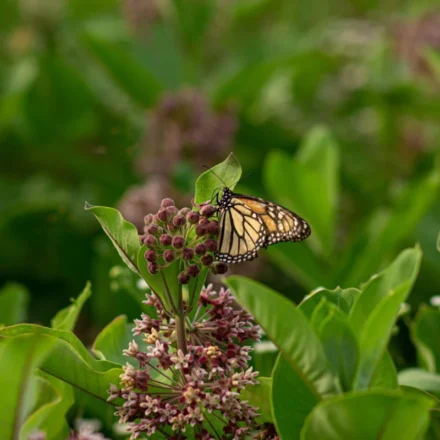
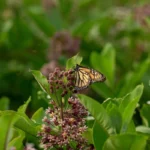
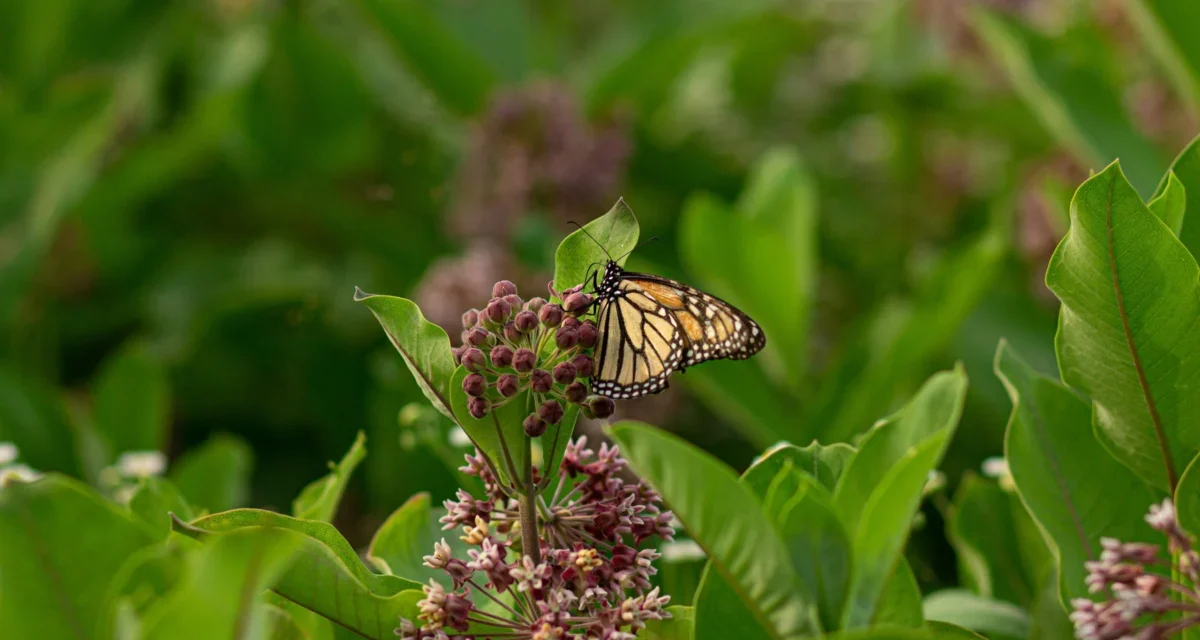
The implications for urban resilience are profound. As climate change increases the frequency of "100-year floods" and record-breaking heatwaves in the Midwest, the deep-rooted native plants being sold at Kilbourn Park offer a natural defense mechanism. They transform private yards into a patchwork of "micro-refuges" for pollinators like the endangered Rusty Patched Bumblebee and the Monarch butterfly.
However, the rapid growth of the industry also presents challenges. Demand is currently outpacing supply, leading to a "native plant shortage" in some regions. Furthermore, horticulturalists warn against "nativars"—native plants that have been hybridized for specific colors or sizes—which may not provide the same nutritional value to local insects as the original "wild" genotypes.
As the Kilbourn Park greenhouse prepares for the next season, the mission of Renee Costanzo and her team remains clear. By transitioning from a source of simple garden vegetables to a hub for ecological restoration, the greenhouse is helping to rebuild a lost landscape, one seedling at a time.
"We literally sold every possible plant," Valenzuela says, reflecting on the empty benches at the end of the sale. "The people are ready. They want their gardens to do more than just look pretty; they want them to heal the earth."