















































The 2026-27 NBA season has barely cleared its first week, yet the Minnesota Timberwolves find themselves in a position that would have tested the resolve of any franchise in the league. Following an audacious summer of roster upheaval—most notably the departure of Julius Randle and Naz Reid—the team roared out of the gate, looking like a championship-caliber juggernaut. However, in the high-stakes world of professional basketball, momentum is often fragile.
On Tuesday evening, the organization confirmed a significant blow: superstar Anthony Edwards will undergo arthroscopic surgery on his right knee, sidelining the face of the franchise for up to two months. As the team pivots to address this void, the narrative surrounding the "new-look" Wolves has shifted from one of early-season dominance to one of collective resilience.
The Foundation: A Summer of Audacious Reinvention
The front office, led by President of Basketball Operations Tim Connelly, and head coach Chris Finch took a massive gamble this summer. By moving on from established talents like Randle and Reid, they signaled a desire for a faster, more fluid, and—most importantly—more cohesive unit.
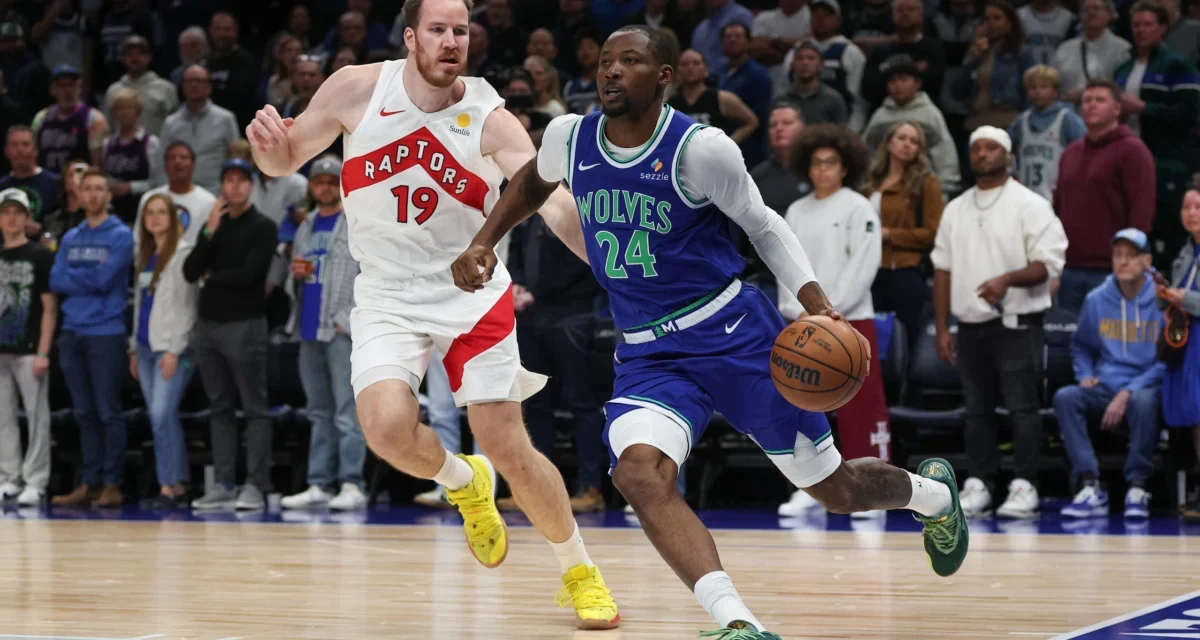
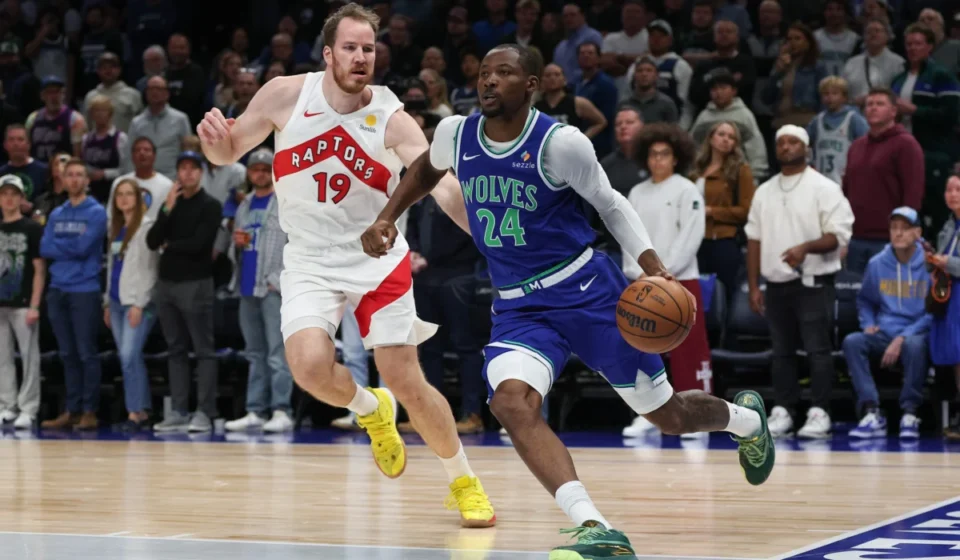
The early returns were nothing short of spectacular. Through four games, the Timberwolves played with a level of synchronicity rarely seen this early in a campaign. The arrivals of LaMelo Ball and Jonathan Kuminga have been the catalysts for this transition. Moving away from the "moodiness" that plagued the previous iteration of the roster, the current group has embraced a culture of "giddiness" and shared responsibility.
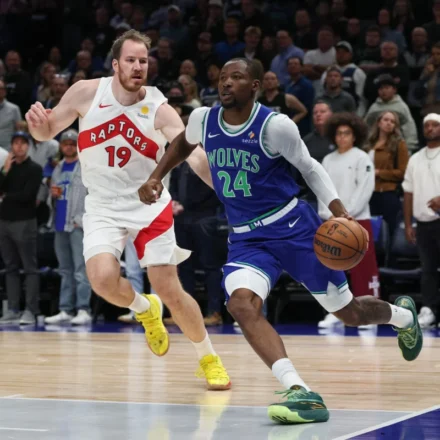
The performance against the Heat, Magic, and Raptors wasn’t just impressive; it was historic. For a franchise that has covered the team since its inception, the sheer efficiency—dominating games before the fourth quarter—was unprecedented.
The Newcomers: Embracing the "Thankless" Role
Much of the early success can be attributed to the seamless integration of Jonathan Kuminga. Often a lightning rod for criticism during his tenure with the Golden State Warriors, Kuminga has been a revelation in Minnesota. He has willingly taken on the "thankless" assignments: guarding the opposition’s most dangerous forwards, battling in the paint, and serving as the defensive glue that keeps the unit together.
His statistics, while perhaps not flashy to the casual observer, tell a story of immense discipline. Kuminga has prioritized team success, spacing the floor as a three-point threat (hitting at a 46.7% clip from distance) and maintaining a selfless approach to playmaking. He has successfully transformed from a high-usage player into a versatile defensive anchor who currently ranks among the league’s most efficient defenders.
Alongside him, LaMelo Ball has exceeded defensive expectations. While his offensive brilliance was well-documented, his willingness to engage on the defensive end—chasing down deflections, forcing turnovers, and maintaining high-intensity pressure—has been the engine of the Wolves’ defensive identity. Together with stalwarts like Rudy Gobert and Jaden McDaniels, Ball and Kuminga have turned the Timberwolves into a top-tier defensive force, currently ranked second in the league in points allowed per possession.
Chronology of a Challenging Week
The transition from euphoria to adversity occurred rapidly. The team opened the season with three decisive victories, establishing a standard of excellence that had the entire league taking notice.

- The Dominant Opening: The team dispatched the Heat, Magic, and Raptors with clinical precision. These were not close-fought grinds; they were statement wins that proved the synergy between the veterans and newcomers was real.
- The Cleveland Setback: On Monday, the Timberwolves faced their first true test against a hardened Cleveland Cavaliers squad. Playing on the second night of a back-to-back following a physical win against Toronto, the Wolves showed signs of fatigue. Despite a strong start, they saw a double-digit lead evaporate in the second half.
- The Injury News: Tuesday brought the sobering announcement regarding Anthony Edwards. The decision to proceed with arthroscopic surgery immediately—rather than delaying—was a calculated move. The team, management, and Edwards collectively determined that the strength of the current roster allows for the Wolves to remain competitive in the playoff hunt while their star recovers.
Implications of the "Ant" Absence
With Edwards expected to miss approximately 30 games, the ripple effect on the rotation is substantial. The immediate plan, according to team reports, involves elevating Ayo Dosunmu into the starting lineup. This move is designed to maintain the perimeter intensity the team has built, while also creating a greater playmaking burden for TJ Shannon.
Furthermore, the bench unit will see an uptick in responsibility. Players like Bones Hyland and teenager Joan Beringer are expected to see increased minutes. The success of this transition rests on the shoulders of the team’s new leaders: LaMelo Ball and Jonathan Kuminga.
The urgency for Jaden McDaniels to step into a more aggressive, high-usage role has never been greater. If the Wolves are to stay afloat in the Western Conference—which remains wide open due to injury issues for the Oklahoma City Thunder and the slow start from the San Antonio Spurs—McDaniels must become the primary offensive focal point during this two-month window.
Official Responses and Strategic Outlook
While the injury is a devastating blow, the organization maintains a steady outlook. The "And One" newsletter and official team statements have emphasized that the foundation built during the preseason—fueled by intense pickup games at Mayo Clinic Square and team bonding in Paris—remains intact.
"We are not defined by a single player, regardless of their greatness," one team source suggested. The coaching staff remains committed to the principles established by Chris Finch: pace, defense, and, above all, the ruthless joy of playing for one another.
The statistical reality supports this optimism. Even in the loss to the Cavaliers, there were flashes of brilliance from the bench, specifically from Shannon and Beringer. The team’s ability to force the Cavs into an overtime thriller despite a "fiasco" night from Rudy Gobert and six turnovers from LaMelo Ball speaks to the depth of the current roster.
Conclusion: The Long Road Ahead
The 2026-27 Timberwolves are a team in transition, both in terms of their roster and their immediate objectives. While the loss of Anthony Edwards is an undeniable hurdle, the first four games of the season provided something the franchise has lacked for years: a clear, replicable identity.
The front office’s gamble on a "faster, svelte" roster was designed to create a team that was greater than the sum of its parts. For now, the challenge has evolved from maintaining a perfect record to proving that the system they have installed is robust enough to survive the absence of its brightest star.
As the Wolves prepare for the grueling 82-game marathon, the focus remains on "shoring up the lows" while they wait for their star to return. The West is waiting to see if this "giddiness" is a flash in the pan or a legitimate harbinger of a championship run. If the early-season synergy persists, Minnesota may find that they are not just surviving the storm—they are building a template for a sustained, winning culture.