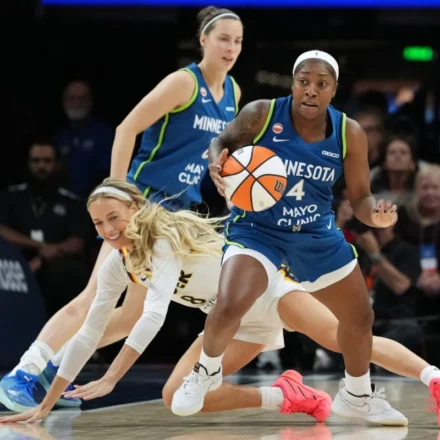























































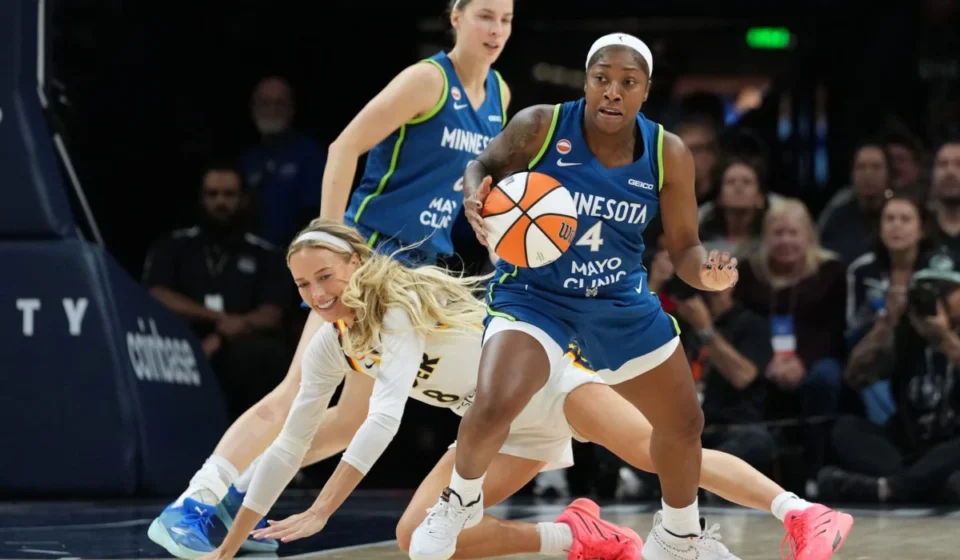

The air inside Minnesota sports bars and the rafters of the Target Center has been thick with a singular, pervasive question: Are the Minnesota Lynx truly championship-ready?
As the WNBA postseason looms, the Lynx find themselves in a position that is simultaneously enviable and unnerving. They have secured the No. 1 overall seed—a testament to their structural brilliance and overall talent—yet they enter the playoffs following a late-season stumble that exposed lingering defensive fragility and a perplexing inability to protect their home court. With the New York Liberty waiting in the wings for a high-stakes first-round showdown, the Minnesota faithful are left to wonder if the team that dominated the mid-summer stretch is the one that will show up for the pursuit of a fifth WNBA title.
A Season of Peaks and Valleys: The Chronology of Uncertainty
The narrative of the Lynx’s 2026 campaign is one of distinct chapters. The season began with a steady building of chemistry, followed by a seven-week period of absolute, arguably historic, dominance. During this stretch, the Lynx looked every bit the juggernaut, reeling off 16 wins in 17 games. Their offense, high-octane and fluid, masked a defensive slippage that would eventually become the primary point of concern for head coach Cheryl Reeve.
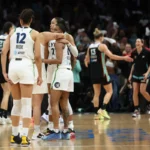
However, the post-FIBA World Cup break proved to be a disruptive force. Upon returning to league play on September 18, the Lynx were immediately tested by the New York Liberty. The result was a wake-up call: the Liberty effectively hounded Rookie of the Year favorite Olivia Miles baseline-to-baseline, signaling that the defensive pressure required to stop the Lynx was no longer a secret.
The momentum slide continued as the Lynx sputtered through a 1-for-5 stretch, struggling to lock up the top seed. This period was exacerbated by the absence of Miles, who missed the final two games of the regular season due to a strained left calf. The low point arrived on Tuesday in Indianapolis. In what was arguably their worst performance of the year, the Lynx were dismantled by the Indiana Fever, 96-77. The loss was so disjointed that Reeve took the drastic measure of benching her core—Napheesa Collier, Kayla McBride, Natasha Howard, and Courtney Williams—for the remainder of the second half.
"We should be disappointed and embarrassed about the product that we put on the floor tonight," captain Napheesa Collier stated following the loss. "Not proud of what we did. These things cannot happen. We had just met about the things we want to get done in the postseason, and we didn’t do any of these things."
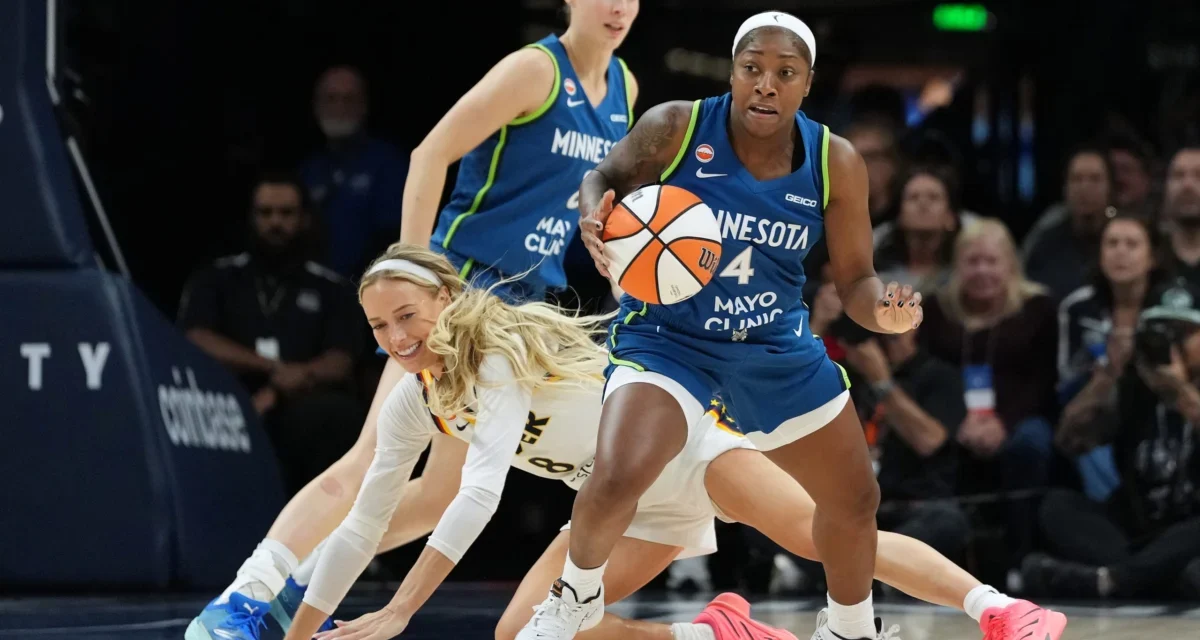
The rebound, however, was swift. Just 48 hours later, back at the Target Center, the Lynx orchestrated a masterful dismantling of that same Fever squad. Jumping out to a 25-4 lead in the opening eight minutes, the Lynx reminded the league of their ceiling. The 86-66 victory served as a psychological reset, propelling them into the playoffs with the top seed firmly in hand, largely thanks to a Golden State overtime loss to Portland that finalized the standings.

The Defensive Dilemma: Analyzing the Metrics
If championships are built on defense, the Lynx have a puzzle to solve. For head coach Cheryl Reeve, a hallmark of her tenure has been the "40% benchmark"—holding opponents to under 40% shooting from the field. It is a statistic she tracks with religious fervor; historically, the Lynx are a staggering 185-9 when they hit that mark.
Yet, as the calendar turned toward the postseason, that benchmark became a ghost. Since June 28, the Lynx managed to hold opponents under 40% shooting only once in 24 games. The trend has been stark: the team plummeted from first to fourth in the league’s defensive rating, a slide that correlates directly with the increasing fatigue of a short bench and the general, league-wide explosion in offensive efficiency.
"I’ve really spent a lot of time trying to figure that out," Reeve noted. The challenge, as she identifies it, is maintaining defensive intensity for 40 minutes while managing the heavy workloads of her primary starters. The loss to Indiana demonstrated the danger of that fatigue; without high-level defensive activity, the Lynx become a team that can be out-hustled and out-executed.
The Home Court Paradox
Perhaps the most confounding aspect of the Lynx’s 2026 season is their record at Target Center. Finishing 15-7 at home is a respectable mark for any professional team, but it falls well below the standard established by the great Lynx dynasties of 2011, 2013, 2015, and 2017. In those championship years, the Lynx were nearly invincible on their home floor, often losing only two or three games all season.
The frustration is compounded by the fact that the Lynx held fourth-quarter leads in the majority of their home losses this year. They weren’t being blown out; they were being out-executed in the closing moments. Paradoxically, the team thrived on the road, setting a new WNBA record for road victories with an 18-4 mark.
"It sucks to have the record we do at home," Reeve admitted candidly. "We’re not satisfied with that remotely."
This home-court struggles occurred in a year where the environment was arguably more electric than ever. The Lynx saw a record 19 crowds of 10,000 or more, and for the first time, they kept the upper levels of the Target Center open for every game. The atmosphere is undeniably professional and supportive, yet the team has yet to harness that energy into the ironclad home-court dominance that defined their previous title runs.

The Rising Tide: WNBA Growth and Rivalries
The increased attendance at Target Center is reflective of a broader, tectonic shift in the WNBA. The arrival of generational talents like Caitlin Clark and Angel Reese has elevated the league’s profile, a phenomenon Reeve has compared to the transformative era of Magic Johnson and Larry Bird in the NBA. This "ready-made rivalry" culture has turned every regular-season game into a high-stakes spectacle, potentially contributing to the fatigue and parity seen across the league.
Despite setting a club record for average attendance (12,351 per game), the Lynx find themselves in a highly competitive market for visibility, ranking sixth in the league. This parity is also reflected in the playoff bracket itself. The New York Liberty, entering as the No. 8 seed despite 26 wins, are a testament to how deep the field has become.
Implications for the Playoffs
The rematch with the New York Liberty in the best-of-three series is the ultimate stress test. The Liberty have beaten the Lynx twice in three meetings this year, including a September 18 game where New York torched the Lynx for 26 points in the final eight minutes.
The task for the Lynx is clear: replicate the defensive intensity they showed in their final regular-season game against Indiana. When the Lynx move the ball effectively—as they did on Thursday, shooting 70.6% in the first quarter—and when their defensive rotations are crisp, they are undoubtedly the best team in the league. However, the margin for error has evaporated.
"I don’t think anybody should be surprised by any outcomes," Reeve said regarding the playoff field. "I wouldn’t be surprised by anything, because I think all the teams are that good."
As they head into the postseason, the Lynx are a team that has shown the capacity to be world-beaters and, conversely, a team capable of losing focus. The leadership of Collier and the perimeter shooting of McBride will be the catalysts, but the ultimate success of this campaign will likely hinge on whether the Lynx can rediscover the defensive identity that built their legacy.
The path to a fifth championship will not be paved with ease. It will require the Lynx to rectify their late-game collapses, shore up their perimeter defense, and leverage the raucous Target Center crowd to turn their home court back into the fortress it once was. The question posed by that fan in the sports bar last week remains unanswered, but the next few weeks will provide the definitive verdict: is this the start of another dynasty, or the end of an era? The players are ready to write the conclusion.