


















































The Crossroads of a Dynasty: Napheesa Collier, Cheryl Reeve, and the Minnesota Lynx’s Uncertain Future

Main Facts: A Season of Highs and a Staggering Exit
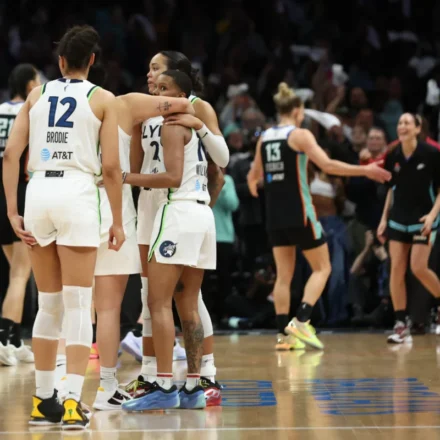
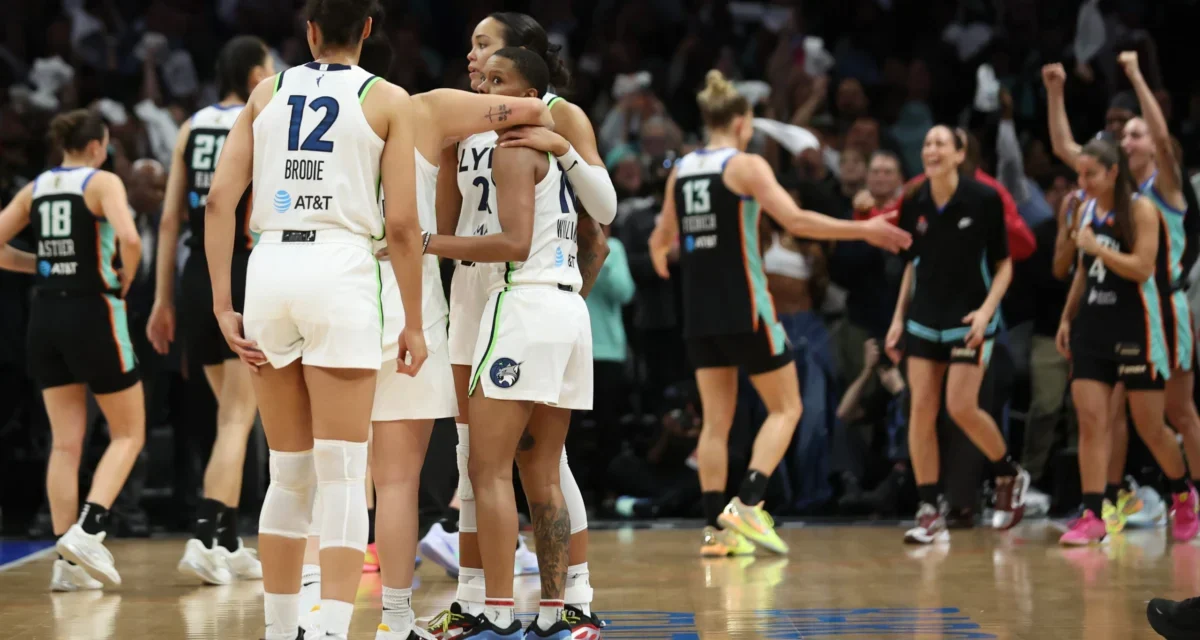
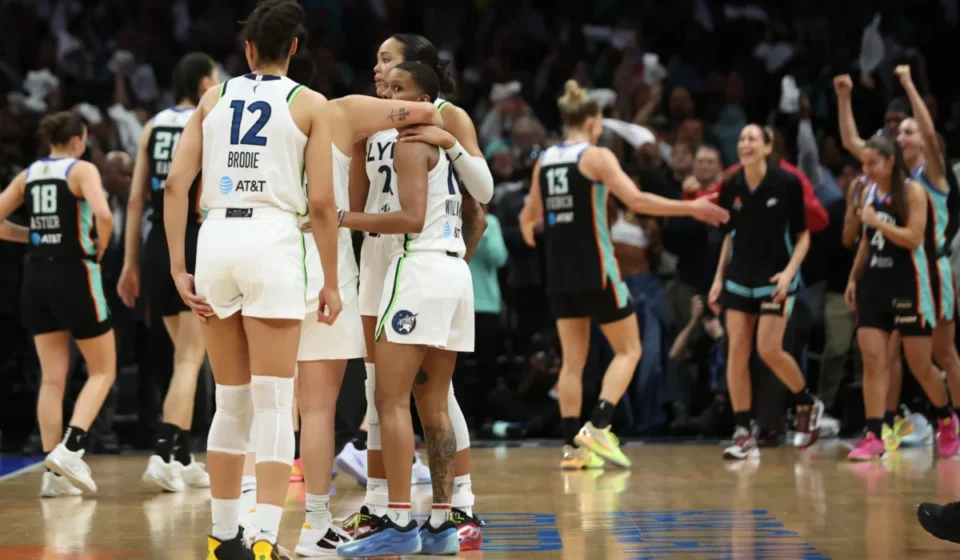
For the Minnesota Lynx, the 2026 WNBA season was a study in paradoxes. Under the steady hand of head coach and president of basketball operations Cheryl Reeve, the franchise captured the league’s best regular-season record, finishing with an impressive 33-11 mark. Yet, the campaign—which promised a deep championship run—ended in a jarring, swift silence. In a historic first-round playoff sweep, the eighth-seeded New York Liberty dismantled the top-seeded Lynx, marking the first time in the current WNBA postseason format that an eight-seed has toppled a one-seed.
At the center of the franchise’s future lies Napheesa Collier, the WNBA Players Association vice president and the team’s cornerstone. One year removed from a media availability where she utilized a prepared, multipage statement to challenge the league’s leadership and officiating, Collier returned to the same podium at the Mayo Clinic Square last Thursday—this time with no notes and a heavier weight on her shoulders. Her impending free agency, combined with a roster that showed fatal structural flaws against elite size, has cast a shadow of uncertainty over a team that has long been the gold standard of WNBA consistency.
Chronology: From Labor Talks to Playoff Heartbreak
The trajectory of the Lynx’s 2026 season can be traced back to the previous offseason’s collective bargaining turbulence. The new CBA fundamentally altered the landscape of player movement, creating a massive cohort of free agents. Collier, who had endured two catastrophic ankle surgeries, signed a cautious one-year deal with the Lynx. The organization, meanwhile, saw five rotation players from their 2024-25 playoff core depart, forcing Reeve to retool a championship-caliber culture with new, untested personnel.
Early in the 2026 season, the strategy appeared to be working. The Lynx relied on a high-octane, small-ball offense and aggressive perimeter defense. However, the cracks began to show by mid-summer. A pivotal 99-86 loss to the New York Liberty on July 3 served as a grim foreshadowing. While the team finished with the best record in the league, they "backed into" the top seed, dropping four of their final six games to playoff-bound opponents.
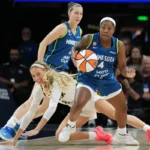
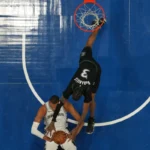
When the postseason arrived, the matchup nightmare became reality. The Liberty, anchored by the imposing frontcourt of Breanna Stewart and Jonquel Jones, exploited the Lynx’s lack of interior size. The result was a two-game series in which Minnesota led for less than four total minutes, suffering back-to-back defeats by margins of 15 points or more—an unprecedented statistical anomaly for a Reeve-led squad.
Supporting Data: The Anatomy of a Flawed Roster
The statistical regression of the Lynx in the latter half of the season provides a clear diagnostic of their issues. Early in the year, the Lynx were a defensive juggernaut, holding 10 of their first 19 opponents under 40 percent shooting from the field—a classic hallmark of a Cheryl Reeve team. However, as the league adjusted to their undersized lineup, the Lynx hit that defensive benchmark only twice in their final 25 games.

The mismatch against New York was quantifiable. Breanna Stewart, the Liberty’s superstar forward, essentially neutralized the Lynx’s primary defensive anchor. In their direct head-to-head playoff encounters, Stewart outscored Collier 55-26. The Lynx’s pick-and-roll game, which had been a reliable staple throughout the regular season featuring Rookie of the Year Olivia Miles and Natasha Howard, was effectively stifled by New York’s length and defensive discipline.
Furthermore, the team struggled in close-out situations, losing seven home games—a frequency that Reeve admitted was uncharacteristic for a championship-contending team. In five of those home losses, the Lynx held leads or were tied in the fourth quarter, signaling a late-game fragility that ultimately proved fatal when the pressure intensified in the postseason.
Official Responses: Navigating the "Phee" Decision
The media availability held two days after the elimination sweep was defined by the looming question of Collier’s future. When asked about her plans, Collier’s response was measured, emphasizing her need for recovery rather than long-term professional commitment.
"Honestly, I haven’t even thought about that," Collier told reporters. "We lost less than 48 hours ago, and we didn’t expect to be here at all, so I really haven’t had any time to decompress. I can tell you I love it here, I love the organization, I love my team… but I just haven’t had time to give that any thought."
Cheryl Reeve, known for her candid and often sharp assessments, adopted a surprisingly empathetic tone regarding her star player. "Phee knows exactly what exists here," Reeve noted. "Phee knows the care, the love, all the things that have been poured into her. This is a Phee decision, and it’s probably more than basketball. And so wherever she lands, it’s going to be because whatever she chooses… is the right place for her."
Reeve’s philosophy suggests a mutual respect that transcends the standard player-coach dynamic. She acknowledged that sometimes, even when an environment is supportive, a change is necessary for an athlete’s personal or professional growth.

Implications: The Path to 2027
The fallout from this early exit forces the Lynx to confront a difficult reality: the current roster construction has a ceiling. Reeve has been vocal about the need for size that can shoot from distance, pass, and defend—a "unicorn" profile that is highly sought after across the league.
"The things that we need, they don’t grow on trees," Reeve said. "We’re not the only team that would like to have size that shoots 3s, and can pass, defend and rebound."
The path forward for the Lynx involves several high-stakes maneuvers:
- Roster Balancing: The front office must decide how to integrate the return of injured players like Dorka Juhász and Emma Čechová, both of whom were expected to provide the very size the team currently lacks.
- Strategic Versatility: Collier’s willingness to adapt her game—specifically by potentially shifting between the small forward and power forward positions—offers a glimmer of hope for tactical flexibility. Her post-practice comments regarding a desire to refine her perimeter shooting suggest she is preparing for a modern, multi-positional role.
- Salary Cap Realities: With significant capital tied to veterans like Courtney Williams and Kayla McBride, the Lynx must be surgical in free agency. Finding a "diamond in the rough" veteran willing to take a team-friendly deal for a championship ring is the primary objective for the front office.
- The "Miles" Factor: Despite the playoff frustration, the growth of Olivia Miles remains a cornerstone of the organization. Collier’s public endorsement of their chemistry ("There’s room for both, for her to do her thing and for me to do mine") suggests that if Collier stays, the duo will remain the focal point of the offense.
Ultimately, the Lynx find themselves in a position that few championship-pedigree franchises occupy: the uncomfortable space of knowing they are close, yet fundamentally flawed. Whether they can bridge the gap between their regular-season dominance and their playoff shortcomings depends on a series of decisions that will likely define the next half-decade of Minnesota basketball. For now, the organization waits, giving their superstar the space to decide if the next chapter of her career will be written in Minneapolis or elsewhere.