

























































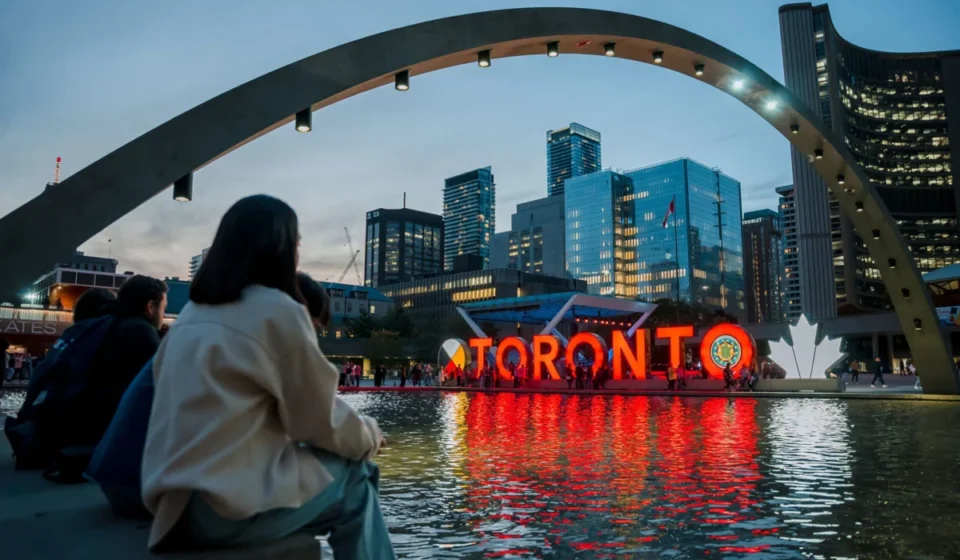

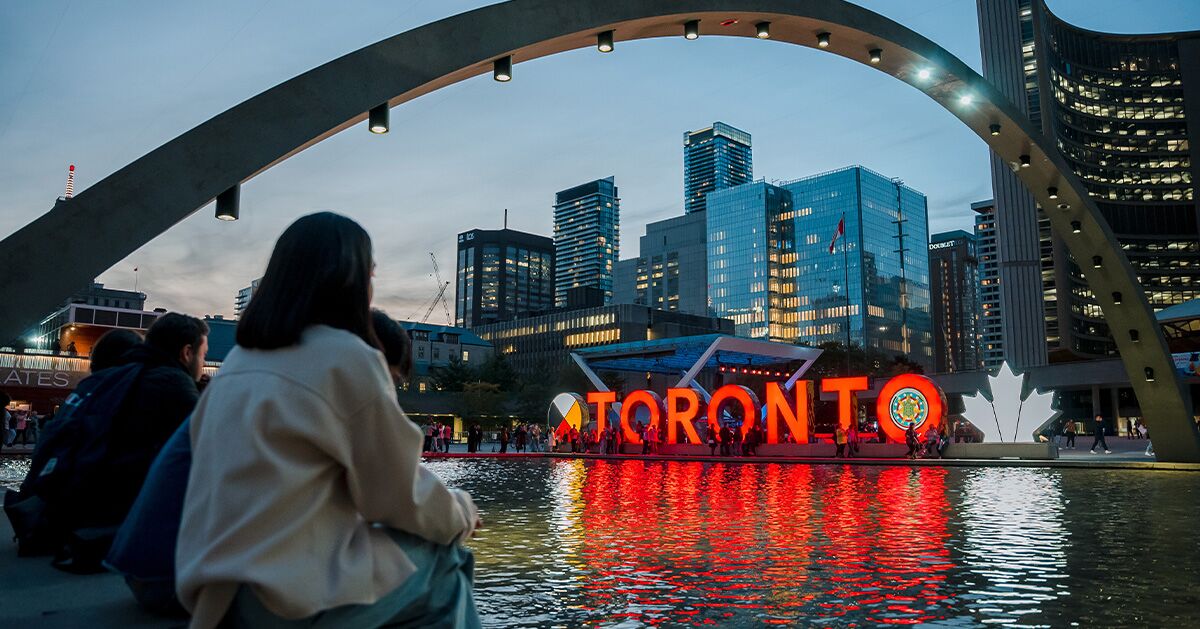
Toronto is a city of startling juxtapositions. It is a place where one can spend the morning dangling from a steel tether 1,168 feet above the pavement, the afternoon wandering through the corridors of a Gothic Revival castle, and the evening traversing a subterranean labyrinth that renders the Canadian winter a mere background detail. As Canada’s largest metropolis and a burgeoning global cultural hub, Toronto defies simple categorization. It is a mosaic of neighborhoods, each acting as a distinct sovereign of character, yet collectively weaving a tapestry that is impossible to replicate elsewhere.
The Architecture of Experience: A Chronology of Growth
To understand the current state of Toronto, one must look at the timeline of its transformation from a colonial outpost to a vertical titan.
- 1894: Massey Hall opens, establishing the city as a serious venue for the performing arts—a legacy that would later host the legendary 1953 jazz quintet reunion.
- 1914: The construction of Casa Loma begins, introducing an improbable, fairy-tale aesthetic to the urban landscape.
- 1976: The completion of the CN Tower marks a turning point in Canadian engineering, holding the record for the world’s tallest freestanding structure for over three decades.
- 1975–Present: The development and ongoing expansion of the PATH system, a 19-mile underground network, transforms the city’s ability to function during the harsh winter months.
- 2008: The unveiling of the Frank Gehry-designed Art Gallery of Ontario (AGO) redefines the city’s architectural dialogue, blending historic aesthetics with bold, modern sculptural elements.
Downtown Core: Where the PATH Leads
At the heart of the city lies the PATH, a colossal subterranean achievement. Spanning 19 miles and connecting 75 buildings, this pedestrian artery is the lifeblood of the downtown core. It links six subway stations, nine hotels, and major shopping landmarks like Brookfield Place. For the visitor, the PATH is not just a utility; it is a city within a city, allowing for a seamless transition from the high-stakes world of the Financial District to the cultural offerings of the Hockey Hall of Fame without ever needing a coat.
Kensington Market and Chinatown: The Cultural Tapestry
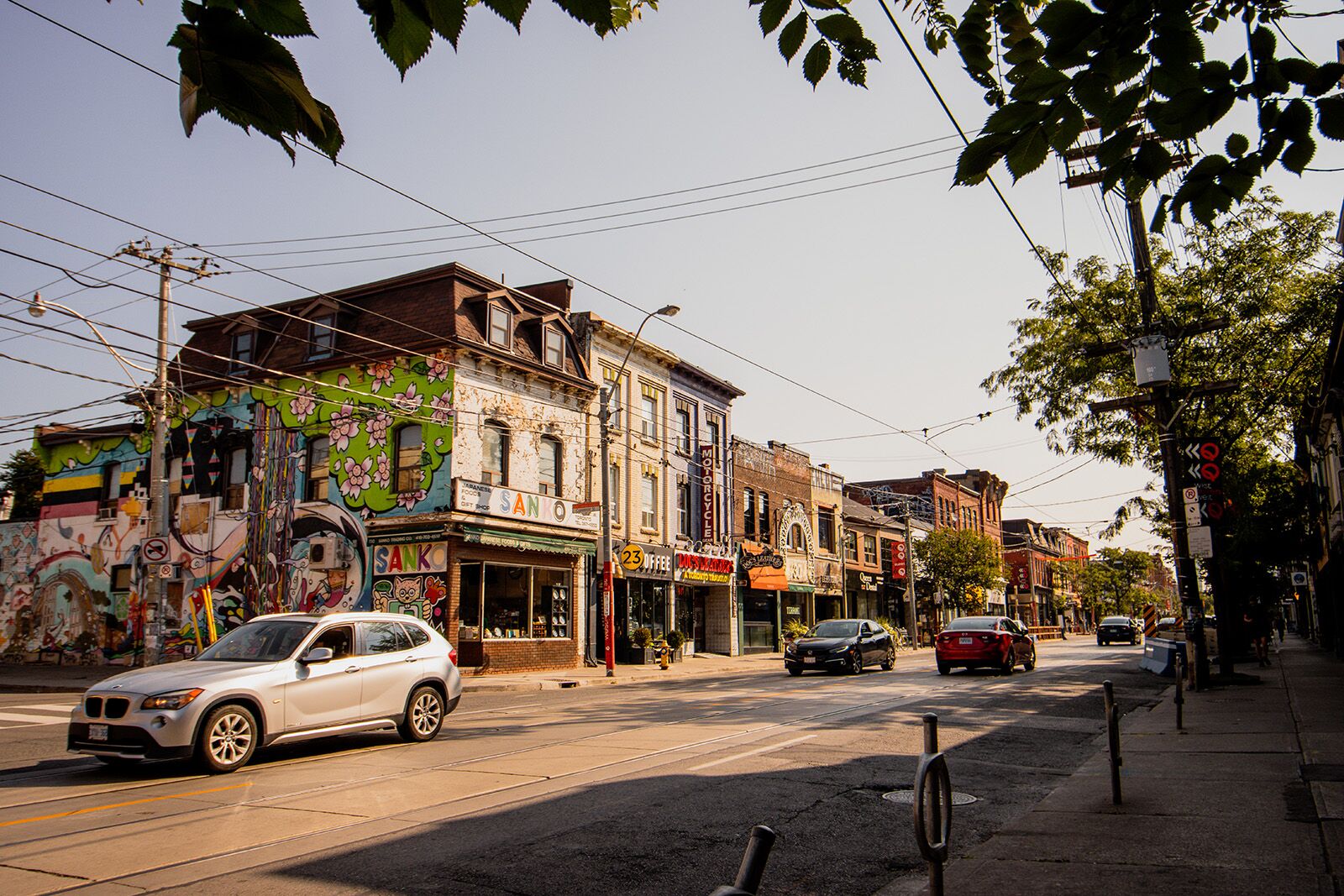
Kensington Market, a designated National Historic Site, represents the grit and grace of Toronto’s immigrant history. It is a neighborhood where Victorian architecture functions as a canvas for street art and eclectic storefronts. The culinary scene here is a global atlas; one can navigate from authentic Jamaican patties to Chilean empanadas, or experimental Caribbean-Italian fusion, such as the now-famous jerk chicken lasagna.
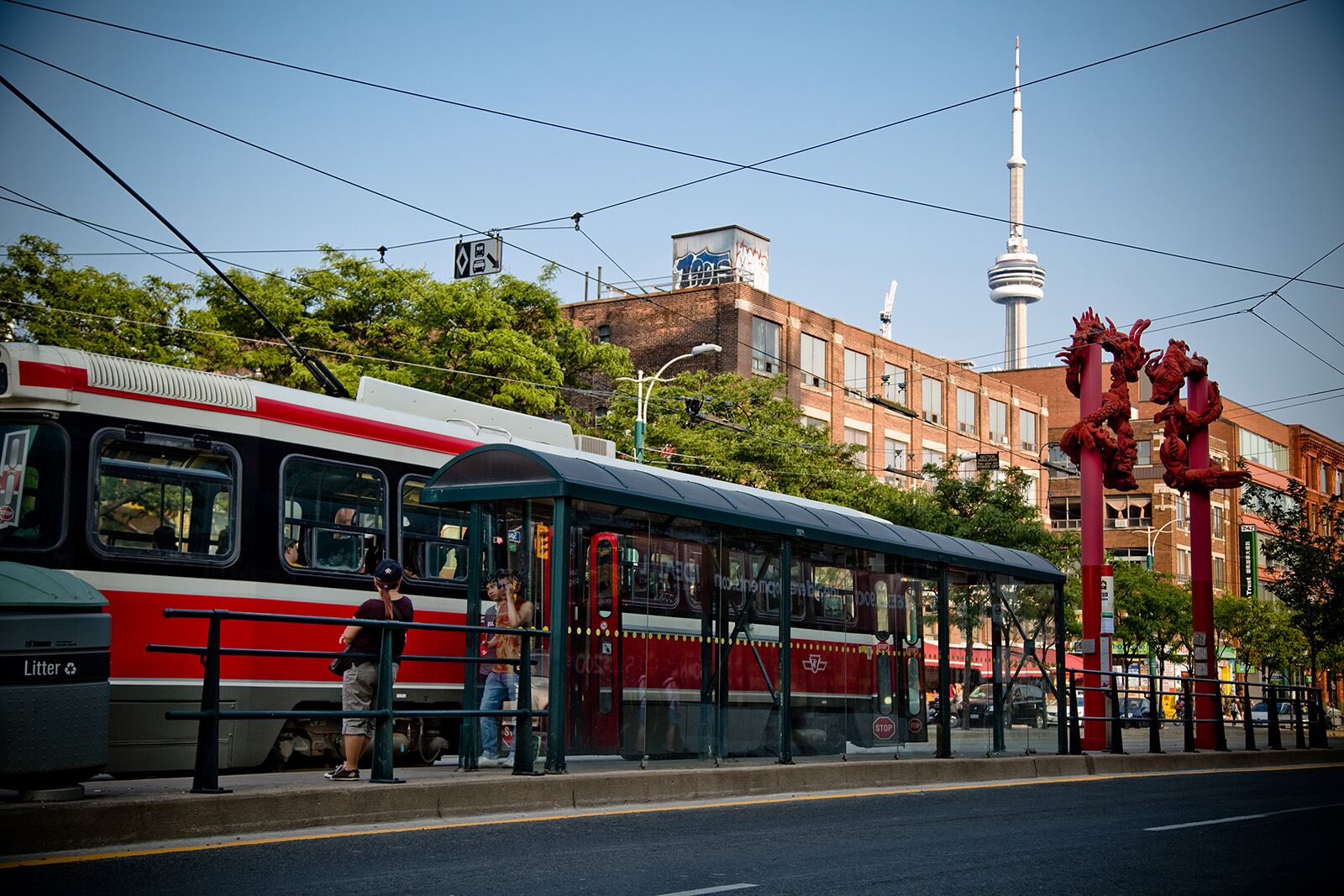
Adjacent to this is the city’s Chinatown, one of the most vibrant in North America. It serves as a sensory bridge between the old world and the new, filled with the aroma of handmade dim sum, the bustle of specialty grocers, and the quiet ritual of bubble tea shops.
Waterfront and Island Escapes: The Skyline’s Mirror
The Toronto waterfront offers a meditative contrast to the city’s concrete intensity. The Toronto Music Garden, conceptualized through the lens of Bach’s First Suite for Unaccompanied Cello, utilizes landscaping to evoke musicality—forest paths for rhythm and meadows for melody.
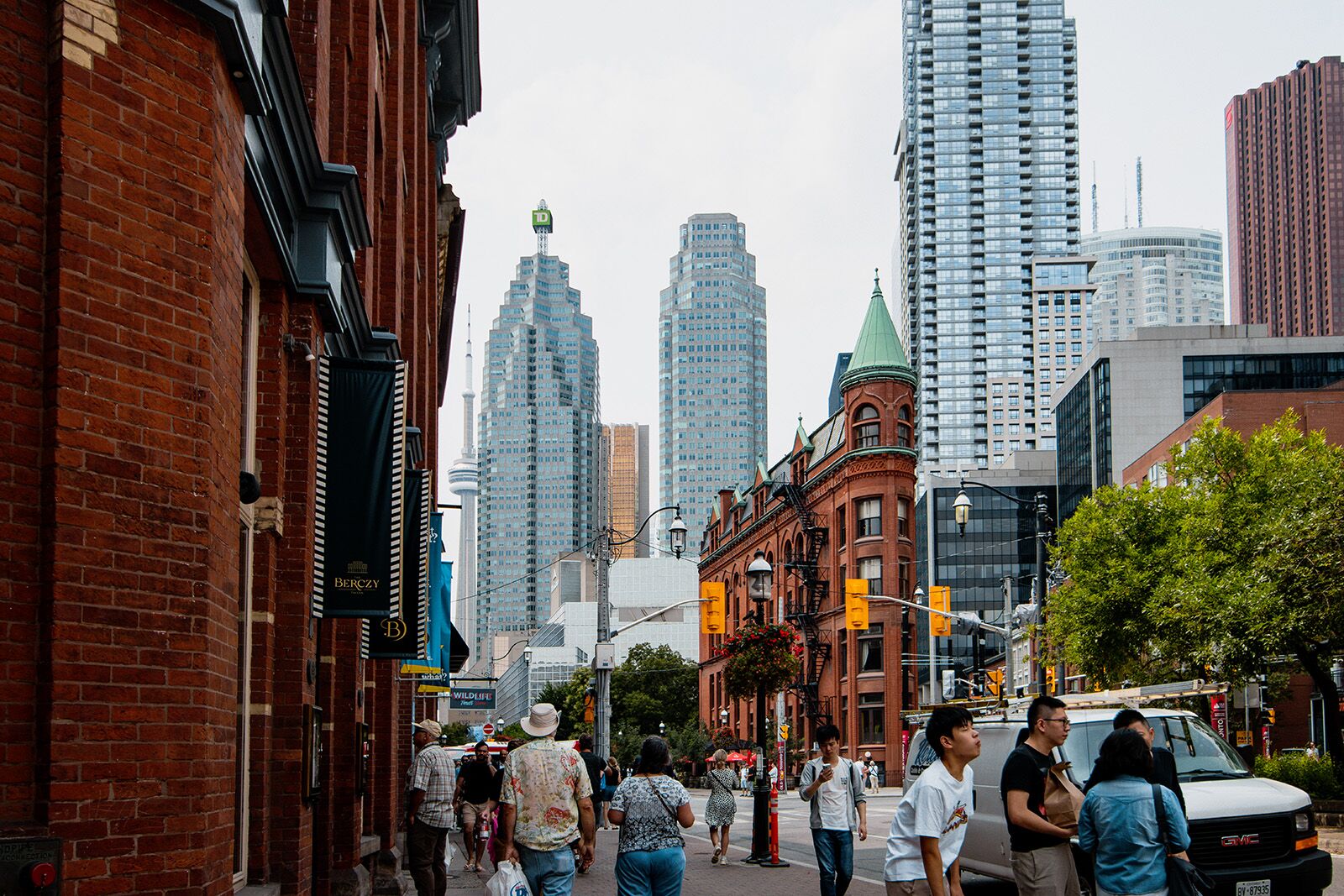
The ferry ride to the Toronto Islands remains the city’s ultimate "reset" button. Within 15 minutes, the steel skyscrapers recede, replaced by the Antique Carousel of Centreville Theme Park and the serene, tree-lined quietude of Ward’s Island. For the adventurous, Hanlan’s Point remains a sanctuary, hosting one of Canada’s only two clothing-optional beaches. The return trip provides a photographer’s dream: the sun setting behind the CN Tower, casting long, dramatic shadows across Lake Ontario.
Entertainment and The Edge of Adrenaline
The Entertainment District is dominated by the CN Tower, which remains the city’s undisputed icon. Beyond the 360-degree views from the observation deck, the EdgeWalk offers an adrenaline-fueled experience that challenges the limits of urban tourism. By holding the Guinness World Record for the world’s highest external walk on a building, the CN Tower has shifted its status from a passive landmark to an active participant in the visitor’s experience.
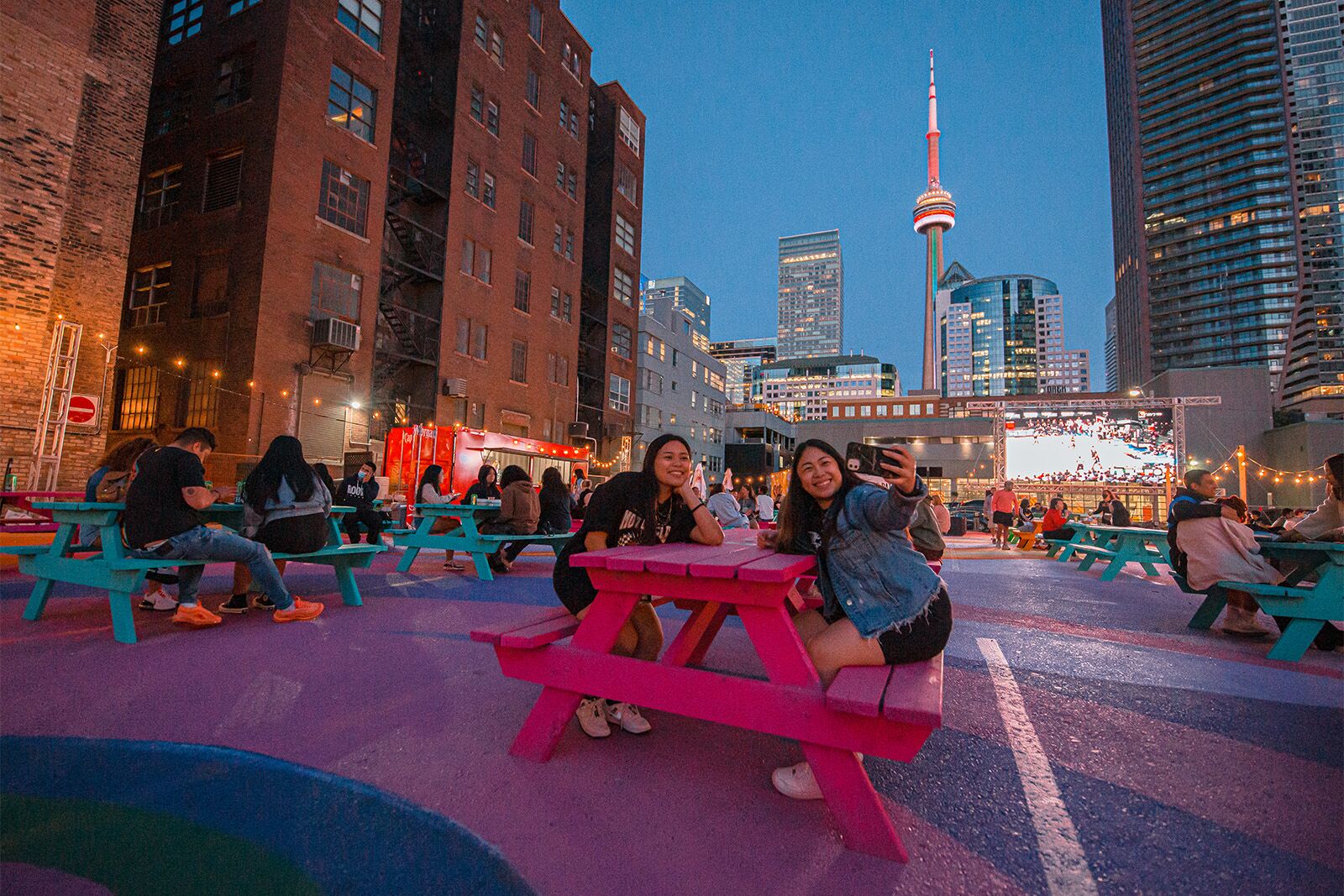
This district also serves as a hub for major cultural and sporting infrastructure. From the retractable roof of the Rogers Centre—home to the Toronto Blue Jays—to the immersive, bioluminescent tunnels of Ripley’s Aquarium, the area is engineered to accommodate the scale of a major global destination while maintaining accessibility.
Bloor-Yorkville and The Annex: Elegance and Eccentricity
Midtown Toronto offers a shift in atmosphere. Bloor-Yorkville is synonymous with high-end retail and the intellectual weight of the Royal Ontario Museum (ROM). The museum’s striking architecture acts as a beacon for the neighborhood, drawing crowds to its world-class archaeological and natural history collections.
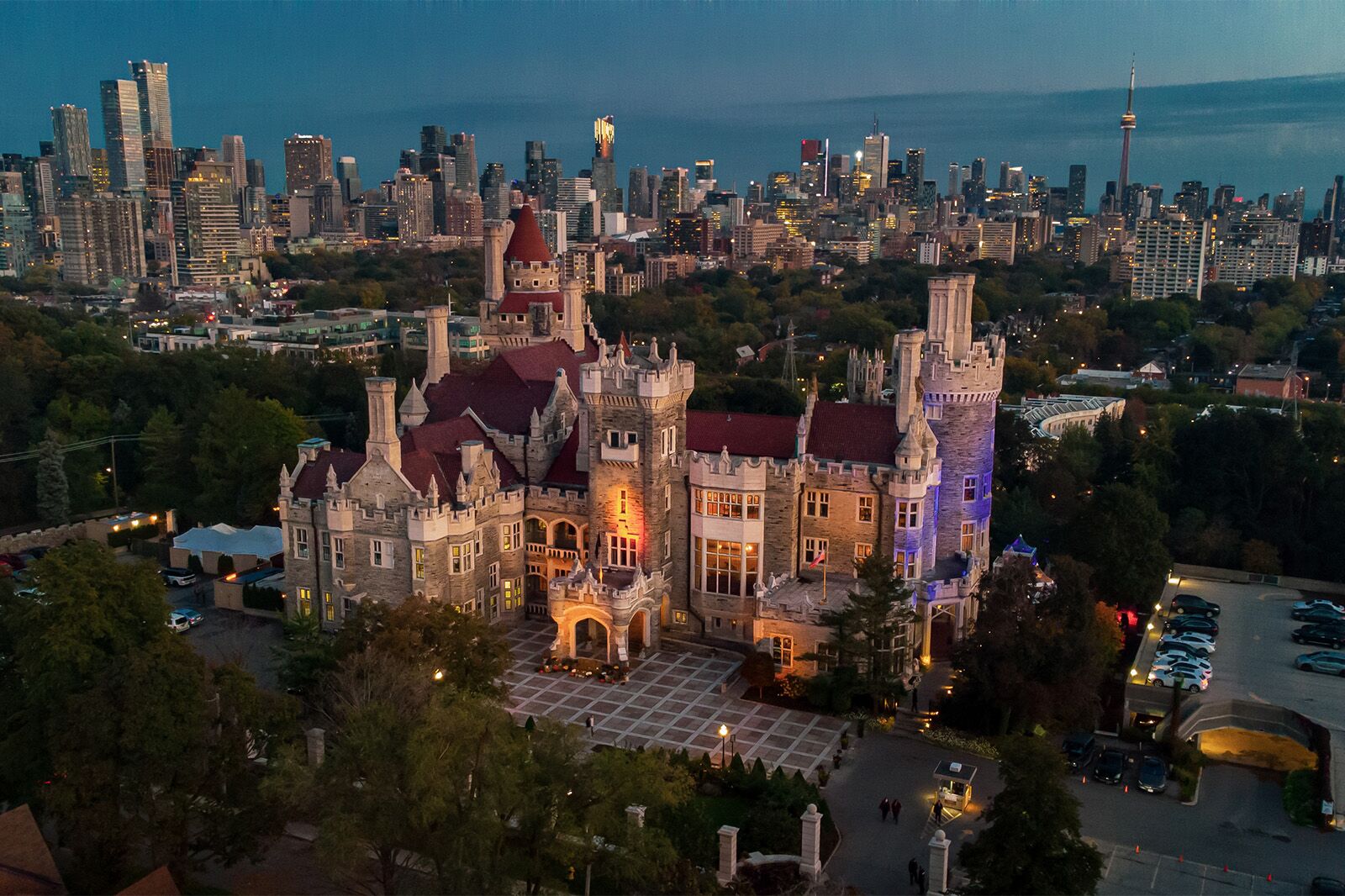
In nearby Annex, the Bata Shoe Museum offers a quirky, fascinating look at human history through the lens of footwear. The collection includes items as diverse as the shoes of Elvis Presley and the prosthetic running leg used by Canadian icon Terry Fox. It is this mix of the mundane and the monumental that characterizes Toronto’s approach to heritage.
The Green Lung: High Park and Beyond
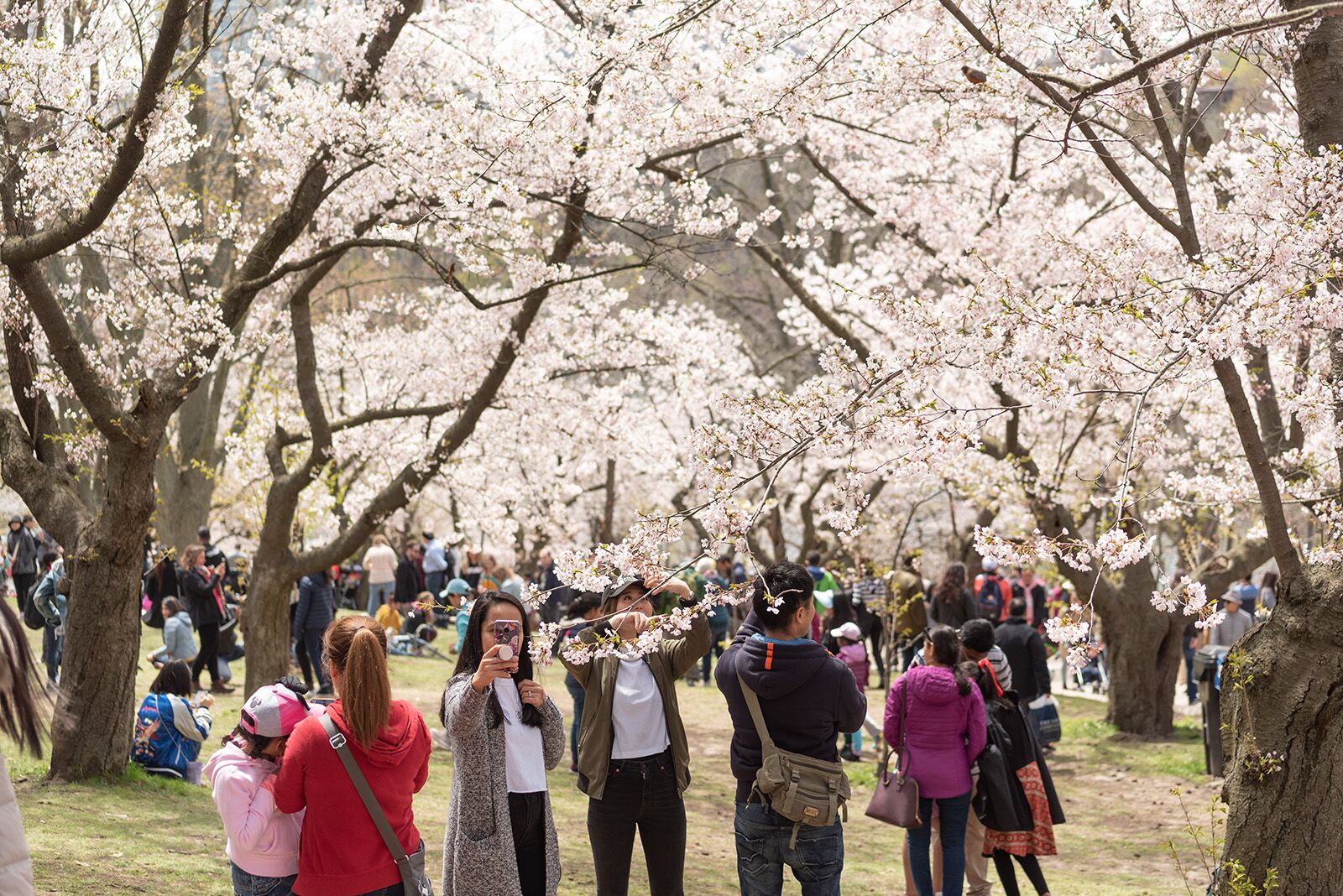
Toronto’s environmental strategy prioritizes green space amidst dense development. High Park is the crown jewel of this effort, featuring a rare black oak savannah ecosystem. During the spring, the arrival of the cherry blossoms creates a temporary, ethereal pink landscape that draws visitors from across the continent. Beyond the aesthetic, the park serves as a hub for community life, housing its own zoo, an amphitheater, and extensive sports facilities.
Official Perspectives: The Tourism Narrative
According to data provided by Destination Toronto, the city’s appeal lies in its "unexpected contrasts." Marketing campaigns emphasize that Toronto is not merely a financial capital, but a collection of neighborhoods that each provide a bespoke experience. Officials note that the city’s ability to preserve historic sites like the St. Lawrence Market—which has operated for over 200 years—while simultaneously building modern, world-class landmarks, is a key driver for repeat international visitors.
Implications: A City in Flux
The implications of Toronto’s current development trajectory are significant. As the city continues to densify, the challenge remains in maintaining the "neighborhood feel" that makes places like Queen West and the Fashion District so popular. The proliferation of street art, such as the vivid murals of Graffiti Alley, indicates a city that is willing to embrace the ephemeral and the creative over the sterile and the planned.
Furthermore, projects like "Pocket Planet Canada" in the Downtown Yonge area demonstrate a desire to turn the city into an interactive playground. By allowing visitors to "littlize" themselves and inhabit a miniature version of the country, Toronto is signaling that it is no longer content to be a passive observer of tourism; it is actively curating experiences that blend digital engagement with physical exploration.
Conclusion: A Uniquely Canadian Perspective
Toronto’s strength is its refusal to be defined by a single aesthetic. It is a city of red-brick markets and glass towers; of quiet island paths and frantic subway intersections; of deep historical roots and forward-looking, high-tech installations. It is this capacity to house the world—not just through its diverse population, but through its diverse experiences—that makes Toronto truly impossible to copy. Whether you are walking the PATH in the dead of winter or watching the sun dip behind the skyscrapers from the deck of a ferry, you are participating in a metropolitan rhythm that is, in every sense, uniquely Toronto.