

























































Navigating the Modern Landscape of Workplace Drug Testing: Balancing Safety, Compliance, and Employee Rights

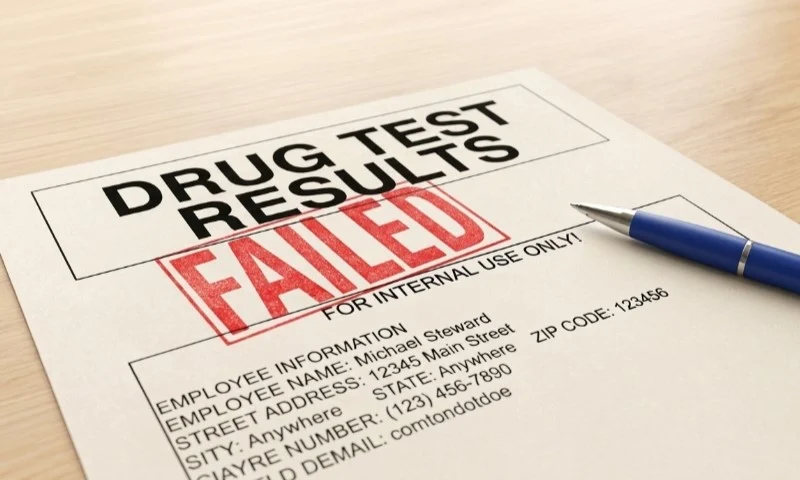
Employee drug testing has long been a cornerstone of occupational safety and risk management. Designed to identify substance use and mitigate the risks of impairment on the job, drug screening is a complex practice influenced by federal mandates, evolving state laws, and shifting societal attitudes toward substance use.
Recent data highlights the widespread adoption of these programs: approximately 40% of surveyed employers conduct drug testing for both regulated and nonregulated positions. This indicates that screening is no longer confined to federally mandated, safety-sensitive industries, but has become a standard tool for risk mitigation across diverse business sectors.
However, implementing an effective testing program requires a delicate balance. Employers must navigate the operational necessity of maintaining a safe workplace while respecting employee privacy, complying with evolving legal frameworks, and understanding the scientific limitations of current testing methodologies.
Main Facts: The Purpose and Scope of Workplace Drug Testing
At its core, workplace drug testing is designed to detect the presence of specific substances—including illicit drugs, misused prescription medications, and alcohol—in an employee’s system. Depending on the company’s objectives, industry regulations, and legal boundaries, employers utilize several testing methodologies:
- Urine Testing: The most common and cost-effective method, capable of detecting substance use within the past few days.
- Saliva (Oral Fluid) Testing: An increasingly popular method that offers a shorter detection window but is highly effective at identifying recent use, making it valuable for active impairment assessments.
- Hair Testing: Provides a much longer detection window (up to 90 days), making it ideal for identifying chronic or long-term patterns of substance use, though it is ineffective at detecting immediate, recent consumption.
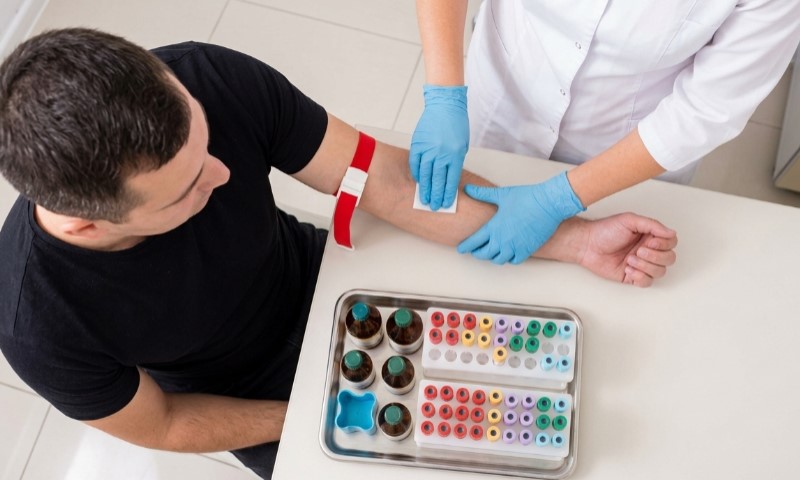
- Blood Testing: The most invasive and expensive method, but highly accurate for measuring active, real-time concentrations of substances in the bloodstream.
Employers implement these screening methods to achieve several key operational objectives:
- Promoting Workplace Safety: Minimizing the risk of accidents, injuries, and fatalities caused by impaired workers.
- Meeting Regulatory Obligations: Complying with federal mandates, such as those set by the U.S. Department of Transportation (DOT).
- Discouraging Substance Misuse: Acting as a preventive deterrent to discourage employees from consuming prohibited substances.
- Evaluating Fitness for Duty: Ensuring that employees are mentally and physically capable of performing their job responsibilities without posing a danger to themselves or others.
Chronology and Framework: How and When Testing Occurs
Workplace drug testing is not a singular event; rather, it is a structured process deployed at specific milestones during an individual’s employment lifecycle. These screening types are designed to address different operational needs and risk profiles.
[Job Application] ──> [Pre-Employment Test] ──> [Hiring] ──> [Random / Reasonable Suspicion / Post-Accident] ──> [Return-to-Duty (if violation occurs)]1. Pre-Employment Testing
Pre-employment testing is the most common entry point for drug screening. Conducted after a conditional offer of employment has been made but before the candidate officially begins working, this test determines if an applicant has recently used substances included in the employer’s testing panel. A clean test result is typically a mandatory condition of hire. To avoid legal challenges, organizations must apply these pre-employment policies consistently to all applicants within a given job category.
2. Random Testing
Random testing is conducted without advance notice, utilizing a scientifically validated neutral selection process (such as a computer-generated lottery) to select employees for screening. This method is highly prevalent in safety-sensitive industries, particularly transportation, where it serves as a powerful deterrent. Because employees cannot predict when they will be tested, random screening discourages substance use during active employment periods.
3. Reasonable Suspicion Testing
Also known as "for-cause" testing, this protocol is initiated when a trained supervisor observes objective, documented signs that suggest an employee may be actively impaired or under the influence of substances at work. Because of the potential for bias or legal liability, supervisors must rely on specific, articulable observations rather than hunches. Key indicators include:
- Physical signs, such as slurred speech, bloodshot eyes, unsteady gait, or the smell of alcohol/substances.
- Behavioral changes, including extreme mood swings, erratic actions, or sudden outbursts.
- Performance-related issues, such as a sudden, unexplained drop in motor skills or cognitive function.
4. Post-Accident Testing
Post-accident testing is conducted following a workplace accident, injury, or "near-miss" safety event, particularly when supervisor observation suggests that substance use could have contributed to the incident. Employers must establish clear, objective thresholds for post-accident testing—such as accidents resulting in bodily injury, significant property damage, or the towing of a vehicle—to comply with federal guidelines and avoid allegations of retaliation.
5. Return-to-Duty and Follow-Up Testing
When an employee violates a workplace drug policy but is not terminated, they must undergo a rigorous return-to-duty process. This typically involves completing a rehabilitation or substance abuse program, passing a return-to-duty drug test, and remaining subject to unannounced, follow-up testing for a specified period (often up to several years) to ensure continued compliance and recovery.
Supporting Data: The Statistical Reality of Substance-Related Risks
The correlation between substance use and workplace safety is supported by substantial empirical data. According to industry reports, workplace accidents are significantly more likely to involve individuals under the influence of drugs or alcohol.
A striking example of this correlation is found in the safety metrics reported for the combined U.S. workforce:
| Metric Type | Drug Positivity Rate (2024 Data) |
|---|---|
| Overall Workforce Positivity | 4.4% |
| Post-Accident Positivity | 10.2% |
The fact that the drug positivity rate among post-accident tests (10.2%) is more than double the overall workforce average (4.4%) underscores the direct connection between substance impairment and workplace incidents. This statistical gap explains why employers—especially those in high-risk sectors—view robust drug screening programs as a critical component of their safety protocols.
The True Cost of Workplace Accidents
Beyond the human toll, workplace accidents introduce severe financial and operational strains on organizations. By preventing impairment-related incidents, employers can significantly reduce exposure to several direct and indirect costs, including:
- Workers’ Compensation Claims: Skyrocketing medical and indemnity payments for injured workers.
- Legal Fees and Litigation: Costly defense fees, settlements, and damages resulting from liability lawsuits.
- Property and Equipment Damage: Direct costs associated with repairing or replacing specialized machinery, vehicles, and facilities.
- Lost Productivity: Operational downtime, disrupted workflows, and the administrative burden of retraining replacement staff.
- Insurance Premiums: Long-term increases in commercial liability and workers’ compensation insurance rates.
- Regulatory Penalties: Fines from government bodies like the Occupational Safety and Health Administration (OSHA) if safety failures are linked to negligence.
Regulatory Frameworks and Official Guidelines
Drug testing is heavily governed by federal, state, and local regulations. Employers must design their programs to align with these legal standards to avoid compliance violations, discrimination lawsuits, or union grievances.
Safety-Sensitive Roles and Federal Mandates
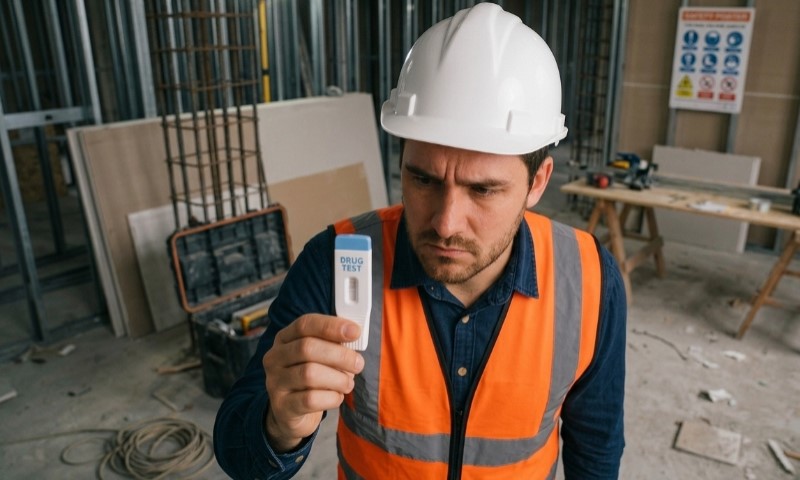
For many employers, drug testing is not optional. The U.S. Department of Transportation (DOT) mandates strict testing programs for employees in safety-sensitive positions across various transportation sectors, including commercial trucking (FMCSA), aviation (FAA), railways (FRA), transit (FTA), and pipelines (PHMSA).
These federally regulated programs must adhere strictly to established guidelines. For instance, employers conducting DOT-regulated testing must follow the latest DOT collection guidelines. These guidelines outline precise, legally defensible procedures for urine specimen collection, chain-of-custody documentation, and laboratory analysis to ensure accuracy and prevent tampering.
State and Local Variations: The Cannabis Challenge
While federal regulations are uniform, nonregulated employers face a complex patchwork of state and local laws. The rapid legalization of medical and recreational cannabis has created significant legal hurdles for businesses.
In some jurisdictions, state laws protect employees who use medical cannabis off-duty, prohibiting employers from terminating them based solely on a positive drug test unless active on-the-job impairment can be proven. Conversely, other states maintain "employment-at-will" standards that allow employers to enforce strict, zero-tolerance policies regardless of a drug’s legal status under state law.
Because cannabis is still classified as a Schedule I controlled substance at the federal level, federally regulated positions (such as DOT-covered workers) remain subject to strict zero-tolerance policies, overriding any state-level legalization.
Implications: Impairment vs. Detection and Future Outlook
As testing technologies and legal landscapes evolve, employers face a critical scientific and philosophical question: Does a positive drug test prove current impairment?
The Detection Gap
With traditional testing methods, the answer is often no. Drug test results require careful, professional interpretation. Certain substances, particularly cannabis metabolites, can remain detectable in urine or hair for days or even weeks after their psychoactive effects have entirely worn off. Consequently, a positive test result may indicate prior off-duty consumption rather than active, on-the-job impairment.
[Substance Consumption] ───> [Psychoactive Impairment Window: Hours]
                        ───> [Detection Window (Urine/Hair): Days to Weeks]
To address this gap, some employers are shifting toward oral fluid testing, which has a much shorter detection window and aligns more closely with the window of active impairment. Others are exploring cognitive impairment testing—using computer-based reaction and focus tests—to measure actual fitness for duty in real-time, regardless of the underlying cause (e.g., substance use, severe fatigue, or medical illness).
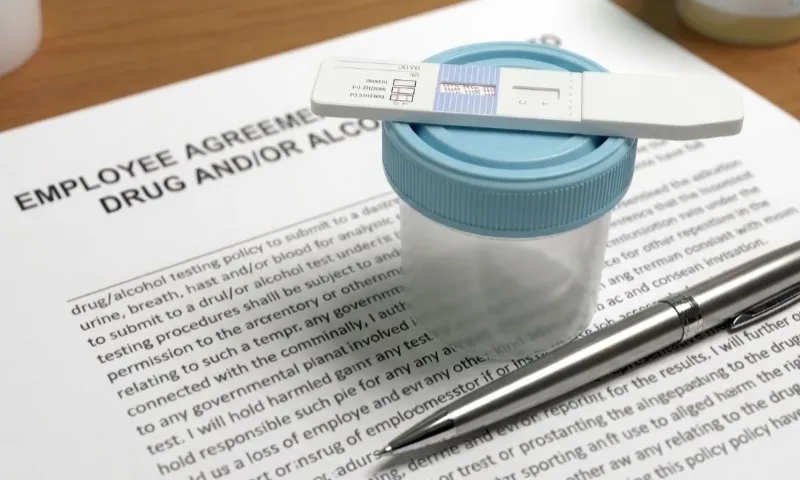
The Standard 5-Panel Test and Its Limitations
The standard 5-panel drug test remains the benchmark for most corporate screening programs. It is designed to target five primary categories of substances:
- Amphetamines: Including methamphetamine, MDMA (Ecstasy), and amphetamine-based prescription stimulants.
- Cocaine: Detecting both cocaine and its primary metabolites.
- Opiates: Targeting natural opiates like codeine, morphine, and heroin (6-MAM), though many employers expand this to include synthetic opioids like oxycodone and hydrocodone.
- Phencyclidine (PCP): A powerful hallucinogen and dissociative anesthetic.
- Marijuana (THC): Detecting the presence of tetrahydrocannabinol metabolites.
While the 5-panel test covers the most commonly abused substances, it is not exhaustive. Synthetic cannabinoids, designer drugs, and certain prescription medications escape detection under a standard panel. Employers in high-risk environments often utilize expanded panels (such as 9-panel, 10-panel, or 12-panel tests) to screen for a broader spectrum of substances, including benzodiazepines, barbiturates, and methadone.
Moving Beyond Punitive Testing: A Holistic Approach
Modern human resource professionals and safety experts emphasize that drug testing should not exist in a vacuum. A purely punitive approach can discourage employees from seeking help for substance use disorders, potentially driving the problem underground and increasing workplace risks.
A more effective, modern strategy combines testing with comprehensive support systems, including:
- Clear, Transparent Policies: Written guidelines detailing exactly when testing occurs, which substances are targeted, and the consequences of a positive result.
- Employee Assistance Programs (EAPs): Confidential counseling and referral services that help employees address substance use, mental health, and personal challenges before they impact work performance.
- Supervisor Training: Educating managers on how to recognize the signs of impairment, document observations objectively, and initiate reasonable suspicion protocols constructively.
- De-stigmatization of Treatment: Creating a culture where employees feel safe self-reporting substance issues and seeking rehabilitation without fear of immediate termination.
By blending consistent screening protocols with proactive education and robust recovery support, organizations can build a resilient safety culture. This balanced approach protects the physical well-being of the workforce, minimizes operational liability, and fosters a supportive, high-performing organizational environment.