





















































The Shadow of a Moderate: Angie Craig’s Departure Ignites Fiery DFL Primary in Minnesota’s 2nd District

WASHINGTON, D.C. – The departure of U.S. Representative Angie Craig from Minnesota’s fiercely contested 2nd Congressional District to pursue a Senate seat has unleashed a dynamic and ideologically charged Democratic-Farmer-Labor (DFL) primary. While Craig, a four-term incumbent known for her moderate appeal, has declared neutrality in the race to succeed her, her considerable legacy and recent political maneuvering cast a long, complex shadow over the three Democrats vying for the nomination: former state senator Matt Little, state senator Matt Klein, and state representative Kaela Berg.
The August 11 primary is shaping up as a crucial test of the DFL’s direction in a district long considered the state’s most politically "purple." Voters, already signaling a desire for change, are now confronted with a choice between moderate continuity and progressive momentum, a decision that will profoundly shape the DFL’s ability to retain control of a district Craig painstakingly wrested from Republican hands.
Craig’s Legacy and the Open Seat Challenge
Angie Craig first made history in 2018, flipping Minnesota’s 2nd Congressional District from Republican control, a significant victory in a region that had trended conservative for decades. Her success was largely attributed to a meticulously cultivated moderate stance, allowing her to build a broad coalition of voters across the district’s diverse landscape, which spans the southern Twin Cities suburbs and rural agricultural communities. This strategic centrism enabled her to secure four consecutive terms, solidifying the DFL’s foothold in a district often seen as a bellwether for statewide and national political trends.
However, Craig’s political journey has now led her to pursue the U.S. Senate seat currently held by Senator Tina Smith, who is retiring. This decision, while a significant upward move for Craig, has left a void in the 2nd District, transforming what might have been a relatively straightforward re-election campaign into an open-seat scramble. The primary contest is not merely about choosing a candidate; it’s about defining the ideological future of the DFL in a district where broad appeal is paramount for general election success.
The Ideological Fault Lines: Moderates vs. Progressives
The primary race has quickly crystallized into a battle between the DFL’s moderate and progressive wings, each presenting a distinct vision for representing the 2nd District.
Matt Little: The Progressive Standard-Bearer
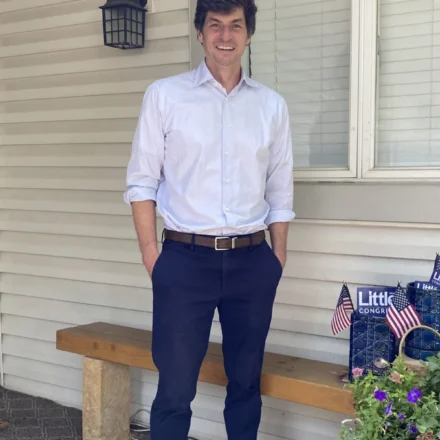
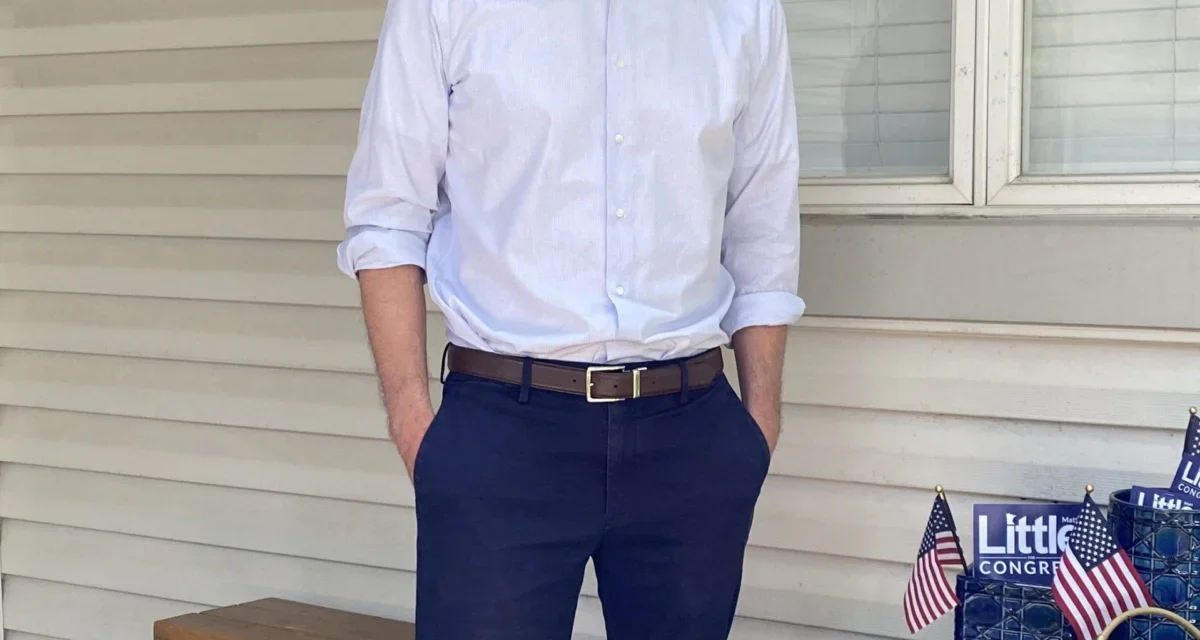
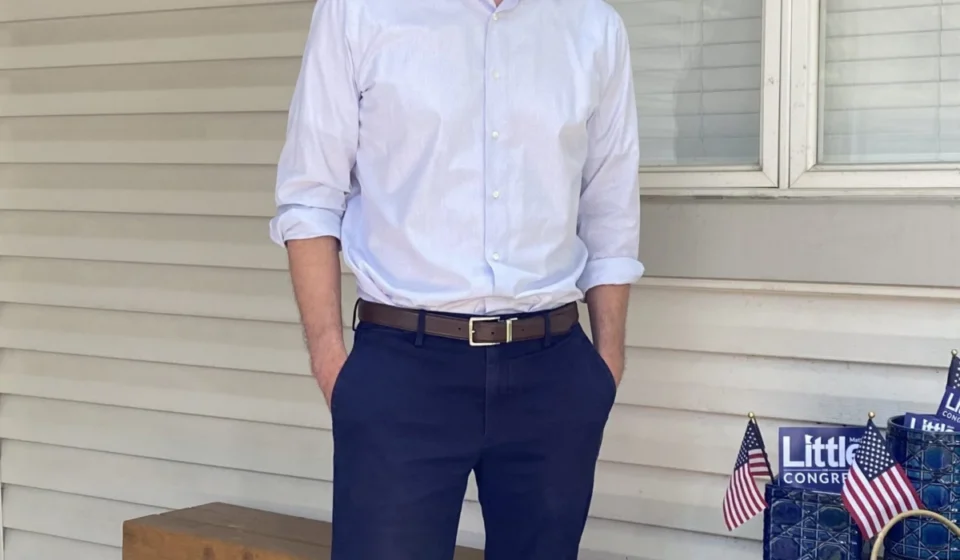
Matt Little, a former state senator and one-time mayor of Lakeville, has emerged as the most outwardly progressive candidate in the field. He has secured the coveted DFL Party endorsement, a significant achievement that typically signals strong grassroots support and organizational backing. Little’s campaign aims to tap into a growing progressive sentiment within the DFL, particularly energized by recent political events.
However, Little’s progressive stance has also informed his complicated relationship with Craig’s potential endorsement. He openly stated that he is not seeking Craig’s backing, acknowledging her clear position of non-endorsement. This strategic distance, as explained by Hamline University political science professor David Schultz, stems from a concern that an endorsement from Craig could alienate the progressive voters Little is actively courting. Schultz notes, "Little is trying to run as the candidate furthest to the left. And he’s concerned that because of (Craig’s) support for the Laken Riley Act, progressives may not support him if he has her endorsement."

This concern highlights a significant fissure within the DFL. Craig’s legislative record, while largely moderate, has recently drawn fire from the party’s progressive flank. Her votes for certain GOP-sponsored legislation, particularly bills supporting police and, prior to the controversial "Operation Metro Surge," stronger border security, created tension. The most significant point of contention was her support for the Laken Riley Act. This federal legislation empowers the Department of Homeland Security to detain and deport non-citizens charged with—not merely arrested for or convicted of—offenses like burglary, shoplifting, or assault on a law enforcement officer. Craig later expressed regret for her vote, acknowledging the strong progressive backlash it generated. For Little, aligning too closely with Craig could undermine his credibility with the very base he seeks to mobilize.
Matt Klein: Championing Moderation
In stark contrast to Little, State Senator Matt Klein openly embraces Craig’s moderate legacy and actively seeks her endorsement. Klein, a physician at the Mayo Clinic in Rochester, sees himself as a natural successor to Craig’s political style, emphasizing the need for a candidate who can bridge partisan divides. "I would be honored to have it," Klein stated regarding Craig’s endorsement, positioning himself as the inheritor of her successful moderate formula.
Klein’s campaign strategy is rooted in the belief that the 2nd District, despite recent shifts, remains a "swing district" where centrist appeal is essential. "This is the last swing district in Minnesota," he affirmed. "To hold it, you have to bridge a (partisan) divide." His legislative experience in the state Senate, representing suburban areas, has seen him appeal to unaffiliated voters and even moderate Republicans, mirroring Craig’s own path to victory. Klein is banking on the idea that the district, while leaning DFL, still demands a candidate capable of broad consensus-building rather than one solely focused on the progressive base. He worries that a candidate too far to the left might struggle in the general election against a Republican opponent.
Kaela Berg: A Woman’s Voice and Blue-Collar Roots
State Representative Kaela Berg, representing Burnsville, offers a unique blend of progressive values and pragmatic appeal. A flight attendant by profession, Berg emphasizes her working-class background and strong ties to organized labor. Like Klein, Berg has actively sought Craig’s endorsement, eager to highlight her close working relationship with the congresswoman on community projects, including securing funding for a critical intersection.
Berg’s campaign also strategically leverages her gender. As the only woman in the DFL primary, she directly appeals to the idea of maintaining a female presence in the seat, a sentiment that political experts believe holds significant weight in the district. "I’m the only woman in the Blue Collar Brigade, and the only woman in the race," Berg declared, referencing her affiliation with a national group of working-class House candidates. "That matters right now. I love an ally and a great dude, but women’s voices are needed right now." Hamline University’s David Schultz concurs, noting that "because of Craig, many voters in the 2nd District view it now as a female seat." This perception, combined with the backing of Emily’s List – a powerful organization supporting pro-choice female candidates – provides Berg with significant organizational and financial advantages, including campaign advice and promotional advertisements.
However, Berg, despite seeking Craig’s endorsement, is also running as a progressive, making her position complex. Schultz points out that while the "woman’s seat" narrative is beneficial, an explicit endorsement from Craig "may alienate the progressive voters she needs now." Berg, like Little, must navigate the delicate balance of appealing to the energized progressive base while not alienating the broader electorate that valued Craig’s moderation.
Craig’s Strategic Neutrality and its Ramifications
Rep. Craig’s decision to remain neutral in the primary is a calculated move, rife with both political wisdom and potential peril. On one hand, it aligns with the conventional wisdom, as University of Minnesota political science professor Larry Jacobs observes: "I think there’s a sense of ‘letting the voters decide.’" Incumbents often avoid endorsing a potential successor to prevent alienating segments of their base, especially when they themselves are facing a competitive primary. In Craig’s case, she is running against Lt. Gov. Peggy Flanagan for the Senate, and alienating either moderate or progressive DFL factions in the 2nd District primary could jeopardize her own statewide ambitions. Endorsing a moderate could anger progressives, while endorsing a progressive could be seen as a betrayal of her own centrist brand.

On the other hand, Craig’s non-endorsement leaves a leadership vacuum that the candidates are scrambling to fill. Her "long shadow" is not just about her past successes but also about the strategic playbook she perfected. The district’s "purple" nature – a blend of suburban affluence, exurban growth, and rural conservatism – demands a candidate capable of nuanced messaging and broad outreach. Craig’s ability to win by nearly 14 percentage points in her last re-election in 2024 against Republican Joe Teirab, a significant margin for a swing district, underscores the effectiveness of her moderate approach. The question now is whether the DFL primary will produce a candidate who can replicate that success, or if the ideological divides will create a nominee too far to either side to appeal to the district’s diverse electorate.
The Battle for the ‘Purple’ District: Demographics and Shifting Sands
Minnesota’s 2nd Congressional District is a microcosm of the nation’s political landscape, characterized by its blend of urban-adjacent suburbs and rural agricultural areas. This demographic mix makes it inherently competitive, capable of swinging between parties depending on the political climate and candidate appeal.
The district has witnessed a "surge of progressive activists" in recent years, a phenomenon not unique to CD-2 but amplified by specific state and national events. The article mentions "Operation Metro Surge," which, without further detail, implies a significant event or policy that created "chaos in the state" and energized progressive Democrats. This shift in the DFL base presents a challenge for candidates, forcing them to balance the demands of an energized progressive electorate with the necessity of appealing to more moderate and independent voters in the general election.
Matt Klein, the moderate, explicitly highlights this challenge: "Democrats now have an advantage in the district, which analysts say leans Democratic. But it’s not clear how far it leans Democratic. The question is, ‘Can a progressive candidate win in parts of the district that are not progressive?’" This query encapsulates the central strategic dilemma for the DFL in this primary. Klein hopes that the presence of two progressive candidates, Little and Berg, will split the progressive vote, thereby clearing a path for his moderate candidacy. Larry Jacobs agrees, calling it a "possible scenario that would open a path for Klein to win the nomination."
The eventual DFL nominee will face Republican State Senator Eric Pratt, who represents most of Scott County and resides in Prior Lake. Pratt’s presence underscores the need for the DFL candidate to pivot to the center after the primary, a strategic move Klein explicitly advocates for. "And we can’t just say, ‘We’ll see what the progressive (voters) are up to this year,’" Klein emphasized. "We need a Democrat who can win every cycle." This sentiment reflects the pragmatism required to hold such a finely balanced district.
Fundraising Fortunes and General Election Prospects
Campaign fundraising is often a strong indicator of candidate viability and external support. In the 2nd District primary, the financial landscape reveals important dynamics. Angie Craig’s previous campaigns were characterized by her prodigious fundraising ability, raising approximately $8.3 million in her last re-election bid in 2024. This massive war chest was a defining characteristic of her ability to compete and win in one of the nation’s most expensive congressional races.
The current DFL primary candidates, however, are operating on a significantly smaller scale, reflecting the challenges of an open-seat primary and the absence of an incumbent’s fundraising machine. According to the latest Federal Election Committee filings as of June 30:

- Matt Klein leads the DFL field in fundraising, having raised over $1 million. This figure suggests significant donor confidence in his moderate platform and electability.
- Matt Little follows with nearly $900,000, which includes a substantial $155,000 personal loan to his campaign. While impressive, the reliance on a personal loan highlights the intensity of his fundraising efforts.
- Kaela Berg has raised $355,000. While lower than her male counterparts, her campaign is bolstered by the strategic financial and advisory support from Emily’s List, which also produces ads promoting her candidacy.
For comparison, the Republican challenger, State Senator Eric Pratt, has raised about $462,000. These figures indicate that the eventual DFL nominee will need to significantly ramp up fundraising efforts to match the historical spending levels of the district and effectively counter the Republican opposition in the general election. The ability to raise substantial campaign cash, a hallmark of Craig’s tenure, will be a critical challenge for whoever emerges victorious from the primary.
The Defining Characteristic: Hard Work and Community Ties
Beyond ideology and fundraising, the next representative will inherit another defining characteristic of Angie Craig’s legacy: her reputation as a diligent worker deeply connected to her constituents. "She’s a hard worker," Larry Jacobs noted, "And she has extensive relationships with people in the district." This grassroots engagement and constant presence in the community were fundamental to Craig’s ability to transcend partisan lines and build trust with a diverse electorate.
Whoever wins the DFL primary will not only need to navigate the ideological currents of the party but also cultivate the kind of deep, personal relationships with voters that defined Craig’s tenure. In a district that values responsiveness and local engagement, the capacity for hard work and genuine connection will be just as crucial as a well-defined policy platform.
The August 11 primary represents a pivotal moment for Minnesota’s 2nd Congressional District. The choice before DFL voters is not simply about selecting a name on a ballot, but about charting the ideological course for the party in a district that demands both progressive energy and broad, moderate appeal. The shadow of Angie Craig’s success, and the lessons of her strategic moderation, loom large over a race where the stakes are high, and the path to victory is anything but clear.