














































The dinner table, once a sanctuary from the volatility of partisan politics, has been transformed into a central front in the race for control of Congress. As the U.S. midterm elections approach, the safety of the nation’s food supply has shifted from a regulatory technicality to a volatile political weapon, fueled by a summer of high-profile outbreaks and a contentious debate over the efficacy of federal oversight.
From the shuttering of salad bars at national restaurant chains to viral social media campaigns highlighting product recalls, the anxiety surrounding what Americans eat has reached a fever pitch. With Democrats positioning food safety as a failure of the current administration’s fiscal priorities and the Trump White House defending its record as a triumph of efficient governance, the debate has evolved into a "food fight" that threatens to influence voters’ decisions at the ballot box.
The Summer of Scares: A Chronology of Crisis
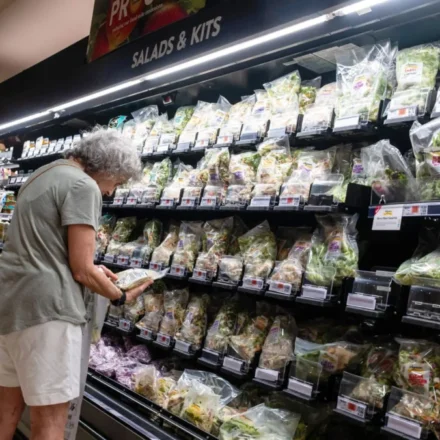
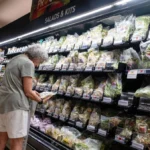
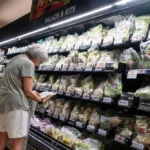
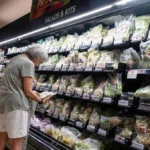
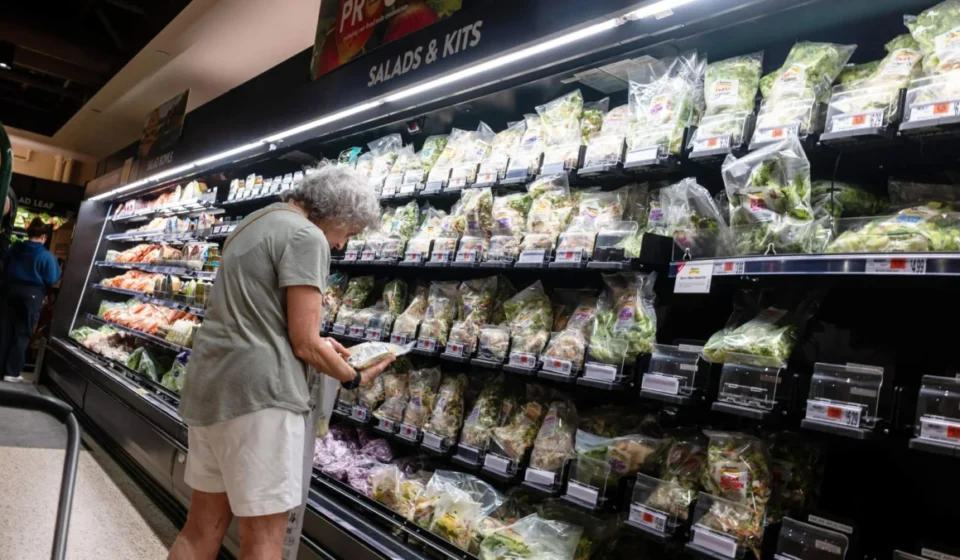
The current crisis traces its roots to a series of events that began in late spring, creating a cascading effect on public confidence. Between May and August of this year, the nation experienced a massive, multi-state outbreak of cyclosporiasis—a parasitic infection linked to contaminated lettuce. According to data from the Centers for Disease Control and Prevention (CDC), the outbreak resulted in nearly 20,000 laboratory-confirmed cases of illness. To put this in perspective, the same period in 2025 saw only 1,180 cases, marking the largest recorded outbreak of the parasite in U.S. history.
The impact was immediate and visible. Chain restaurants, including industry titans like Chipotle and Taco Bell, preemptively pulled lettuce, jalapeños, and other fresh ingredients from menus to mitigate risk and reassure nervous patrons. Late-night talk show hosts turned the graphic symptoms—which included debilitating gastrointestinal distress—into punchlines, further cementing the issue in the public consciousness.
While these events unfolded, the government’s response became a lightning rod for criticism. Advocacy groups and food safety scientists began to draw direct lines between the severity of the outbreaks and federal budget cuts to public health agencies. By late summer, the discourse had hardened into a partisan stalemate: Democrats argued that a "slashed" regulatory state was incapable of protecting the public, while the administration dismissed these claims as politically motivated "scaremongering."
Analyzing the Data: Recalls and Reality
Behind the political rhetoric lies a complex web of data. According to the U.S. Public Interest Research Group (PIRG), there have been approximately 200 food recalls so far in 2026. While this number is statistically on par with the same period in 2025, the nature and perception of these recalls have shifted.
A report by Trace One, a regulatory guidance firm, notes that total food recalls grew by 21% between 2021 and 2025. Crucially, this rise was driven by an increase in "Class I" recalls—the most severe category, reserved for products that could cause serious illness or death. Teresa Murray, consumer watchdog director at PIRG, argues that the combination of "high-profile restaurant names and the absolute colossal number of illnesses" is what has made this year’s cycle feel fundamentally different to the average voter.
However, epidemiologists caution that raw recall numbers can be misleading. A single contaminated ingredient, such as a bulk batch of produce, can trigger a domino effect of recalls across various processed food manufacturers, inflating the total count. Some experts, like Professor Craig Hedberg of the University of Minnesota, point to a more nuanced reality: while outbreaks are being identified more frequently, the number of people falling ill from common bacterial contaminants like E. coli and Salmonella is actually trending downward. "That’s an indication we’re finding more outbreaks when they are smaller," Hedberg suggests, "thereby limiting the extent to which they can become systemic crises."
The Battle of the Narratives: Official Responses
The political tension reached a breaking point when the FDA posted on social media that fiscal year 2026 recalls were among the lowest in a decade, branding critics as purveyors of "fake news." The administration’s position is bolstered by HHS senior adviser Calley Means, who has characterized Democratic attacks as "craven" and "disingenuous," asserting that the FDA is effectively conducting its duties.
This narrative has been met with fierce pushback from former officials. Susan Mayne, who served as director of the FDA’s Center for Food Safety and Applied Nutrition from 2015 to 2023, publicly contested the administration’s data. Mayne noted that the FDA’s "low recall" totals appear to be skewed by the inclusion of non-food products, such as medical devices and pharmaceuticals. "This HHS assertion appears to be based on incorrect data," Mayne stated, accusing the agency of conflating disparate categories to present a misleading picture of food safety.
Meanwhile, the Democratic National Committee (DNC) has turned the heat on Health and Human Services Secretary Robert F. Kennedy Jr., labeling him a "complete disaster" and demanding his resignation. High-profile figures like Sen. Elizabeth Warren (D-Mass.) have taken to social media to link specific outbreaks to the administration’s broader policies, accusing the White House of "gutting" the FDA and the USDA.
The Policy Shift: Implications for the Future
The core of the disagreement lies in the administration’s regulatory philosophy. Critics point to several specific actions taken by the Trump administration as evidence of a weakened food safety net:
- Deregulation of Meat Processing: The administration has signaled a move to make it easier for small livestock operations to slaughter and process their own meat, a move that critics fear will bypass rigorous federal inspection standards.
- Increased Imports: The U.S. has moved to increase beef imports from Brazil and Argentina, nations that have faced scrutiny from the European Union over antibiotic use and safety compliance.
- Rule Withdrawals: The administration withdrew a proposed rule from the previous term that would have restricted the sale of raw poultry containing high levels of Salmonella.
- Traceability Delays: The implementation of a rule requiring grocery stores to trace food through the supply chain—crucial for rapid response during contamination events—was pushed back from early 2026 to July 2028.
HHS spokesperson Grace Davis Jamison defended these moves, noting that the administration is "working closely with health departments in all 50 states" and that the delays in rulemaking were granted in response to industry concerns regarding compliance timelines. She emphasized that FDA and CDC outbreak investigation teams remain fully staffed and operational.
The Voter’s Verdict: A Crisis of Confidence
For the American public, the result of this back-and-forth is a palpable decline in trust. A July survey by Quinnipiac University found that a majority of registered voters have little to no confidence in government oversight of food safety. Even more striking, a poll by GS1 US found that 94% of U.S. adults are concerned about the frequency of food recalls.
Data from the University of Illinois and Purdue University reflects a sharp decline in the share of consumers who believe the U.S. food system is safe, dropping from 40% in November to 30% by August. This skepticism is not just abstract; it is changing consumer behavior. Nearly half of consumers report changing their grocery shopping habits, and 40% have altered their dining-out choices in response to fears of foodborne illness.
As Sandra Eskin, chief executive of the nonprofit Stop Foodborne Illness, points out, the irony is profound: "If you want people to eat real food—fresh fruits and vegetables—they have to be safe. Instead, we have had farmers plowing under fields because people aren’t buying lettuce."
As the midterm elections loom, the "food fight" serves as a microcosm of the larger national divide. Whether it is a legitimate public health crisis or a political fabrication, the issue of food safety has tapped into a primal consumer anxiety. With voters increasingly wary of the food on their plates and the politicians on their screens, the question of who is responsible for keeping the American dinner table safe has become as essential as the food itself.