





















































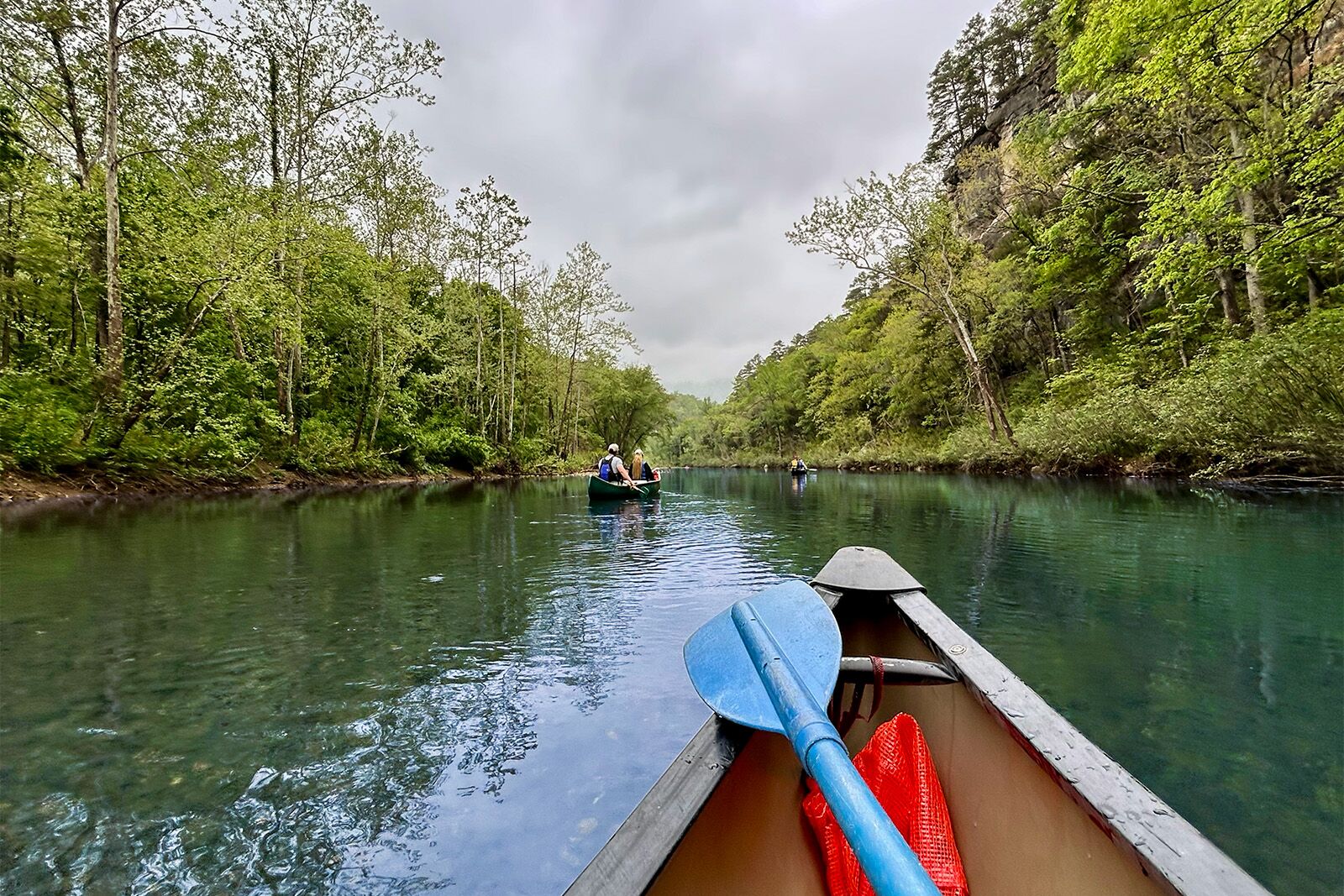
Deep in the heart of the Ozarks, where limestone bluffs rise like ancient sentinels above the winding, pristine waters of the Buffalo National River, a quiet revolution is unfolding. It is a place where the silken current of the river serves as a reminder of nature’s endurance, and where the modern landscape of Northwest Arkansas (NWA) has evolved into a sophisticated tapestry of world-class art, culinary innovation, and outdoor adventure.
This region, once known primarily for its rugged, untouched beauty, has transformed into a dynamic destination that balances the preservation of a fragile ecosystem with the rapid growth of a modern, forward-thinking metropolis.
The Guardian of the River: Main Facts of a Preservationist Legacy
The Buffalo National River is the cornerstone of the region’s identity. Designated in 1972 as the nation’s first National River, it remains a testament to the power of grassroots activism. The story of the Buffalo is inseparable from the work of Dr. Neil Compton, a visionary preservationist who founded the Ozark Society in 1962.
At the time, the U.S. Army Corps of Engineers had proposed plans to dam the river, a move that would have permanently altered the ecology of the Ozark highlands. Dr. Compton’s campaign to save the waterway was one of the most significant environmental victories of the 20th century. Today, the river remains one of the few undammed waterways in the Lower 48 states.
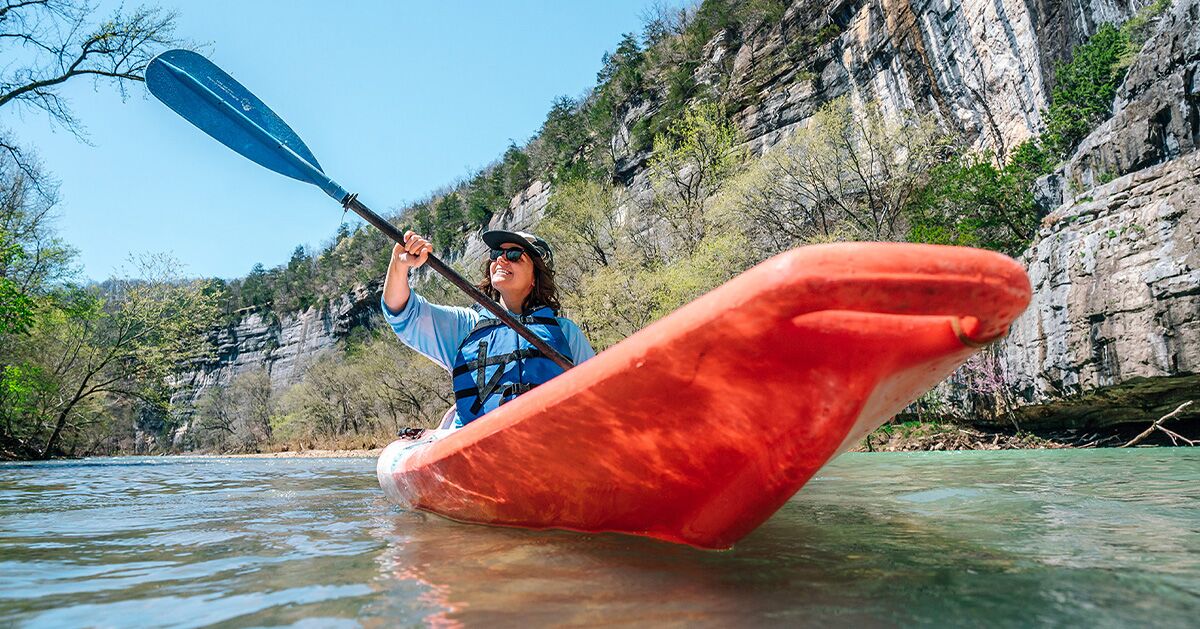
The biodiversity within the Buffalo’s borders is staggering. Elk herds roam the surrounding hills, while more than 50 mammal species and 250 bird species—including the vibrant Yellow-throated Vireo—call the region home. Because of the protections established over 50 years ago, visitors find a landscape free of modern debris, preserving the sensory experience of the wilderness as it existed for generations.
A Chronology of Growth: From Small Town to Cultural Hub
The evolution of Northwest Arkansas into a globally recognized hub for art and outdoor culture did not happen overnight. The following timeline tracks the critical milestones that defined the region’s trajectory:
- 1962: Dr. Neil Compton founds the Ozark Society to protect the Buffalo River.
- 1972: President Richard Nixon signs the Act of Congress designating the Buffalo as the country’s first National River.
- 2011: Crystal Bridges Museum of American Art opens in Bentonville, founded by Alice Walton, cementing the region’s commitment to world-class culture.
- 2022: The USA Cycling National Mountain Bike Team selects Bentonville as its official home, acknowledging the city’s massive investment in cycling infrastructure.
- 2025: The Compton Hotel opens in downtown Bentonville, merging regional heritage with high-end luxury hospitality.
- 2026: A major 114,000-square-foot expansion of Crystal Bridges is unveiled, introducing new contemporary galleries and an AI-driven digital art center.
Supporting Data: The Infrastructure of Adventure
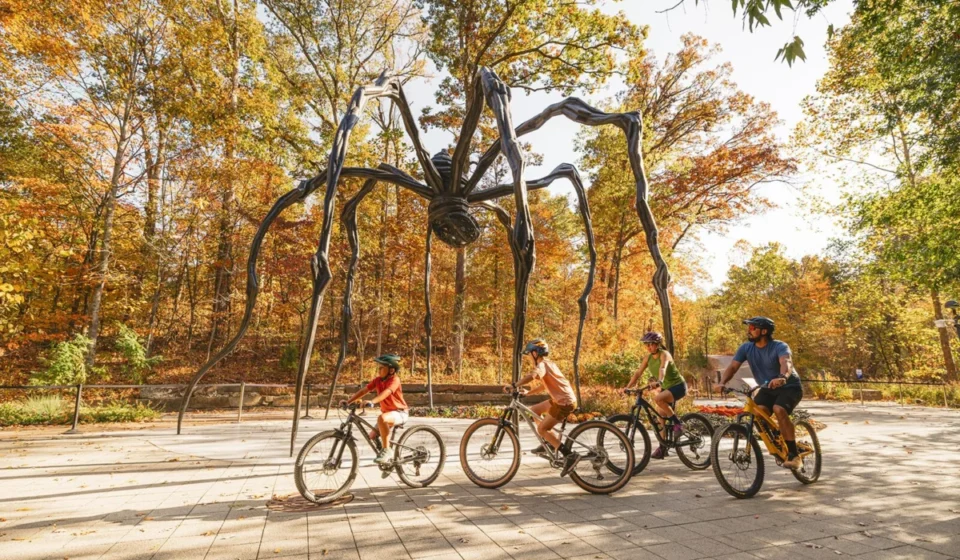
Northwest Arkansas has meticulously curated an environment that caters to both the high-octane athlete and the casual traveler. At the heart of this is the cycling network. The region boasts over 80 miles of city trails that connect to an expansive 500-mile network meandering through the bluffs, hollers, and forests of the Ozarks.
The crown jewel of this expansion is the OZ Trails Bike Park. Spanning 200 acres, the facility features more than 30 distinct trails and a ski-style chairlift, allowing riders to bypass the arduous climb and focus on technical runs through cedar groves. For beginners, the park offers wide, approachable paths that mirror the landscape’s natural beauty without the intimidation of extreme terrain.
This investment has had quantifiable results. Bentonville has become a mandatory stop for international cycling enthusiasts, with "bike culture" now woven into the city’s urban design. From dedicated cycling lanes to the popular HUB Bike Lounge, the infrastructure supports a lifestyle where nature is not a weekend escape, but a daily engagement.
Official Perspectives: Art and Architecture in Harmony
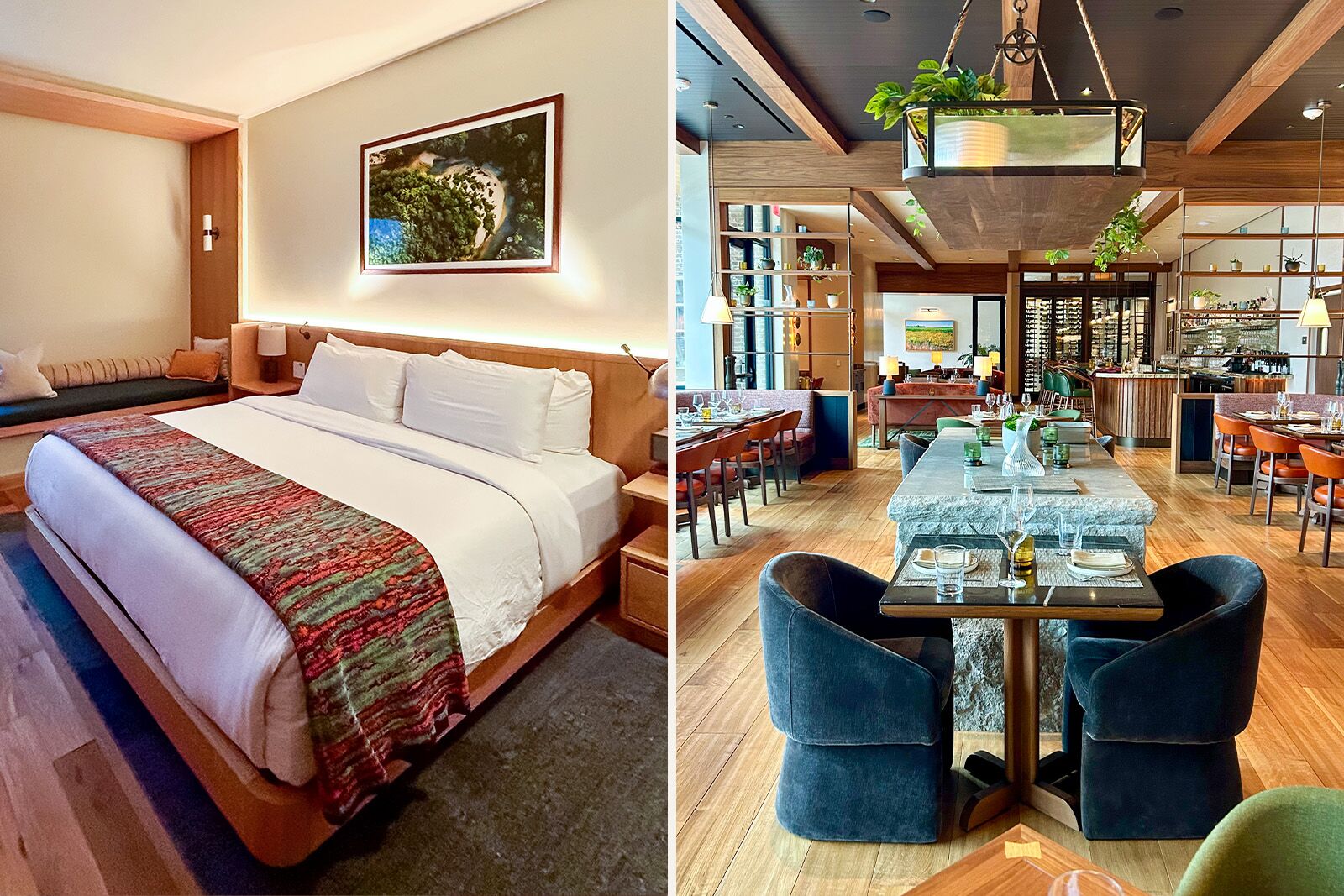
The Compton Hotel, named in honor of the river’s savior, stands as a prime example of how the region views its own development. Opened in 2025, the hotel was designed to blur the line between the built environment and the natural world.
"The architecture reflects our dependency on the ecosystem," says a representative of the hotel’s design team. This philosophy is best illustrated by the hotel’s lobby centerpiece: a "Fragile Future" light sculpture by the artist duo DRIFT. Composed of hundreds of hand-picked dandelion heads fixed into a copper lattice, the piece serves as a symbolic bridge between the delicate nature of the Ozark wilds and the precision of human art.
This synergy continues at Crystal Bridges Museum of American Art. Architect Moshe Safdie designed the museum pavilions to nestle into the landscape, using spring-fed ponds and forests as the backdrop rather than clear-cutting to build. The museum’s expansion this year, which includes works by Refik Anadol and Hector Dionicio Mendoza, highlights the region’s shift toward the digital frontier while keeping the focus on American art history.
The Culinary Renaissance: A James Beard Spotlight
The region’s culinary scene has quietly matured into one of the most exciting in the American South. The rise of chefs like Matthew Cooper and Rafael Rios—both James Beard Award finalists—has placed Bentonville on the national gastronomic map.
At Cooper’s restaurant, Conifer, the philosophy is one of exploration. Ingredients that are often overlooked, such as beets, are transformed through techniques like smoking and the addition of pistachio dukkah. His latest venture, Ryn, takes this further by offering a seasonal tasting menu on a farm just outside of town. This farm-to-table approach is supported by a logistics network that flies in fresh seafood multiple times a week, ensuring that the landlocked heart of America offers a coastal-grade culinary experience.
Implications for the Future: Sustainability as a Lifestyle
The primary implication of Northwest Arkansas’s recent development is the proof-of-concept that economic growth and environmental stewardship are not mutually exclusive. The "instinct to protect what matters" that Dr. Compton championed in 1962 has scaled up to inform modern urban planning.
The region’s commitment to free museum access (sponsored by Walmart) ensures that culture remains a public utility rather than an exclusive privilege. The integration of bike-valet services and a "Cycling Concierge" at local hotels shows a hospitality industry that anticipates the needs of a new, active generation of travelers.
As Northwest Arkansas continues to grow, it faces the challenge of managing increased visitation without compromising the sanctity of the Buffalo National River or the quiet charm of the Ozark hollers. However, the existing infrastructure—built on collaboration between government agencies, private foundations, and local activists—suggests that the region is well-equipped to handle this transition.
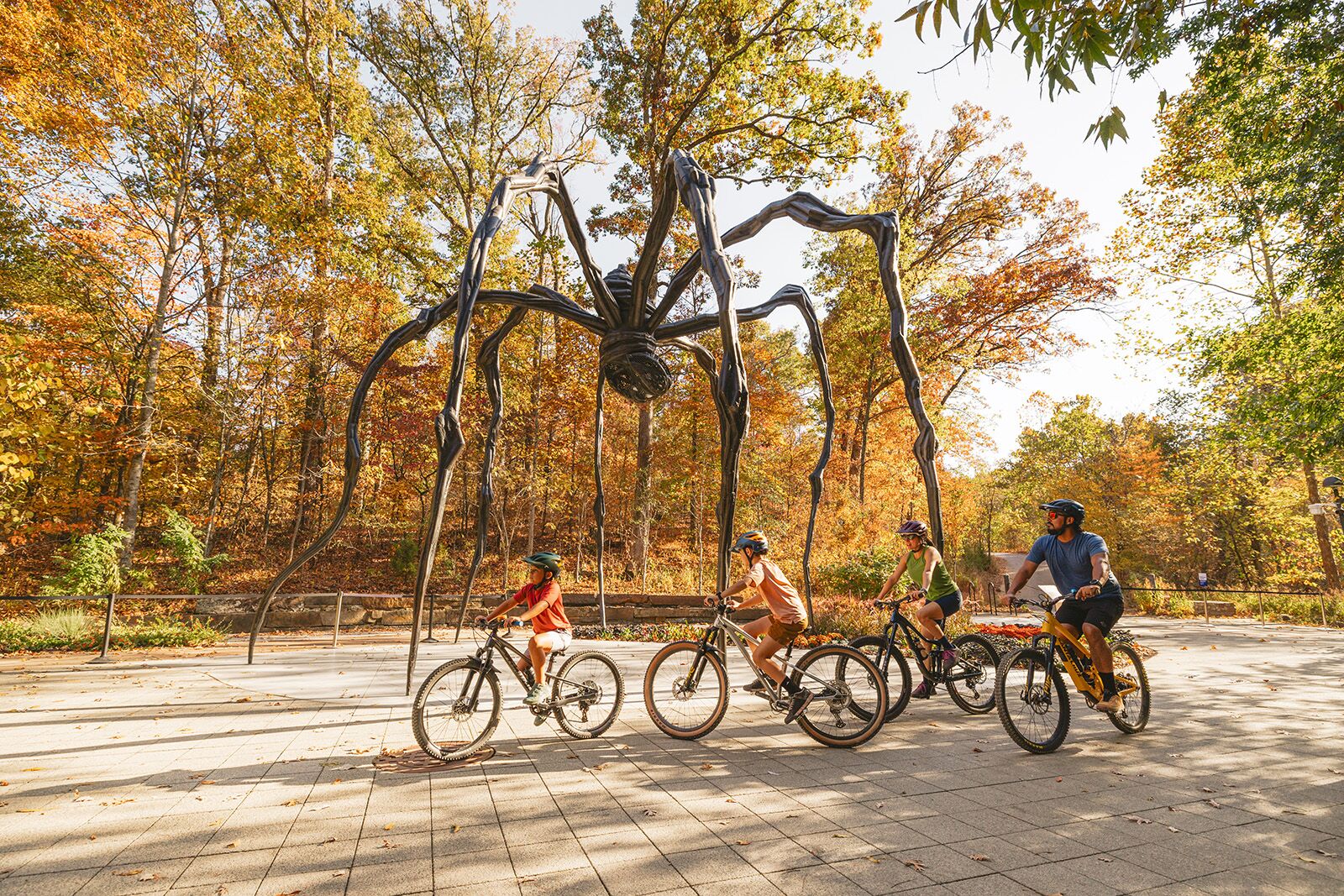
For the traveler, the implication is clear: Northwest Arkansas is no longer a "hidden gem." It is a sophisticated, highly accessible destination that offers a rare blend of intense wilderness, high-concept art, and elite gastronomy. Whether you are floating down the Buffalo, tackling a technical mountain bike trail, or contemplating a Louise Bourgeois sculpture at sunset, the region invites you to engage with the world more deeply.
As the Ozarks continue to evolve, the spirit of the river remains the constant. It is a reminder that while the world moves fast, the most enduring experiences are those rooted in the land, the water, and the quiet, persistent effort to protect them for the next generation.
Quick Reference Guide for the Traveler
- Getting There: Fly into Northwest Arkansas National Airport (XNA), which provides nonstop service to over 20 U.S. cities. Rental cars are recommended for those venturing to the Buffalo National River.
- Where to Play: Utilize the services of 37 North Expeditions for guided river floats, and spend a day at the OZ Trails Bike Park to experience the pinnacle of mountain biking.
- Cultural Must-See: Spend time at Crystal Bridges Museum of American Art; don’t miss the recent 114,000-square-foot expansion.
- Gastronomy: Prioritize reservations at Conifer or Ryn for an elevated look at regional seasonal ingredients. For a taste of Mexico in the Ozarks, Yeyo’s El Alma de Mexico is a local favorite.
- Stay: The Compton Hotel in downtown Bentonville offers a unique, design-forward experience that serves as the perfect base for exploring both the city’s art scene and the surrounding wilderness.