




















































The North Star of Grid Resilience: How Minnesota Became the Epicenter of Microgrid Innovation

Main Facts: A Midwest Hub for a Decentralized Future
In the northeastern corner of the I-494 and Highway 100 interchange in Bloomington, Minnesota, stands a building that looks less like a corporate office and more like a piece of speculative fiction. With its sharp angles and red-and-blue metallic finish, the headquarters of Open Access Technology International (OATI) resembles a futuristic sailboat or a robotic sentry. While its exterior captures the eye, the activity within its walls captures the essence of the modern energy revolution. Inside, a phalanx of electrical engineers and high-powered servers manage the flow of electricity across the vast majority of North America’s high-voltage transmission lines.
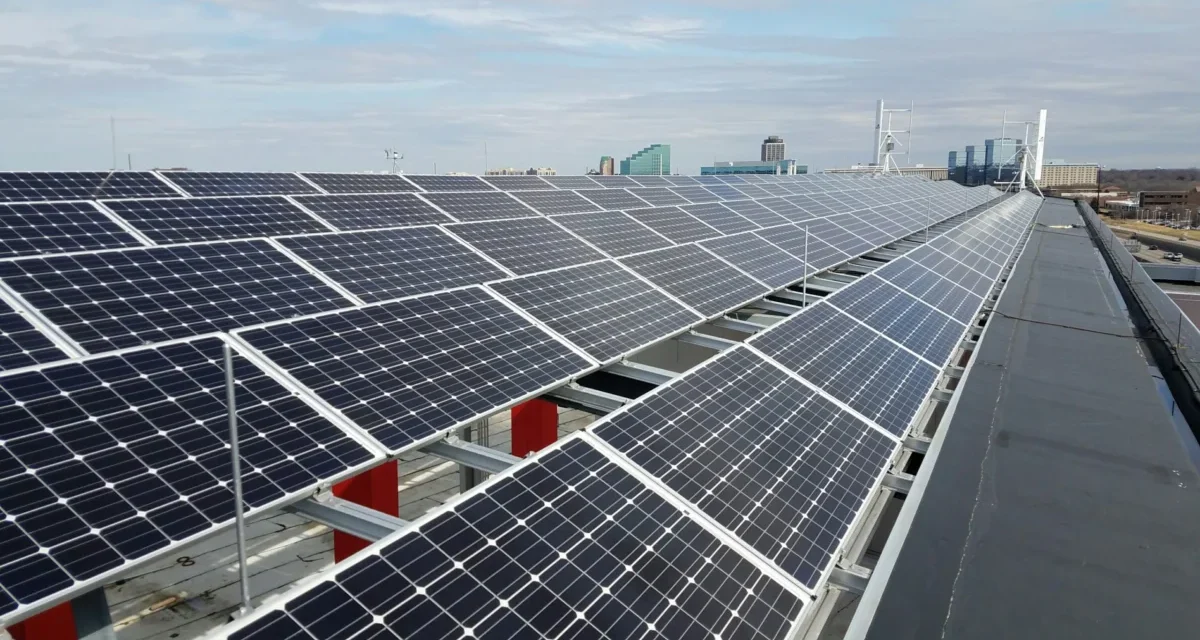
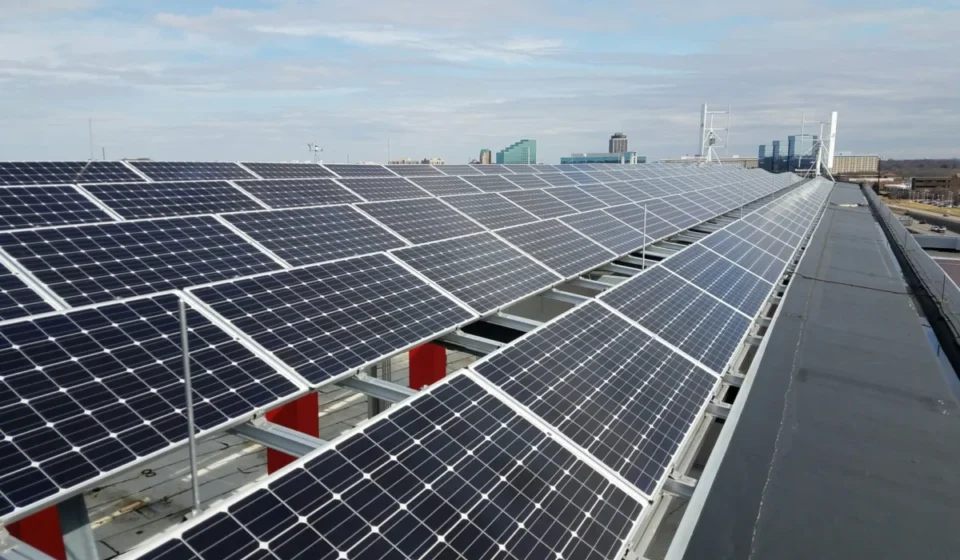
However, OATI is no longer just focused on the "macro" grid. The company is now a leading force in the rapidly expanding world of microgrids—self-contained energy systems that can operate independently of the traditional utility grid. OATI’s own headquarters serves as a living laboratory for this technology. Utilizing a proprietary platform known as GridMind, the facility synchronizes a complex array of solar panels, onsite batteries, a cogeneration plant, and backup diesel generators. This system ensures that even if the regional grid collapses during a blizzard or a heatwave, OATI’s data centers remain powered.
Minnesota’s influence in this sector extends far beyond a single building. The state has quietly emerged as a national powerhouse for microgrid hardware, software, and academic research. From Minneapolis-based startups like Syncris, which manufactures modular "Lego-block" style inverters, to the University of St. Thomas’s Center for Microgrid Research—the only facility of its kind in North America offering hands-on professional training—Minnesota is providing the blueprint for energy resilience.
According to the Minnesota Department of Employment and Economic Development (DEED), the state exported approximately $2.3 billion in IT-related electrical equipment last year. This economic heft, combined with a dense concentration of engineering talent, has positioned the state as a bulwark against rising electricity prices, cyber threats, and the increasing frequency of extreme weather events.
Chronology: From Industrial Giants to Microgrid Pioneers
The roots of Minnesota’s microgrid dominance were planted decades ago. The state’s industrial history is inextricably linked to power electronics and energy controls. For over half a century, multinational giants such as Honeywell, Siemens, IBM, Eaton, and Johnson Controls have maintained a significant presence in the region. This corporate ecosystem created a "brain trust" of engineers and developers who understood the intricacies of the electrical grid long before "smart grid" became a buzzword.
In the mid-1990s, OATI was founded, initially focusing on the software necessary for utilities to trade large blocks of electricity. As the grid evolved, so did the company’s mission. By the 2010s, the rise of distributed energy resources (DERs)—such as residential solar and electric vehicles—necessitated a new kind of management. OATI pivoted toward Distributed Energy Resource Management Systems (DERMS), which allow utilities to orchestrate thousands of small-scale energy sources as a single, cohesive unit.
The academic sector followed suit. The University of St. Thomas established its Center for Microgrid Research to bridge the gap between theoretical engineering and practical application. By the early 2020s, the center had become a nationally recognized hub, attracting federal partnerships and private-sector collaborations.
The timeline of microgrid adoption accelerated sharply between 2020 and 2025. During this period, a series of climate-driven disasters—including record-setting heatwaves in the Twin Cities and devastating hurricanes in the American South—demonstrated the fragility of the centralized grid. In response, the federal government began pouring millions into Minnesota-led projects. In 2024, the Biden administration awarded substantial grants to the Red Lake and White Earth Nations for solar-powered resilience hubs. By late 2025, construction began on the "Resilient Minneapolis Project," a landmark effort to bring microgrid technology to disadvantaged urban neighborhoods.
Supporting Data: The Economics of Autonomy
The transition to microgrids is driven by a combination of necessity and economic opportunity. The following data points illustrate the scale of the industry and the specific impact of Minnesota-based technologies:
- Export Powerhouse: Minnesota’s $2.3 billion in electrical equipment exports underscores its role as a global supplier. This includes high-tech hardware like the inverters produced by Syncris and the sophisticated metering infrastructure developed by companies like Hunt Technologies (now part of Landis+Gyr).
- Federal Investment: In 2024, the U.S. Department of Energy (DOE) allocated $3.15 million to the Red Lake Nation and $1.75 million to the White Earth Nation. These funds are specifically earmarked for microgrids that will power community schools and emergency shelters in remote areas.
- Utility Reach: OATI’s DERMS platform is currently utilized by more than 150 electric cooperatives across the United States, including 24 members of the Dairyland Power Cooperative in Wisconsin and Minnesota. This software manages the "demand response" programs that pay customers to reduce energy usage during peak times.
- Cost of Inaction: Business data suggests that for commercial facilities on the "grid edge," power outages and poor "power quality" (voltage fluctuations) can cost hundreds of thousands of dollars annually in equipment degradation and lost productivity. Modular microgrid solutions are projected to reduce these capital costs by up to 30% over a ten-year cycle.
Official Responses: Perspectives from Industry Leaders
The leaders of Minnesota’s energy sector view the state’s role as both a point of pride and a strategic necessity.

David Heim, OATI’s Vice President and Chief Strategy Officer, emphasizes that the company’s location is a key part of its identity. "It’s cool that we are a Twin Cities company doing all this right here in our backyard, not out in Silicon Valley," Heim noted. He argues that the future of the grid is not just about producing more power, but about managing it more intelligently.
Mary Brown, OATI’s Senior Executive Vice President and Chief Legal Officer, points to the shifting landscape of federal policy. With potential changes to energy subsidies and the implementation of new import tariffs, Brown suggests that localized microgrids will become essential tools for cost control. "These resources will increasingly help reduce Minnesotans’ energy costs by allowing neighborhoods to orchestrate their own cars, batteries, and solar arrays," she said.
From a development perspective, Michael Burr, founder and director of Microgrid Initiatives, attributes the state’s success to a "self-reliant streak" that defines Minnesota’s history. Burr, who previously edited Independent Energy magazine, notes that the state has been at the forefront of "independent power" since the 1980s. "Minnesota’s place in the industry has been driven by the longstanding efforts of Minnesotans to achieve greater energy sustainability, independence, and self-reliance," Burr stated.
Zach Edmond, COO of Syncris, highlights the technical barriers his company is working to dismantle. "Today, every system is a highly custom, one-off solution. Our technology is more like a Lego block," Edmond explained. By creating modular inverters that can be "stacked" as a community’s energy needs grow, Syncris aims to move microgrids from a niche luxury to a standard infrastructure component.
Implications: Sovereignty, Equity, and Climate Resilience
The expansion of microgrid technology in Minnesota carries profound implications for the future of society, ranging from the political to the environmental.
1. Energy Sovereignty for Tribal Nations
For the Red Lake and White Earth Nations, microgrids are more than just backup power; they are a form of political and economic leverage. By generating their own electricity, these nations can negotiate from a position of strength with traditional utilities. As David Heim noted, onsite generation gives Tribal nations a "seat at the table," allowing them to demand concessions or sponsorship in exchange for grid participation. This movement toward energy sovereignty is becoming a necessity as remote communities face the highest risks of grid abandonment.
2. Urban Equity and "Resilience Hubs"
The "Resilient Minneapolis Project" represents a shift in how cities view disaster preparedness. By installing microgrids at public schools in North Minneapolis, the city is creating "resilience hubs" where residents can charge medical equipment, access climate-controlled environments during extreme heat or cold, and stay connected when the broader grid fails. This ensures that the benefits of green technology are not reserved solely for affluent homeowners with private Tesla Powerwalls.
3. Mitigation of "Grid Edge" Vulnerability
As the centralized grid ages, those living at the "grid edge"—rural areas at the end of long distribution lines—suffer the most. Microgrids offer a way to "smooth out" power quality issues, protecting sensitive industrial machinery and reducing the long-term maintenance costs for rural businesses. This could prevent the economic hollowing-out of small towns that rely on manufacturing and agriculture.
4. Cybersecurity and Hardening
With the University of Minnesota and three other Midwestern universities working to harden microgrids against cyber threats, the state is also addressing the national security implications of a decentralized grid. A fragmented, microgrid-heavy system is inherently more difficult for bad actors to take down entirely compared to a centralized, interconnected transmission network.
In conclusion, Minnesota has transitioned from a manufacturer of traditional power components to a visionary architect of the decentralized grid. Through a combination of industrial legacy, academic rigor, and a cultural commitment to self-reliance, the state is ensuring that when the next great storm or heatwave arrives, the lights in the North Star State will stay on.