





























The New Neighborhood Stage: How Minneapolis Porchfests are Redefining Community Performance

The traditional concert hall—with its velvet seats, polished acoustics, and prohibitive ticket prices—is no longer the only, or even the most exciting, place to catch a show in Minneapolis. Across the Twin Cities, a grassroots movement is reclaiming the front porch, the backyard, and the humble garage as the new epicenter of local culture. From the high-energy punk sets of Uptown to the collaborative community spirit of the Powderhorn neighborhood, the "Porchfest" phenomenon is transforming the private residential landscape into a public performance art gallery.
This shift toward home-based venues represents a seismic change in how residents experience music, theater, and community. By stripping away the formalities of institutional venues, these DIY events have created an ecosystem where the barriers between performer and audience dissolve, replaced by a neighborly intimacy that feels both radical and profoundly necessary in an increasingly digital age.
The Rise of the Residential Venue
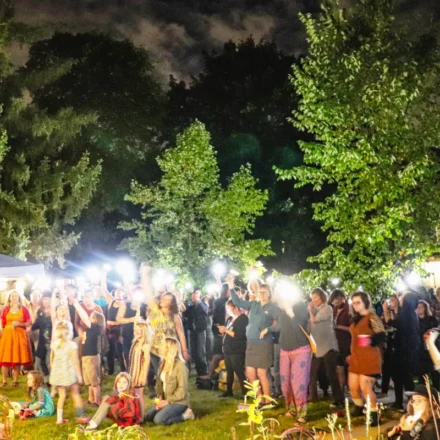
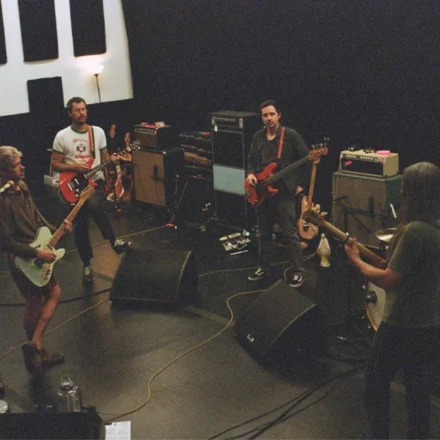
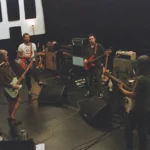
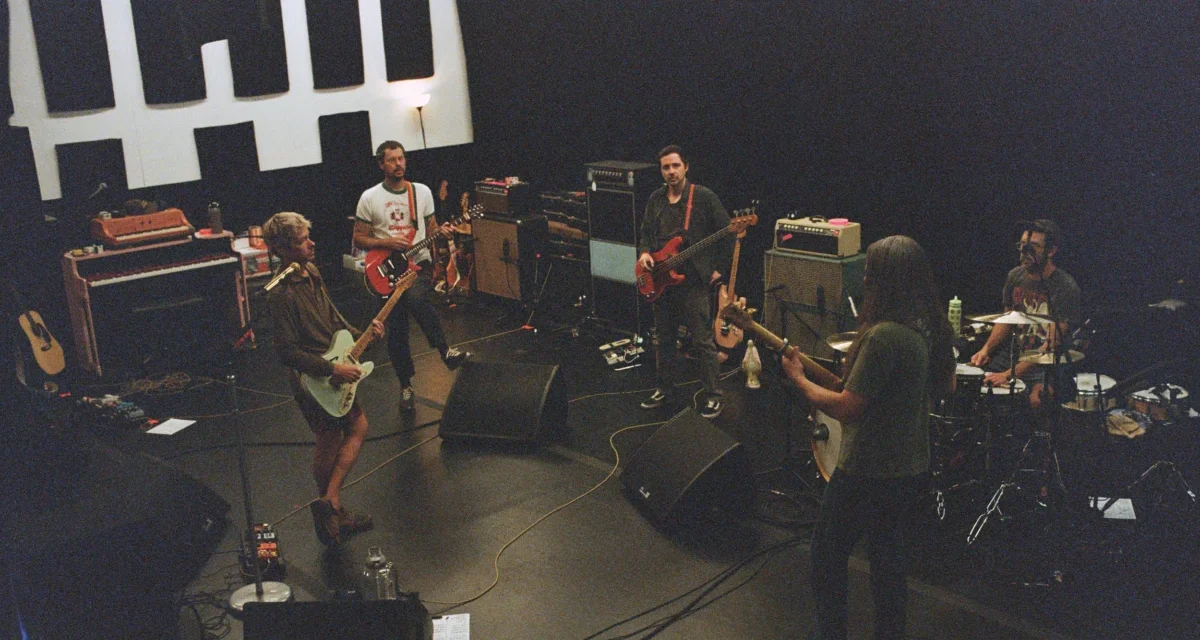
The appeal of the house show is rooted in its accessibility and its inherent sense of place. On a searing summer day, the Lowry Hill East neighborhood recently became a living, breathing stage for the Uptown Porchfest. The event, which turned block after block into a patchwork of musical genres—ranging from frantic punk to breezy bossa nova—demonstrated that the city’s creative spirit is not contained within four walls.
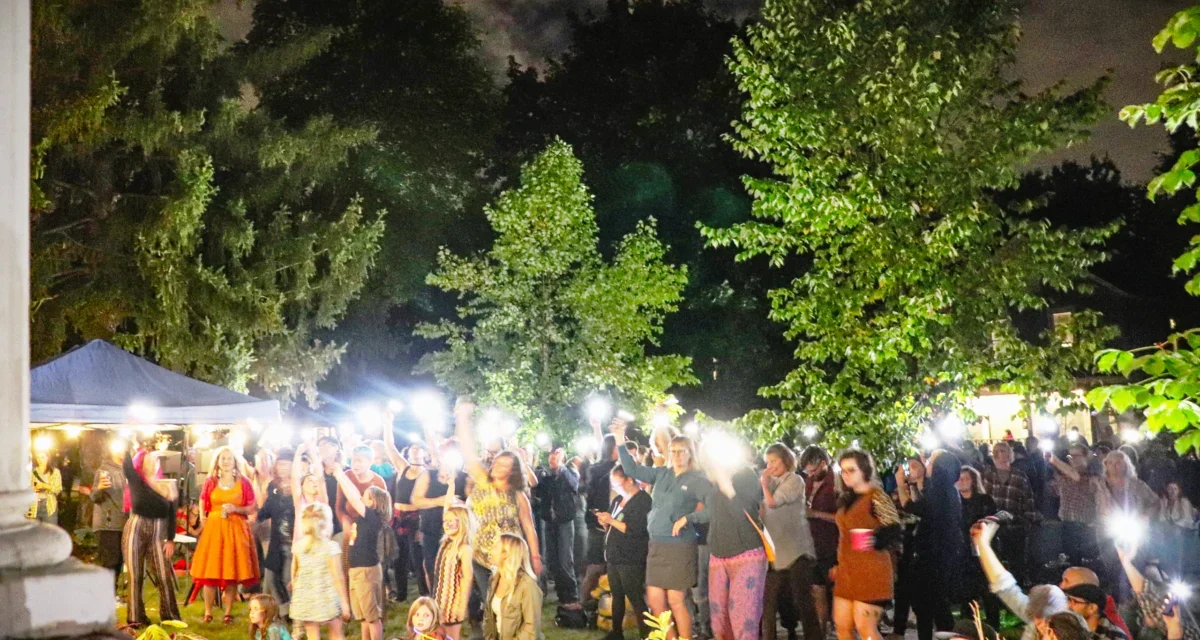
For audiences, the appeal is twofold: the music is free, and the atmosphere is devoid of the typical "scene" posturing found in larger clubs. Families, scenesters, and curious pedestrians wander from porch to porch, creating a fluid, organic crowd that feels more like a spontaneous neighborhood block party than a ticketed concert.
For the homeowners, the motivation is equally compelling. Becoming a host provides a front-row seat to the local arts scene and turns a passive residential space into a hub of creative energy. It is an act of civic engagement that transforms private property into a shared community asset.
Chronology: From Accidental Spaces to Cultural Institutions
The evolution of the residential venue in Minneapolis has not been a singular event, but rather a slow, organic growth spurred by necessity and community need.
The story of Jenee Nederloe in Northeast Minneapolis is perhaps the most illustrative of this evolution. Her journey into the world of hosting began not with a grand artistic vision, but with a vehicular accident. When a neighbor inadvertently rammed a car into her garage, causing significant structural damage, the ensuing insurance payout gave the couple a choice: simply repair the damage or reimagine the space.
They chose the latter. By laying down an asphalt pad and constructing a garage with two open sides, they created a versatile space that transitioned from a simple hangout spot to a venue for recitals and private gatherings. By last May, the garage had evolved into a public-facing stage for the Bleeding Hearts Studio during the annual Art-A-Whirl festival. "It’s more just friends hanging out and friends that we don’t have yet," Nederloe reflects.
Similarly, in the Powderhorn neighborhood, the transformation has been driven by long-standing tradition. Kelly Piatt, a veteran host, recalls the moment she was "converted" to the cause 13 years ago. Hearing music echoing down her street during a local Porchfest, she stepped out to find neighbors dancing, children playing, and a sense of magic that felt like a revelation. Inspired, she began hosting the following year, a commitment she maintains to this day. Her porch will once again serve as a focal point for the upcoming Powderhorn Porchfest on September 19, a massive undertaking that spans four stages and features a diverse lineup from youth hip-hop groups to surf-psyche-femme-punk bands.
Supporting Data and the Logistics of DIY
While the atmosphere of a Porchfest is designed to feel effortless, the reality is a complex logistical operation. The success of an event like the Powderhorn Porchfest—which draws massive crowds, incorporates food trucks, and requires city permitting—relies on a delicate balance between grassroots enthusiasm and administrative precision.
Pedra Lander, senior events manager for the Powderhorn Park Neighborhood Association (PPNA), emphasizes that the festival’s endurance is rooted in the "relational-based" nature of the neighborhood. "That’s something that has always been felt in the neighborhood," Lander notes. "It became pretty apparent, especially during the federal occupation [in 2020]."
The labor involved is significant. A small team of organizers must manage:

- Grant Applications: Securing the necessary funding to pay artists and cover operational costs.
- City Permitting: Navigating municipal codes to close streets and ensure safety for thousands of attendees.
- Infrastructure: Coordinating power, lighting, and sound equipment across multiple residential sites.
- Community Outreach: Ensuring that neighbors who aren’t hosting are still informed and included in the event’s footprint.
Phil Rooney, another longtime host, captures the dichotomy perfectly: "As a host, it’s really easy. I get the crap off my porch, make sure there’s some nice lights, and bring in some beverages for the musicians. It’s really low-key on my end, but there is all this back-end work that creates this really beautiful, family-friendly event."
Professionalizing the DIY Aesthetic: The Question of Accessibility
As these events grow, the "makeshift" nature of DIY shows is being replaced by a more intentional, professional approach to inclusivity. The primary tension in home venues is often between the rustic charm of a garage or porch and the legal and physical requirements of public accessibility.
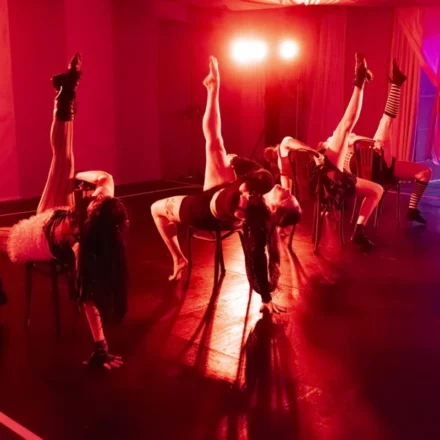
Jennifer Ilse, co-director of the performance group Off-Leash Area, has been at the forefront of this shift. Since the early 2000s, Ilse and her partner, Paul Herwig, have utilized their own garage as a laboratory for art. By 2010, they expanded their efforts into the "Neighborhood Garage Tour," a traveling performance series that brings theater and dance into residential spaces.
Crucially, Ilse has made accessibility a cornerstone of their mission. This is not merely an afterthought; it is a rigorous design process. Their current programming, including the "Stardust Rendezvous" (running through early October), involves:
- Site Assessments: Evaluating every venue for physical barriers before committing to a performance.
- Infrastructure Upgrades: Using plywood to create solid paths for wheelchairs over uneven lawns.
- Communication: Providing detailed, proactive information to audiences regarding entry points and facility navigation.
- Inclusion Mandates: If a site cannot be made accessible, the group will occasionally decline to use it, proving that the DIY spirit does not have to come at the expense of equity.
"Accessibility is just much more deeply integrated into all of the spaces and just how we talk about everything," Ilse explains. This philosophy empowers both the artist and the audience, proving that the constraints of a private home can be overcome to create a truly inclusive public experience.
Implications: The Future of Urban Creative Ecosystems
The rise of home-based venues in Minneapolis suggests a broader desire for a "human-scale" culture. In an era where corporate-owned venues dominate the landscape, the porch and the garage offer a reclamation of agency.
The Institutional Shift
When artists and organizers operate outside of traditional institutions, they gain creative freedom. They are not beholden to the profit margins of a concert promoter or the aesthetic dictates of a theater board. They can pivot quickly, experiment with new formats, and curate lineups that reflect the specific cultural tapestry of their immediate neighborhood.
A New Model for Community Building
The implications for city planning and community health are significant. These festivals foster a "third space" that is neither work nor home, but a hybrid that encourages interaction between strangers. When neighbors open their homes to the public, they are participating in a ritual that builds social capital—the trust and networks that make a neighborhood resilient.
Challenges and Sustainability
Despite the success, the model is not without its challenges. The reliance on volunteer labor and the increasing scrutiny of city regulations mean that the "DIY" model must continue to evolve. As festivals like Powderhorn grow, they risk becoming "too big" for their own logistics. The sustainability of this model depends on the continued recruitment of new hosts, the ongoing support of neighborhood associations, and a municipal government that views these events as assets rather than liabilities.
Conclusion
The Minneapolis Porchfest phenomenon is more than just a series of backyard concerts. It is a reassertion of the neighborhood as a valid, vital, and powerful site of cultural production. By blurring the lines between private life and public performance, residents are proving that you don’t need an arena to have a world-class experience.
As we look toward the future of urban life, the "porch" stands as a symbol of openness. Whether it is a punk band rattling the windows of a Lowry Hill house, or an accessible dance performance held in a garage on a quiet street in the fall, these events remind us that the most important stage is the one right in front of us—the one that belongs to everyone. In the end, the success of the Twin Cities’ DIY scene is not just about the music; it is about the neighbors who, by opening their doors, have invited the whole city to come inside and listen.