




































While Jackson, Wyoming, is internationally synonymous with world-class skiing, those who only visit when the snow is deep are missing half the story. As a gateway to the jagged, awe-inspiring peaks of Grand Teton National Park, Jackson has evolved into a year-round destination that balances rugged, adrenaline-fueled excursions with a sophisticated mountain-town culture. Whether you are seeking the tranquility of a high-alpine lake in the golden hues of autumn or the high-octane rush of a via ferrata climb, Jackson serves as the ultimate base camp for the American West.
Main Facts: The Jackson Hole Experience
Jackson Hole refers to the valley tucked between the Teton Range and the Gros Ventre Range. The town itself—often referred to as Jackson—acts as the heartbeat of this region, providing the infrastructure for millions of annual visitors.
The primary draw, beyond the town’s western charm, is the proximity to Grand Teton National Park. The park encompasses over 310,000 acres, featuring the Teton Range, which rises abruptly from the valley floor without foothills, creating a dramatic, vertical landscape. Unlike many other national parks, Jackson Hole is a living, breathing community, offering a mix of luxury hospitality, historic saloons, and cutting-edge outdoor infrastructure that remains accessible long after the winter crowds have departed.
Chronology of the Season: Planning Your Visit
The rhythm of Jackson Hole is dictated by the seasons, and understanding this timeline is essential for a curated visit.
- Summer (June – August): The peak season for hiking, rafting, and wildlife viewing. The high-altitude trails are clear of snow, and the Snake River is at its most inviting for floating and whitewater rafting.
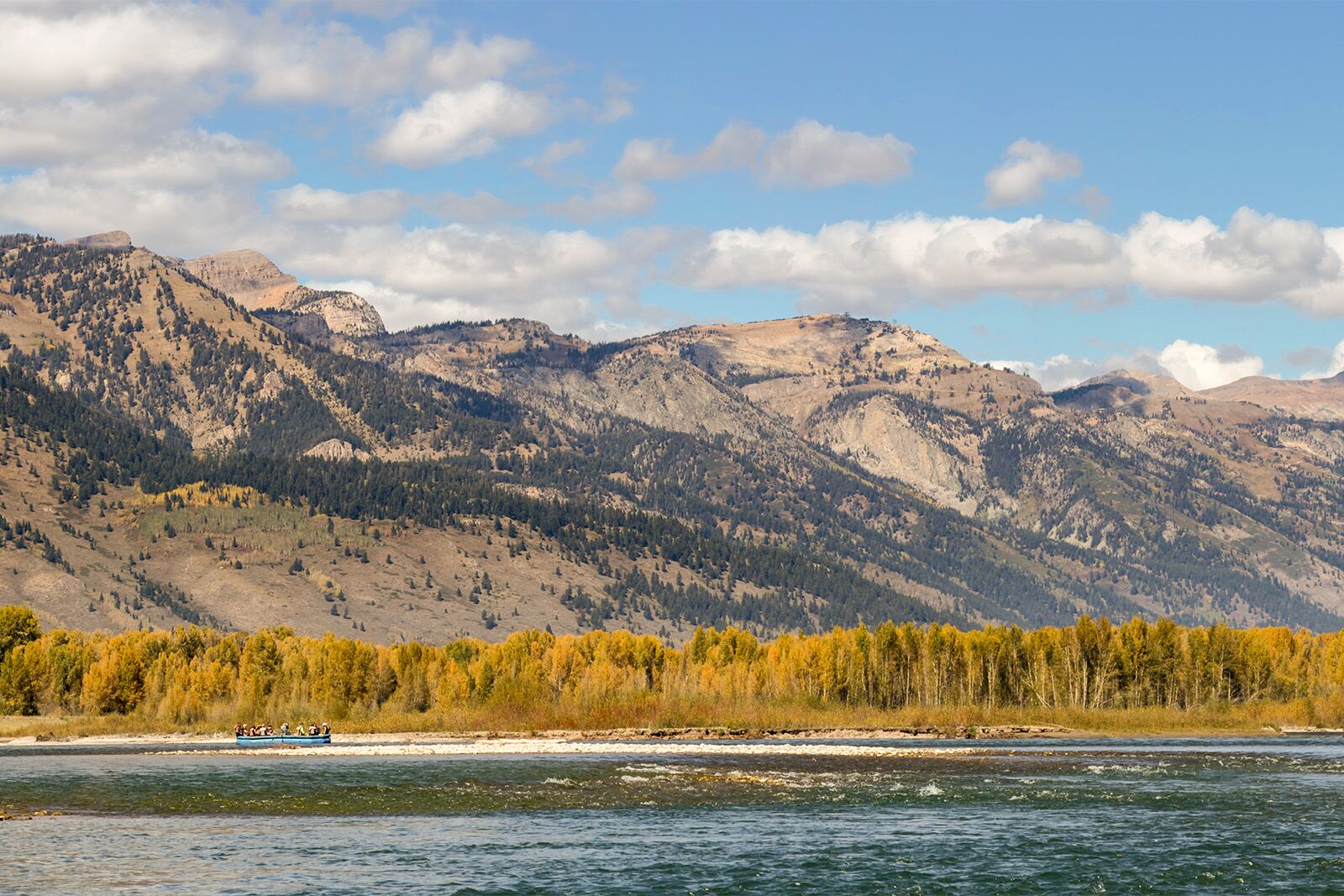
- Early Fall (September – Early October): Widely considered the "local’s favorite" time to visit. The air is crisp, the aspen trees turn brilliant gold, and the summer crowds have thinned. Crucially, major amenities—such as the Jackson Hole Mountain Resort tram and the via ferrata—remain operational until early October.
- Late Fall (Mid-October – November): A "shoulder season" where many mountain operations close to prepare for winter. It is a quiet, contemplative time for photographers and those seeking solitude.
- Winter (December – April): The undisputed reign of snow sports. Jackson Hole Mountain Resort and Snow King Mountain open their lifts, catering to everyone from world-class athletes to families learning to ski.
Supporting Data: Things to Do in the Tetons
Hiking the Grand Teton National Park
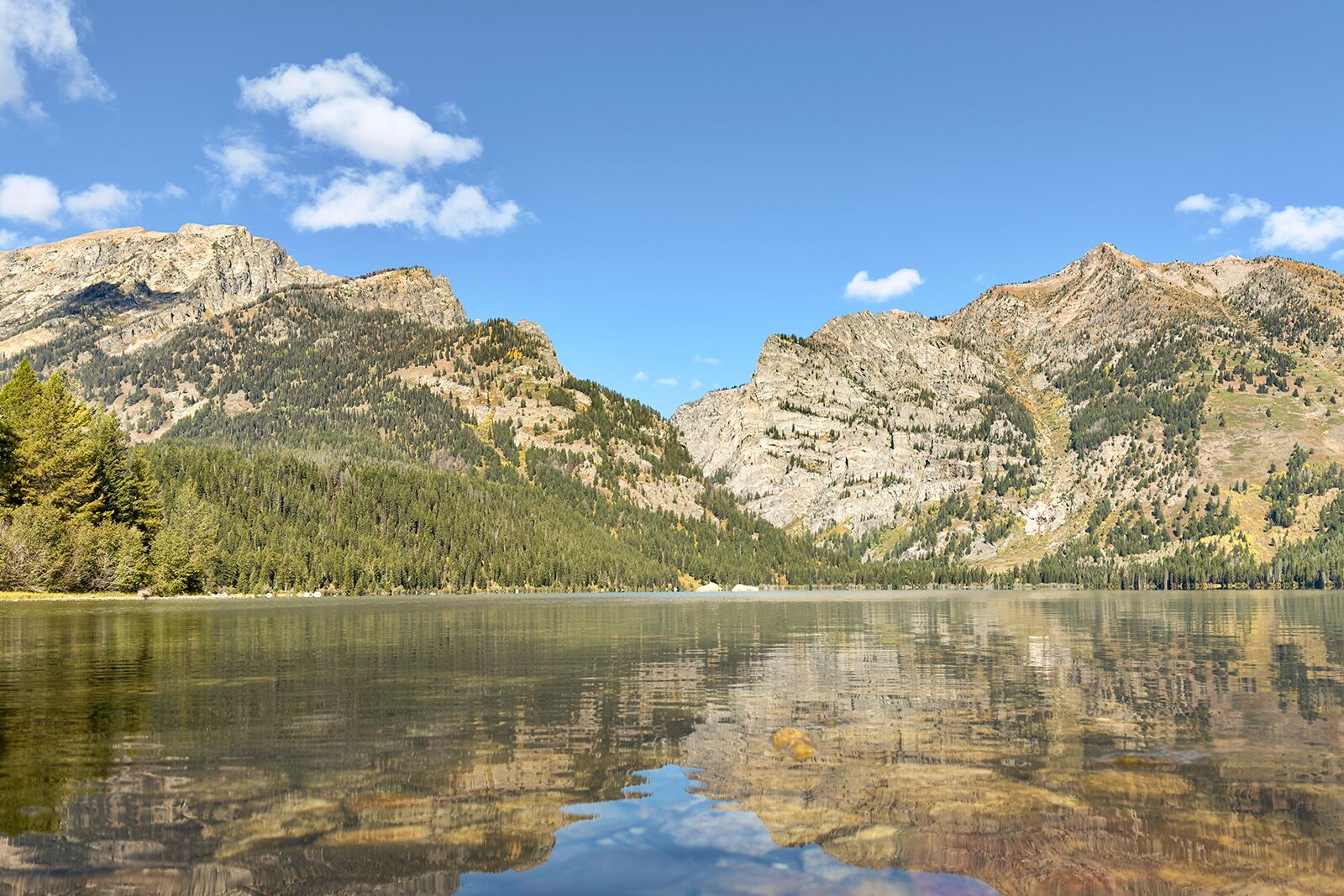
With over 200 miles of trails, the park offers something for every fitness level. A standout experience is the Woodland, Phelps Lake, and Lake Creek Loop within the Laurance S. Rockefeller Preserve. This 3.2-mile trail offers an intimate look at the valley’s ecosystem, winding through fragrant fir forests before opening onto the pristine, mirror-like surface of Phelps Lake.
Pro-tip: Always maintain the mandatory distance from wildlife: 100 yards for bears and wolves, and 25 yards for all other animals. Proper planning via tools like AllTrails and official NPS maps is essential for safety.
The Snake River: From Thrill to Chill
The Snake River is the lifeblood of the valley. For those seeking adrenaline, professional outfitters like Jackson Hole Whitewater offer technical runs through challenging rapids. However, for a more meditative experience, a seven-mile scenic float trip is unparalleled. Drifting beneath the towering peaks, one is likely to spot bald eagles and moose, all while staying dry and enjoying the narrative of a local guide.
Vertical Challenges: The Via Ferrata
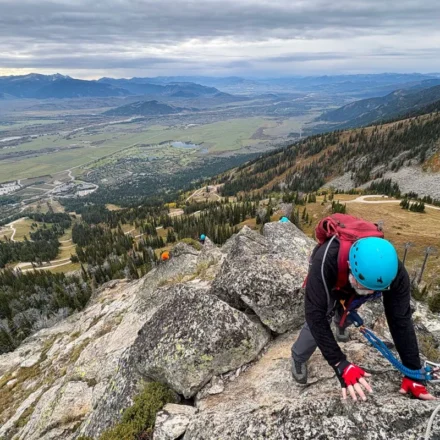
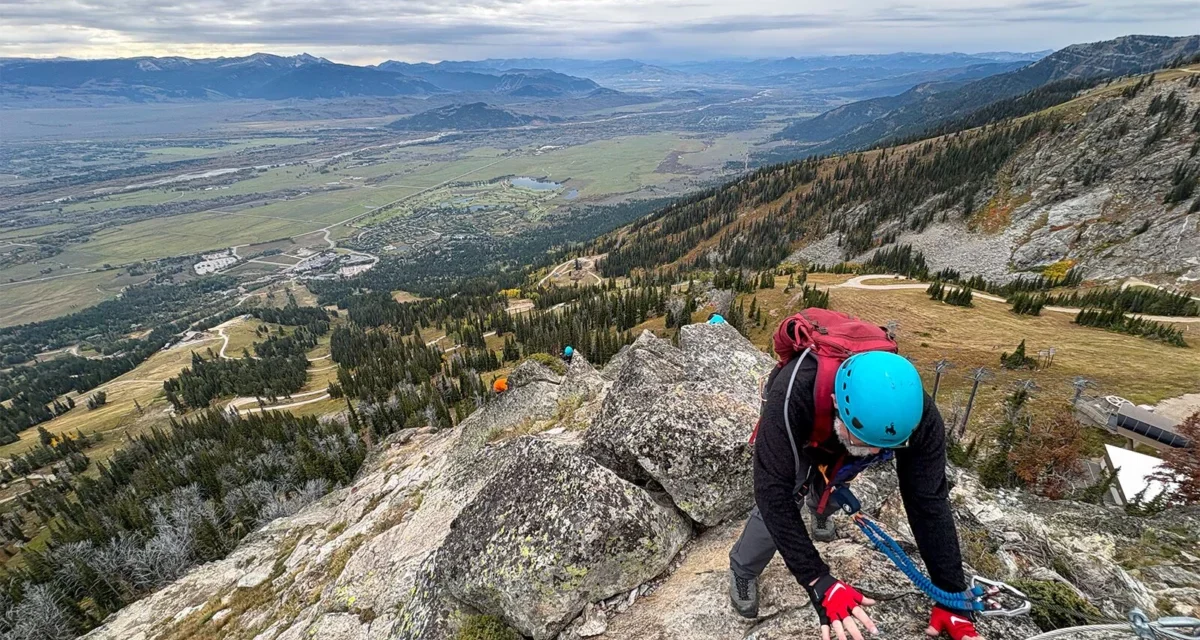
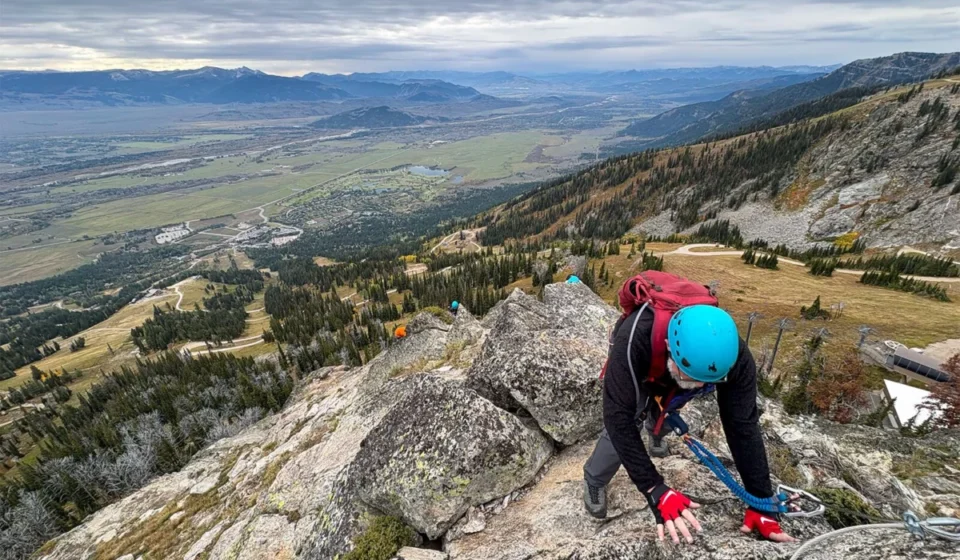
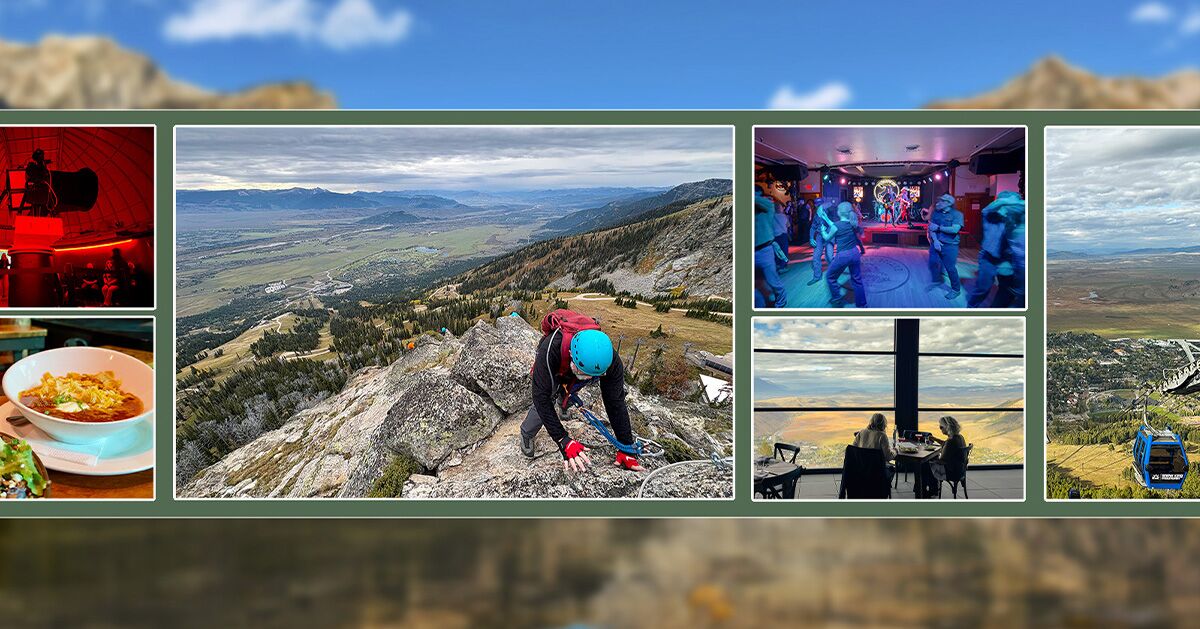
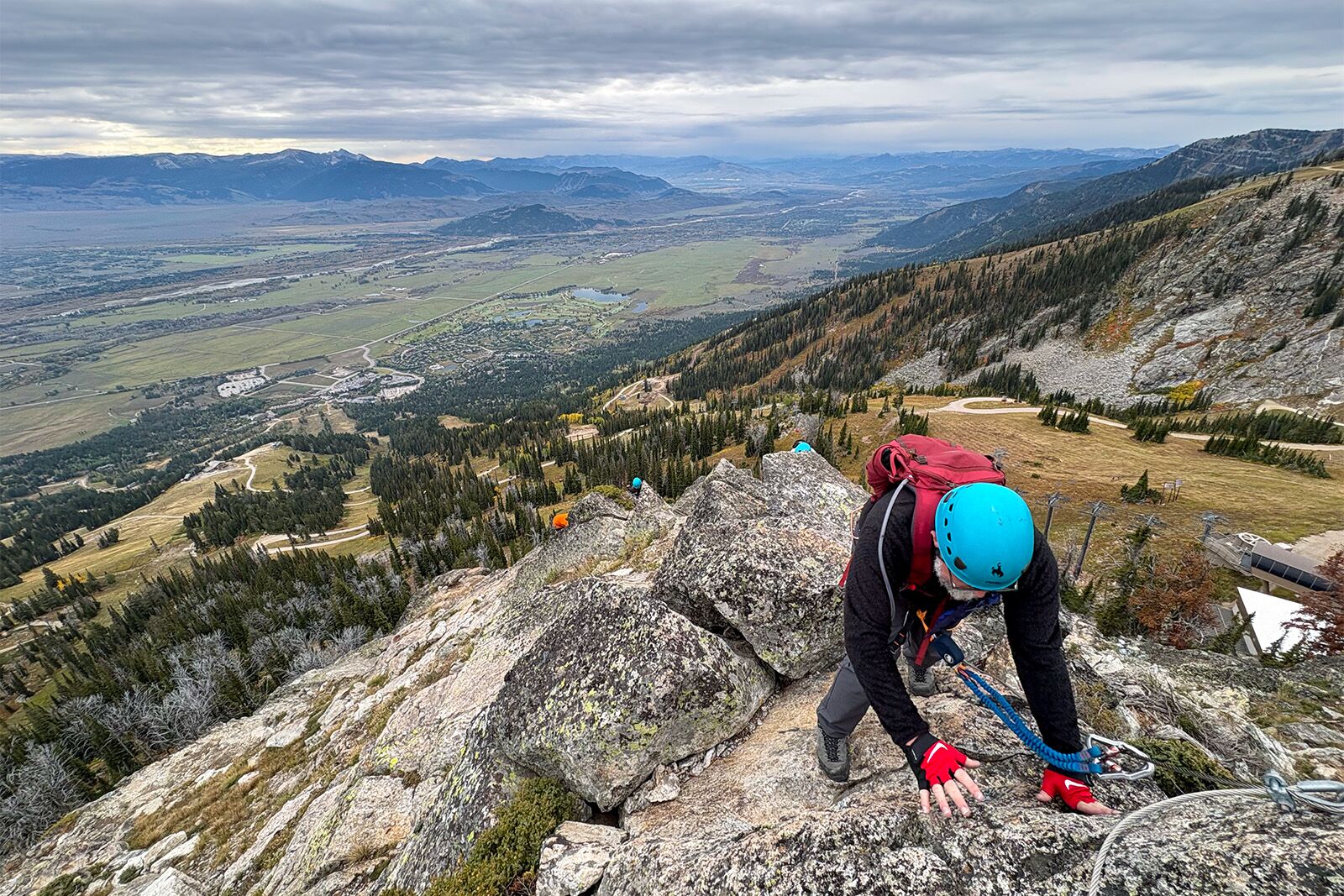
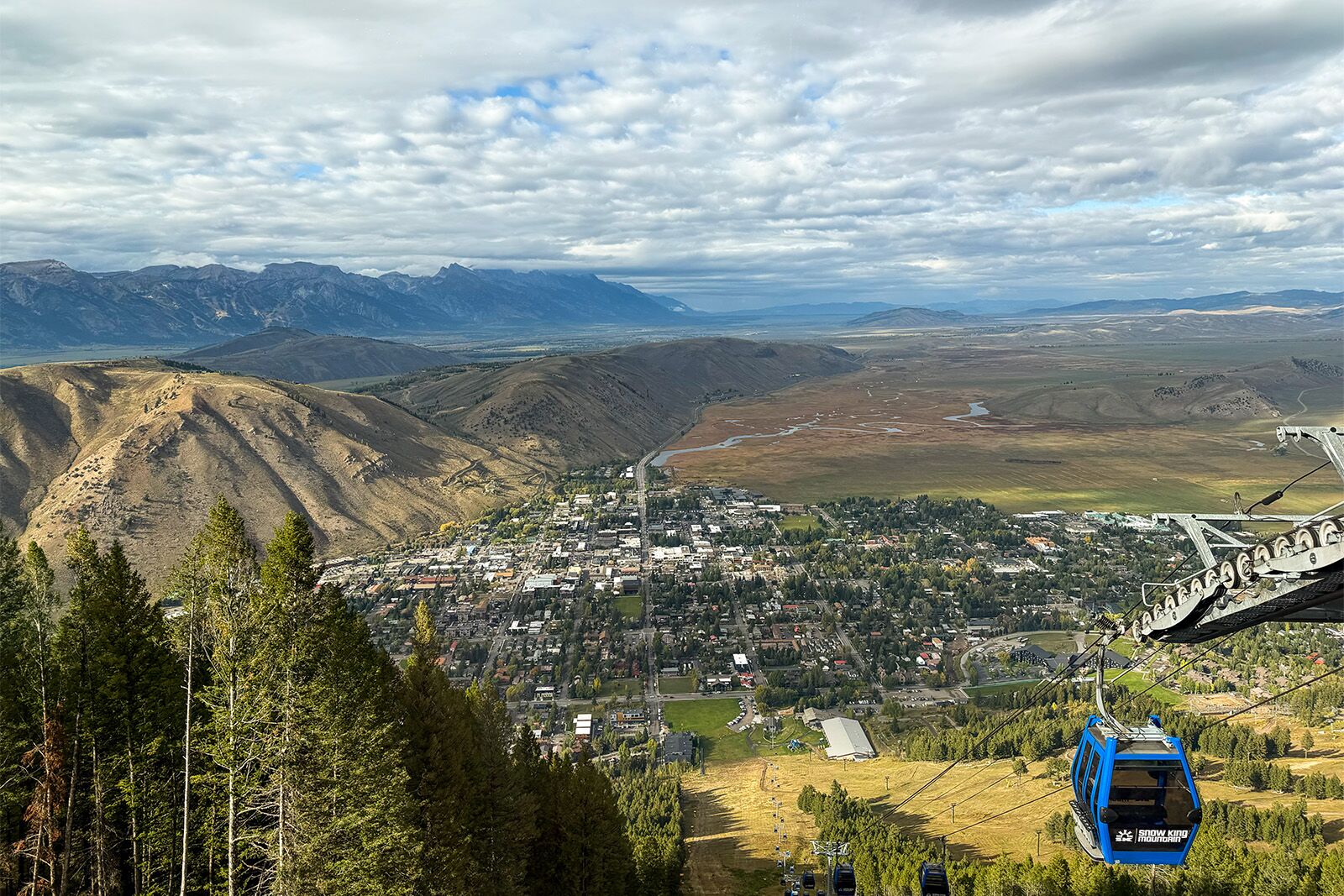
For travelers craving a unique physical test, the "iron way" (via ferrata) is a must. This activity involves traversing rock faces via a system of bolted iron rungs, ladders, and steel cables. Secured to a safety line at all times, participants can navigate inverted faces and swaying bridges that would otherwise be reserved for expert rock climbers. It is a profound test of both physical strength and mental fortitude, offering views of the valley that remain seared in the memory.
Stargazing and Science
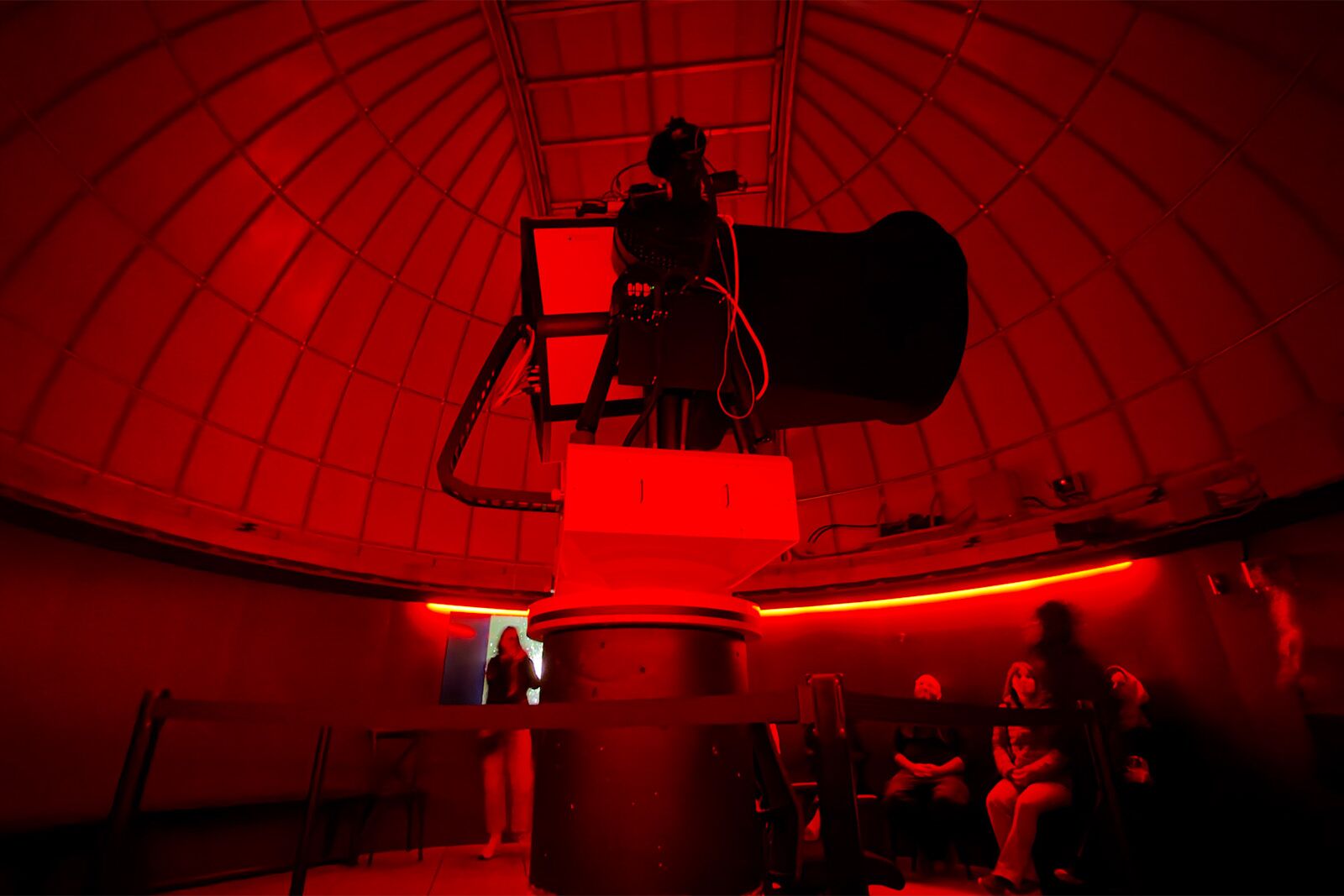
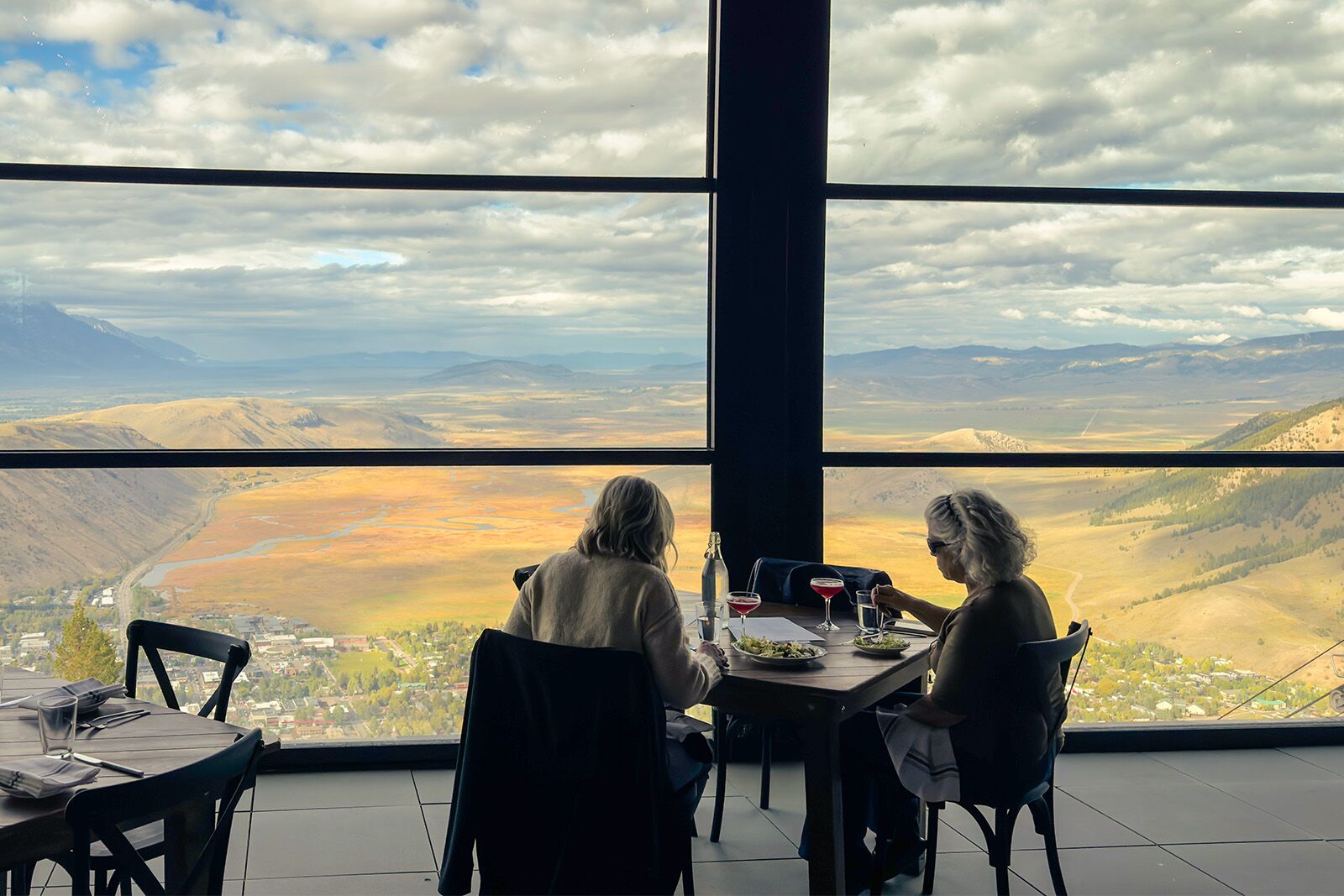
The region’s dark skies are a protected treasure. The Snow King Observatory & Planetarium provides a unique educational angle, housing one of the largest public telescopes in the region. Whether you are observing deep-space nebulas or attending a science-based show in the 26-foot full-dome theater, it is a reminder of the sheer scale of the wilderness surrounding you.
Culinary and Cultural Landmarks
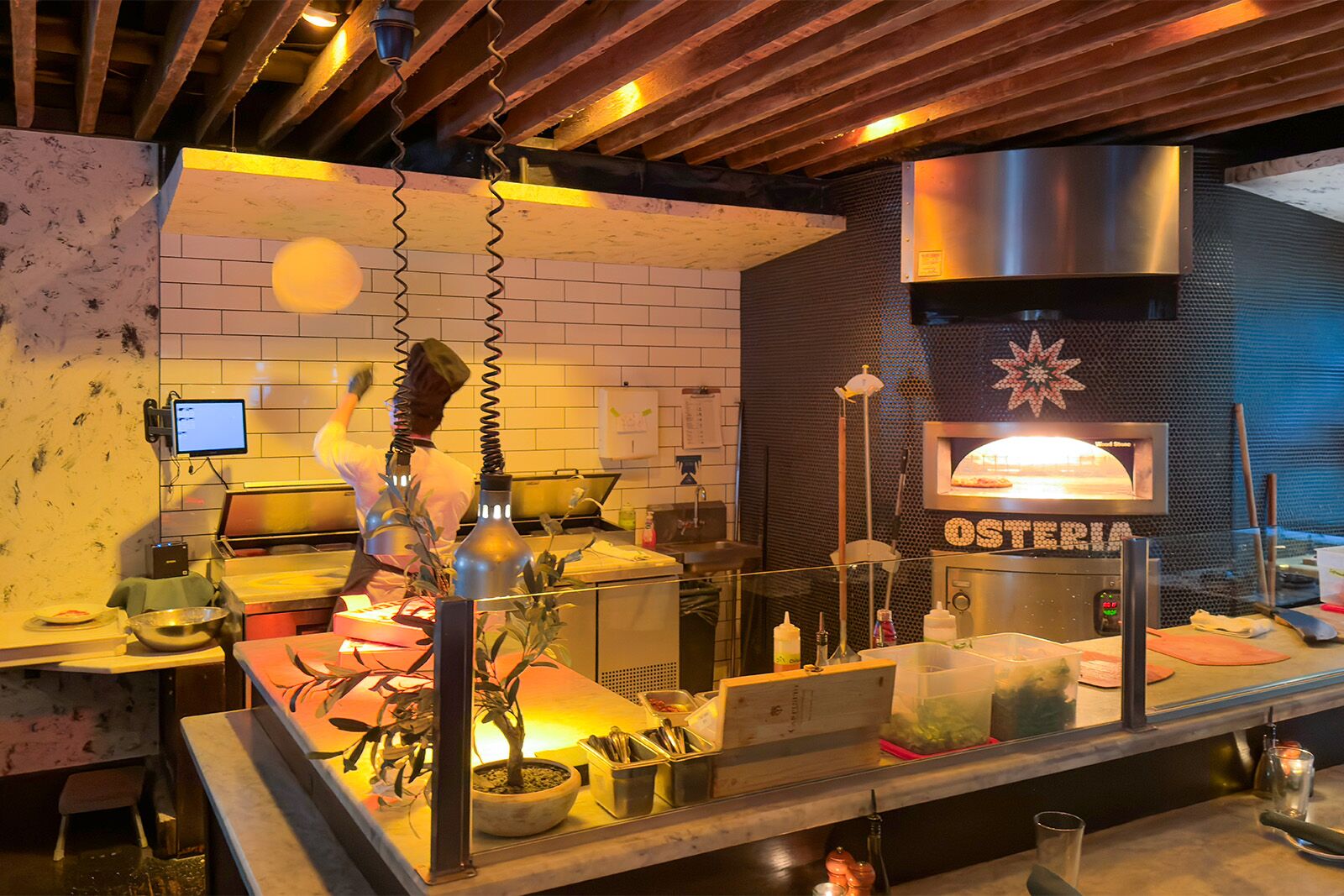
Jackson’s dining scene has matured into a sophisticated culinary landscape that rivals major urban centers, albeit with a distinct "mountain-west" flair.
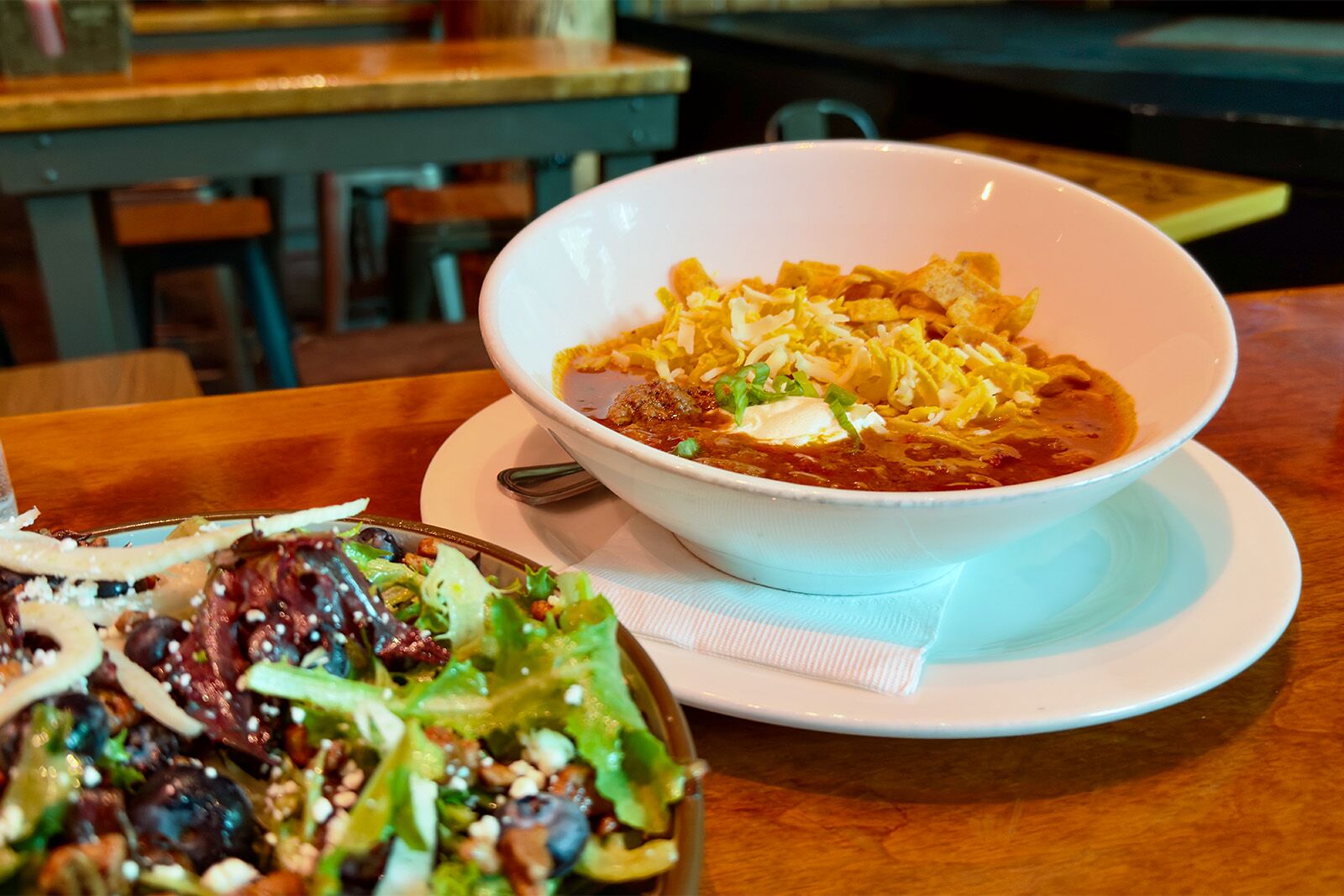
- Aurora Restaurant: Perched atop the Snow King Gondola, this venue offers what is arguably the most breathtaking view in the state. The menu leans into high-end comfort food, with standout dishes like chargrilled octopus and bone-in ribeye.
- Il Villaggio Osteria: Located in Teton Village, this Italian staple is a favorite for its Meyer lemon pizza and house-made pasta, providing a cozy atmosphere after a day on the mountain.
- The Mangy Moose: A legendary institution that feels like a classic saloon. It is the perfect place to try "game chili" (bison and elk) and a "sloshie"—the local tradition of a booze-infused slushie.
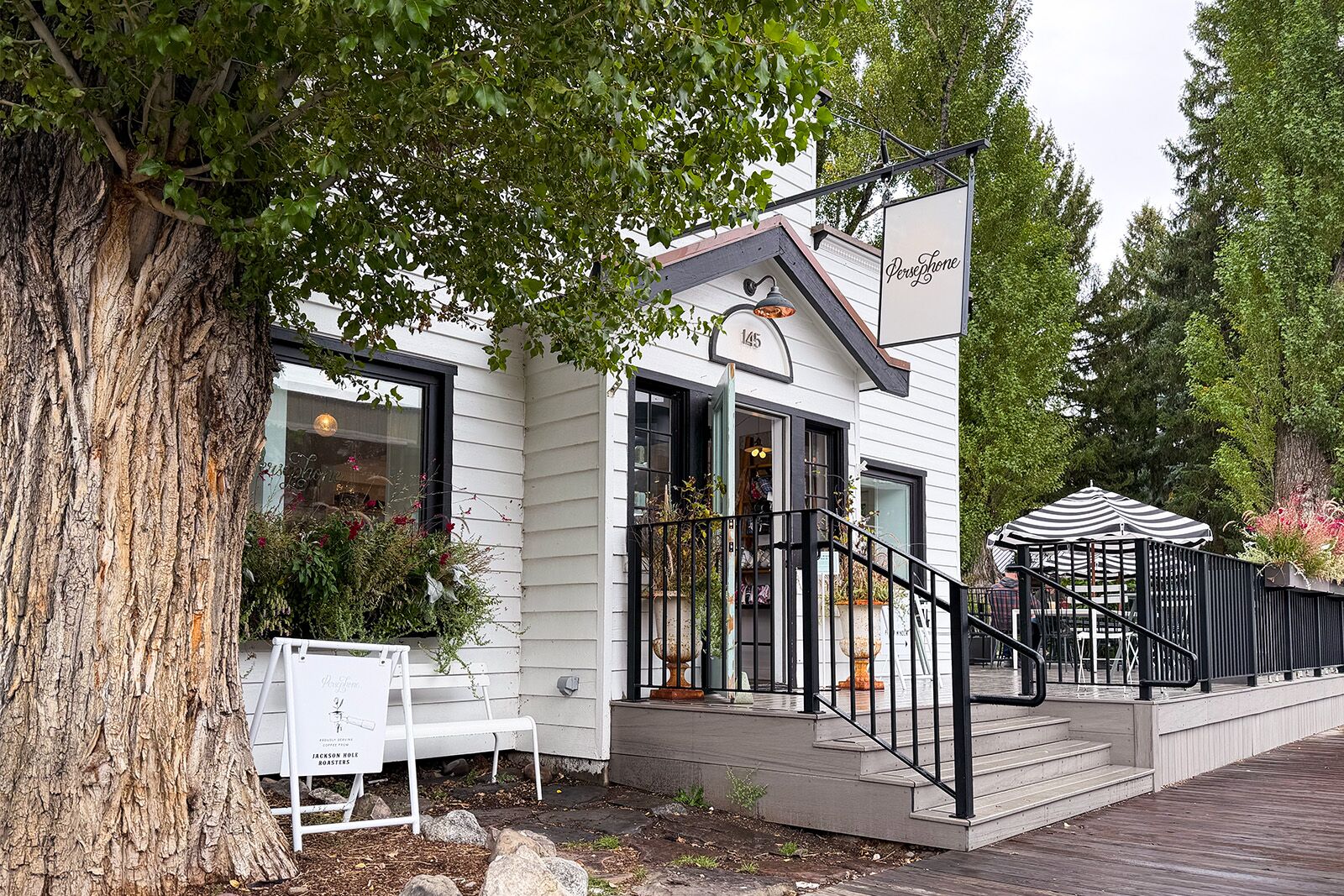
- Persephone Bakery: A downtown staple for morning coffee and pastries. Its patio is the perfect vantage point for people-watching in the heart of Jackson.
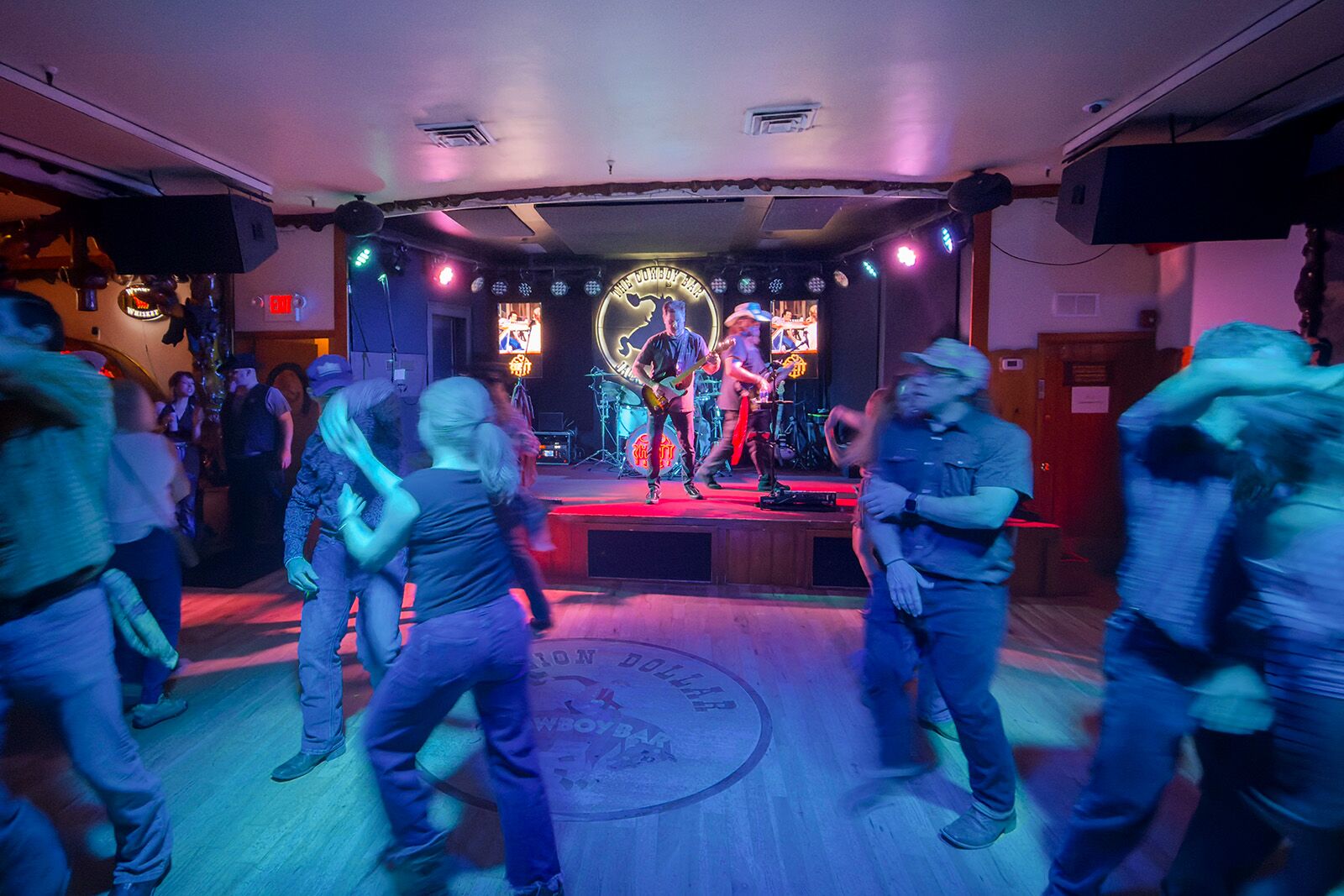
- Million Dollar Cowboy Bar: No trip to Jackson is complete without a stop here. With its iconic neon signage and barstools made from real saddles, it serves as the cultural center of the town’s nightlife.
Implications: The Future of Jackson Hole Tourism
The shift toward year-round tourism in Jackson has significant implications for local sustainability and infrastructure. As the town becomes a premier destination for non-winter travelers, the reliance on the START Bus and on-demand transit services has increased.
Travelers should note that while Jackson is walkable in its downtown core, exploring the vastness of the Tetons and Yellowstone requires a rental car. However, the town’s proactive approach to public transportation—including free shuttles—demonstrates an intent to mitigate the environmental impact of increased tourism. For the visitor, this means less time navigating traffic and more time engaging with the natural beauty that makes this valley so resilient.
Accommodations: Where to Stay
- Gravity Haus: A modern, adventure-focused hotel located in Teton Village. With its in-house Adventure Center, gear-forward design, and recovery amenities like saunas and hot tubs, it is designed specifically for those who spend their days in the field.
- The Hostel: For the budget-conscious, this remains the gold standard. It provides a communal atmosphere, outdoor grills, and easy access to the mountain, proving that the Jackson experience need not be defined by a luxury price tag.
Final Reflections
Jackson Hole is a place of extremes—high peaks, deep valleys, and a culture that sits somewhere between rugged frontier history and modern luxury. Whether you are there to challenge your nerves on a via ferrata, find peace on a forest trail, or simply enjoy a craft beer while watching the sun set behind the Tetons, the valley offers a profound sense of scale and wonder. By visiting in the summer or early fall, you gain access to a different side of Jackson—one where the mountains are just as impressive, but the pace is entirely your own.