





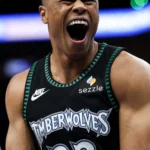







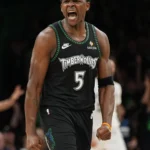



































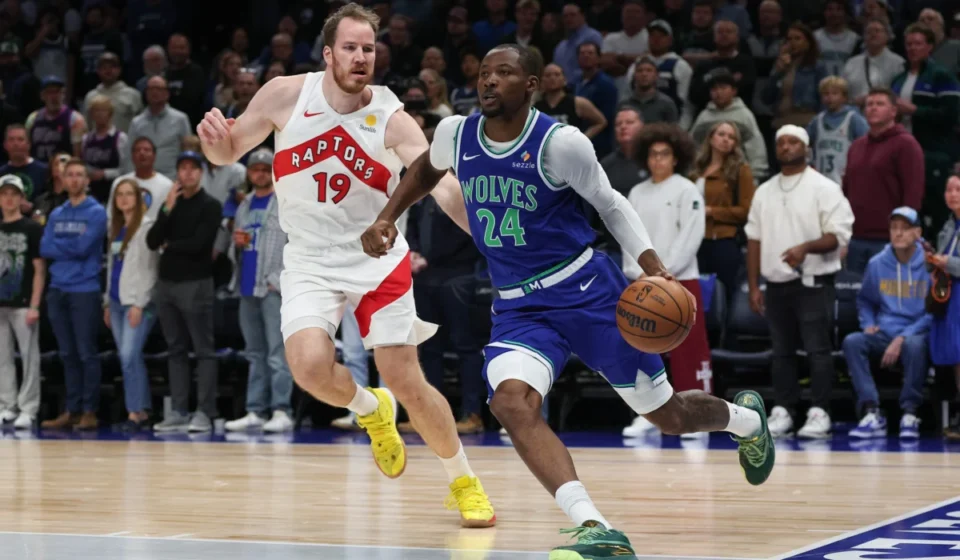

The 2026-27 NBA season for the Minnesota Timberwolves began with a level of synchronicity rarely seen in professional sports. Following an aggressive offseason overhaul, the team sprinted to a blistering start, dismantling opponents with a blend of high-octane pace and defensive discipline. However, the franchise now faces its most significant hurdle yet: superstar Anthony Edwards will be sidelined for up to two months following arthroscopic surgery on his right knee.
The procedure, which will keep the cornerstone of the Timberwolves’ offense out for approximately 30 games, represents a sudden shift in the team’s trajectory. Yet, in a testament to the depth and systemic identity built by President of Basketball Operations Tim Connelly and Head Coach Chris Finch, the organization remains steadfast in its belief that the team’s foundation is strong enough to endure this absence.
A Summer of Audacious Transformation
The current roster is the product of a calculated gamble. Over the summer, the Timberwolves parted ways with established veterans Julius Randle and Naz Reid, moving them to Brooklyn and Charlotte, respectively. In their place, the team welcomed LaMelo Ball and Jonathan Kuminga.
The vision was clear: replace stagnant, iso-heavy sets with a more fluid, aerobic style of play. This was not merely a change in personnel, but a philosophical shift toward "selfless sacrifice." Through the first four games, this vision manifested in a team that moved with shared intent. Even in the loss to the Cleveland Cavaliers, the team displayed a level of cohesive, high-intensity basketball that suggested the front office’s gamble had paid immediate dividends.
Chronology of the 2026-27 Campaign
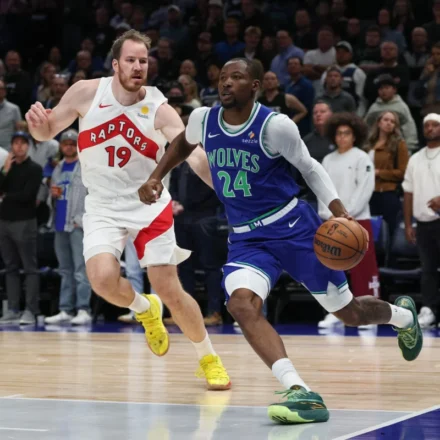
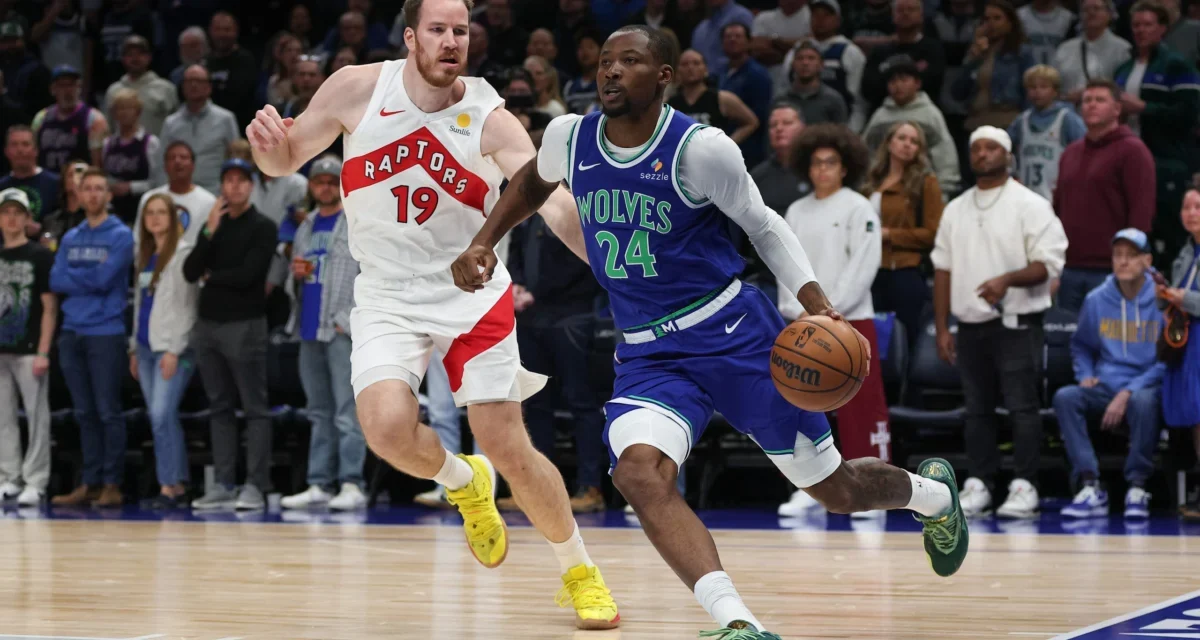
The Timberwolves’ season began with a statement of intent. The team opened with three consecutive decisive victories—dispatching the Miami Heat, Orlando Magic, and Toronto Raptors with such clinical efficiency that the outcomes were often decided before the final frame. For a franchise that has covered every year of its existence, this was uncharted territory; never before had the Wolves opened a season with such overwhelming dominance.
However, the momentum hit a wall in Cleveland on Monday night. Playing on the second night of a back-to-back following a physically demanding home opener against the Raptors, the Timberwolves succumbed to a fatigue-driven fade. Despite a double-digit first-half lead, the team struggled with turnovers and defensive lapses. The game was marked by an uncharacteristically sloppy performance from LaMelo Ball—who committed six turnovers—and a difficult night for Rudy Gobert. While Anthony Edwards nearly willed the team to an overtime victory, the team fell short, marking their first blemish of the season.
The news of Edwards’ injury, arriving on Tuesday evening, added a layer of sobering reality to the early-season excitement. The decision to undergo surgery immediately was calculated; the team’s front office and medical staff determined that the current roster, bolstered by its newfound defensive identity, is capable of remaining in the Western Conference playoff hunt while Edwards recuperates.
Supporting Data: The Impact of New Arrivals
While Anthony Edwards has been the engine of the Timberwolves for years, the performance of newcomers Jonathan Kuminga and LaMelo Ball has provided the "glue" that keeps the team competitive even in the face of adversity.
The Defensive Surge
Statistically, the Timberwolves have transformed into one of the league’s most efficient defensive units. Kuminga, formerly a lightning rod for criticism during his tenure with the Golden State Warriors, has emerged as a defensive stalwart. His willingness to take on "thankless" roles—guarding opposing stars like Giannis Antetokounmpo and Paolo Banchero—has been pivotal. Currently, the team ranks second in the NBA in fewest points allowed per possession.

Statistical Synergy
The efficiency metrics support the eye test:
- Jonathan Kuminga: Beyond his defensive versatility, Kuminga has demonstrated elite basketball IQ. He is shooting 46.7% from three-point range and has recorded ten assists against only one turnover in 119 minutes of play.
- LaMelo Ball: Despite the occasional defensive foul, Ball’s length (6’7") has allowed the Wolves to generate deflections and force opponents into stagnant possessions.
When on the floor, both Kuminga and Ball have occupied a defensive efficiency tier alongside stalwarts Rudy Gobert and Jaden McDaniels, proving that their contribution is more than just box-score filler—it is fundamental to the team’s defensive identity.
Implications: Navigating the Road Ahead
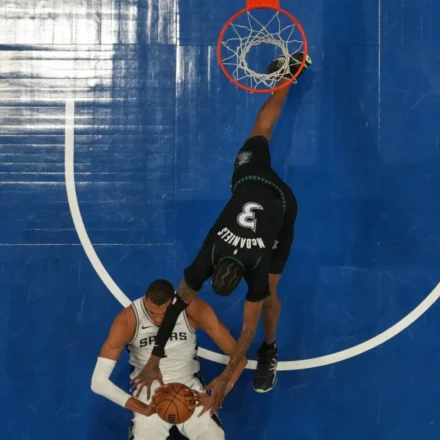
The absence of Anthony Edwards for two months forces an immediate tactical pivot for Chris Finch. The "And One" philosophy, which emphasizes increased usage for Jaden McDaniels, now takes on a heightened urgency.
Roster Adjustments
- Starting Lineup: Ayo Dosunmu is the frontrunner to fill the void in the starting five. His poise and defensive awareness make him the most logical candidate to maintain the team’s established rhythm.
- Second Unit: The rotation will likely see an uptick in minutes for Bones Hyland and Jaylen Clark. Their energy will be crucial in maintaining the pace that defines the new-look Wolves.
- Playmaking Depth: The responsibility of primary playmaker will fall on the shoulders of TJ Shannon, who has already begun to embrace a larger role off the bench.
The concern, naturally, is that the early-season "giddiness"—the contagious joy that the team displayed in the preseason and the opening week—might be tested by the reality of a 30-game stretch without their primary star. However, the West is wide open. With the Oklahoma City Thunder battling injuries of their own and the San Antonio Spurs struggling to find their footing, the Timberwolves have a window to solidify their identity before Edwards returns for the final 45+ games of the season.
Official Perspective and Future Outlook
The organization’s official stance remains one of cautious optimism. The surgery was not a reactive choice but a proactive one, intended to ensure Edwards is at full strength for the postseason.
"We built this roster to be more than a collection of parts," a team source noted. The cohesion established during the team’s off-season training in Paris and at Mayo Clinic Square has created a psychological buffer that few teams possess.
While the loss of a superstar would devastate most teams, the Timberwolves have spent the first week of the season proving that their new system is built for sustainability. The challenge now is to maintain their defensive standard and continue to share the ball. If the team can survive the upcoming 30-game gauntlet with their playoff positioning intact, they may well emerge as a more dangerous, battle-tested group once Edwards returns.
As the team prepares for the upcoming stretch, all eyes will be on the supporting cast. Can Kuminga continue his efficient play? Will Ball lead the offense with more discipline? Can McDaniels elevate his game to fill the scoring void? The answers to these questions will determine whether the 2026-27 Timberwolves are merely a flash in the pan or a legitimate contender for the Western Conference crown.
For now, the mandate is clear: adapt, defend, and continue the pursuit of excellence that defined the first four games of this remarkable, and now pivotal, season.