




































The Front Porch Renaissance: How Minneapolis is Redefining the Live Music Experience

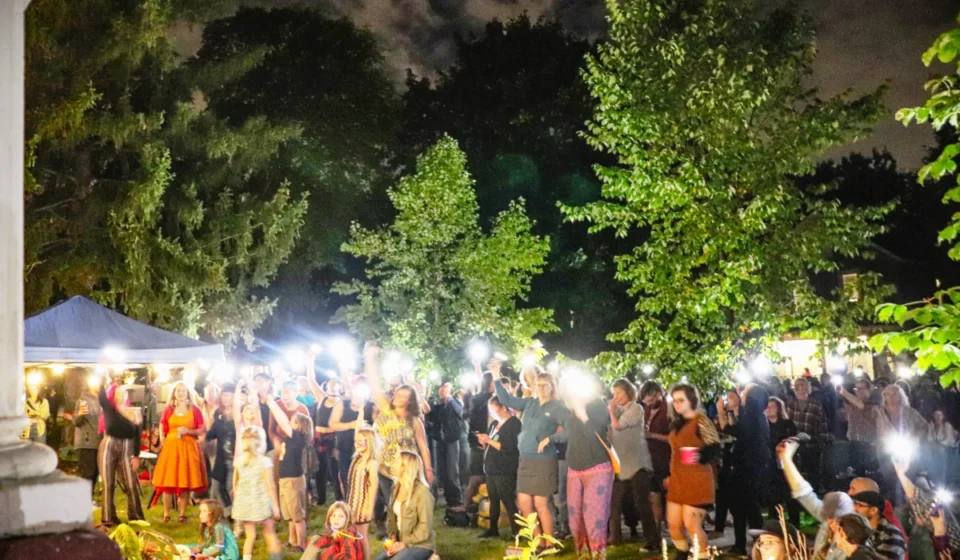
Across the Twin Cities, a quiet revolution in live performance is taking root—not in the cavernous, neon-lit arenas of downtown, but on the weather-worn front porches and tucked-away garages of Minneapolis neighborhoods. This summer, as the Lowry Hill East neighborhood hummed with the eclectic sounds of the Uptown Porchfest, it became clear that the city’s cultural heartbeat is shifting. By transforming private residences into public stages, residents are fostering a new kind of community engagement that feels both radical and deeply nostalgic.
The Rise of the DIY Venue: A Response to Modern Isolation
In an era increasingly dominated by digital interaction and the high costs of commercial concert venues, the "house show" movement offers a compelling antidote. For many, the appeal lies in the intimacy of the setting. When a punk band plays on a porch or a bluegrass trio occupies a driveway, the invisible barrier between performer and spectator evaporates.
This DIY (do-it-yourself) ethos is not merely about convenience; it is a search for connection. These events function less like formal concerts and more like extended neighborhood block parties. For the homeowners who open their gates, it provides a front-row seat to the creative process; for the audience, it provides a rare, accessible, and often free way to engage with the arts. As the city prepares for the upcoming Powderhorn Porchfest and the Off-Leash Area’s Neighborhood Garage Tour, the trend signals a broader shift in how urban dwellers view their living spaces: not just as private shelters, but as vital, communal cultural hubs.
A Chronology of Community Creativity
The evolution of the Minneapolis home-venue scene is as varied as the neighborhoods themselves. While grassroots music has always existed, the formalization of "Porchfests" has created a roadmap for how individual passion projects become city-wide staples.
In Northeast Minneapolis, Jenee Nederloe’s backyard became an unlikely sanctuary for the arts due to a stroke of bad luck. After a vehicle collided with her garage, causing significant structural damage, the ensuing renovation didn’t just yield a repaired wall—it created a stage. Nederloe and her husband opted to build a custom garage with two open sides and an asphalt pad, initially intended for casual hangouts.
However, the space quickly took on a life of its own. It evolved from a private party zone into a venue for neighborhood recitals and, eventually, a public-facing host for the annual Art-A-Whirl festival. By last May, the Bleeding Hearts Studio had fully embraced its dual identity as a private garage and a public art venue. For Nederloe, the goal was never commercial success; it was, in her words, about "friends hanging out and friends that we don’t know yet."
Similarly, in the Powderhorn neighborhood, Kelly Piatt’s journey began 13 years ago when she stumbled upon a Porchfest by accident. The sight of neighbors dancing, children playing, and live music drifting through the suburban streets left a lasting impression. Piatt soon transitioned from attendee to host, a role she continues to fulfill. Her experience highlights the generational ripple effect of these events: what starts as a delightful afternoon discovery for a parent often becomes a yearly tradition for the whole family.
Supporting Data: The Logistics of Local Performance
While the aesthetic is intentionally "low-key," the logistical reality of these festivals is a testament to the dedication of neighborhood associations. Hosting an event like the Powderhorn Porchfest—scheduled this year for September 19—is a massive, year-round undertaking.
The scale of these operations is significant. Take the upcoming Powderhorn event: it will span four distinct stages along 17th Avenue South, operating from 4 p.m. to 10 p.m. The lineup is intentionally diverse, ranging from the Afrobeats rhythms of Obi Original and the Black Atlantics to the surf-psyche-femme-punk energy of Black Widows. The event also includes youth-focused spoken word and hip-hop programming from TruArtSpeaks, alongside a dedicated Queer DJ tent.
Coordinating this requires a small army of volunteers. According to Phil Rooney, a veteran host of these events, the burden on the individual homeowner is surprisingly light, provided the infrastructure is in place. "I get the clutter off my porch, set up some lights, and provide some water for the musicians," Rooney explains. "But the back-end work—the grants, the city permits, the electrical safety checks—is where the real heavy lifting happens."

This heavy lifting is managed by organizations like the Powderhorn Park Neighborhood Association (PPNA), which views the festival as an essential piece of urban infrastructure.
Official Perspectives: The Relational Nature of Urban Festivals
Pedra Lander, the senior events manager for the PPNA, emphasizes that the success of these festivals is not tied to a specific budget or marketing campaign, but to the social fabric of the neighborhood.
"Powderhorn Porchfest thrives because neighbors show up for each other," Lander says. She points to the neighborhood’s history—specifically during periods of social unrest and federal occupation—as a crucible that forged these strong interpersonal bonds. "It is all relational-based. The festival is just a mirror of the community’s commitment to one another."
This sentiment is echoed by organizers who are working to ensure that these DIY events are not just fun, but inclusive. Jennifer Ilse, co-director of the Off-Leash Area theater company, has spent years refining the "Neighborhood Garage Tour," known as the Stardust Rendezvous. For Ilse, the democratization of space must include a commitment to accessibility.
"In the early 2000s, we realized our garage was a perfect stage," Ilse notes. "It was empowering to do art on our own terms, outside the constraints of traditional institutions." But that empowerment, she argues, is hollow if it is not accessible to everyone.
Implications: The Future of the DIY Ecosystem
The move toward professionalizing the DIY space has profound implications for the city’s future. It challenges the notion that quality art requires institutional backing. Instead, it suggests that with enough logistical support—such as site assessments for wheelchair access, the use of plywood to bridge gaps in grassy terrain, and clear communication regarding entry points—homeowners can provide professional-grade experiences.
Occasionally, this means making tough calls. Ilse admits that her team has had to reject potential venues that could not meet their rigorous accessibility standards. Yet, the trade-off is worth it. By bypassing institutional gatekeepers, artists and hosts are finding new ways to define what a "venue" is.
This growing ecosystem in the Twin Cities suggests that we are witnessing a permanent shift. As more people see the success of events like the Off-Kilter Cabaret—which highlights disabled performers—and the various Porchfests, the barrier to entry for other neighborhoods lowers.
Key Takeaways for the Future of DIY Arts:
- Institutional Independence: The ability to curate programming without adhering to the bureaucratic constraints of large theaters allows for more diverse, experimental art.
- Social Capital: The success of these events is entirely dependent on the strength of neighbor-to-neighbor relationships, proving that social cohesion is a prerequisite for a vibrant arts scene.
- Accessibility as a Standard: The transition from "makeshift" to "accessible" is the most important development in the DIY sector. It ensures that grassroots music remains a public good rather than a private hobby.
- Resiliency: By decentralizing the arts, neighborhoods become more resilient. If one venue closes, others rise to take its place, creating a living, breathing network of culture that cannot be easily dismantled.
Ultimately, the front porch and the garage are becoming the most important stages in Minneapolis. They represent a rejection of the idea that culture is something to be "consumed" in a sterile, corporate environment. Instead, they frame culture as a shared responsibility—a living, breathing dialogue between neighbors that happens, quite literally, right on our own front steps. As long as there are people willing to open their doors, the Twin Cities’ musical ecosystem will continue to thrive, one porch at a time.