












































A "Sweetheart Deal" Under Fire: The Legal Battle Over Bayer’s $7.25 Billion Roundup Settlement

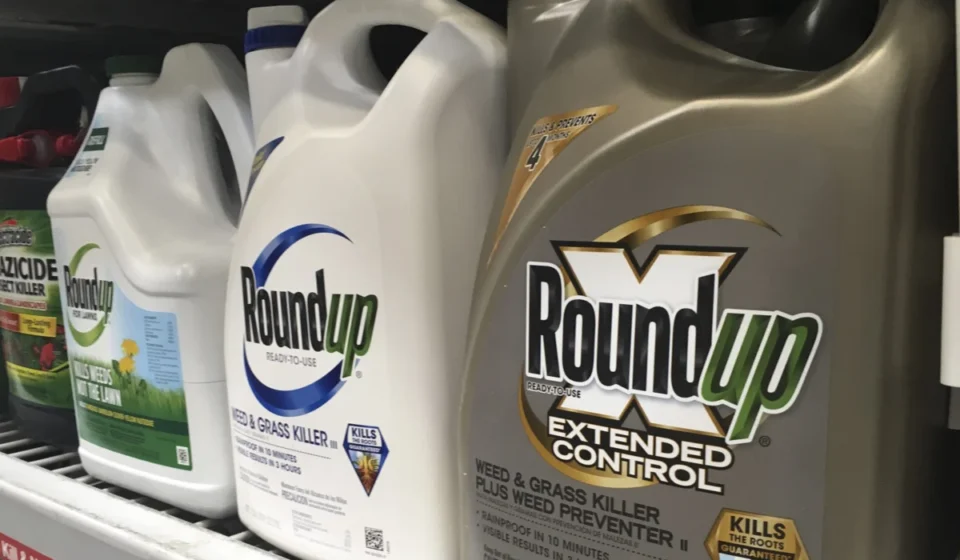
The long-running, high-stakes litigation surrounding Bayer AG’s glyphosate-based herbicide, Roundup, has reached a fever pitch. In what critics are calling a "liability-laundering scheme," a proposed $7.25 billion class-action settlement is facing an intense legal onslaught. Opponents argue the deal not only violates constitutional due process but also functions as a "sweetheart deal" that enriches attorneys while providing nominal compensation to those suffering from cancer linked to the herbicide.
The conflict, centered in Missouri, has moved from the courtroom to a broader debate about corporate accountability, the integrity of class-action law, and the rights of future victims who may unknowingly be signed away by the terms of this sweeping agreement.
The Core Controversy: A Question of Due Process
At the heart of the dispute is a class-action settlement proposed in February 2026 by Bayer and a select group of plaintiffs’ attorneys. The deal seeks to resolve tens of thousands of existing lawsuits filed by individuals suffering from non-Hodgkin lymphoma (NHL) and other cancers they attribute to chronic exposure to Roundup.
However, legal experts and dissenting plaintiffs’ attorneys argue that the structure of the deal is fundamentally flawed. In a blistering court filing submitted on May 21 in the Circuit Court of the City of St. Louis, objectors characterized the proposal as an affront to the U.S. Constitution. They allege the settlement runs "roughshod over basic due process rights" by attempting to bind millions of people—including those who have not yet been diagnosed with cancer or even born—to a restrictive legal framework.
The most contentious aspect involves the "opt-out" mechanism. Critics argue the settlement is designed to be "comically difficult" for injured parties to navigate. Unless an individual goes through a rigorous and complex series of affirmative steps to opt out, they are automatically enrolled in the class, effectively forfeiting their right to seek individual justice in court.
A Chronology of the Roundup Litigation
The legal war against Monsanto—which was acquired by Bayer in 2018 for $63 billion—has been characterized by years of intense jury trials and massive, albeit fluctuating, legal victories for plaintiffs.
- 2016–2018: The first major wave of Roundup litigation begins, with cases consolidated under U.S. District Judge Vince Chhabria in California. These cases set the stage for major jury verdicts against the company.
- 2018: Bayer completes its acquisition of Monsanto, inheriting a massive portfolio of legal liabilities related to glyphosate, the active ingredient in Roundup.
- February 2026: Bayer and a group of plaintiffs’ attorneys announce a $7.25 billion settlement proposal, intended to resolve a significant portion of current and future litigation. The deal is granted preliminary approval by a Missouri state court judge.
- April 2026: The U.S. Supreme Court hears arguments in a case that could fundamentally alter the landscape of pesticide litigation, specifically regarding the preemption of state-law "failure to warn" claims.
- May 21, 2026: Attorneys Ashley Keller and the firm Frazer PLC file a formal objection in Missouri state court, labeling the deal a "sweetheart" arrangement.
- May 22, 2026: A "notice of removal" is filed, attempting to shift the state court litigation into the federal system to challenge the validity of the class-action structure.
- June 4, 2026: The deadline for plaintiffs to opt out of the proposed settlement.
- July 2026: A scheduled final approval hearing is set to determine the fate of the $7.25 billion agreement.
Supporting Data and Financial Incentives
The financial architecture of the proposed settlement has drawn significant scrutiny. According to legal filings, the agreement earmarks approximately $675 million in fees specifically for the class-action attorneys who helped structure the deal. Critics point to this figure as evidence of a conflict of interest, suggesting that the attorneys have a greater incentive to facilitate the settlement than to maximize the recovery for their actual clients.
For the victims, the outlook is starkly different. The deal proposes a payout structure that many argue provides only a "pittance" to cancer survivors. Furthermore, the agreement allows Bayer to continue selling Roundup without any cancer-related warning labels, a condition that objectors argue rewards the company for its "past deeds" and permits the continued, unrestricted use of the herbicide across the country.
The "futures" subclass is perhaps the most legally precarious element. By attempting to encompass individuals who have "seen" someone use Roundup, the settlement aims to create a massive safety net for Bayer. Legal scholars have noted that such a class is largely unprecedented in American jurisprudence, as it seeks to bind individuals who may not yet be injured—or, in some cases, even born—to the outcomes of this specific litigation.
Official Responses and Corporate Strategy
Bayer has remained firm in its defense of the settlement. In a formal statement, the company dismissed the objections as routine for a settlement of this magnitude and expressed confidence that the deal would hold up under judicial review.
"We remain confident that the long-term and well-financed proposed class settlement plan, which is supported by plaintiff law firms representing thousands of potential class members, is fair to all claimants, and warrants approval by the court," the company stated.
Chris Seeger, a prominent attorney and one of the primary architects of the settlement, has labeled the move to remove the case to federal court as a "baseless delay tactic." Seeger maintains that the agreement provides the only viable path to "guaranteed compensation" for victims who have been waiting over a decade for resolution. He argues that without this settlement, the combination of a potential unfavorable Supreme Court ruling and the looming risk of bankruptcy could leave thousands of claimants with nothing at all.
Implications: The Looming Shadow of the Supreme Court
The urgency behind the settlement is driven in no small part by a pending U.S. Supreme Court decision. The Court is currently weighing whether the Federal Insecticide, Fungicide, and Rodenticide Act (FIFRA) prevents state-level juries from holding companies liable for failing to warn consumers of cancer risks, provided the EPA has not formally identified such a risk.
The EPA currently maintains that glyphosate is "unlikely" to be carcinogenic to humans. If the Supreme Court rules in favor of Monsanto, it could effectively immunize the company from a significant portion of future liability, rendering pending lawsuits much weaker or entirely moot.
Bayer and the proponents of the settlement are leveraging this uncertainty to encourage plaintiffs to remain in the class. The strategy is clear: settle now for a guaranteed amount, or risk losing everything in a post-Supreme Court landscape.
Conclusion: A Precedent for Future Litigation
The outcome of the July hearing in Missouri will be a watershed moment for mass tort litigation in the United States. If the court approves the settlement, it could set a dangerous precedent for how corporations handle widespread health liability, potentially incentivizing the use of "liability-laundering" schemes to shield companies from the courtroom.
Conversely, if the objections are sustained and the deal is dismantled, it would be a significant victory for the plaintiffs’ bar and those who believe that the judicial system must remain a venue for individual accountability. As the June 4 opt-out deadline looms, thousands of cancer patients are left to decide between the bird-in-the-hand of a controversial settlement and the uncertain, high-stakes gamble of future litigation. Regardless of the result, the case has already exposed the deep fractures within the American civil justice system and the ongoing battle over the health impacts of some of the world’s most widely used agricultural products.