
















































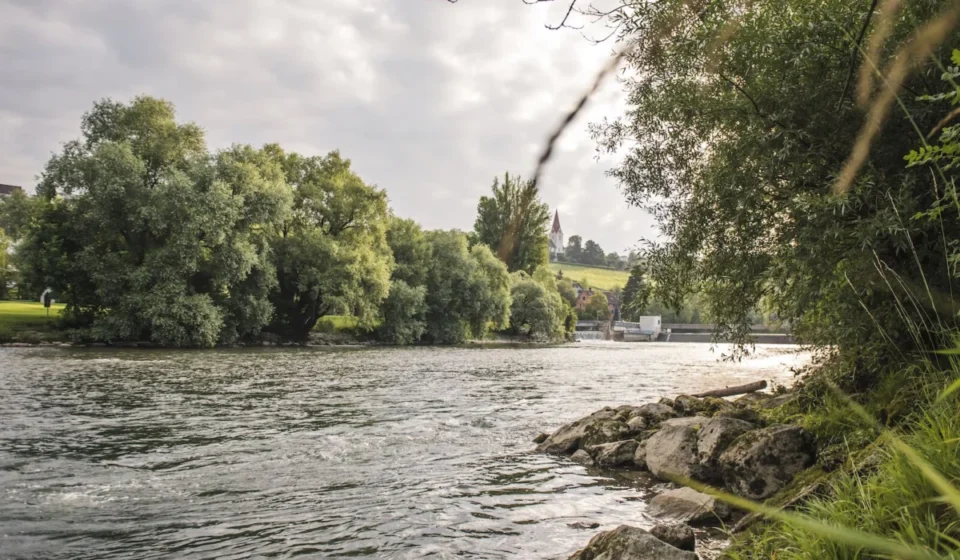

For the uninitiated, the concept of a Swiss summer might conjure images of snow-capped peaks and chilly mountain passes. However, for those living in the heart of the Swiss plateau, summer is defined by the badi—a quintessential institution that transforms the country’s pristine lakes and rivers into vibrant, communal urban oases. From May through September, the badi (the German-Swiss term for swimming area) serves as the social heartbeat of Switzerland, bridging the gap between utilitarian public infrastructure and hedonistic summer leisure.
Main Facts: The Anatomy of a Badi
A badi is far more than a neighborhood pool. While many function as municipal swimming facilities for the majority of the year, the arrival of the warmer months triggers a remarkable metamorphosis. Through the installation of wooden piers, designated lakewater swimming enclosures, and extensive amenities, these spaces become the primary destination for local recreation.
The standard badi infrastructure includes comprehensive changing rooms, showers, equipment rentals (from SUP boards to volleyballs), and onsite culinary outlets ranging from casual kiosks to sophisticated restaurants. As the sun dips below the horizon, the most popular locations undergo a second transformation: the daytime family retreat evolves into a swanky, open-air bar or a live concert venue. These spaces are democratic by design, requiring modest entry fees that fund the impeccable maintenance for which Swiss public facilities are world-renowned.
Chronology of a Swiss Summer
The badi season is tied strictly to the Alpine climate.
- Late Spring (May): As the snowmelt finishes and temperatures rise, the wooden frames and docks are deployed. This is the "soft opening" phase where water temperatures are still crisp, and the crowds are largely composed of fitness enthusiasts.
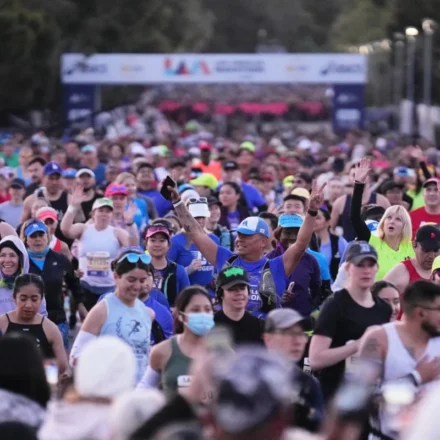
- Peak Summer (June–August): This is the high season. The city’s pulse shifts toward the waterfront. This period includes the highly anticipated annual events, such as the Limmat River swim in Zurich, where thousands of residents descend upon the city’s waterways in a coordinated, celebratory drift.
- The Twilight Shift: Daily cycles are equally important. Mornings are for lap swimmers and families. Mid-afternoons are for sun-seekers. Evenings are for the socialites, as many badis transition into nightlife hubs, serving craft cocktails and hosting DJs until the late hours.
Supporting Data: Mapping the Swiss Swimming Landscape
Switzerland’s obsession with water is backed by a geography that offers unparalleled access to freshwater. Below are nine essential destinations that encapsulate the breadth of the badi experience.
1. Flussbad Oberer Letten, Zurich
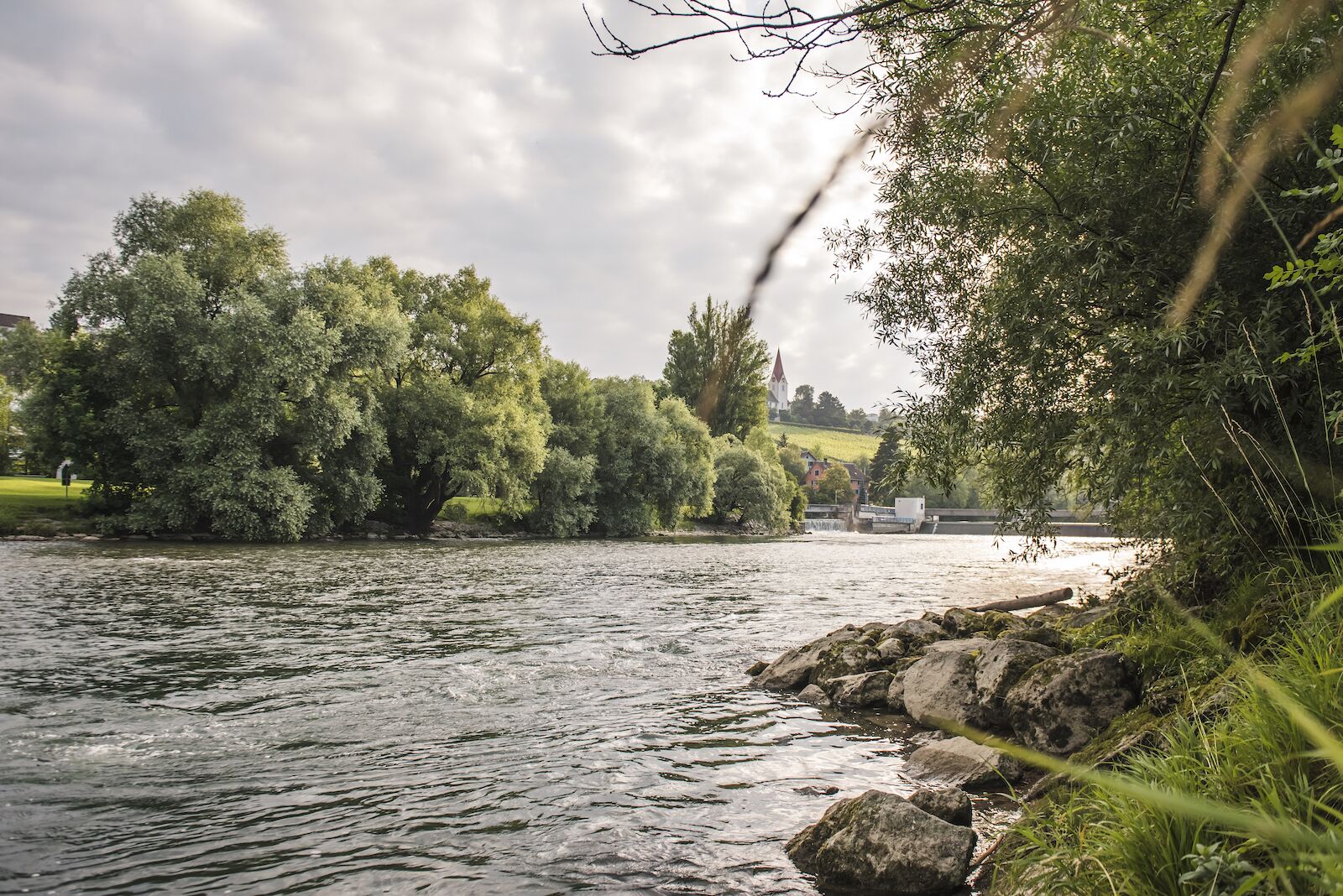
Located in the edgy Kreis 5 district, the Oberer Letten is the epitome of urban cool. Built into the Limmat River, this concrete structure allows swimmers to drift with the current—a high-speed, exhilarating experience. Beyond the water, the Panama Bar serves as a focal point for the city’s creative class, offering a blend of beach volleyball, music, and prime people-watching.
2. Frauenbadi, Zurich
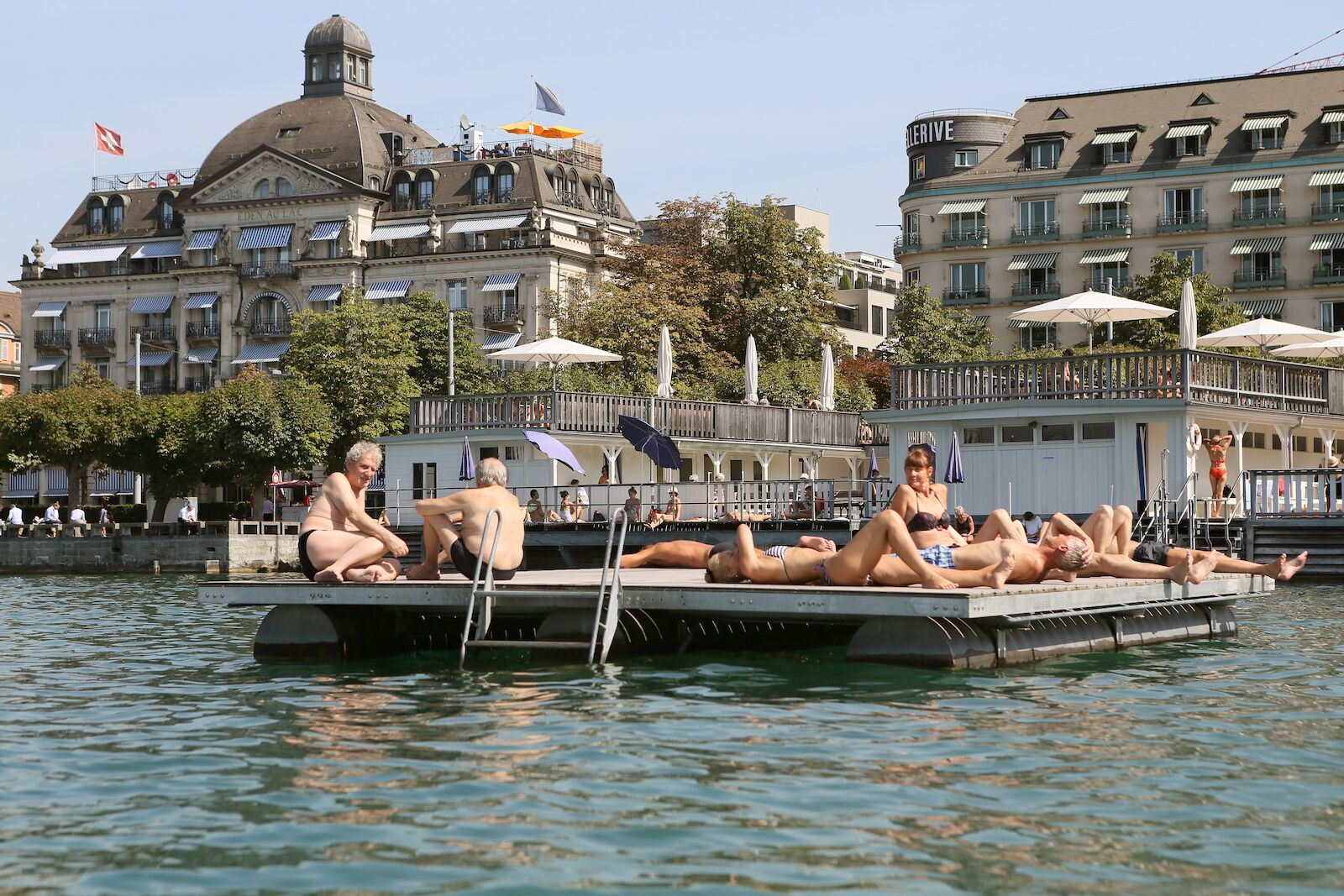
The Frauenbadi Stadtshausquai is a historical landmark and a cultural icon. Located near the city’s haute couture boutiques, it serves as a women-only sanctuary during the day, maintaining a long-standing reputation as a safe haven for Zurich’s queer and lesbian community. By night, it rebrands as the Barfussbar (Barefoot Bar), opening its doors to all. Visitors are required to remove their shoes, reinforcing the venue’s relaxed, intimate atmosphere.
3. Seebad Utoquai, Zurich
Constructed in 1890, this whitewashed wooden structure is a masterclass in period design. While it originally featured gender-segregated swimming, it now offers a harmonious mix of private sun decks and common areas. It remains one of the longest-running badis in the city, providing a sophisticated lakeside experience just steps from the Opera House.
4. Seebad Enge, Zurich
Enge represents the pinnacle of modern amenity-packed facilities. It offers everything from professional swim coaching and stand-up paddleboarding (SUP) classes to wellness services like yoga and massage. As a multifunctional space, its transition from a daytime wellness hub to a nighttime concert venue makes it a favorite for those seeking an all-day experience.
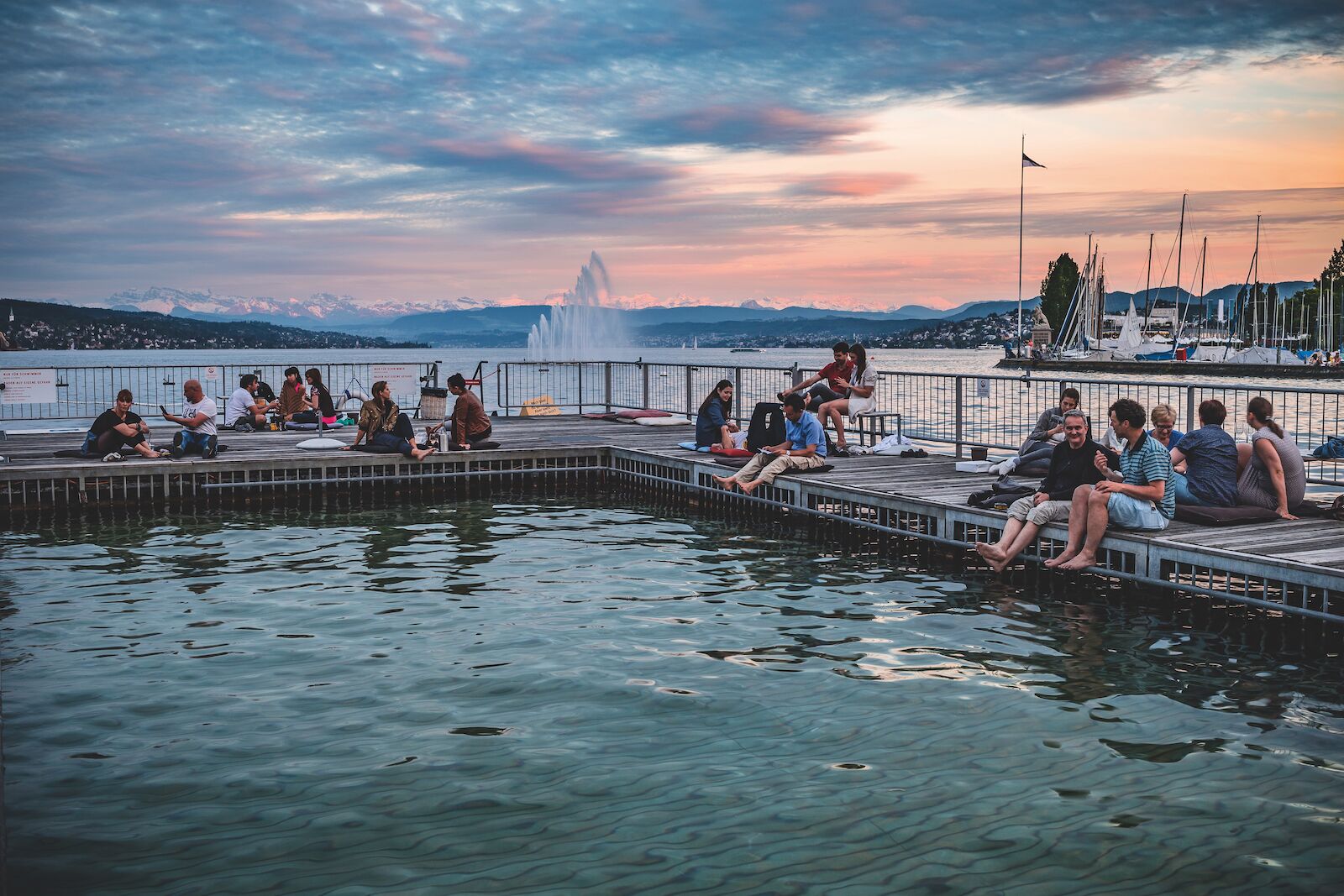
5. Strandbad Tiefenbrunnen, Zurich
Situated at the edge of the scenic Chinagarten park, Tiefenbrunnen is a family-oriented paradise. Its circular lakewater pool, spiraling water slides, and expansive barbecue areas cater to the diverse needs of families. Notably, it also features gender-separated nudist sun decks, reflecting the European comfort with body positivity. It is also the primary gathering point for Zurich’s gay community.
6. Werdinsel, Zurich
The Werdinsel is an island oasis on the Limmat River. It features a 200-meter swimming track and extensive parkland. It is a microcosm of Swiss social norms: permissive, yet strictly regulated. While the island hosts nudist and gay-friendly zones, the local police ensure that the environment remains peaceful and family-appropriate, preventing it from becoming a site of illicit activity.
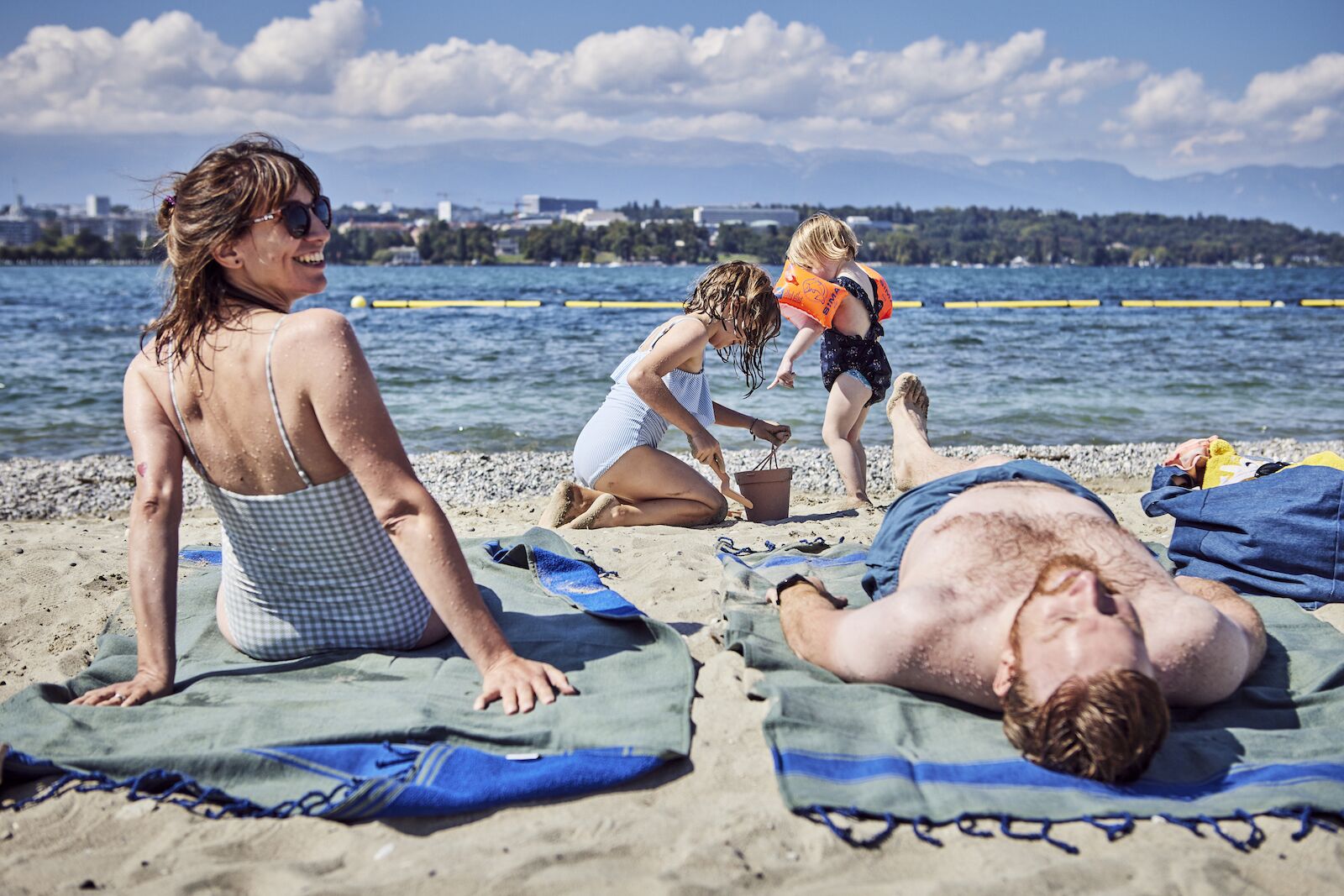
7. Eaux-Vives Beach, Geneva
Representing the Francophone side of the country, this quarter-mile-long sandy beach offers a view of the famous Geneva Water Fountain. Its proximity to the United Nations and the World Health Organization provides a surreal backdrop for swimmers. The "Baby Plage" ensures that families with young children have a safe, dedicated zone to enjoy the water.
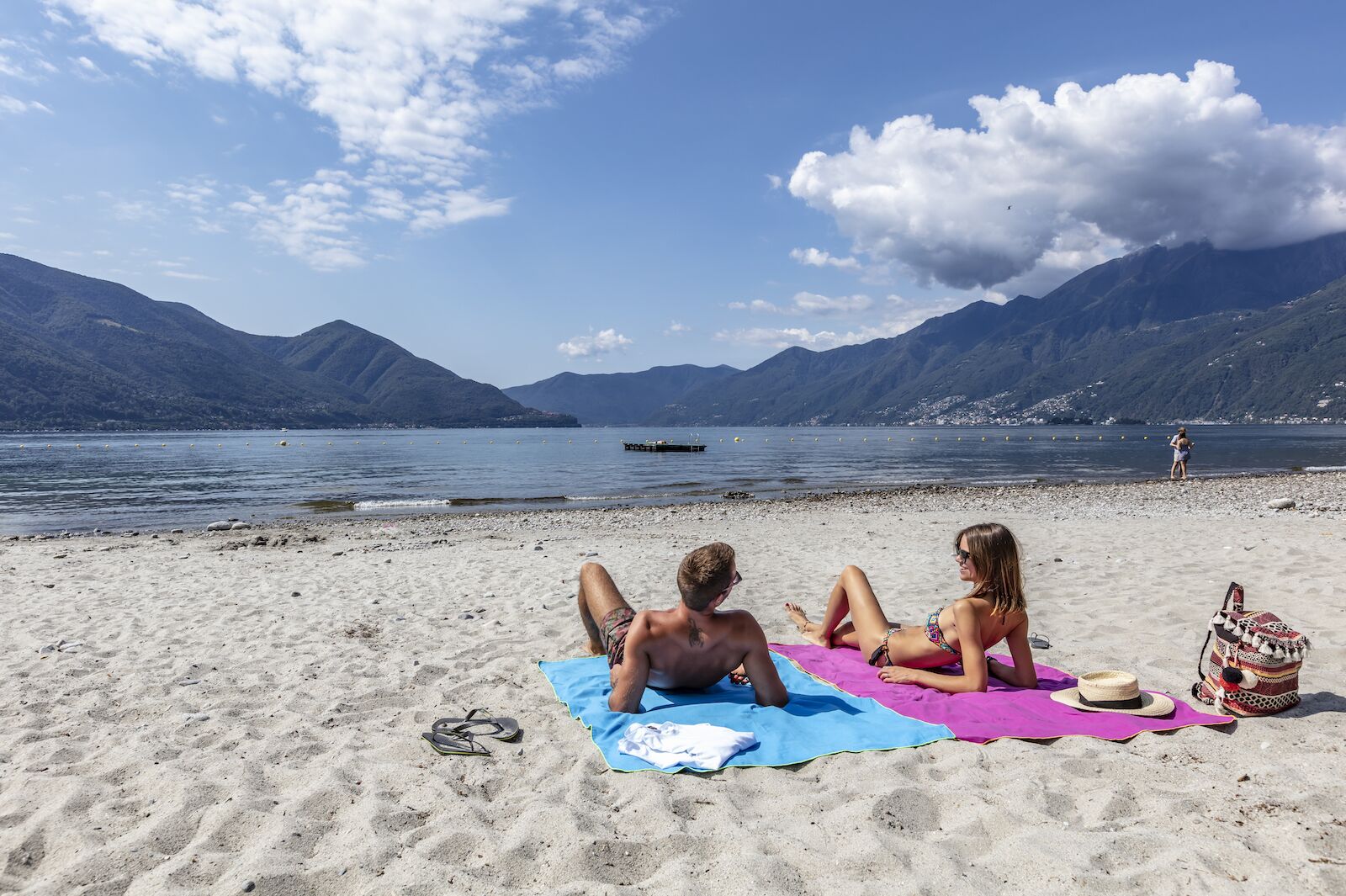
8. Lido di Ascona, Ticino
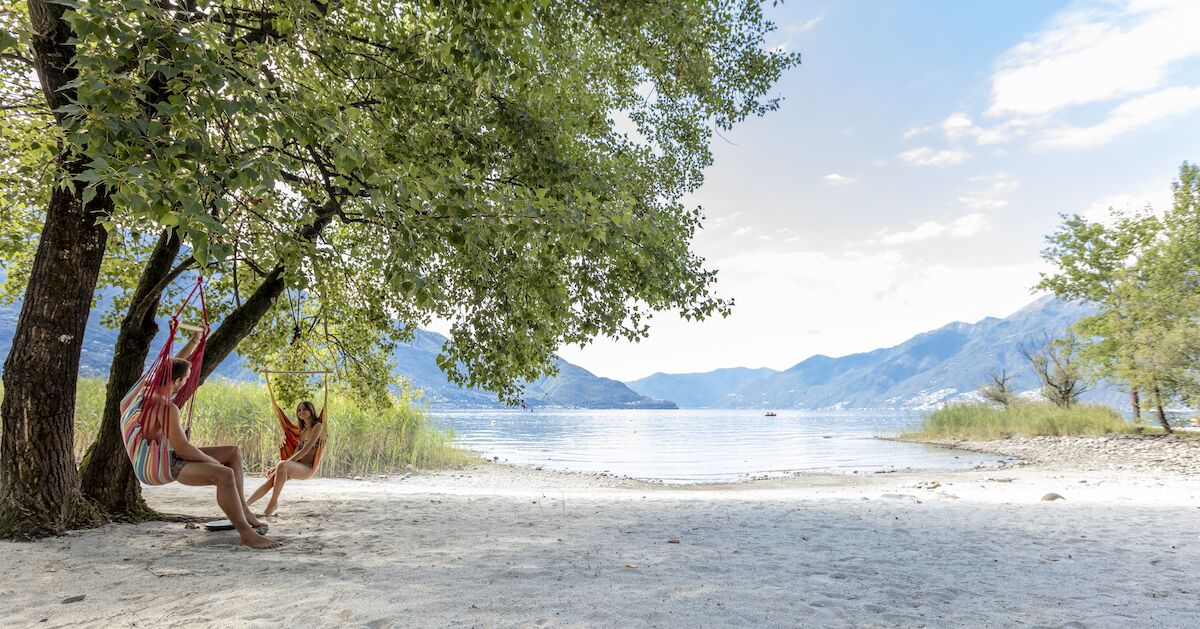
Nestled in the Italian-speaking province of Ticino on the shores of Lago Maggiore, this beach challenges the notion that one needs an ocean to have a "seaside" vacation. Spanning over a third of a mile, it features sand, palm-like landscaping, and mountain vistas. With its pizzerias and windsurfing schools, it provides a Mediterranean escape without leaving the Swiss border.
9. Lucerne Lido & Biel Lido
These two locations round out the Swiss experience. Lucerne offers spectacular mountain plunges and diving platforms, while Biel provides a full-on water park experience with slides and picnic infrastructure, highlighting the versatility of Swiss lakeside developments.
Official Responses and Management
The Swiss government and local municipalities treat badis as essential public infrastructure. According to the Zurich Department of Parks and Green Spaces, these facilities are subject to strict water quality monitoring. The "Limmat Swim," for example, requires intensive coordination between city planners, environmental agencies, and water safety teams to ensure the current is managed safely for the thousands of participants.
The management of these spaces is characterized by a "community-first" approach. By charging entry fees, the city ensures that the facilities remain clean, safe, and staffed with certified lifeguards. Furthermore, the nocturnal shift of these locations is managed through strict noise ordinances and security protocols, ensuring that the residential neighborhoods surrounding these badis remain undisturbed.
Implications: The Badi as a Social Equalizer
The implications of the badi culture are profound for Swiss society. In a country often perceived as reserved or private, the badi acts as a crucial social equalizer. Regardless of income or professional status, everyone meets at the lake.
For the international traveler, the badi provides an authentic window into Swiss life that a hotel pool or a private beach simply cannot replicate. It demonstrates a culture that values public space, environmental stewardship, and the integration of nature into the urban environment. As global cities struggle with the privatization of public waterfronts, Switzerland stands as a model of how a community can collectively claim, curate, and enjoy its natural resources.
Whether you are looking to drift down the Limmat in the heart of Zurich’s financial district, or lounge under the palms of Ticino, the Swiss badi remains an unmatched European summer experience. It is a testament to the idea that the best luxury is not found in exclusivity, but in the shared, simple pleasure of a cold lake on a hot day.