
























































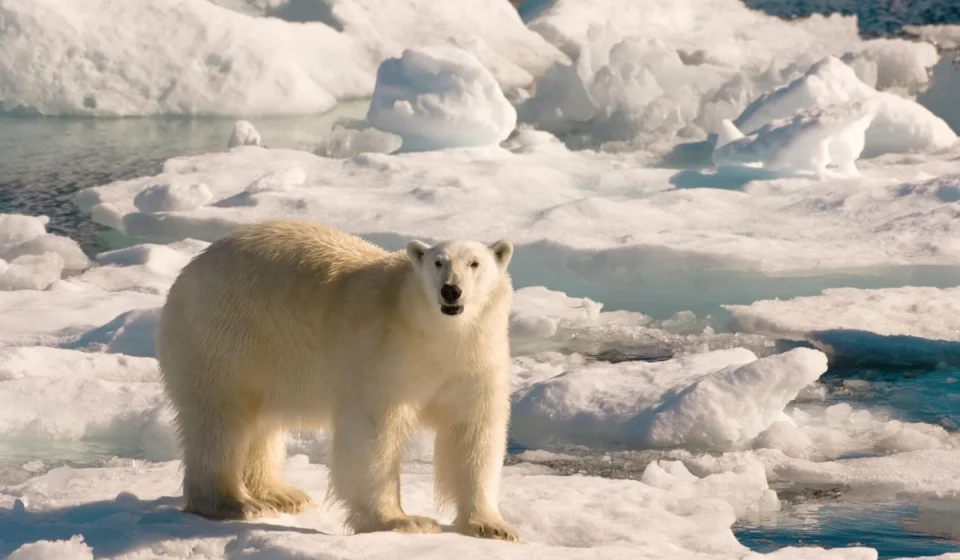

The polar bear (Ursus maritimus) stands as the undisputed icon of the Arctic, a creature of immense power and profound vulnerability. As climate change reshapes the cryosphere, interest in witnessing these apex predators in their natural habitat has surged. However, modern travel demands a paradigm shift: the era of "tourist consumption" is being replaced by a model of conservation, cultural exchange, and extreme caution.
This guide explores the world’s premier destinations for observing polar bears, emphasizing that these encounters are a privilege, not a guarantee, and must always prioritize the well-being of the bears over the desires of the observer.
1. Churchill, Manitoba: The Global Epicenter
Churchill is synonymous with polar bears. Often dubbed the "Polar Bear Capital of the World," this small Hudson Bay town provides the most accessible, high-density bear-viewing experience on the planet.
The Mechanics of the Migration
The phenomenon here is driven by biology and sea ice. During the autumn months—specifically from October through mid-November—roughly 900 to 1,000 polar bears congregate along the coastline. These bears are waiting for the Hudson Bay to freeze, allowing them to venture back onto the sea ice to hunt ringed seals.
The Industry Standard
The logistics of Churchill have been refined over decades. Outfitters like Churchill Wild have moved beyond simple sightseeing, offering high-end, photography-focused safaris and "Tundra Buggy" excursions. These platforms allow travelers to move through the landscape without encroaching on the bears’ flight zones. The focus here is on sustainability; by providing high-value, low-impact tourism, the industry creates a financial incentive for the local community to prioritize the protection of the bear population over industrial expansion.
2. Svalbard, Norway: The High Arctic Expedition
Svalbard, an archipelago located halfway between mainland Norway and the North Pole, offers a drastically different experience than the coastal shores of Manitoba.
Geography and Strategy
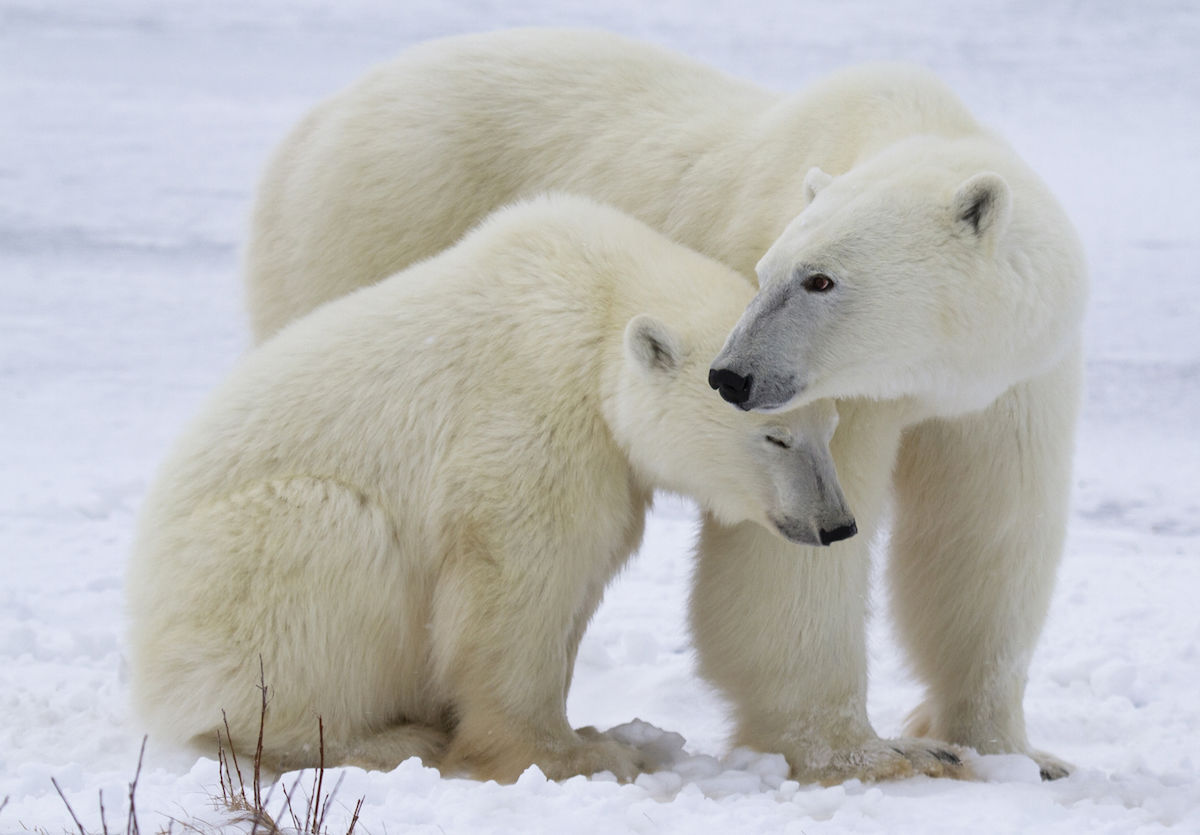
At this extreme latitude, land-based spotting is largely impractical. Instead, the gold standard here is ship-based expedition cruising. Witnessing a polar bear from a vessel allows for a buffer zone that protects the animal from human stress, a critical factor given the sensitivity of Arctic wildlife to noise and movement.
Regulation and Ethics
The Norwegian government maintains some of the world’s strictest wildlife interaction laws. Basecamp Explorer, which operates remote outposts like Isfjord Radio, works in conjunction with researchers and nonprofits like Polar Bears International to ensure that tourism contributes to data collection. It is crucial for travelers to note that any foray outside the safety of Longyearbyen requires professional, armed guides. Regulations have tightened recently, limiting how close vessels can approach bears, ensuring that the "encounter" remains on the bear’s terms.
3. Utqiaġvik, Alaska: The Frontier Experience
In the United States, the narrative of polar bear tourism is one of transition and cultural preservation.
A Shift in Access
Following the suspension of boat-based tours in Kaktovik—formerly the epicenter of Alaskan bear tourism—the focus has shifted to the northernmost town in the U.S.: Utqiaġvik (formerly Barrow). Unlike the highly commercialized tours of Canada, Utqiaġvik offers a raw, unfiltered encounter.
Cultural Integration
Tourism in Utqiaġvik is inseparable from Iñupiat culture. Visitors who travel here are not merely checking a box on a bucket list; they are entering a landscape where the Iñupiat people have lived for millennia. Travelers should engage with the Iñupiat Heritage Center to understand the historical relationship between humans and bears. Because there are no formal "polar bear tour" packages, success requires flexibility. Flight schedules to the North Slope are notoriously erratic; visitors must treat a sighting as a profound, lucky bonus rather than an expected product.
4. Torngat Mountains, Labrador: A Wilderness Reborn
The Torngat Mountains represent the pinnacle of "adventure tourism" combined with conservation. This is one of the few places where polar bears and black bears coexist, a rarity in the modern world.
The Inuit Partnership
Operated in partnership with the Nunatsiavut Government, the Torngat Mountains Base Camp is more than a lodge; it is a research station. Since 2026, the logistics have been managed by Arctic Kingdom, under a mandate that centers on Indigenous leadership.
Safety and Wisdom
Every excursion into the fjords is accompanied by an armed Inuit polar bear guard. This is not merely a safety precaution; it is an educational experience. Guests learn to read the landscape through the eyes of people who have navigated it for over 5,000 years. The absence of roads and the presence of an electric perimeter at the base camp underscore the reality of the Arctic: humans are guests in a land that is, and will always be, wild.
5. Greenland: The Remote Frontier
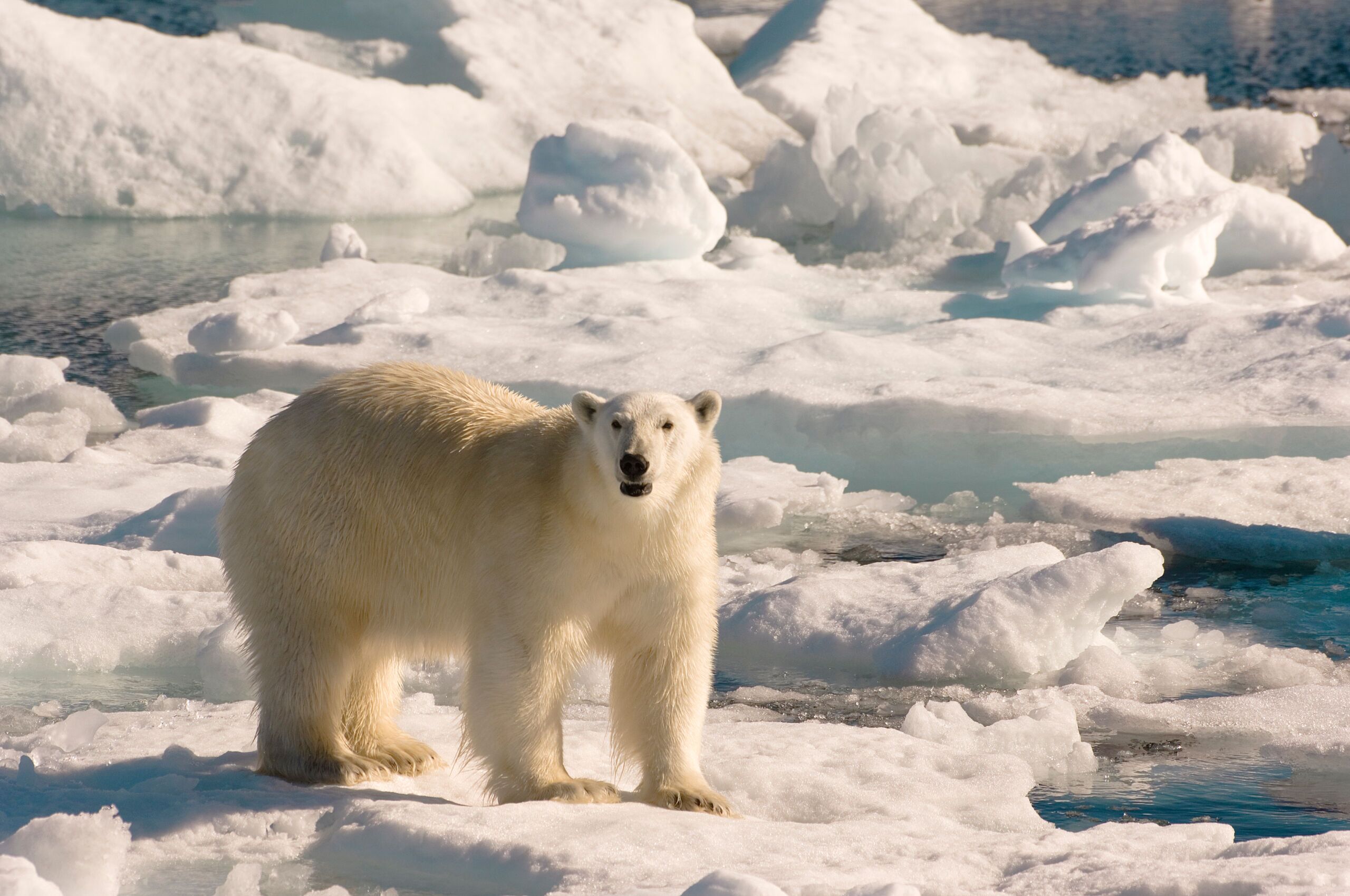
For those choosing between Iceland and Greenland, the distinction is clear: if polar bears are the objective, Iceland is not the destination. Greenland, however, offers the chance for true, deep-Arctic immersion.
The Reality of the North
Greenlandic bears are notoriously elusive, as they spend the vast majority of their lives on the sea ice. A trip here is a significant financial and physical investment. Outfitters like Aurora Expeditions focus on the total ecosystem—glaciers, icebergs, and marine life—with the polar bear as a potential, yet never guaranteed, highlight. This approach is the most ethical: it creates a travel experience that is satisfying even if the bears remain hidden.
6. Nunavut: The Migration Corridor
"Polar Bear Alley," along the west coast of the Hudson Bay in Nunavut, remains one of the most critical habitats in the Canadian Arctic.
Diverse Modes of Travel
- Arviat Fly-ins: Guided by Inuit, these trips offer the rare chance to track bears on foot from a safe, respectful distance.
- Floe-Edge Expeditions: In the spring, Baffin Island becomes a theater of life as mothers and cubs navigate the edge of the ice.
- Somerset Island: Arctic Watch Wilderness Lodge provides a unique, family-run perspective, allowing guests to observe the intersection of beluga migration and the wandering movements of polar bears.
Implications of Modern Polar Tourism
Chronology of Conservation
The evolution of Arctic travel has followed a clear trajectory:
- Exploitation (Pre-1990s): Minimal regulation; high stress on animals.
- Commercialization (1990s–2010s): Rise of "Tundra Buggy" and large-scale tourism.
- Ethical Integration (2020–Present): Shift toward Indigenous partnership, climate awareness, and strict behavioral distance regulations.
Supporting Data and Environmental Impact
Climate change remains the existential threat to Ursus maritimus. The reduction of summer sea ice forces bears to spend more time on land, where they burn precious energy reserves. Consequently, the tourism industry has had to pivot. Organizations like Polar Bears International emphasize that tourism must serve as an educational catalyst. If a traveler leaves the Arctic with a deeper understanding of the carbon footprint of their flight and the fragility of the sea ice, the net benefit to the species may outweigh the minor disturbance of the encounter.
Official Responses and Future Outlook
Wildlife management agencies across Canada, Norway, and the U.S. have indicated that future permits for bear viewing will be contingent on two factors:
- Economic Benefit to Indigenous Communities: Ensuring that local peoples retain control and profit from the land.
- Scientific Contribution: Requirements for tour operators to report sightings, behavior, and environmental conditions to climate research bodies.
Conclusion
Seeing a polar bear in the wild is a life-altering experience. However, the modern traveler must approach the Arctic with humility. Whether you are in the Torngat Mountains or the floe edges of Nunavut, the goal should be to minimize your footprint. Choose operators that are transparent about their ethics, prioritize local Indigenous knowledge, and, above all, respect the bear’s need for space. In the Arctic, the best encounter is one where the animal never even realizes you were there.