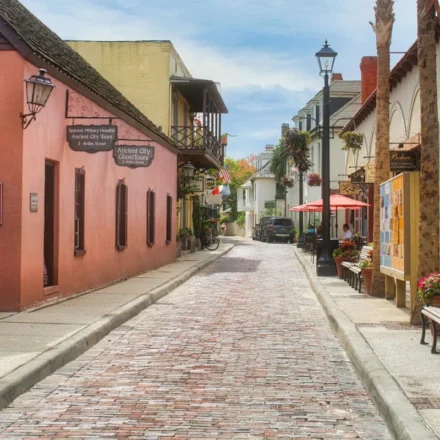





















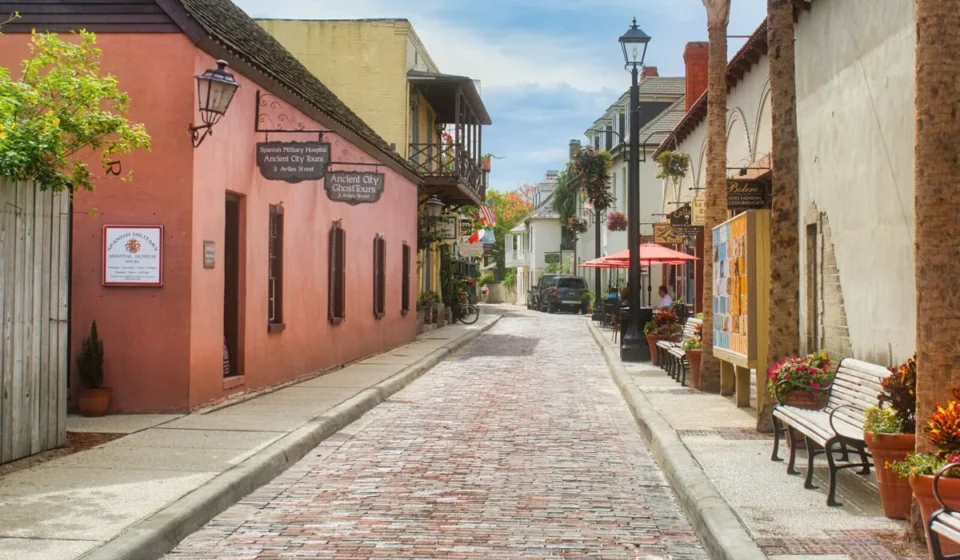

St. Augustine is a city defined by its layers. Beneath the coquina-stone façades of the 18th century and the Spanish colonial grid lies a vibrant, pulsating modern heart that beats in time with a sophisticated live-music scene. While travelers often descend upon the nation’s oldest city to inspect the ramparts of the Castillo de San Marcos or hunt for the Fountain of Youth, a growing contingent of visitors is discovering that the city’s most compelling history is currently being written on its stages.
From the grassroots, free-roaming energy of the Sing Out Loud festival to the world-class acoustics of the St. Augustine Amphitheatre, this coastal enclave has evolved into a premier destination for those who want their vacations served with a side of high-fidelity sound.
Main Facts: The Intersection of Heritage and Harmony
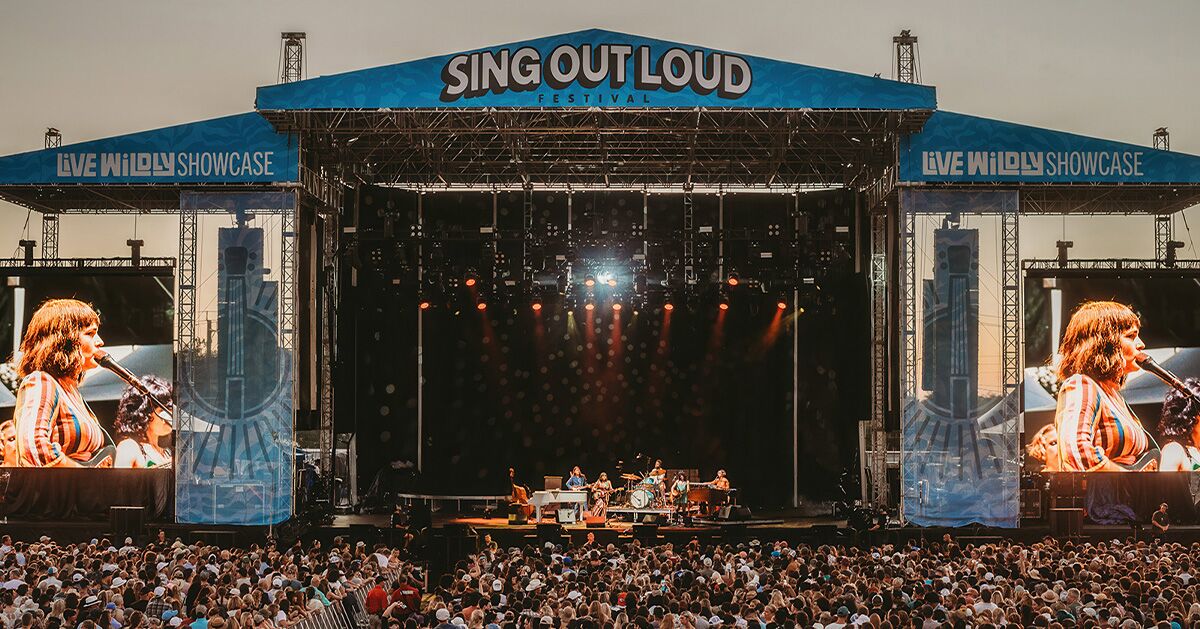
The St. Augustine music scene is anchored by a unique duality: the preservation of its 1565 roots and a forward-thinking investment in cultural infrastructure. The Sing Out Loud festival serves as the city’s primary showcase for this synergy. Unlike traditional centralized festivals, Sing Out Loud functions as a city-wide activation, turning bars, breweries, and public parks into interconnected venues.
Key data points highlight the scale of this cultural shift:
- The Festival Model: The festival utilizes a decentralized approach, encouraging visitors to traverse the city on foot, thereby supporting local businesses ranging from independent breweries like Hornski’s to historic wine bars like Bin 39.
- Venue Investment: The recent $12.9 million renovation of the Ponte Vedra Concert Hall represents a significant capital commitment to public cultural spaces, expanding the venue’s footprint to 25,500 square feet and upgrading its technical capabilities to attract global touring acts.
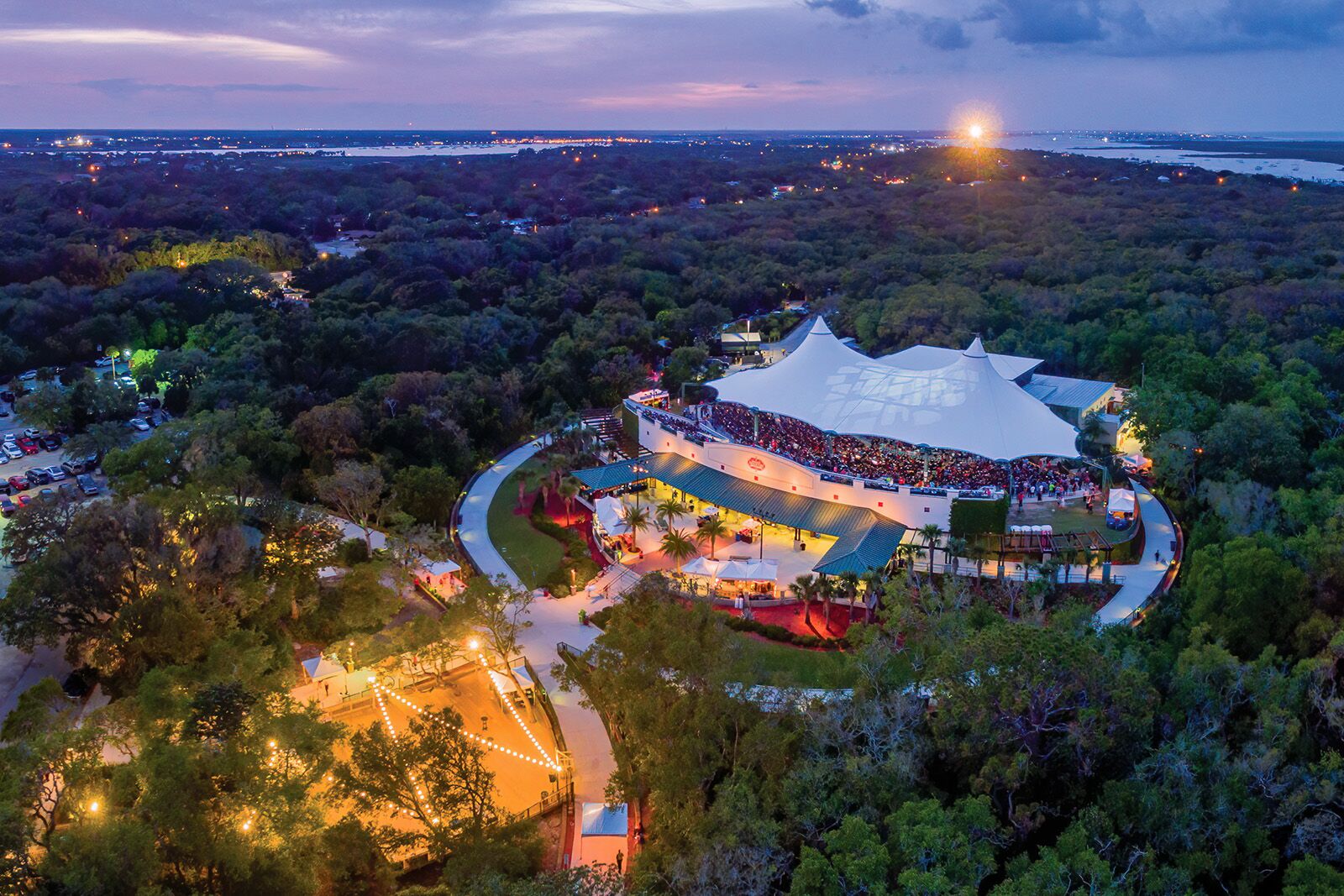
- The "Amp" Legacy: The St. Augustine Amphitheatre (The Amp) maintains a rare status in the touring industry, blending the aesthetic of a massive, star-studded arena with the intimate, natural setting of Anastasia State Park.
A Chronology of a Musical Weekend
My journey into the city’s soundscape began on a Saturday night at Hornski’s Brewing Company. The venue, with its garage-door openings and raw, industrial-adjacent aesthetic, served as the perfect introduction to the festival’s "come-as-you-are" ethos. Watching the band Chemtrails perform before an eclectic crowd, it became clear that the festival is designed to break down the barrier between tourist and local.
By 8:00 PM, the focus shifted to Sarbez!, a venue that encapsulates the multi-generational appeal of St. Augustine. Early in the evening, the space was dominated by families enjoying grilled cheese and arcade classics, a testament to the city’s inclusive daytime atmosphere. As the clock struck eight, the venue transitioned into an adult-oriented space, setting the stage for a high-energy performance by Ghost Tropic.

The late-night atmosphere at the AC Hotel St. Augustine Downtown offered a reflective contrast. In the quiet hours, the city’s reputation for the supernatural—fueled by local ghost tours and the eerie atmosphere of the historic district—felt palpable. The creaking of the old architecture and the ghostly glow of the television created a moment of stillness before the Sunday rush.
Sunday was defined by a shift from rigid scheduling to "following the sound." This organic exploration led to Bin 39 at the St. George Inn, where the acoustic melodies of Banjo Brown drifted over the coquina pillars of the Old City Gates. This led to a culinary detour at Casa Maya on Hypolita Street—a reminder that in St. Augustine, the sensory experience is a holistic one: food, music, and architecture are inextricably linked.
The afternoon concluded at the Colonial Oak Music Park, an outdoor venue that feels as though it were carved out of an ancient forest. Beneath the shade of a 300-year-old oak tree, the atmosphere was distinctly "Oktoberfest-adjacent," with an older, more buttoned-up crowd appreciating the acoustic rock of Sparks in the Garden.
Supporting Data: Infrastructure and Evolution
The sustainability of St. Augustine’s music culture is not accidental. According to Ryan Hall, Chief Marketing and Communications Officer for the St. Augustine Amphitheatre and Ponte Vedra Concert Hall, the region’s success relies on balancing the "intimacy of the room" with the "scale of the production."
The recent overhaul of the Ponte Vedra Concert Hall is a case study in demand-driven development. The 14-month project was largely inspired by fan feedback requesting a balcony, a feature that now allows for a flexible configuration of 615 seated spots or 1,100 standing-room spaces. This versatility allows the venue to host everything from folk singer-songwriters to high-decibel indie acts without losing the "close-up" feel that musicians crave.
Furthermore, the data regarding the St. Augustine Amphitheatre shows that it consistently punches above its weight class. Despite its location within the serene boundaries of a state park, it hosts a caliber of talent typically reserved for metropolitan arenas—from legends like Bob Dylan and Stevie Nicks to modern comedy giants.
Official Perspectives: The Vision for the Future
Industry leaders emphasize that the goal is to maintain the city’s charm while professionalizing the concert-going experience. "The intimacy is what keeps the artists coming back," says Hall. By preserving the historic "time capsule" feel of backstage areas—complete with 1950s-era aesthetics—while upgrading the L-Acoustics sound systems and lighting, the city is positioning itself as a destination that respects the artist’s comfort as much as the audience’s experience.
There is also a conscious effort to ensure that the music scene honors the history of the land. The Fort Mose Jazz & Blues Series is a prime example, linking the contemporary jazz scene to the legacy of Fort Mose—the first legally sanctioned free Black community in the United States. This connection elevates the concert experience from mere entertainment to a deeper engagement with American history.
Implications: The City as a Living Museum
The implications for travelers are clear: St. Augustine is no longer a destination for a quick, three-hour historic walk. To truly experience the city, one must engage with its temporal layers.
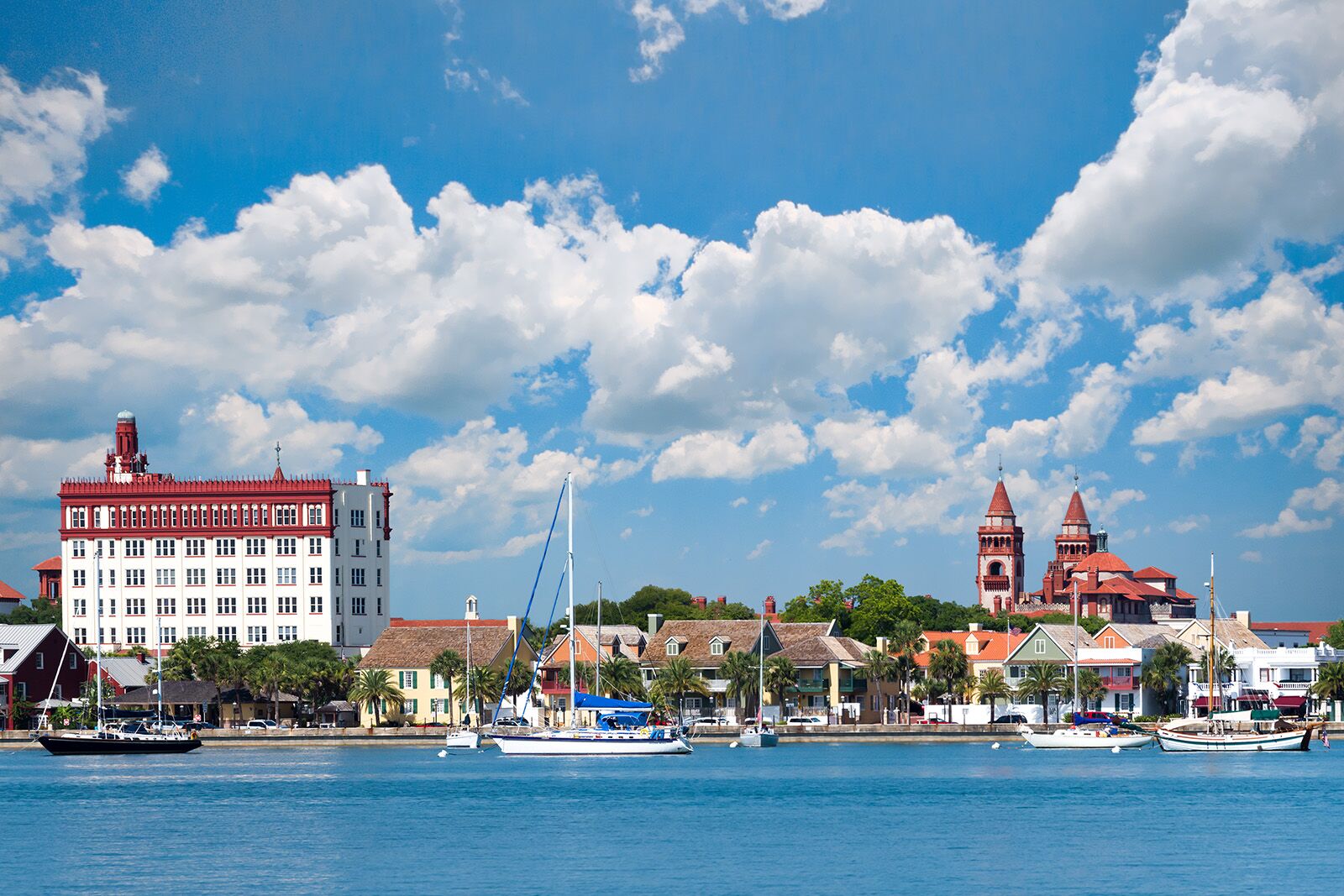
- The Pedestrian Advantage: The historic district is optimized for walking. By skipping the trolley and moving on foot, visitors can experience the shift in architecture from the Moorish Revival of the Castle Warden (Ripley’s Believe It or Not!) to the Mediterranean grandeur of the Florida School for the Deaf and the Blind.
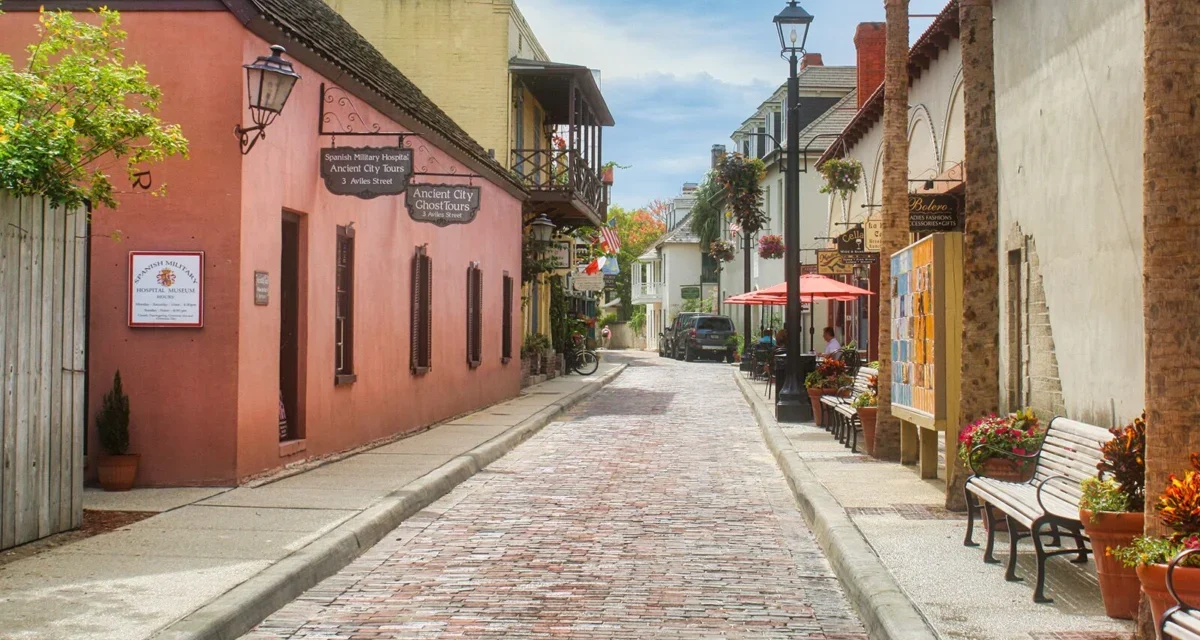
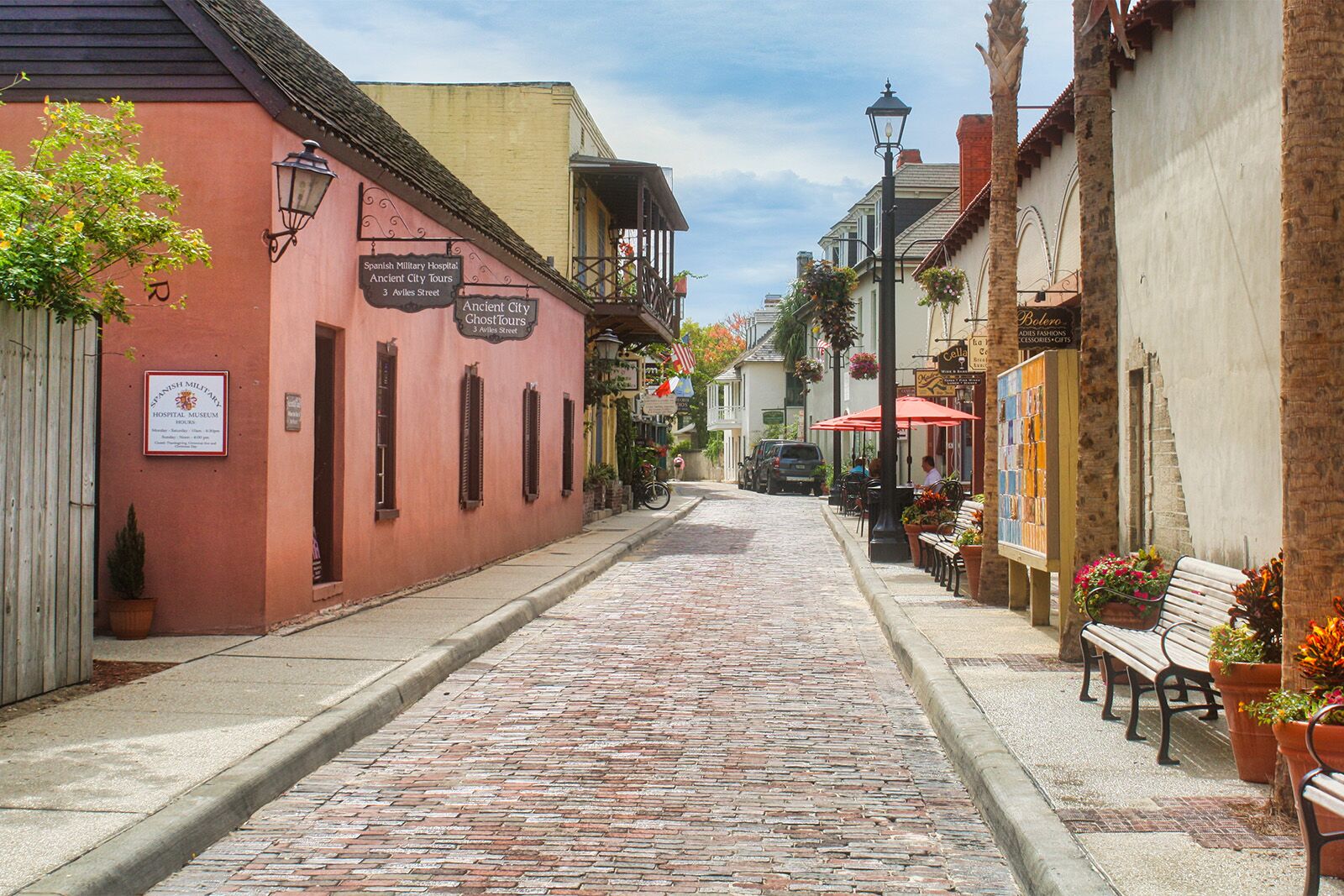
- The Art of Drifting: The Aviles Street arts district offers a more curated, gallery-focused experience, while the Crisp-Ellert Art Museum provides a intellectual anchor for contemporary art.
- Seasonal Strategy: Planning is essential. While Sing Out Loud takes center stage in September, the calendar is increasingly robust, with major acts and festivals occurring throughout the year.
As the city continues to grow, it faces the challenge of preserving the indigenous history of the Timucua people and the complex legacy of its colonial past alongside its modern identity. The beauty of St. Augustine, however, is that these stories are not buried—they are present in the very streets where the music now plays.
Whether you are seeking the high-octane energy of a festival stage or the quiet, resonant history of a 16th-century courtyard, St. Augustine offers a rare, harmonious balance. It is a city that remembers its past, but is undeniably, loudly, and vibrantly living in the present.