























































The Minnesota education landscape is undergoing a profound and harrowing transformation. Across the state, classrooms that once bustled with the predictable rhythms of daily learning now sit half-empty, while students who do attend often do so under the suffocating weight of anxiety. At the center of this upheaval is "Operation Metro Surge," a federal immigration enforcement initiative that has triggered a cascade of fear, absenteeism, and logistical chaos within Minnesota’s public and charter school systems.
During a recent, emotionally charged legislative hearing held by the Senate Education Finance Committee, educators, superintendents, and advocates painted a stark picture of a generation of children experiencing a form of trauma rarely seen in the American classroom. From elementary students watching their parents from windows to high schoolers detained while waiting for their buses, the ripple effects of the operation have forced a fundamental shift in how the state’s schools function.
The Human Toll: A Chronology of Fear
The testimonies presented to the committee revealed a pattern of disruption that has escalated over the past several months. The fear is not merely abstract; it is tethered to specific, traumatic events that have left students and staff reeling.
In recent weeks, the atmosphere in schools—particularly those with significant immigrant populations—has turned desperate. Teachers report instances of middle school students returning to empty homes, their parents having been apprehended by federal officials while they were in class. In other cases, students have been detained at bus stops or witnessed federal agents conducting surveillance near school grounds.
One of the most harrowing accounts came from Fridley Public Schools. Superintendent Brenda Lewis testified that federal agents, appearing to be representatives of the media, followed a school board member as she transported her toddler to daycare. On another occasion, Lewis reported that six immigration enforcement vehicles circled a roundabout directly in front of Hayes Elementary, effectively creating a blockade that prevented children from safely entering their school.
"I wish that I could tell you that this is an exaggerated situation," Lewis told lawmakers, her voice underscoring the severity of the claim.
At the Twin Cities Academy, the situation has become so dire that school staff have begun conducting home visits to assist parents with "Delegation of Parental Authority" paperwork—legal documents designed to ensure a child’s safety should a parent be detained. Executive Director Betsy Lueth noted that parents often only open their doors to staff they recognize. Once inside, these parents frequently break down in tears, terrified by the prospect of being separated from their children, regardless of their legal status or refugee standing.
Supporting Data: The Erosion of Enrollment and Attendance
While comprehensive, statewide data remains elusive, the anecdotal evidence provided by school districts paints a picture of a system in rapid decline. The impact on attendance is not merely a statistical dip; it is a symptom of a community paralyzed by the threat of detention.
- St. Paul Public Schools: At the height of the operation, nearly 7,000 students were absent from classrooms, a staggering figure that highlights the reach of the fear.
- Willmar Public Schools: Following the detention of a student—a legal resident—the district saw a massive spike in absenteeism. In a district of roughly 4,000, 936 students were absent on an average daily basis in the week that followed.
- Partnership Academy: Serving a primarily Latino student body in Richfield, the school hit an all-time low attendance rate of 39% following the death of Renee Good. Staff reported that students were watching live video feeds on Zoom as ICE agents arrived at the homes of their classmates and teachers.
- Columbia Heights: The district has reported an enrollment drop of 130 students compared to the previous year, a decline attributed directly to the immigration surge. This reduction translates to a loss of approximately $2 million in state funding, further straining the district’s ability to support the remaining student body.
- Fridley Public Schools: Over 400 of the district’s 2,700 students have opted for online learning, a trend mirrored in Columbia Heights, where 800 of 3,400 students have made the transition to virtual classrooms.
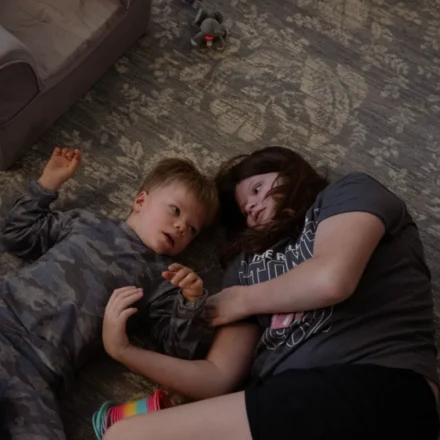
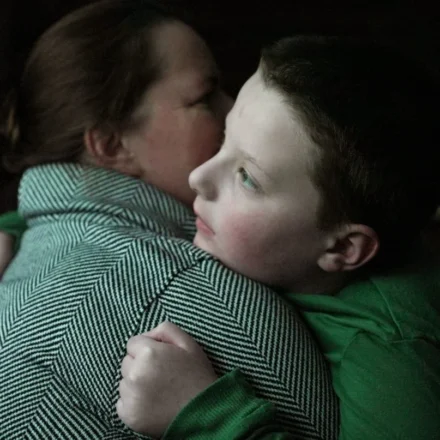
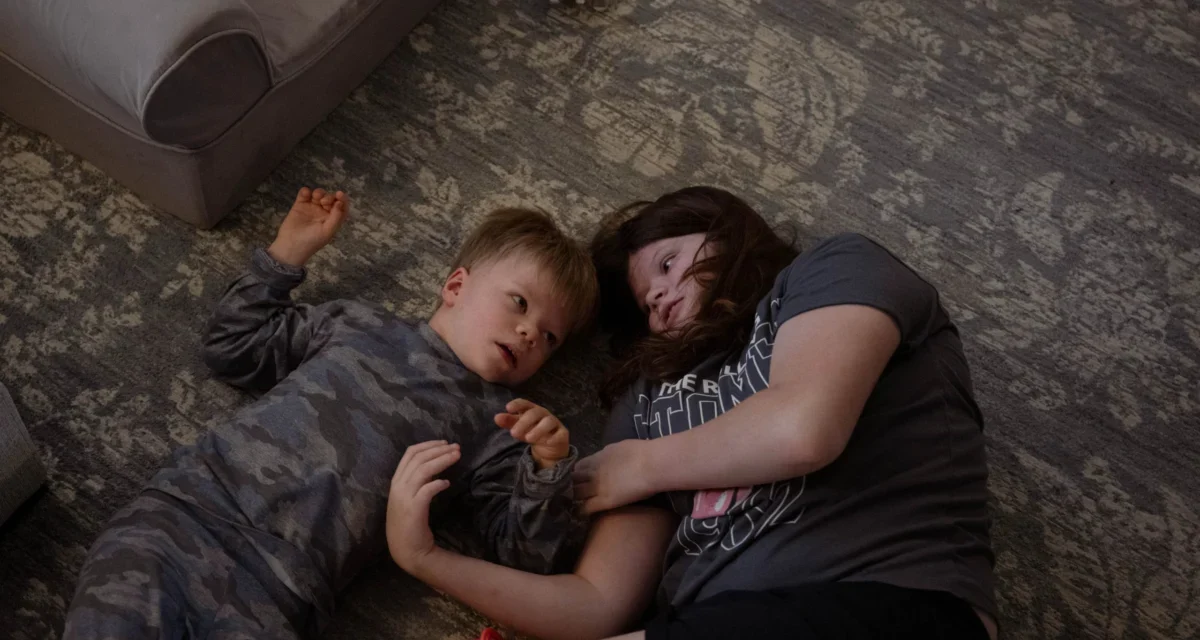
For families like those in south Minneapolis, who have not left their homes in eight weeks, the "classroom" is now a darkened room with closed curtains, where children whisper during online lessons for fear of attracting attention.
Official Responses and the Political Divide
The legislative hearing, the first in a series regarding the impact of the federal operation, highlighted a deep and perhaps widening chasm in Minnesota politics. While DFL lawmakers have proposed bills aimed at curbing the presence of federal agents near sensitive locations like schools and daycare centers, these proposals face significant hurdles.
The DFL Perspective
Sen. Clare Oumou Verbeten (DFL-St. Paul) characterized the treatment of Minnesota’s youngest residents as "cruel." During the hearing, she urged her colleagues to confront the reality of the testimony provided. "I want to thank everyone for coming to testify today and sharing your stories and speaking the truth. And if that makes us uncomfortable, we need to sit with that. Period," she stated, adding that the political response thus far has been an attempt to "scapegoat immigrants and people of color."
The Republican Perspective
Republican committee members pushed back, arguing that the hearing failed to account for a broader spectrum of voices. Sen. Eric Lucero (R-Saint Michael) criticized the portrayal of federal agents as "invaders," maintaining that these officers risk their lives to uphold the rule of law. He argued that the committee ignored the perspectives of citizens who feel that their resources and opportunities are being diminished by illegal immigration.
Sen. Jason Rarick (R-Pine City), while acknowledging the pain expressed by witnesses, shifted the focus to the need for "civility." He criticized tactics such as the use of whistles to alert neighbors to the presence of federal agents, arguing that such actions only serve to increase tensions. "We have to lower the tensions on both sides if this is going to be solved," Rarick said.
Implications: The Long-Term Cost to Education
The implications of "Operation Metro Surge" extend far beyond the immediate trauma of detention. There is a looming concern regarding the long-term educational outcomes for a generation of students whose primary focus has shifted from academic growth to survival.
Superintendents are grappling with a paradox: their core mission is to provide a safe, consistent environment for learning, yet they find themselves operating in a climate where safety is the very thing being threatened. When students spend their days in fear, cognitive development suffers. When schools lose funding due to plummeting enrollment, the resources available to help traumatized children dwindle.
"We are watching a generation of St. Paul children, and children across this entire country, lose their childhoods to a fear that no child should know," noted Amy Hewett-Olatunde, an English as a second language teacher. Her sentiment was echoed by Sarah Lindsey, a parent and teacher who has been part of a grassroots network providing groceries, rent assistance, and transportation to ensure students can continue their education.
Conclusion: A State at a Crossroads
As the House Education Finance Committee prepares for further hearings, the tension in the state capitol reflects the tension in the streets. There is little evidence of bipartisan consensus, and the path forward remains clouded by competing visions of law, order, and human rights.
For the students, parents, and educators of Minnesota, the legislative debate is not merely a matter of policy; it is a matter of daily survival. As superintendents like Brenda Lewis noted, their role is not to dictate immigration policy, but to protect the right to learn. Whether the state legislature can bridge the divide to address these concerns remains to be seen, but for the children currently whispering in dark rooms, the clock is ticking. The question of whether Minnesota can reclaim its schools as sanctuaries for its youth remains the most urgent challenge facing the state this session.