
























































By [Your Name/Journalistic Staff]
The future of public education in Minneapolis hangs in a delicate balance. On Tuesday evening, Minneapolis Public Schools (MPS) Superintendent Lisa Sayles-Adams unveiled a trio of aggressive, high-stakes proposals designed to fundamentally reshape the district’s infrastructure. The plans, which include the potential closure of up to 16 schools, represent the most significant attempt yet to address the chronic fiscal and enrollment crises that have plagued the district for years.
However, as the dust settles following the presentation, the response from educators, families, and community members has been one of skepticism, frustration, and deep-seated anxiety. With a school board vote looming on November 10, the district finds itself at a crossroads: proceed with a controversial "transformation" plan that aims for long-term fiscal solvency, or pause to address the vocal demands of a community that feels increasingly alienated by its leadership.
The Core Proposal: Redrawing the Map
At the heart of the debate are three distinct scenarios for the future of the district’s K-12 pathways and attendance boundaries. If implemented, these changes would affect up to 14% of the district’s total enrollment. The stated goal is to consolidate resources to ensure that more than 70% of MPS students eventually attend schools that offer a full, consistent range of programming and staffing—a standard that is currently difficult to maintain across the district’s sprawling footprint.
The proposals are slated for implementation by the fall of 2027. While the district maintains that this is a necessary step to stop the bleeding of resources, critics argue that the sheer scale of the disruption—impacting 16 school buildings—could prove catastrophic for the very communities the district aims to serve.
A Chronology of a Slow-Motion Crisis
The current unrest did not emerge in a vacuum; it is the culmination of years of systemic decline and reactive policymaking.
- 2020: The district enacted the Comprehensive District Design (CDD) plan, a major restructuring effort intended to balance equity and resources. Instead, it triggered a significant exodus of students, fueling a trend that has since proven difficult to reverse.
- 2023: As budget deficits mounted and enrollment plummeted, the district formally began discussing a new round of "restructuring"—a euphemism that has become a flashpoint for parents and teachers.
- Fall 2025: The school board issued a formal resolution directing the superintendent to provide a comprehensive information packet on school closures and consolidations by April 2026.
- Summer 2026: Superintendent Sayles-Adams and her administrative team spent the summer drafting the three options presented to the public this week.
- September 2024: The formal presentation of these three plans occurred, triggering a wave of public dissent.
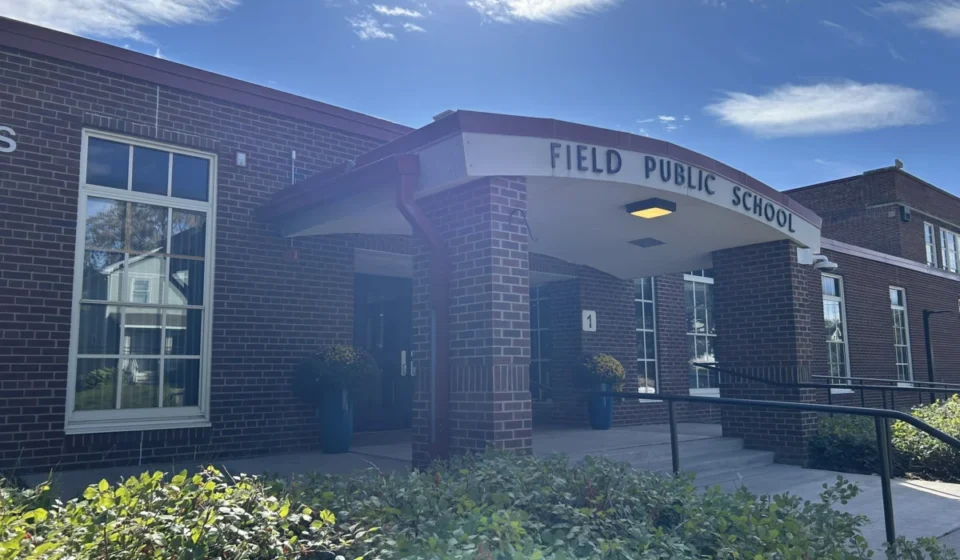
This trajectory suggests a district in a state of perpetual transition, leaving stakeholders in a cycle of constant uncertainty. For parents like Susan Dreiling, a mother of a fourth-grader at the threatened Field Elementary, the constant "restructuring" has eroded the stability required for a healthy learning environment.
The Data Driving the Divide
The mathematical argument for consolidation is stark. MPS currently serves roughly 30,000 students, yet its physical infrastructure is built to house 43,000. This 13,000-seat surplus creates an unsustainable overhead. According to data provided by the superintendent’s office, more than 50% of the district’s 56 schools are operating below the capacity threshold required to provide consistent academic programming and essential staffing.
Because school funding in Minnesota is primarily tethered to per-pupil enrollment, under-enrolled schools suffer from a "resource drain." They struggle to fund electives, specialized support services, and extracurricular activities that larger, more stable schools can easily provide. The district’s argument is simple: by shuttering under-enrolled buildings and consolidating students, they can create a more robust, well-resourced experience for the majority of the student body.
Yet, this data-driven approach faces a harsh reality: the "human" data. Historical trends, most notably following the 2020 CDD, show that when a neighborhood school closes, the district often fails to retain those students. Families frequently opt for private schools, charter schools, or relocation to suburban districts, further shrinking the MPS tax base and enrollment numbers.
Official Responses and Internal Dissent
The atmosphere at Tuesday’s board meeting was electric with tension. While the administration maintained that the plans are the only viable path to fiscal health, board members and union leaders offered sharp rebukes.
School board member Greta Callahan was notably candid, warning that the district’s assumptions about student retention are flawed. "History tells us otherwise," Callahan stated, pointing out that families whose neighborhood schools are closed do not simply transfer to the next closest MPS building; they often leave the system entirely.
The Minneapolis Federation of Teachers (MFT) has been equally uncompromising. Union leadership labeled the current timeline "unacceptable," demanding an immediate pause on any transformation efforts. MFT President Marsha Howard criticized the administration for failing to "read the room." Howard noted that the district is basing its decisions on outdated premises, ignoring the fact that many of the schools on the closure list—such as Kenny Elementary and Bethune Arts Elementary—are thriving, award-winning institutions with high community engagement and, in some cases, waiting lists.
"If you are operating under a premise that is outdated by the time you present it to the public," Howard said, "you are not listening to the families you serve."
The Human Implication: "Knowing Each Other by Name"
Beyond the spreadsheets and the $40 million budget deficit lies the heartbeat of the district: the school community. For many parents, the school is not just a building; it is a social network that provides security, safety, and community identity.
Susan Dreiling, who has become a voice for the parents of Field Elementary, emphasized the intangible value of a neighborhood school. She spoke of the daily rituals—the morning coffee chats at drop-off, the familiarity with the bus drivers, and the support networks built during periods of crisis like "Operation Metro Surge."
"It’s parents that know each other by name," Dreiling said. "It’s the little conversations. It’s beautiful to show my child and her peers what the power of a strong school is."
The threat of closure is not merely an administrative inconvenience; it is seen by many as the destruction of a social safety net. When a school closes, these micro-communities are shattered, often leading to a loss of trust in the district that takes years to rebuild.
Looking Ahead: The Road to November
As the district prepares for a series of community meetings between September 30 and October 9, the pressure on the school board is mounting. The administration faces a formidable challenge: how to reconcile the cold, hard numbers of a multi-million dollar budget deficit with the loud, passionate, and deeply personal pleas of the families who are the lifeblood of the district.
The lack of clarity regarding the actual financial savings of these closures remains a significant point of contention. The district has yet to provide an exact figure, noting that final outcomes depend on future budget cycles and the volatile nature of family enrollment decisions. Without a clear fiscal roadmap, critics argue, the district is asking the community to sacrifice their schools for an uncertain, potentially illusory, long-term gain.
For now, the schools remain open, but the sense of unease is palpable. The administration has positioned this as a "transformation," while the community perceives it as a retreat. Whether the school board chooses to push forward on November 10 or opts for a strategic pause will signal whether the district intends to lead through top-down mandates or through a genuine, collaborative partnership with the families of Minneapolis.
The question remains: can the district survive the cure, or will the "transformation" accelerate the very decline it is intended to prevent?