



















































From "Weeds" to Wonders: The Explosive Rise of Native Plant Gardening in America

Main Facts: A Record-Breaking Season for Biodiversity
In the heart of Chicago’s North Side, a quiet revolution is taking root. At the Kilbourn Park greenhouse, the air is thick with the scent of damp earth and the promise of spring. For Renee Costanzo, the Chicago Park District’s sole full-time employee at this historic facility, the months leading up to May are a marathon of "coddling and loving" thousands of seedlings. However, this year’s annual plant sale represented a seismic shift in public interest that caught even seasoned horticulturalists off guard.
Historically, the Kilbourn Park sale was a reliable source for backyard staples: beefsteak tomatoes, cucumbers, and the bright, fleeting colors of zinnias and marigolds. But in 2024, the narrative changed. While the sale typically attracts around 1,100 gardening enthusiasts, this year’s event saw a staggering 2,300 shoppers—more than double the usual attendance. The primary driver of this surge? A burgeoning demand for native plants.
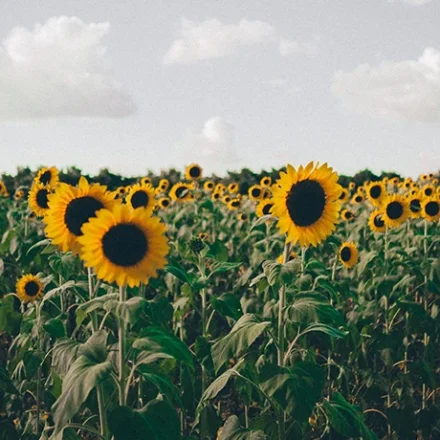
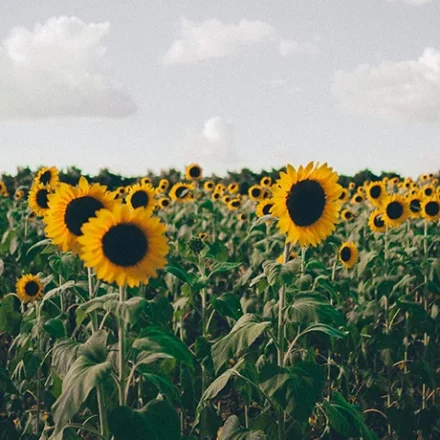
Native species, once dismissed by suburban landscapers as unsightly "weeds," now account for nearly 20 percent of the greenhouse’s inventory. These plants, which have evolved over millennia to thrive in the specific soil and climate conditions of the Great Lakes region, are flying off the shelves. The sale ultimately generated approximately $48,000, surpassing fundraising goals and signaling a permanent shift in the American gardening psyche: the transition from aesthetic-only landscapes to functional, ecological habitats.
Chronology: From Marginalized "Weeds" to Mainstream Staples
The journey of native plants from the fringes of botany to the center of the nursery industry has been decades in the making. To understand the current boom, one must look back to the early 1980s, an era dominated by the "industrial lawn" aesthetic—perfectly manicured, chemically dependent green carpets of non-native turfgrass.
Neil Diboll, president of the Wisconsin-based Prairie Nursery, has occupied a front-row seat for this evolution. When he began his career in 1982, the market for native seeds and plants was virtually non-existent. "I’ve watched this for 44 years, from almost zero to now," Diboll says. In those early days, his company’s annual gross was a modest $13,000. The concept of "prairie restoration" was viewed by many as a niche hobby for eccentric environmentalists.
Throughout the 1990s and early 2000s, the movement saw a "long, steady climb." Organizations like Wild Ones, which began as a small gardening club in Milwaukee nearly 50 years ago, worked tirelessly to educate the public on the hidden benefits of indigenous flora. They faced an uphill battle against municipal weed ordinances and a cultural preference for exotic ornamentals like Japanese Barberry or European Buckthorn.
The real acceleration, however, began roughly seven to ten years ago. As the effects of climate change became more tangible—manifesting as erratic weather patterns, extreme heat, and local flooding—the gardening public began seeking resilient alternatives. By the time Renee Costanzo began experimenting with 30 different native species for the Kilbourn Park sale five years ago, the "trickle" of interest had become a flood. Today, Diboll notes that his business has added "a few zeros" to its early revenue figures, shipping out half a million plants annually.
Supporting Data: The Economic and Ecological Engine
The numbers behind the native plant movement tell a story of exponential growth across the Midwest and the broader United States.
- Prairie Moon Nursery (Minnesota): This industry leader has reported a 350 percent increase in sales over the last seven years. Their order volume has tripled in the same period, driven by both individual homeowners and large-scale restoration projects.
- Wild Ones National Impact: This non-profit organization now boasts over 14,000 members nationwide. In a single year, the group’s 107 local chapters facilitated the sale of over 110,000 native plants, with an additional 40,000 plants distributed through community programs and giveaways.
- The Kilbourn Park Microcosm: The Chicago-based sale sold every available native plant, every bag of compost, and even surplus baked goods. The $48,000 raised is being funneled back into the community to fund a new outdoor learning center, the total cost of which is estimated at $50,000.
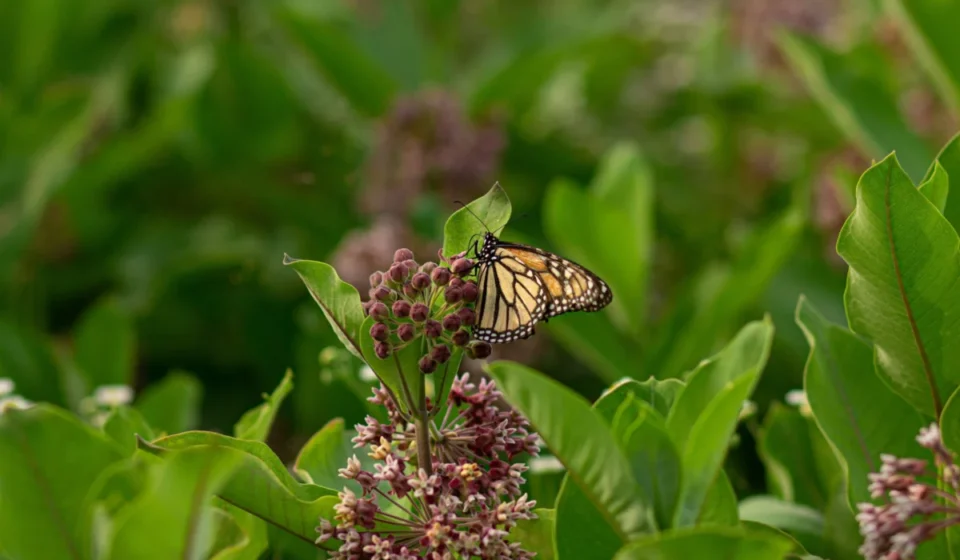
- The "Monarch" Effect: The demand is heavily influenced by the decline of specific "charismatic microfauna." Since Monarch butterfly caterpillars rely exclusively on native milkweed (Asclepias species) for food, the loss of these plants to urban sprawl and industrial agriculture has led to a documented crash in Monarch populations. This has sparked a massive retail demand for milkweed varieties like Butterfly Weed and Common Milkweed.
Official Responses: Why Experts are Pivoting to Natives
Government agencies and environmental non-profits are no longer just suggesting native plants; they are actively integrating them into infrastructure and public policy. The reasoning is multifaceted, spanning from biodiversity conservation to fiscal responsibility.
Tiffany Jones, who spearheads habitat education for the National Wildlife Federation (NWF) in the Great Lakes region, emphasizes the "practical beauty" of these species. "Native plants have been adapting to change for thousands of years," Jones explains. "They need less water, less maintenance, and they’re incredibly resilient."
From a municipal perspective, the deep root systems of native plants—some reaching 15 feet underground—act as a natural sponge. In cities like Chicago, which grapple with aging sewage systems and increased rainfall, native plantings are a crucial component of "green infrastructure." Unlike the shallow roots of Kentucky Bluegrass, native prairie grasses and flowers help prevent urban flooding by facilitating groundwater infiltration.
Furthermore, the Chicago Park District has recognized that native gardening fosters community stewardship. By engaging volunteers like Lourdes Valenzuela, a retired schoolteacher who has served the Kilbourn Park greenhouse for 12 years, the district builds a base of "citizen scientists" who advocate for local ecology. Valenzuela notes that the shift toward natives is a move toward harmony: "We’re not fighting against the climate here. We’re working with it."
Implications: The Future of the American Landscape
The surge in native plant popularity represents more than just a passing trend; it is a fundamental reimagining of what a "garden" should be. This shift carries several long-term implications for society, the economy, and the environment.
1. The Decentralization of Conservation:
The movement suggests that conservation is no longer something that only happens in distant national parks. By turning backyards into "homegrown national parks," individual citizens are creating vital migratory corridors for pollinators. This "patchwork" of native gardens can effectively reconnect fragmented habitats in ways that large-scale preserves cannot.
2. Economic Transformation of the Green Industry:
Traditional nurseries are being forced to adapt. As consumers move away from high-maintenance annuals and invasive ornamentals, the supply chain is shifting toward specialized native growers. This has created a robust market for local seeds and "ecotypes"—plants grown from seeds sourced from local wild populations to ensure genetic compatibility with the local environment.
3. Climate Adaptation and Resilience:
As extreme weather events become the "new normal," the reliance on native plants will likely become a necessity rather than a choice. Their ability to survive droughts without supplemental irrigation and endure harsh winters without chemical fertilizers makes them the only sustainable option for a warming planet.
4. Educational and Cultural Shifts:
The success of sales like the one at Kilbourn Park demonstrates a growing hunger for ecological literacy. People are no longer satisfied with plants that just "look pretty"; they want plants that "do something." This educational momentum is fostering a generation of gardeners who understand the complex web of life connecting soil health, insect populations, and human well-being.
In the words of Neil Diboll, this is a "long, steady climb" that shows no signs of peaking. As the rusty pulleys of old greenhouses across the country creak open to reveal rows of milkweed and bluestem, the American landscape is slowly returning to its roots—one backyard at a time. The message from the 2,300 shoppers in Chicago is clear: the era of the "weed" is over, and the era of the native ecosystem has begun.