






















From Reunion to Resistance: How The Format is Redefining the Power of the Indie Stage

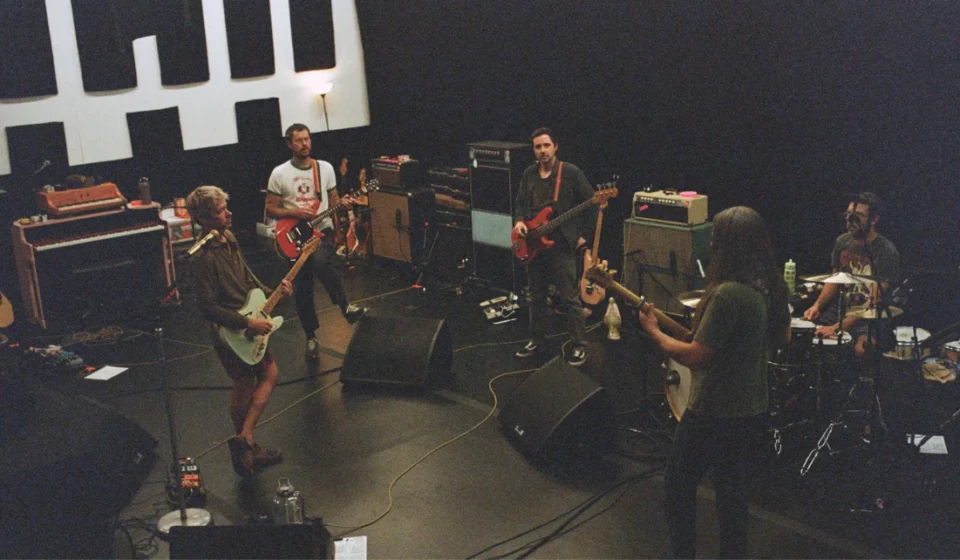
For indie-rock duo The Format—vocalist Nate Ruess and multi-instrumentalist Sam Means—2026 was meant to be a year of artistic celebration. After a hiatus that spanned nearly two decades, followed by a pandemic-derailed reunion in 2020, the childhood friends were finally poised to reclaim their place in the musical landscape. Yet, as their latest project hit the airwaves this January, the festive momentum was abruptly halted by a sobering national reality. The news that Alex Pretti, an ICU nurse, had been killed by a U.S. Border Patrol officer in Minneapolis served as a clarion call for the duo, prompting a pivot from pure artistic expression to urgent, boots-on-the-ground activism.
The Catalyst: A Shift from Celebration to Advocacy
The killing of Alex Pretti became a focal point for the band, forcing them to reconcile their platform with the political climate of the United States. Ruess, known globally for his subsequent success as the frontman of fun. and his Grammy-winning songwriting, found himself unable to participate in the standard cycle of album promotion while the news cycle was dominated by tragedy and systemic violence.
“I think I was listening to a bunch of Rage Against the Machine, and we were talking about how the lyrics from 25 years ago could still be completely applied today with no difference whatsoever,” Ruess explained in a recent interview. “We were moved by how many people showed up on the streets in Minnesota. That was direct action; that was organizing. We thought, ‘OK, well, what can we do with what we have?’”
This epiphany transformed their tour into a dual-purpose venture. Rather than focusing solely on the commercial success of their new material, The Format integrated their "Saturdays in the Park" concert series—a collection of free, community-oriented performances—into a logistical hub for grassroots organizing.
Chronology of a Movement
The band’s evolution into political advocates was not a calculated PR maneuver, but a reactive, organic development.
- 2020: The Format announces a highly anticipated reunion tour, which is ultimately cancelled due to the global COVID-19 pandemic.
- January 2026: The duo releases their new album. Simultaneously, the news of Alex Pretti’s death in Minneapolis shocks the nation.
- Early 2026: During a hometown release show in Phoenix, the band makes an impromptu decision to debut “The Bar is Set So Low,” a protest song written in 2024. The emotional weight of the performance marks a permanent shift in the tour’s focus.
- Spring 2026: The "Saturdays in the Park" series begins, featuring acoustic sets and tabling by local nonprofits.
- September 2026: The band brings their movement to Minneapolis, performing at the iconic First Avenue venue, cementing their commitment to the city where Pretti was killed.
Supporting the Cause: The Impact of "The Bar is Set So Low"
The song "The Bar is Set So Low" serves as the sonic anchor for the band’s current mission. An emotionally stirring, anthemic composition, the track serves as a biting critique of how the United States manages its immigrant populations.
“I had written the lyrics in 2024, just thinking about how awful we treat our immigrants in this country, illegal and otherwise,” Ruess noted. “The bar is set so low, I’m caught under it.”
The band has leveraged the single to provide direct financial support to organizations on the front lines of immigrant rights. Proceeds from the song’s digital sales on Bandcamp, as well as revenue from a dedicated long-sleeved T-shirt, are being funneled into four critical organizations:
- Women’s Foundation of Minnesota’s Immigrant Rapid Response Fund: Providing immediate financial aid to families and individuals in crisis.
- Immigrant Defense Network: A legal and advocacy group working to protect the rights of those facing deportation and systemic discrimination.
- Advocates for Immigrant Rights: A nonprofit focused on providing high-quality legal representation to immigrants.
- Latino Memphis: A community-based organization dedicated to improving the lives of the Latino community in the Memphis area.
The "Soapbox" Model: A DIY Approach to Activism
The logistics of the "Saturdays in the Park" series are intentionally "scrappy," a nod to the band’s punk-rock roots. By keeping overhead low and travel costs covered, Ruess and Means have managed to maintain a sustainable model that prioritizes community access over ticket revenue.

"It was incredibly scrappy, and it was very overwhelming because people did show up and people did want to interact," Sam Means shared. "It’s gotten a little bit more streamlined, but it still has that sort of soapbox vibe to it."
At each stop, the band invites representatives from local nonprofits to the stage, turning a standard concert into a town-hall-style event. This allows attendees to sign up for volunteer opportunities, learn about legislative efforts, and engage with the very people working to solve the problems mentioned in the band’s lyrics.
Musical Influence: The Legacy of Rage and the Art of the Ballad
When asked about the sonic inspiration behind their current pivot, the band points to the enduring relevance of protest music. Ruess credits Rage Against the Machine with shaping his moral compass, noting that their ability to bridge the gap between heavy, aggressive sound and clear, political messaging is a template for the band’s current trajectory.
However, the band remains committed to their roots as pop-songwriters. When discussing the mechanics of a "killer ballad," Ruess emphasizes the importance of the chorus—a skill he refined during his years with fun. Drawing inspiration from 1980s power-pop like Eric Carmen’s "Lose Control," Ruess argues that effective songwriting requires a mix of emotional vulnerability and structural tension.
"You just got to make the chorus really big and kind of like ramp it up," Ruess explained. By marrying this technical mastery with the raw urgency of their political message, The Format is attempting to do what few artists successfully manage: create music that is both commercially viable and fundamentally transformative.
Implications for the Modern Music Industry
The Format’s approach raises broader questions about the role of the modern musician in a polarized political climate. In an era where many artists fear the "shut up and sing" backlash, Ruess and Means have opted for a "sing and mobilize" strategy.
By utilizing their platform to elevate the work of legal and humanitarian organizations, the band is setting a precedent for how legacy acts can use their reunion cycles to contribute to social justice. The success of their Minneapolis dates, which include both a free afternoon concert at First Avenue and two sold-out ticketed shows, demonstrates that audiences are not only receptive to this marriage of music and activism but are actively craving it.
As the band continues their tour, they hope to inspire other artists to examine their own influence. For The Format, the goal is simple: to ensure that when the music stops, the momentum for change continues. Whether through button-making at a park or donating the proceeds of a hit single, the duo is proving that even a band defined by its past can become a vital engine for the future.
The Format’s Minneapolis "Saturday in the Park" show is scheduled for 2 p.m. on September 19. Admission is free, with additional information available at saturdaysinthepark.com. The band will also perform ticketed shows at First Avenue on September 18 and 19.