





















































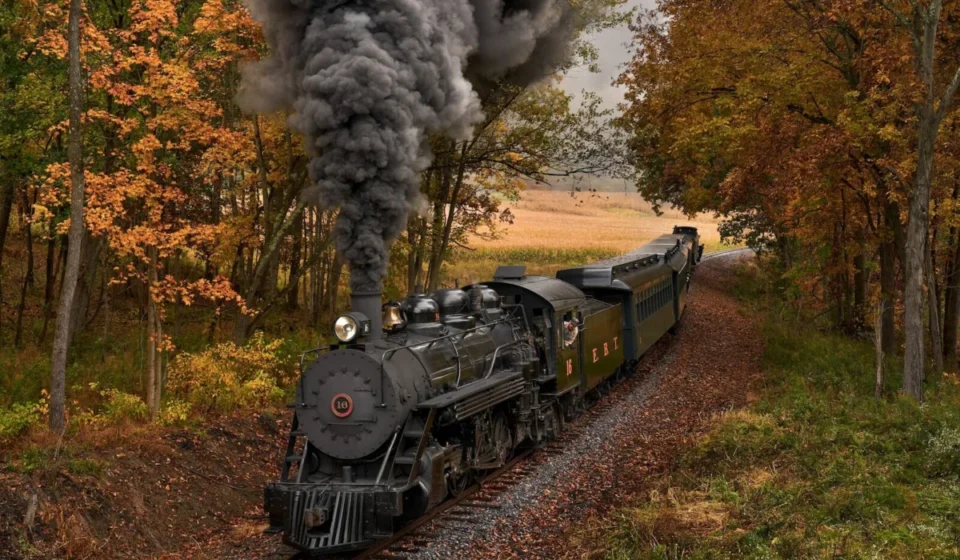

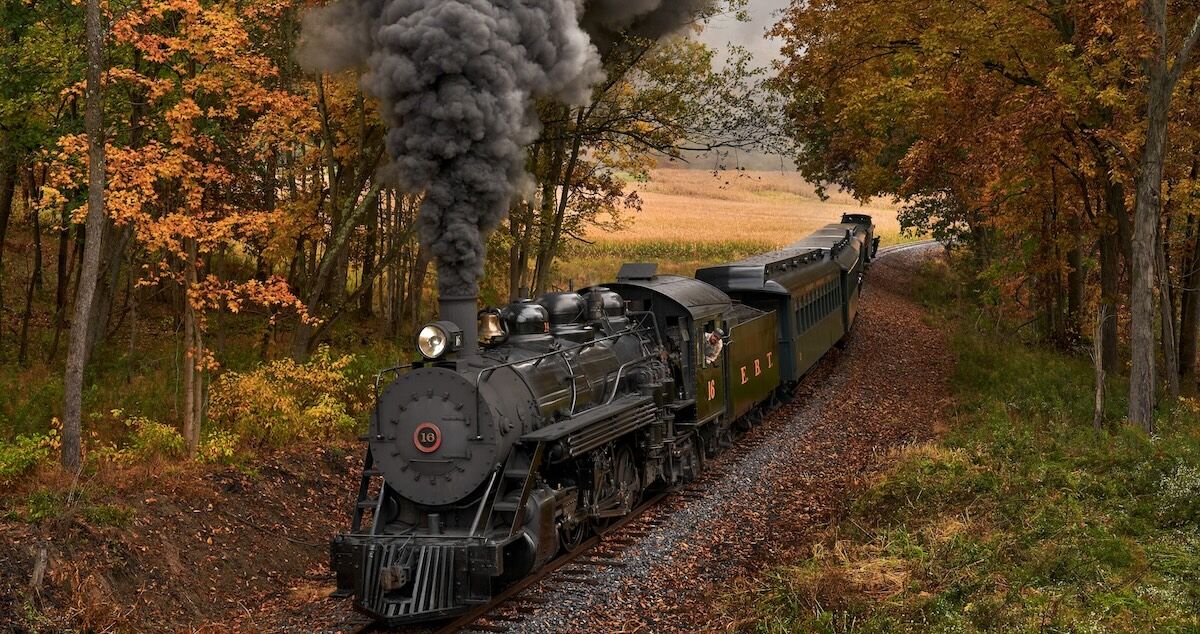
In the rolling, mist-covered landscape of Central Pennsylvania’s Aughwick Valley, the piercing whistle of a coal-fired steam locomotive cuts through the crisp autumn air. This is not a modern recreation or a theme-park attraction; it is the East Broad Top Railroad (EBT), a living, breathing artifact of the American Industrial Revolution. Recognized by the Smithsonian Institution as one of the most remarkably intact 19th-century industrial sites in the United States, the EBT offers a rare, immersive window into a bygone era.
Following a period of dormancy that spanned decades, the railroad has emerged as a premier heritage destination. As the only surviving three-foot-gauge common carrier railroad east of the Rocky Mountains, the EBT serves as a bridge between the coal-dependent economy of the 1870s and the preservation-focused tourism of the 21st century.
A Chronology of Coal and Steel
The story of the East Broad Top begins in 1872, an era defined by the expansion of the American rail network. Designed to haul bituminous coal from the mines of the Broad Top Mountain region, the narrow-gauge line was a marvel of engineering for its time. Unlike standard-gauge tracks that dominated the nation’s major arteries, the three-foot gauge of the EBT allowed for sharper curves and tighter mountain passages, making it ideally suited for the rugged Appalachian terrain.
For over 80 years, the EBT was the lifeblood of the valley. However, the post-World War II era brought the decline of coal and the rise of trucking, leading to the cessation of freight service in 1956. In a stroke of historical serendipity, the railroad did not suffer the fate of its contemporaries. When the final whistle blew, the crews simply went home, leaving the machinery, the rolling stock, and the infrastructure exactly where they stood.
This "time capsule" effect preserved the site in pristine condition for nearly seven decades. In 1964, the EBT was designated a National Historic Landmark, shielding it from the encroaching scrap yards. After years of careful stewardship and an exhaustive restoration effort, the railroad resumed passenger operations in 2021, marking a new chapter for the historic line.
Supporting Data: The Anatomy of the Excursion
The East Broad Top operates as a high-functioning heritage machine, offering a variety of experiences that cater to both the casual tourist and the dedicated rail historian. The railroad runs year-round, featuring specialized programming such as the "Winter Spectacular" in February and festive holiday trains in December. However, the autumn months remain the EBT’s crown jewel.
Seasonal Operations and Routing
Through October 31, the Orbisonia Station serves as the primary hub. Trains depart Fridays, Saturdays, and Sundays at 10:30 AM, 12:00 PM, and 1:30 PM, with additional 3:00 PM departures on select dates.
The signature autumn offering is the Northbound Colgate Grove Excursion. This nine-mile, one-hour roundtrip traverses the heart of the Aughwick Valley. Passengers have the unique option to disembark at Colgate Grove for a 90-minute picnic layover, allowing them to immerse themselves in the vibrant Pennsylvania foliage before returning on a later train.
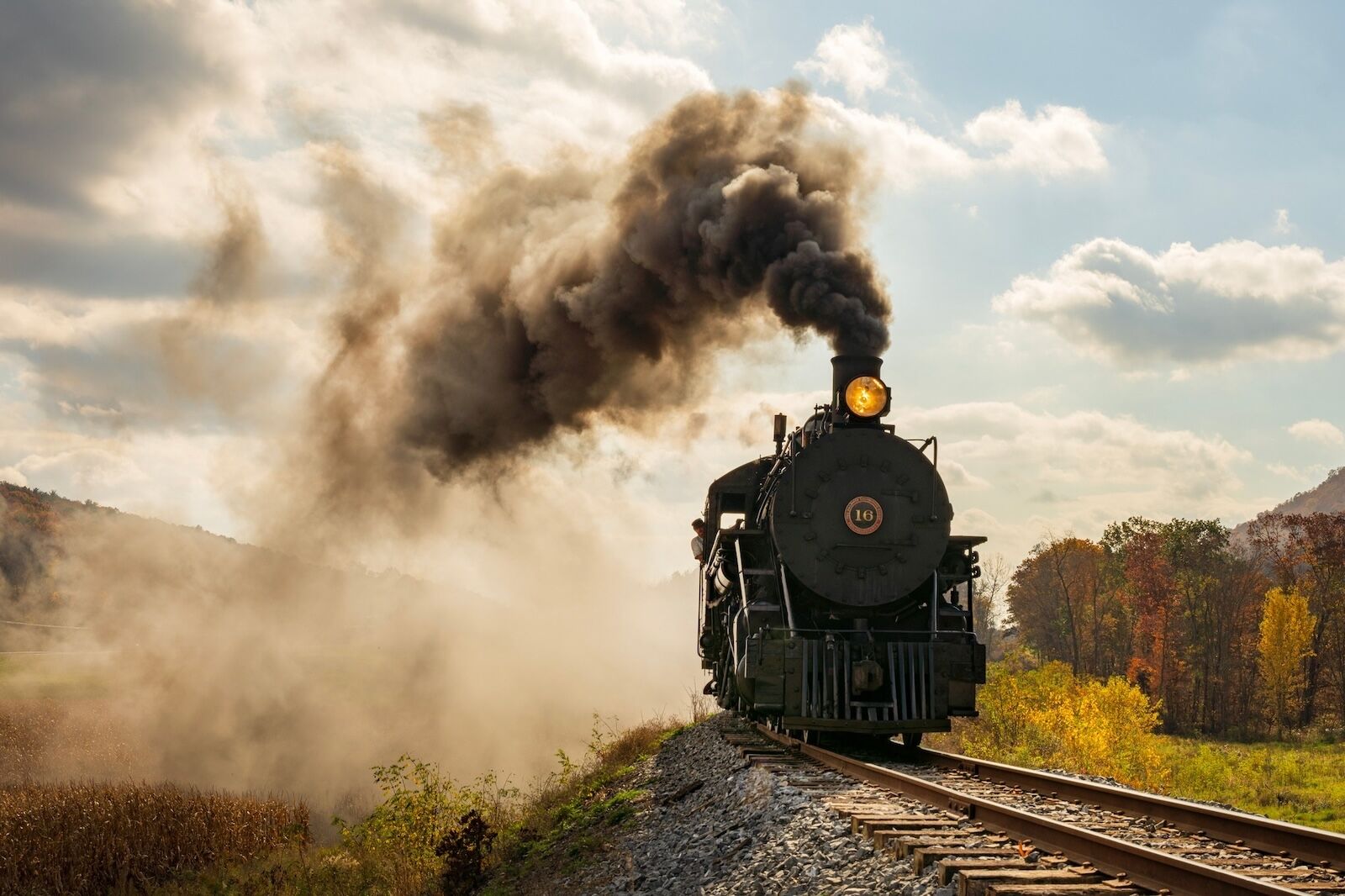
For those seeking to explore the limits of the active track, the Southbound Pogue Excursion offers a different perspective. Running on select dates—notably September 12 and October 3—this route travels a segment of the line that remained closed to passengers for nearly 70 years. By offering a combo package for both routes, the railroad provides a $10 discount per person, encouraging visitors to experience the full scope of the operational track.
Service Classes and Accessibility
The railroad maintains a diverse fleet of rolling stock, allowing visitors to choose their level of authenticity:
- Enclosed Cars: Featuring padded seating and classic windows, ideal for those seeking comfort.
- Open-Air Cars: Outward-facing bench seats shaded by a canopy, providing an unobstructed view of the scenery.
- The Historic Caboose: A quintessential rail experience for those desiring a more private or nostalgic setting.
- The Cinder Car: An open-sided, roofless car designed for the adventurous rider. As the name implies, passengers should be prepared for the authentic experience of locomotive soot; protective eyewear is strongly recommended.
Pricing remains accessible, with coach, open-air, and cinder car tickets priced at $25 for adults and $15 for children (ages 2–12). The caboose experience is priced at $30 for adults and $20 for children. To ensure inclusivity, every train is equipped with at least one ADA-accessible car, and children under two may ride for free when seated on an adult’s lap.
Official Perspectives on Preservation
The EBT Foundation, the nonprofit entity responsible for the railroad’s management, views their mission as more than just operating a train; it is an exercise in cultural preservation. According to foundation representatives, the guided tours of the depot complex are essential to understanding the gravity of the site.
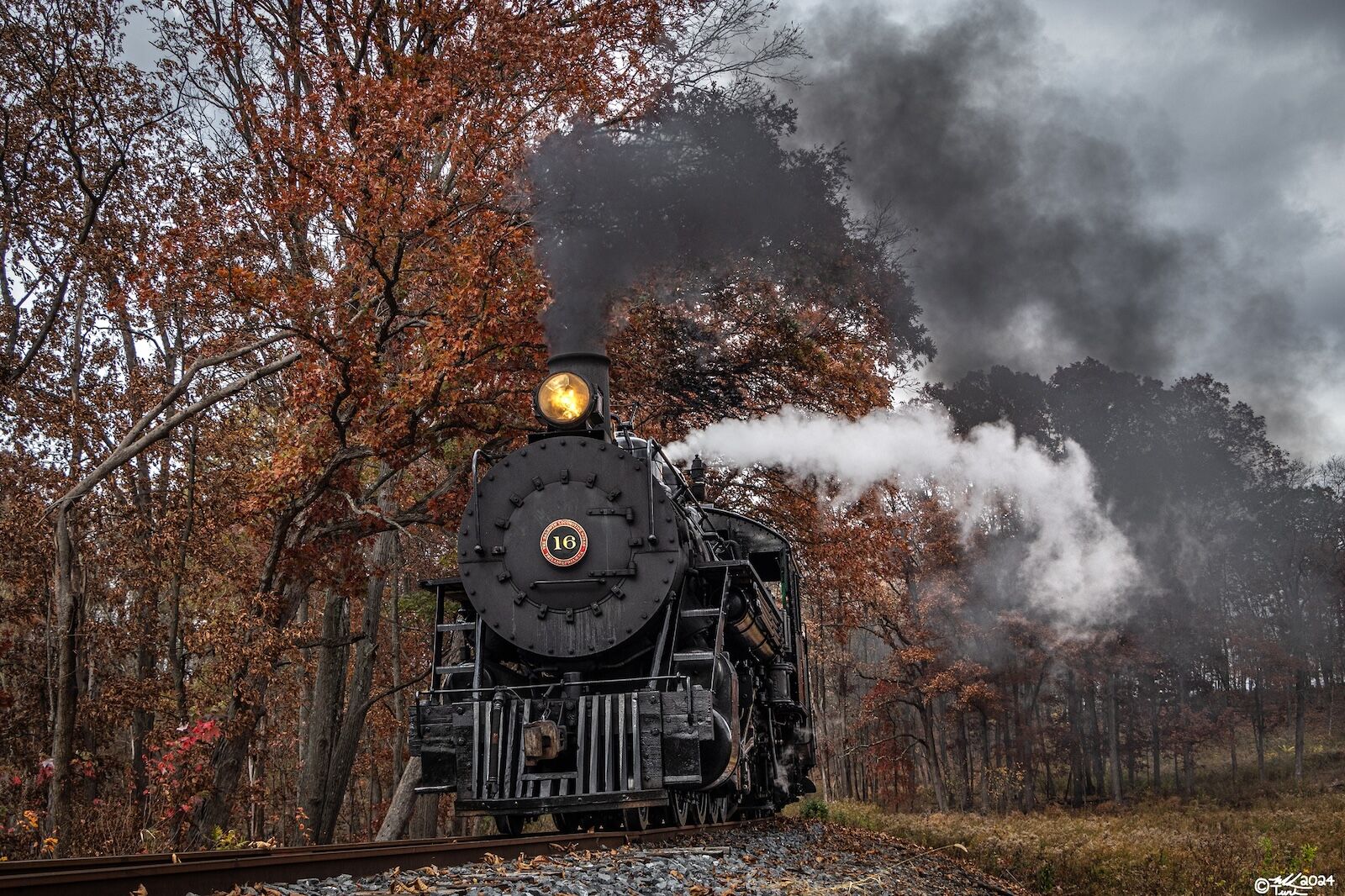
The complex includes the original roundhouse, which has housed locomotives since the early 1900s, and the EBT machine shop, which stands as the largest belt-driven machine shop in the United States. These facilities are not mere museum displays; they are working workshops where modern-day technicians use 19th-century methods to keep the locomotives operational. Visitors are encouraged to budget at least three hours for a combined ride and shop tour to fully appreciate the scope of the machinery.
Implications: The Future of Industrial Heritage
The successful revival of the East Broad Top carries significant implications for the future of industrial heritage tourism. By moving beyond a static museum model, the EBT has demonstrated that historical sites can remain relevant and financially sustainable through active, experiential programming.
Educational and Community Outreach
The "Pumpkin Patch Express" serves as a primary example of this engagement strategy. Running on select dates in October, this 2.5-hour experience transforms the Colgate Grove stop into a family-oriented festival. With activities ranging from hay bale wagon rides and pumpkin decorating to costume contests, the program bridges the gap between historical education and community recreation. By integrating children into the historic site, the EBT ensures that the next generation remains connected to the industrial roots of the region.
Economic and Logistical Considerations
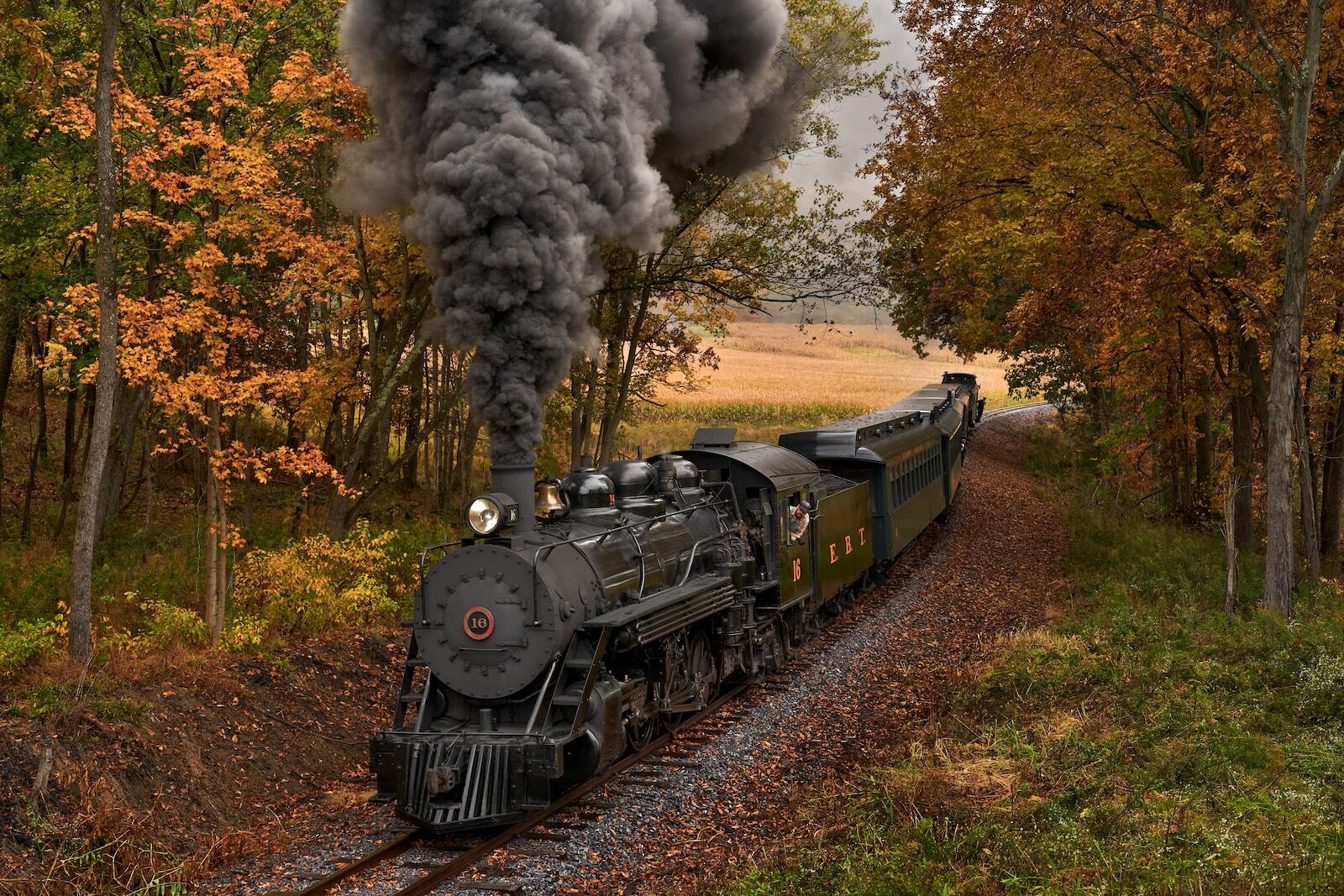
For prospective visitors, the shift toward a digital, reservation-based system is crucial. The EBT does not email digital tickets; instead, guests are required to check in at the Orbisonia Station 30 minutes prior to departure. This logistical requirement underscores the importance of advance planning. Furthermore, the reliance on coal-fired steam engines mandates a level of operational rigor that few other heritage lines possess. Maintaining these century-old locomotives requires a specialized workforce and a steady supply of anthracite, tying the railroad’s success to the continued availability of these specialized resources.
A Legacy in Motion
The East Broad Top Railroad stands as a testament to the idea that history is not meant to be kept behind glass. In the age of high-speed rail and digital transport, the rhythmic chug of the EBT steam engine offers a necessary pause. It forces the rider to slow down, breathe in the air of the Aughwick Valley, and acknowledge the immense physical effort that built the industrial foundation of the United States.
As the railroad continues to expand its offerings and restore additional sections of the line, it reinforces its position as a cornerstone of Pennsylvania tourism. Whether it is the soot-streaked faces of riders in the cinder car or the quiet reverence of history buffs touring the belt-driven machine shop, the EBT remains a vibrant, moving memorial to the men and women who laid the tracks of the past. For those looking to escape the modern rush, the East Broad Top offers a rare, timeless destination where the past is not just remembered—it is ridden.