


























































This story was produced as part of ThreeSixty Journalism’s 2026 Capitol Reporting Workshop for Minnesota youth, with financial support from the Saint Paul & Minnesota Foundation.
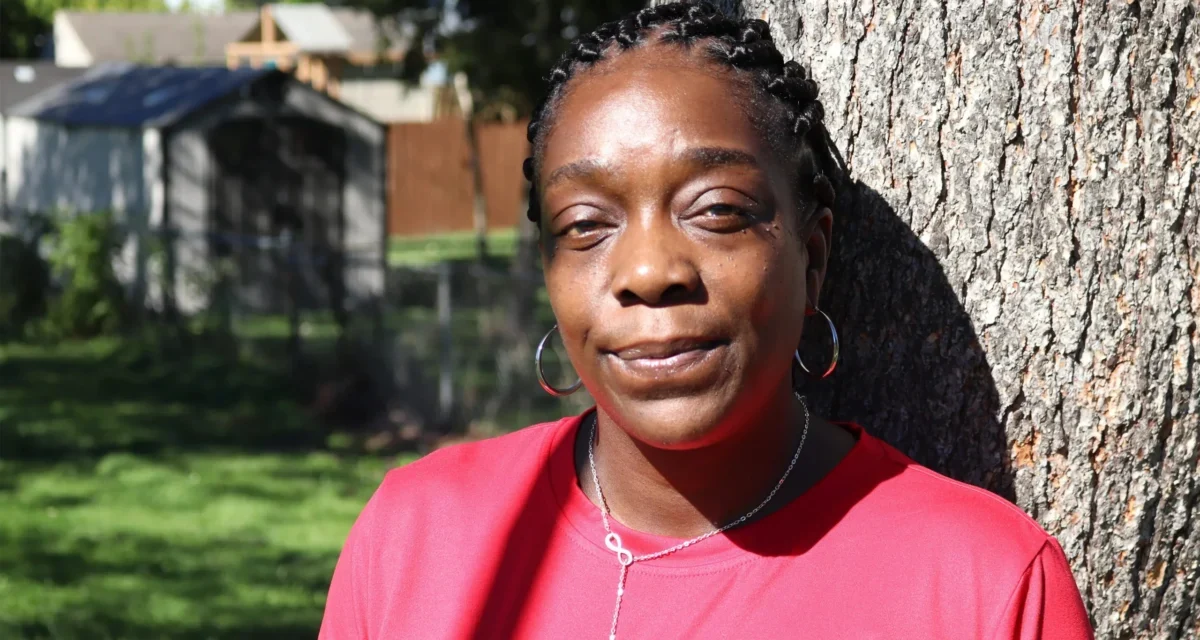
For Hennepin County Commissioner Heather Edelson, the fight for literacy isn’t just policy—it’s personal. Growing up, Edelson navigated a school system that wasn’t built for her brain. Battling undiagnosed dyslexia, she found the simple act of reading to be a monumental hurdle.
"I didn’t really read well until probably late middle school," Edelson recalled. "It was really challenging."
Edelson’s childhood struggle reflects a sobering reality in Minnesota’s classrooms today. While the state has long been viewed as a bastion of academic excellence, recent data reveals a persistent decline in fundamental skills. According to Compass Education, literacy proficiency rates for third graders in Minnesota have plummeted from nearly 56% in 2013 to approximately 46% today. This downward trajectory has ignited a fierce, ongoing debate at the State Capitol, pitting evidence-based instructional reforms against traditional, sometimes controversial, methods of intervention.
The Genesis of the READ Act
When Edelson was elected to the Minnesota House of Representatives in 2018, she brought her personal experience to the legislative floor. She began scrutinizing the state’s "Read Well by Third Grade" law, which she argued was insufficient. The policy’s narrow focus on third-grade proficiency, she contended, neglected the necessity of long-term, structural literacy development throughout a student’s entire academic journey.
The political landscape shifted dramatically following the 2022 midterms, when Democrats secured full control of the state government. Seizing the opportunity to overhaul the system, Edelson partnered with Sen. Erin Maye Quade, DFL-Apple Valley, to author the READ Act.
The legislative process was far from straightforward. As the bill took shape, educators sounded the alarm on the quality of existing instructional materials. Teachers reported that some curriculum—intended to foster inclusivity—actually utilized inaccurate and stereotypical depictions of African American and Native American children, further alienating students from the material. By 2023, Gov. Tim Walz signed the initial version of the READ Act into law, earmarking approximately $70 million to transition schools toward evidence-based literacy instruction and providing intensive training on structured literacy methods.
Chronology of Reform: From READ Act 1.0 to 2.0
The implementation of the 2023 law was only the beginning. As school districts began to integrate the new requirements, lawmakers stayed in close communication with the educators on the front lines. Feedback from the field suggested that while the foundation was solid, the execution required more robust support.
In 2024, Edelson and Maye Quade introduced an updated version of the legislation, colloquially known as "READ Act 2.0." This iteration focused heavily on deepening teacher training and expanding access to high-quality curricula.
The shift toward "structured literacy"—a method that emphasizes phonics, systematic word study, and the mechanical rules of the English language—has garnered significant support from classroom teachers. Julie Cronin, a second-grade teacher in the Robbinsdale school district, has seen the shift pay dividends in her own classroom.
"They get it. They get the rules," Cronin said, referring to her students’ engagement with programs like Bridge to Read and LETRS. These tools help students dissect words, understand letter-sound correspondence, and decode unfamiliar terms with confidence.
Sen. Steve Cwodzinski, a DFLer from Eden Prairie and chair of the Senate Education Policy Committee, views the progress as tangible evidence of success. "When we visit grade schools and you see the kids reading words that I didn’t know until I was in college, it’s kind of amazing," he noted. "So, it’s working."
Supporting Data and the Literacy Gap
The data remains the primary driver of this legislative urgency. Minnesota’s persistent literacy gap—particularly among students of color and those from lower-income backgrounds—has created a moral imperative for reform.
The transition to the READ Act model is rooted in the "Science of Reading," a body of research that emphasizes the importance of explicit, systematic phonics instruction over the "balanced literacy" approach that dominated many districts for decades. Proponents of the READ Act argue that the previous system failed to equip teachers with the pedagogical tools necessary to support students with learning differences like dyslexia or those who are English Language Learners.
However, the cost of this transition is high. With $70 million in initial funding and subsequent investments in the 2.0 version, the state is making a massive bet that teacher training and curriculum overhaul will reverse the decade-long decline in proficiency.
The GOP Pushback: The Retention Debate
Despite the optimism expressed by the law’s authors, the path forward is not without resistance. Republican lawmakers, led by Sens. Michael Holmstrom, Jordan Rasmusson, and Julia Coleman, have introduced the "READ Act Interventions" bill, arguing that the current approach lacks necessary accountability measures.
The proposal includes a controversial provision that would require public schools to establish individualized learning plans for students who fail to meet grade-level reading standards. Most significantly, it would mandate that schools hold students back a grade if it is determined to be in their "best interest."
"They’re not going to keep up if we let them," Holmstrom said, arguing that students who advance without mastering foundational reading skills face an inevitable cycle of failure as academic expectations compound in later grades. He claims that many teachers have expressed frustration that students are being "socially promoted" despite a lack of mastery.
The proposal has drawn sharp criticism from the educational community. Mackenzie Mohen-VonAhnen, a teacher at Centennial Elementary in Richfield, argues that grade retention is an antiquated and damaging practice. "That would be harmful for students, you know, like, mentally and socially," she said.
Edelson, drawing on her own experience of being held back in the third grade, remains a staunch opponent of retention. She argues that the emotional and social costs of repeating a grade often outweigh the perceived academic benefits, particularly when the root cause—poor instructional quality—is the actual culprit. Her initial drafting of the READ Act intentionally excluded retention mandates, prioritizing instead the early identification of learning barriers.
Implications for the Future of Minnesota Education
The ongoing debate over the READ Act serves as a microcosm of the broader ideological divide in the Minnesota Legislature. As the state’s political balance remains tight, the friction between the DFL-led push for structural reform and the GOP-led push for strict accountability creates an environment where compromise is difficult.
Even supporters of the "Interventions" bill concede that, given the current makeup of the legislature, it is unlikely to pass this session. However, the proposal highlights a fundamental question for Minnesota’s education system: Should the state prioritize the internal reform of teaching methods, or should it impose external consequences on students who fall behind?
The implications are far-reaching. If the READ Act succeeds in its mission, Minnesota could see a generation of students with significantly higher literacy rates, potentially closing the achievement gap that has long plagued the state. If the policy fails, or if the "Interventions" debate stalls progress, the state risks further eroding public trust in its educational institutions.
For now, the focus remains on the classroom. As teachers like Julie Cronin continue to train in structured literacy, and as legislators monitor the effectiveness of the updated curriculum, the state waits to see if these policies will translate into the long-term proficiency gains students need. For students like the young Heather Edelson—those struggling to decode their first words in a system that doesn’t quite understand them—the stakes could not be higher. The goal is no longer just "reading by third grade," but ensuring that every child has the tools to read for a lifetime.