


















































As Europe grapples with a brutal, record-breaking summer, the irony of discussing "heat recovery" is not lost on the residents of Wrocław. While the mercury climbs and citizens seek refuge in air-conditioned spaces, Polish property developer Citylink has unveiled a visionary, if poorly timed, initiative: a plan to channel the massive amounts of waste heat generated by its new data center directly into the city’s municipal district heating network.
This proposal, developed in partnership with local power provider Kogeneracja, highlights an emerging trend in the global push for sustainability. By transforming data centers from energy-hungry infrastructure into thermal assets, developers are attempting to reconcile the insatiable power demands of the Artificial Intelligence (AI) boom with the pressing need for urban decarbonization.
The Core Concept: Turning Servers into Furnaces
Modern data centers are essentially massive, concentrated heat sources. To prevent critical server failures, these facilities employ sophisticated cooling systems that traditionally dump thermal energy into the atmosphere. In the context of the climate crisis, this is increasingly viewed as an inefficiency that the world can no longer afford.
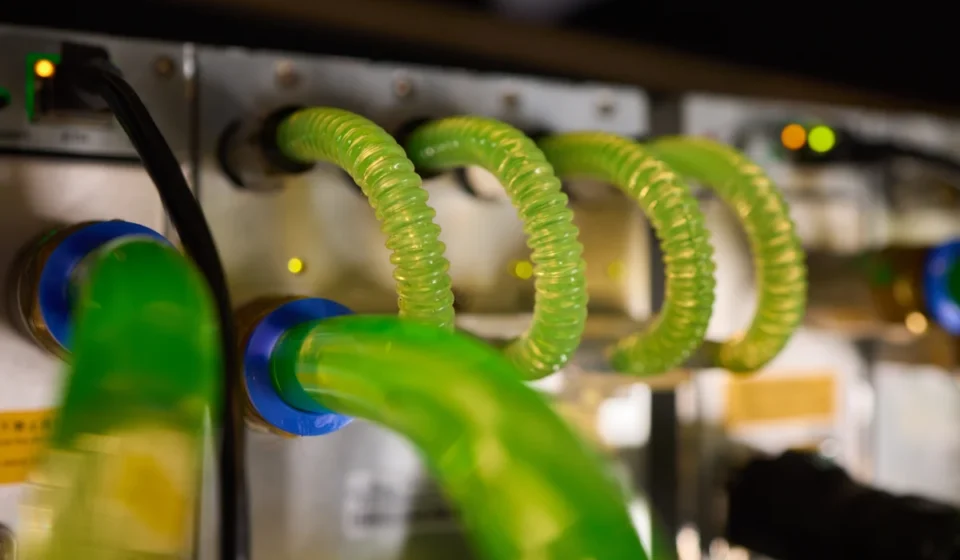
Citylink’s project in Wrocław flips this paradigm. Instead of venting heat, the facility is being engineered with integrated heat recovery systems. As the data center scales its computing power—specifically to accommodate high-density AI nodes—the thermal output increases proportionally. This "waste" energy is captured and redirected to pre-heat water for the city’s district heating system, effectively turning the data center into a high-tech boiler for the surrounding municipal infrastructure.
Chronology: From Concept to Implementation
The journey toward this integration is part of a broader, multi-year shift in how European urban centers manage energy.
- 2023: The Strategic Shift: Citylink begins the architectural planning for its new data center, prioritizing energy circularity as a core design principle rather than an afterthought.
- Early 2024: Negotiating the Grid: Initial feasibility studies are conducted with Kogeneracja to determine the technical requirements for feeding low-grade waste heat into the city’s existing piping network.
- Summer 2024: The Public Announcement: Amidst a sweltering heatwave, Citylink formally announces the collaboration. The timing creates a visceral, if slightly contentious, public response.
- Late 2024/2025: Infrastructure Development: The project enters the technical design phase, focusing on the infrastructure necessary to connect the AI-driven data nodes to the district grid.
- Future Milestones: Once operational, the facility is expected to serve as a benchmark for how Polish energy policy integrates digital and thermal utilities.
Supporting Data: The Thermodynamics of Data
The urgency of this project is driven by the explosive growth of the cloud and AI sectors. According to industry reports, a standard data center can consume as much electricity as a small city. With AI models requiring significantly higher compute density than traditional cloud storage, the heat generated per square meter is skyrocketing.
- Thermal Efficiency: Most traditional data centers operate at a Power Usage Effectiveness (PUE) ratio that ignores the potential for heat reuse. By integrating heat recovery, facilities can improve their Total Cost of Ownership (TCO) while reducing the net carbon footprint of the surrounding neighborhood.
- District Heating Potential: In cities like Wrocław, where district heating is a common municipal utility, the infrastructure is already in place to distribute heat. Data centers can provide a consistent, 24/7 "baseload" of thermal energy, which is more reliable than intermittent renewable sources like solar or wind.
- Global Precedents: Similar initiatives have already gained traction globally. In the United Kingdom, waste heat from data centers has been piloted to warm public swimming pools and social housing. In New Zealand, projects have explored using server heat for commercial developments. These examples serve as a blueprint for the Polish initiative, demonstrating that the technology is not only feasible but scalable.
Official Responses and Corporate Strategy
The public discourse surrounding this project has been a balancing act between technological optimism and political sensitivity.
Michał Starybrat, Development Director at Citylink, has been the primary spokesperson for the initiative. In his recent statement, he framed the project as a necessary evolution for the digital age:
"The dynamic growth of the artificial intelligence and cloud technology markets generates unprecedented demand for computing power. This collaboration demonstrates how modern digital infrastructure can actively contribute to building the energy ecosystem of the future."
Starybrat emphasized that the project is not just about heating; it is about "valuable experience" in designing the next generation of AI-ready infrastructure. By embedding heat recovery into the core architecture, Citylink hopes to set a new standard for Polish real estate, where a data center is no longer seen as a "black box" that consumes resources, but as a utility that gives back to the city.
However, the industry remains aware of the optics. Announcing a heat-based project during a period where citizens are suffering from heat-related health risks is a communication challenge. Industry analysts suggest that while the long-term benefits for winter heating are clear, the timing reflects a disconnect between corporate planning cycles and the immediate, lived reality of the climate crisis.
Implications: The Data Center as a Community Asset
The implications of the Citylink-Kogeneracja collaboration extend far beyond Wrocław.
1. The Energy Transition
As Europe moves away from fossil fuels, district heating networks are under pressure to find "green" sources of heat. Data centers, which are increasingly powered by renewable energy, provide a unique solution. By utilizing the heat byproduct, cities can reduce their reliance on gas-fired boilers, accelerating the shift toward net-zero.
2. Regulatory and Planning Hurdles
For this model to become the standard, urban planners must rethink zoning laws. Currently, data centers are often treated as industrial sites, isolated from the residential or commercial zones where their heat could be most useful. Future developments may require "energy-integrated zoning," where the proximity of a data center to a heating grid is a primary factor in granting building permits.
3. Addressing the Climate Criticism
The project also confronts the "elephant in the room": the environmental cost of the digital revolution. Critics argue that data centers are inherently warming the planet through their massive electricity consumption. By recycling waste heat, developers are attempting to shift the narrative. If a data center can provide enough heat for thousands of homes, it effectively offsets the carbon footprint of those homes’ traditional heating methods, turning a net-negative into a net-positive.
4. Technological Longevity
The integration of AI nodes is key. AI hardware generates more heat than traditional CPUs, requiring more aggressive cooling. Paradoxically, this makes AI data centers better candidates for heat recovery. As the world doubles down on AI, the thermal output of these facilities will only increase, making them even more valuable to urban heating grids in the coming decade.
Conclusion: A Warm Future for Cold Cities
The Citylink project in Wrocław is a microcosm of the modern struggle to reconcile progress with sustainability. While the current heatwave makes the concept of "more heat" sound like an unwelcome prospect, the reality of the European climate is that winter heating remains a major energy challenge.
By viewing data centers as critical components of the urban energy ecosystem rather than isolated silos of compute power, Poland is positioning itself at the forefront of a necessary industrial pivot. The project faces significant hurdles—technical, political, and social—but it provides a clear vision for the future: a digital infrastructure that works in harmony with the city it serves. As we look toward a future dominated by AI and climate-driven energy mandates, the ability to turn "wasted" heat into a community resource may be the most important innovation in the history of the data center industry.