


















































Defiance in Albert Lea: City Council Rejects Cannabis License in Challenge to State Authority

ALBERT LEA, MN – In a move that sets the stage for a high-stakes legal showdown between local governance and state mandate, the Albert Lea City Council has voted to deny a business license to the city’s first state-approved cannabis dispensary. The 4-3 decision, reached during a contentious meeting on Monday night, represents an overt act of defiance against Minnesota’s recently enacted cannabis statutes and has triggered immediate warnings of costly litigation and significant financial penalties.
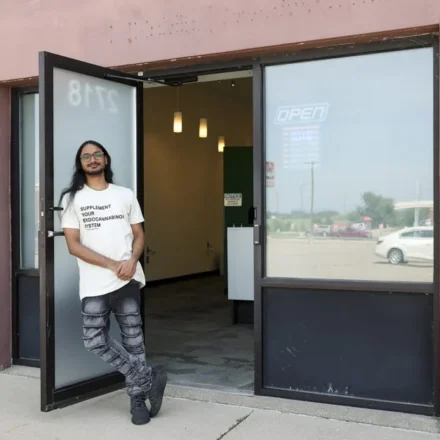
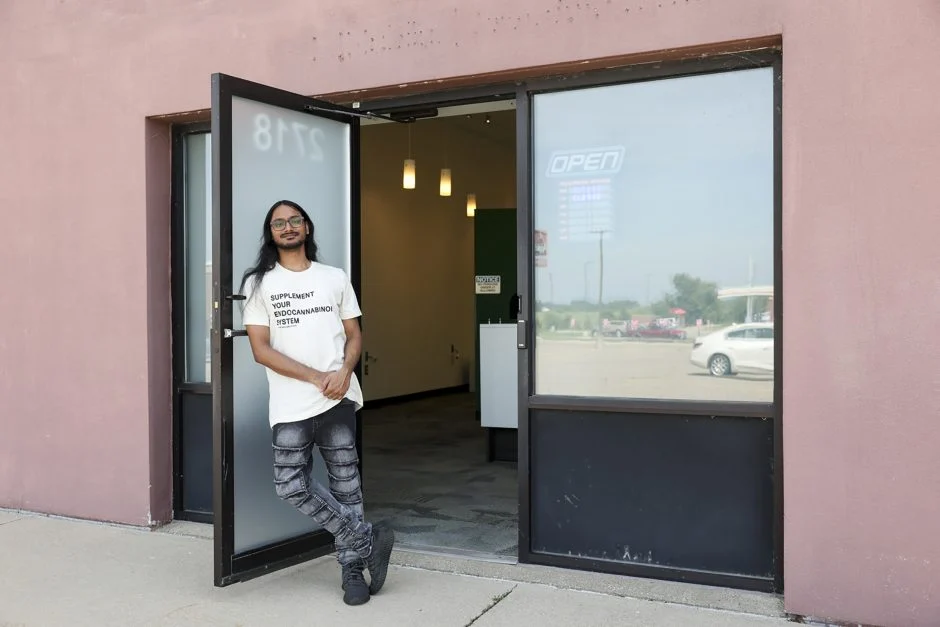
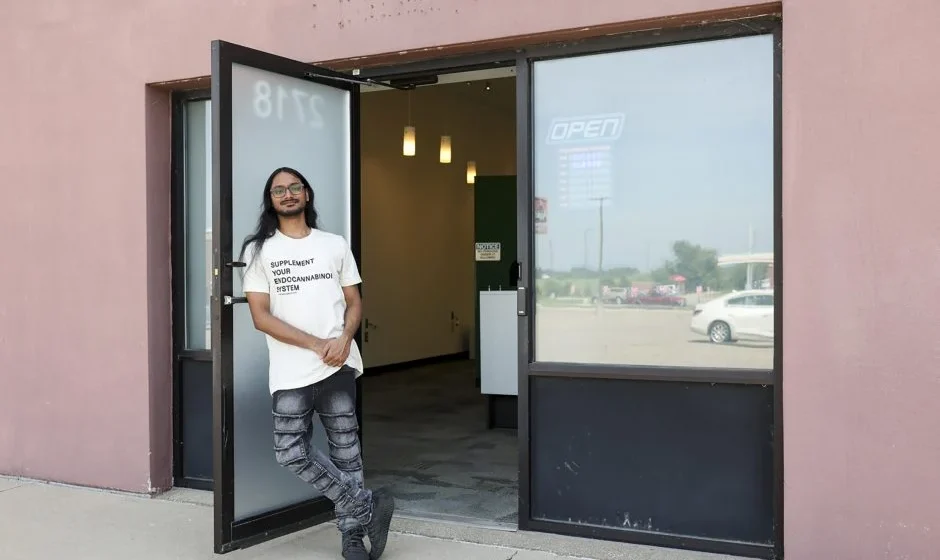
The dispensary, titled The Smoking Tree, was poised to make history as the first micro-retail cannabis establishment in the region. Its owner, Jacob Schlichter, had already cleared the rigorous hurdles of the Minnesota Office of Cannabis Management (OCM), passing state inspections and securing all necessary state-level documentation. For Schlichter, the local registration was intended to be a final administrative formality before a scheduled soft opening on Tuesday. Instead, he finds his business in a state of legal limbo, caught in the crossfire of a philosophical war over "local control."
Main Facts: A Collision of Law and Philosophy
The crux of the conflict lies in the interpretation of Minnesota’s cannabis legalization law (Chapter 342). While the state legalized adult-use cannabis in 2023, it granted local municipalities limited "time, place, and manner" restrictions. However, the law explicitly prohibits cities from enacting a total ban on cannabis businesses that meet state requirements.
The denial in Albert Lea is notable for several reasons:
- Statutory Quotas: Under state law, cities must allow at least one cannabis retail registration for every 12,500 residents. With a population of approximately 18,000, Albert Lea is legally required to register at least two dispensaries.
- The Vote: Mayor Rich Murray and Councilors Larry Baker, Rachel Christensen, and Keith Van Beek voted against the registration. Councilors Brian Anderson, Jason Howland, and Reid Olson voted in favor.
- Legal Warnings: The city’s own attorney, Joel Holstad, and City Manager Ian Rigg explicitly warned the council that the denial was a violation of state law and would likely result in a lawsuit the city could not win.
- Financial Stakes: Beyond legal fees, the city faces a potential 5% reduction in Local Government Aid (LGA), which could amount to a $300,000 annual penalty, plus the cost of a defense estimated at $100,000.
Chronology: From State Approval to Local Rejection
The path to Monday night’s denial began months ago as Minnesota prepared for the rollout of its retail cannabis market.
June 2024: Jacob Schlichter became the first micro-retail cannabis applicant in Minnesota to successfully pass a state licensing inspection. This milestone positioned The Smoking Tree as a flagship for the new industry in Greater Minnesota.
May 2024: Anticipating the arrival of retail shops, the Albert Lea City Council passed a local ordinance outlining the registration process. This ordinance established a "first-come, first-served" system based on the timestamp of state licensure. At the time, the ordinance was seen as a proactive measure to manage the industry within the bounds of state law.
July 18, 2024: Following his state approval, Schlichter submitted his local registration to city staff. City Manager Ian Rigg confirmed that the application met every requirement set forth by both the state and the city’s own May ordinance.
August 2024: The registration was placed on the City Council’s "consent agenda" for the Monday meeting. In municipal governance, the consent agenda is typically reserved for routine, non-controversial items that are approved in a single block vote without discussion. However, the item was pulled for separate consideration, leading to the eventual 4-3 vote to deny.
Supporting Data: The Cost of Defiance
The financial implications of the council’s decision are stark. Albert Lea, like many cities in Greater Minnesota, relies heavily on Local Government Aid (LGA) to balance its budget.
According to City Manager Ian Rigg, Albert Lea receives more than $6 million in LGA annually, which constitutes approximately one-third of the city’s general fund revenue. Under the state’s regulatory framework, the Office of Cannabis Management has the authority to certify to the Department of Revenue that a municipality is not in compliance with state law.
“That’s a $300,000 penalty before the lawsuits even start,” Rigg informed the council.
Furthermore, City Attorney Joel Holstad provided a sobering assessment of the legal landscape. He estimated that a "legitimate defense" against a lawsuit from the State of Minnesota or the business owner would cost the city at least $100,000. He characterized the chances of the city prevailing in court as "highly unlikely," noting that the state statute is clear regarding the limits of municipal authority to block licensed businesses.
Official Responses: Principles vs. Pragmatism
The debate during the council meeting highlighted a deep divide between those who view the law as an immutable mandate and those who view it as an overreach by the state legislature.
The Opposition: A Stand for Local Control
Mayor Rich Murray was blunt in his assessment of the state’s cannabis rollout, framing his "no" vote as a protest against the erosion of local autonomy. "I do not like the way the state Legislature and the governor has rammed this down our throats with very little say in the process, all because they’re hungry for more revenue," Murray said. He expressed a desire for Albert Lea to have "zero" cannabis businesses, regardless of the state’s quota.
Councilor Larry Baker emerged as the most vocal critic, arguing that the issue transcended cannabis and touched on the fundamental rights of cities. "At some point, people have to start saying no to the state and federal government taking power away from cities," Baker said. "It’s just a matter of principle."
Baker further suggested that complying with the cannabis law would set a dangerous precedent, potentially leading to the state stripping cities of zoning powers in other areas, such as residential high-rise developments. "These people [in St. Paul] do not know anything about the outside communities," he added.
The Dissent: Legal Reality and Fiscal Responsibility
Conversely, those who voted in favor of the registration argued that the council had a fiduciary duty to the taxpayers to follow the law, regardless of personal feelings about cannabis.
Councilor Brian Anderson noted that because the business had already met state and local technical requirements, the council’s role was supposed to be ministerial rather than discretionary. He described the council as having only the "illusion of choice."
"I think it’s up to me sitting up here to do the responsible thing and actually say that this is going to happen whether we want it to or not," Anderson said. "I think we need to embrace it and make the best of it."
City Manager Ian Rigg echoed this sentiment, acknowledging his own preference for more local control but emphasizing that the city’s "orders" were clear. "Local control is important and we need to be vocal about it, but until it’s restored or it’s preserved, we do have our… orders," Rigg said.
Implications: A Looming Legal Battle
The immediate victim of this policy clash is Jacob Schlichter. Having invested significant capital into The Smoking Tree and passing every regulatory hurdle, he now faces an indefinite delay and the prospect of a protracted legal battle against his own city.
"Whether or not you agree with cannabis, we can all agree that this is a bad use of our tax money," Schlichter said following the vote. "The law is the law." He indicated he is currently weighing his legal options but expressed a preference for a non-litigious resolution. "The last thing I want to do is sue my own city and cause us to use taxpayer dollars on that. I don’t know what other options there are."
The broader implications for Minnesota are significant. If Albert Lea’s defiance goes unchallenged, it could embolden other conservative-leaning municipalities to ignore state cannabis quotas, potentially fracturing the state’s effort to create a uniform, regulated market. However, if the State of Minnesota moves to withhold LGA or files a lawsuit, it will signal to all 853 cities in the state that the cannabis statutes will be strictly enforced.
The Office of Cannabis Management (OCM) has not yet issued a formal statement regarding Albert Lea’s vote, but the agency has previously stated its intent to ensure that the "social equity" and "market access" goals of the legalization bill are met.
For now, the doors of The Smoking Tree remain locked. The city of Albert Lea sits in a state of "principled" non-compliance, waiting to see if the state—or the courts—will force their hand. As Councilor Anderson warned during the meeting, the "responsible thing" and the "principled thing" appear to be at a $400,000 impasse.