

























































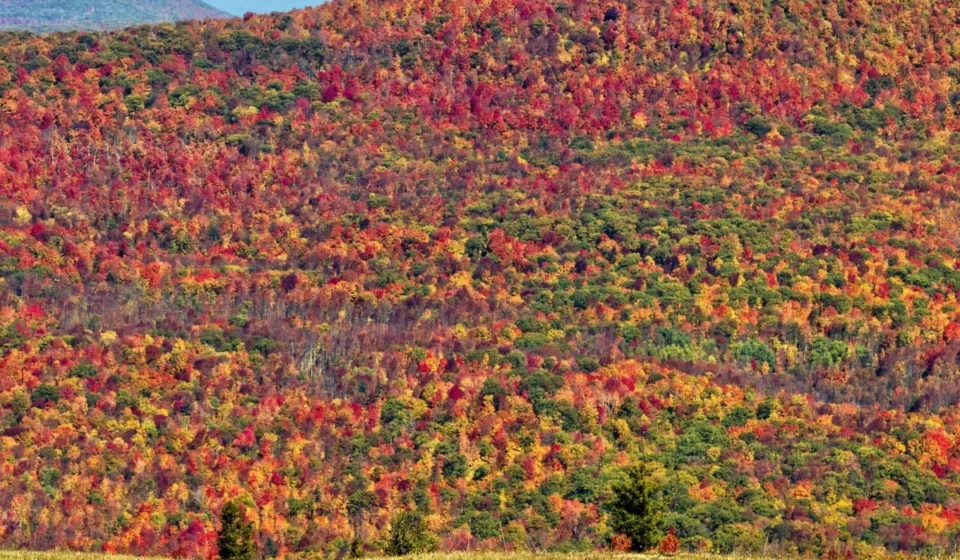

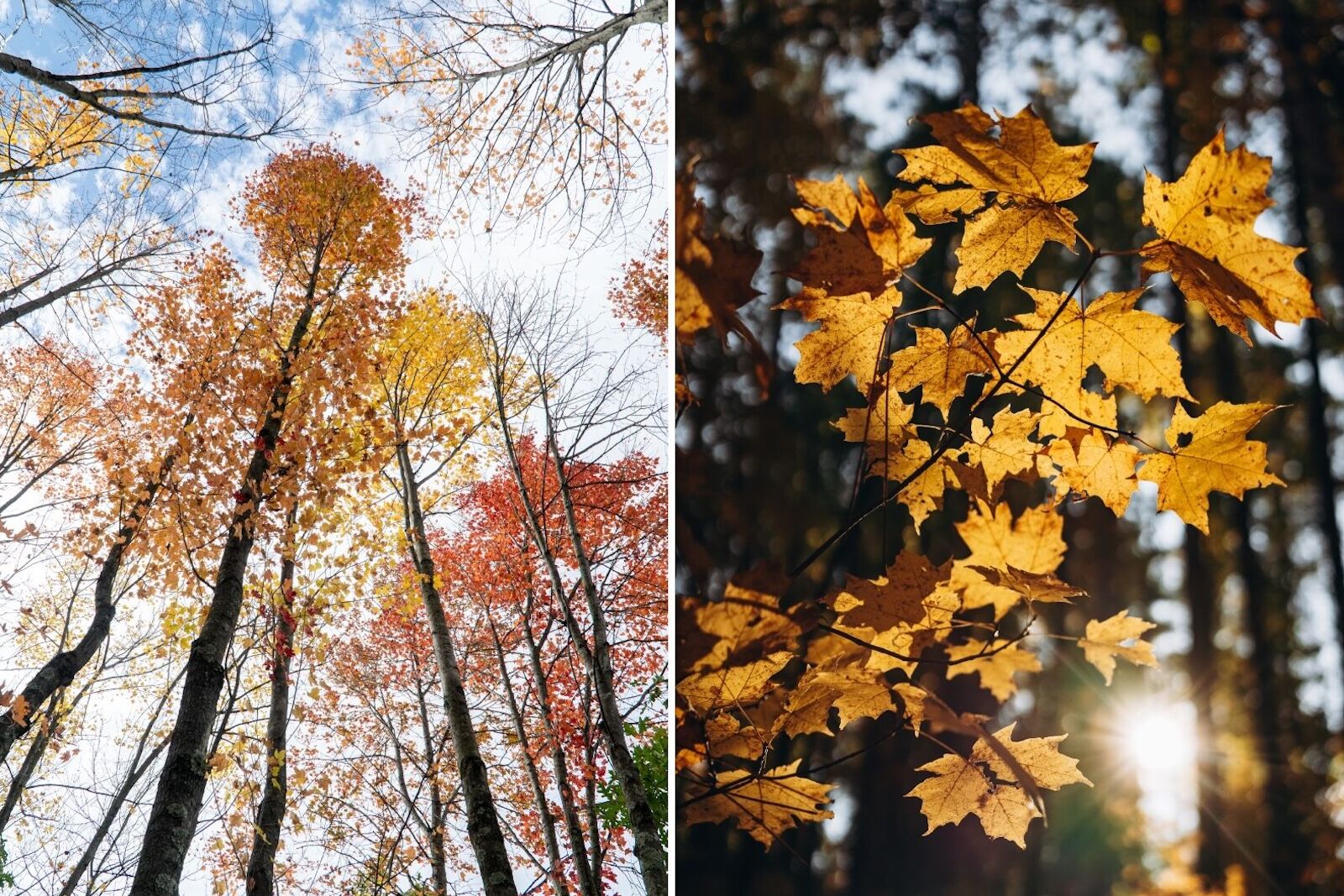
While spring brings the promise of renewal, autumn delivers a spectacle that is arguably more profound. As the chlorophyll retreats from the leaves of millions of trees across the United States, the landscape transforms into a living mosaic of crimson, burnt orange, ochre, and gold. This phenomenon—the annual migration of "leaf peepers"—has become a cornerstone of American travel, drawing millions to mountain passes, coastal towns, and river valleys alike.

The timing of this display is a delicate dance between latitude, elevation, and local weather patterns. While there is no single date to catch the peak, the season typically ripples across the country like a slow-moving fire, beginning in the high altitudes of the Rockies and the northernmost reaches of New England in mid-September, and cascading southward and toward the coast through November.
The Science and Chronology of the Change
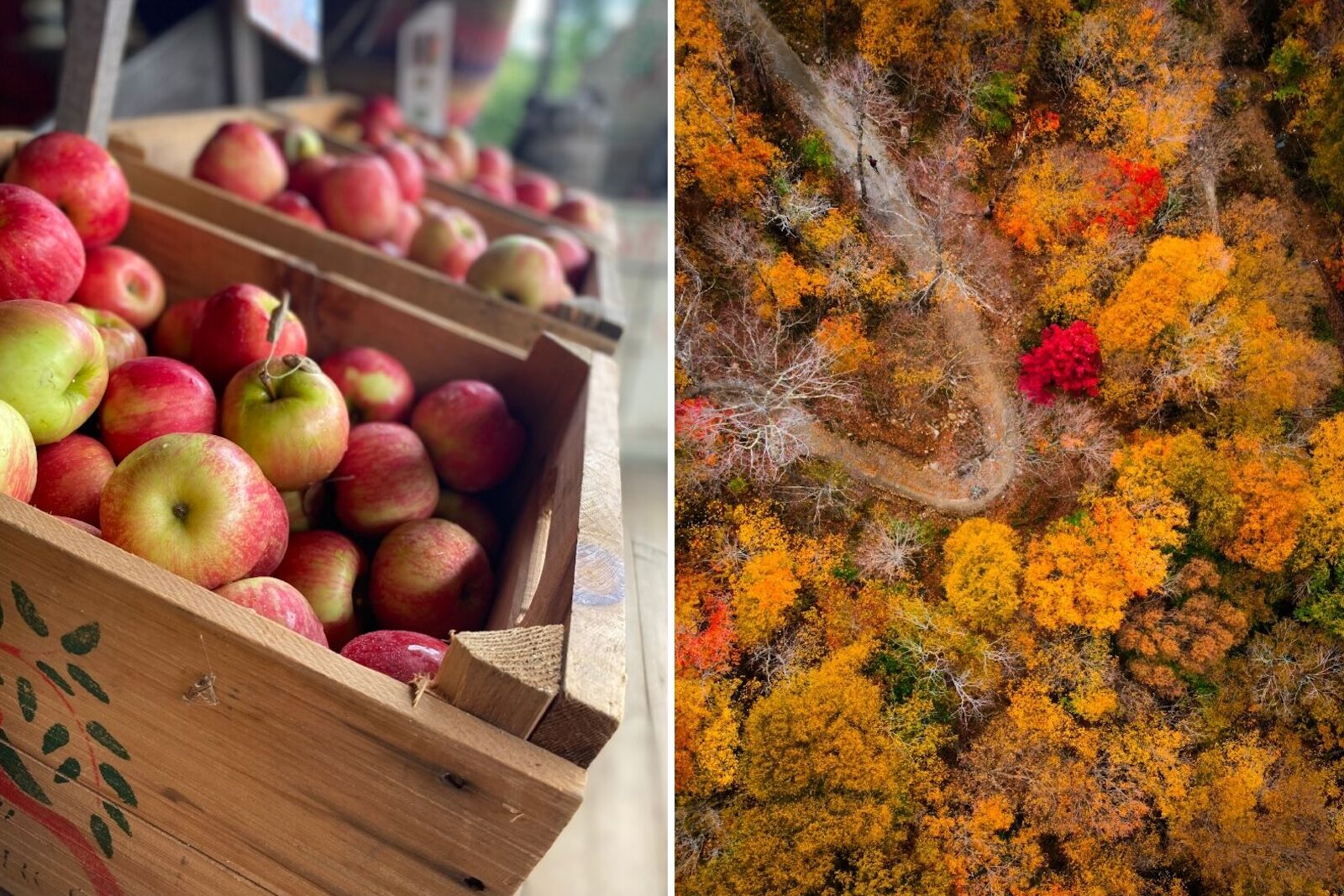
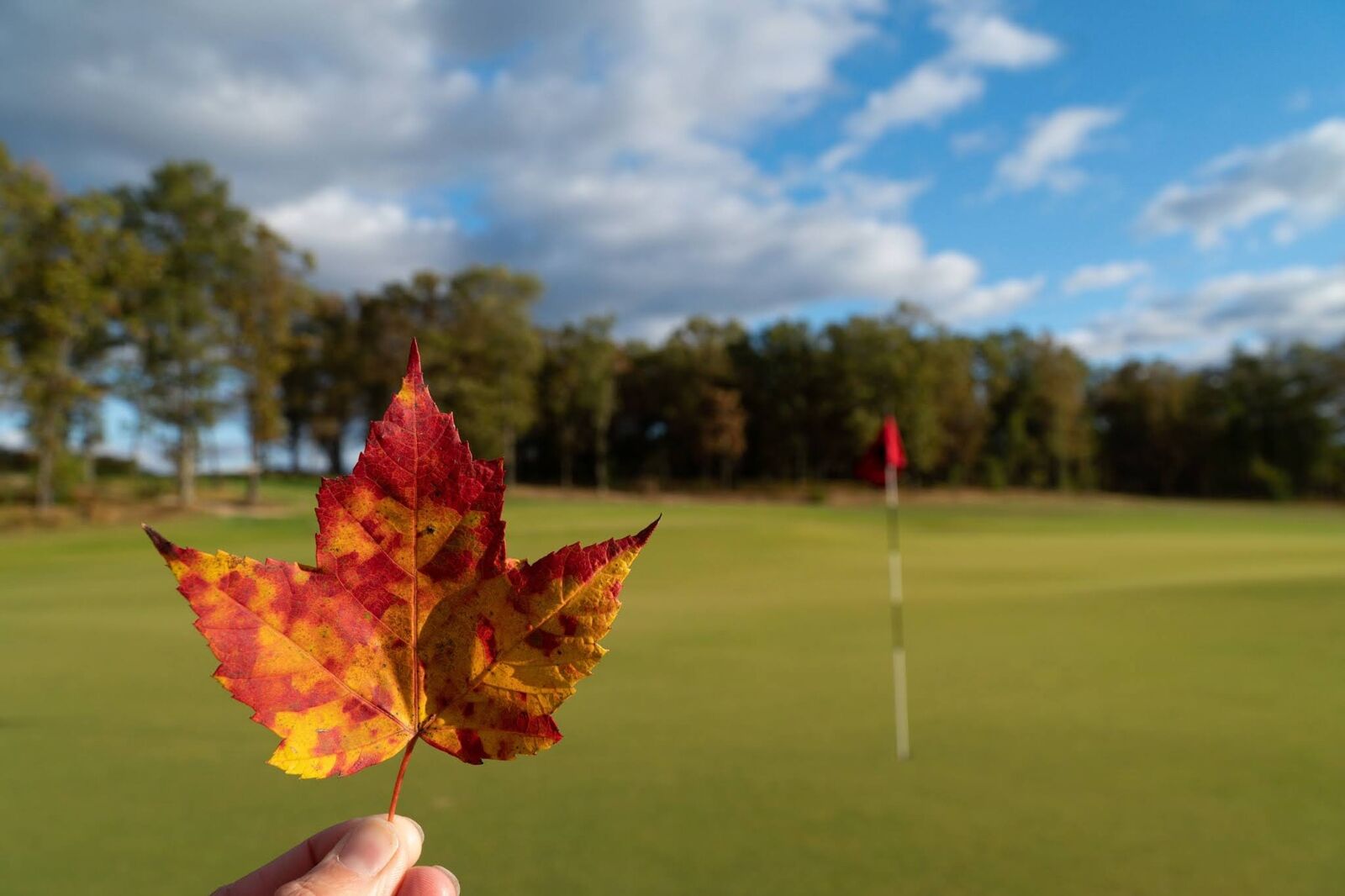
The "turning" of the leaves is a biological response to shortening daylight hours and cooling temperatures. As trees prepare for winter, they seal off the vessels that transport water to their leaves. The green chlorophyll breaks down, finally revealing the pigments—carotenoids (yellows and oranges) and anthocyanins (reds and purples)—that were hidden all summer.
For travelers, timing is everything. Generally, the season follows a predictable chronology:
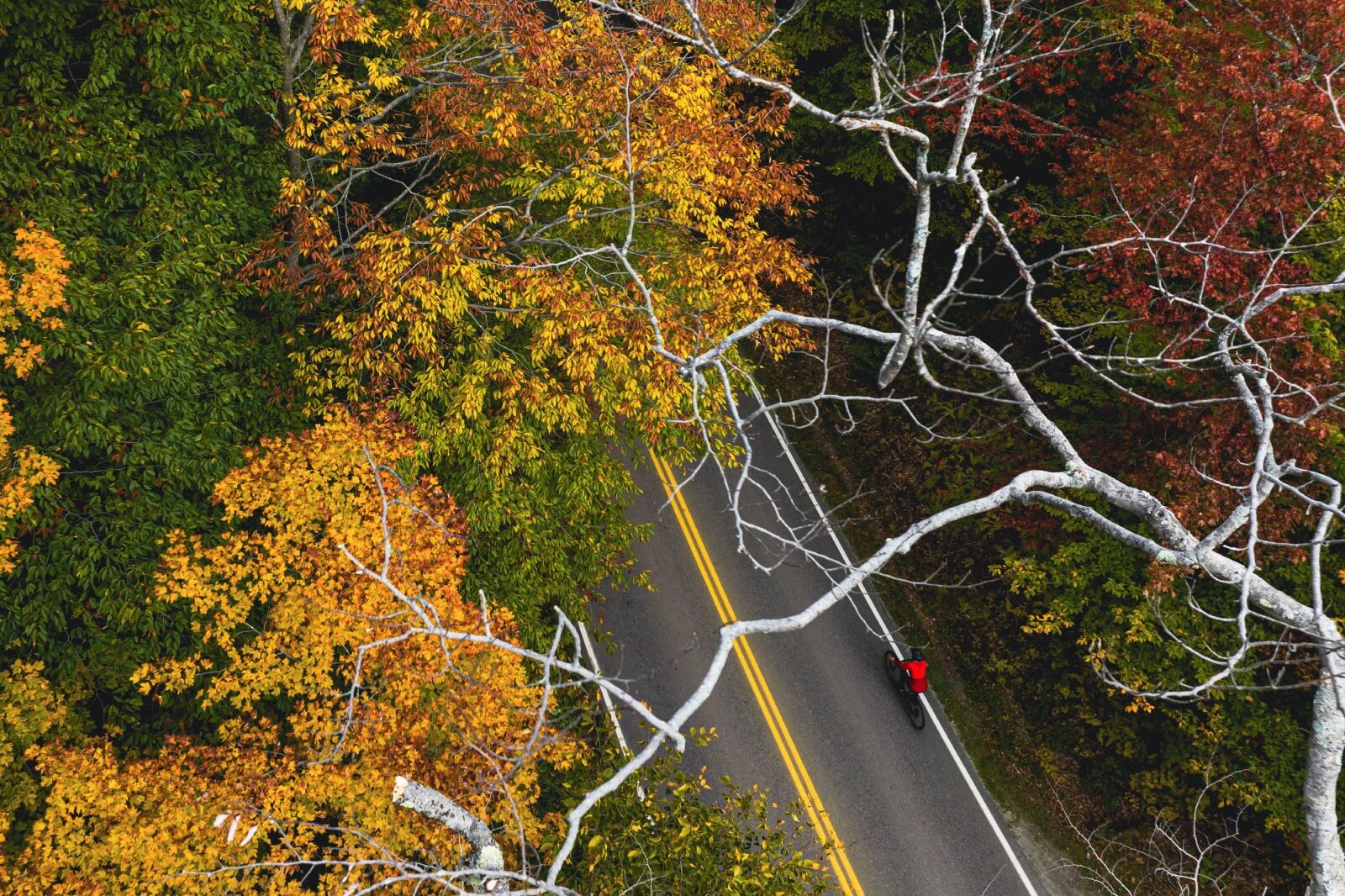
- Late September: The high peaks of the Rockies (Colorado/Utah) and the northern border of New England (Vermont/New Hampshire) experience the first flush of color.
- Early to Mid-October: The "Golden Week" for much of the Northeast, the Great Lakes, and the Appalachians.
- Late October to November: The final act, playing out in the mid-Atlantic, the Pacific Northwest, and the coastal South, where the transformation is slower and more subtle.
New England’s Gold Standard: Burlington, Vermont
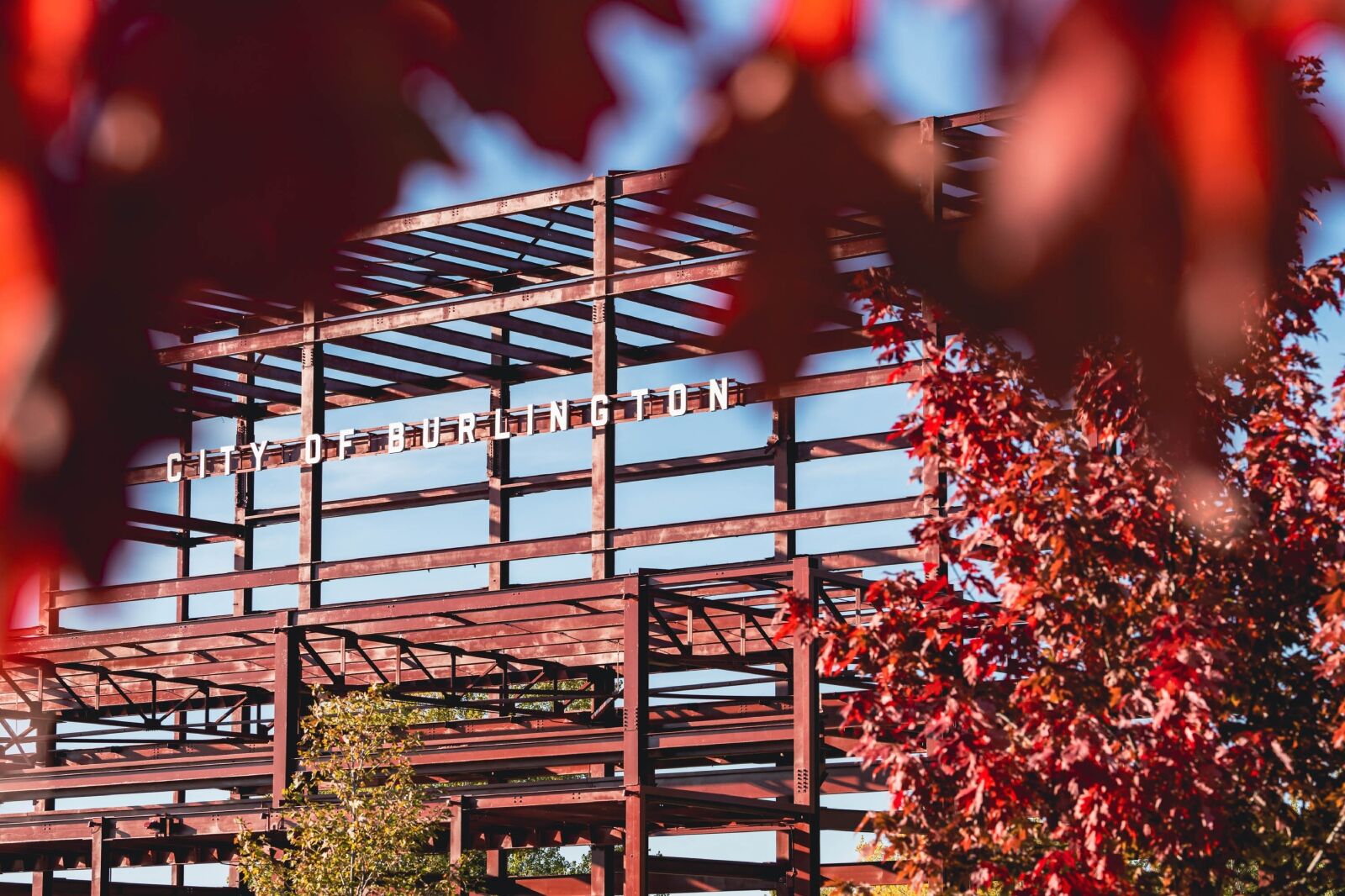
Vermont remains the undisputed titan of American foliage. In Burlington, located on the eastern shore of Lake Champlain, the spectacle is elevated by the presence of the water, which acts as a mirror for the surrounding hillsides.
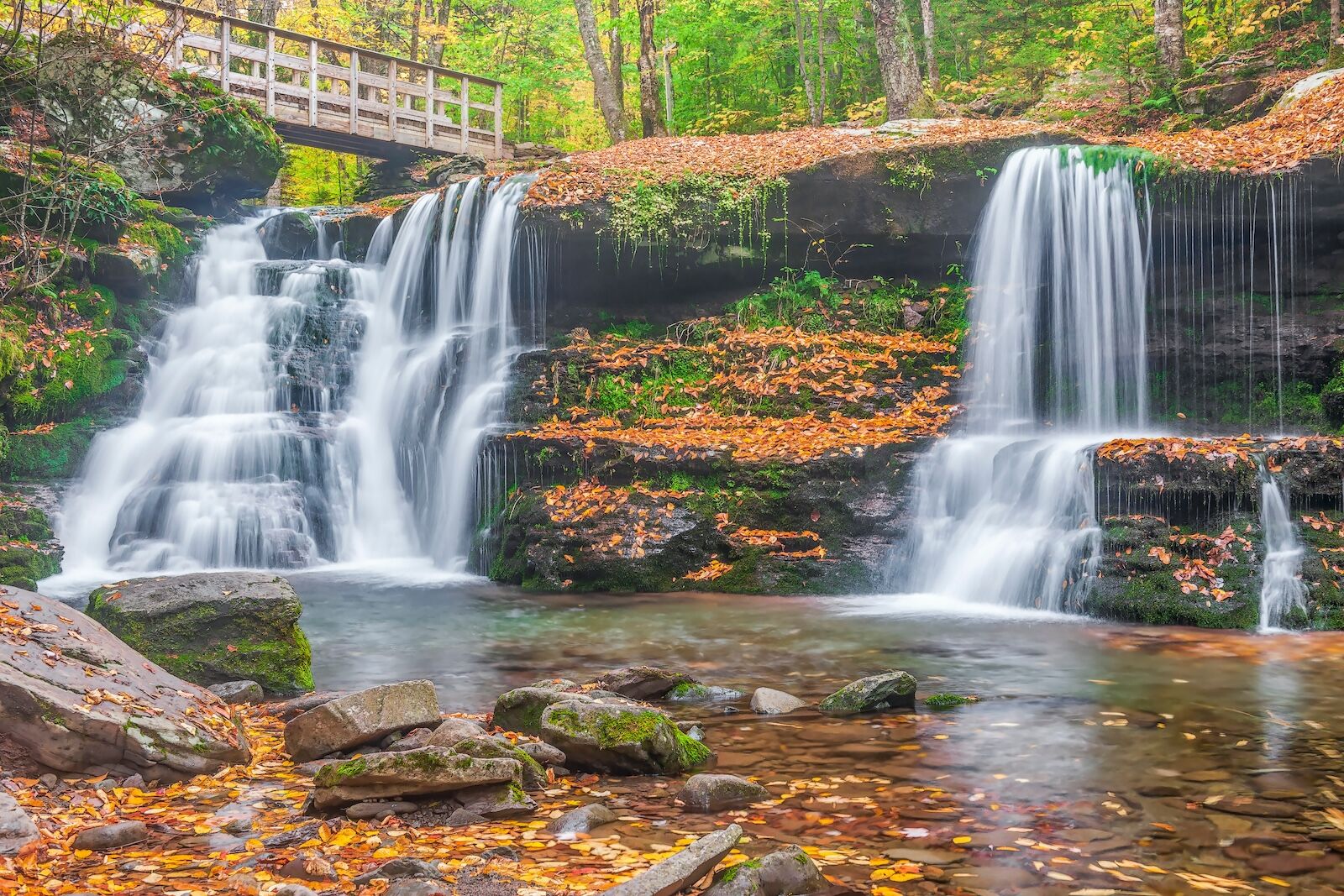
The Experience:
The city serves as a sophisticated base camp. Travelers can take to the water via the Spirit of Ethan Allen cruise for a panoramic view of the Green Mountains, or cycle the 14-mile Island Line Trail. By late September, the maples are ablaze. For those seeking a deeper dive, the Stowe Foliage Arts Festival (October 9-11, 2026) offers a chance to pair nature with local craftsmanship.
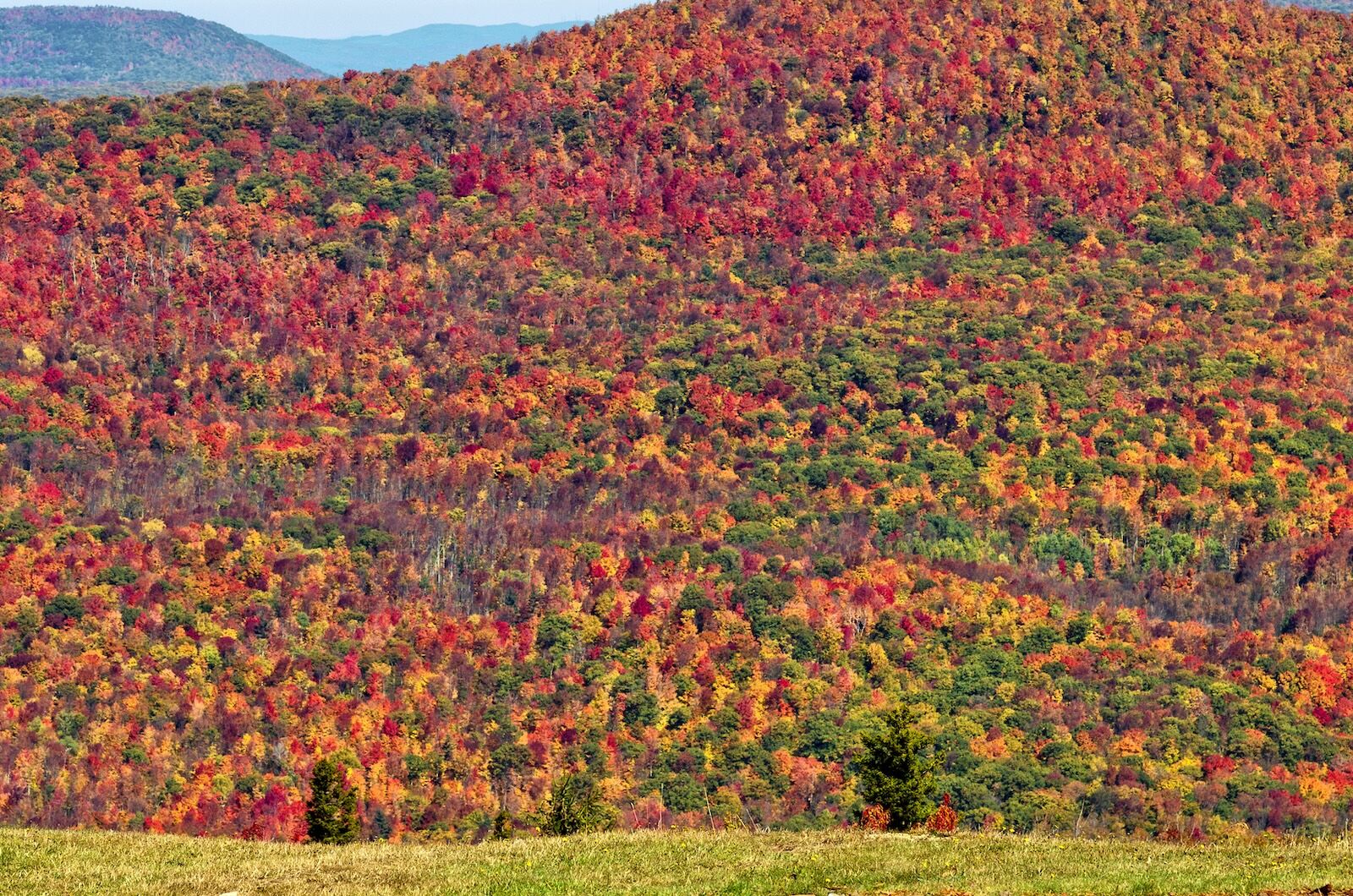
Supporting Data: The region’s microclimates mean that if you miss the peak in the city, a 30-minute drive into higher elevations often yields a second chance at the colors.
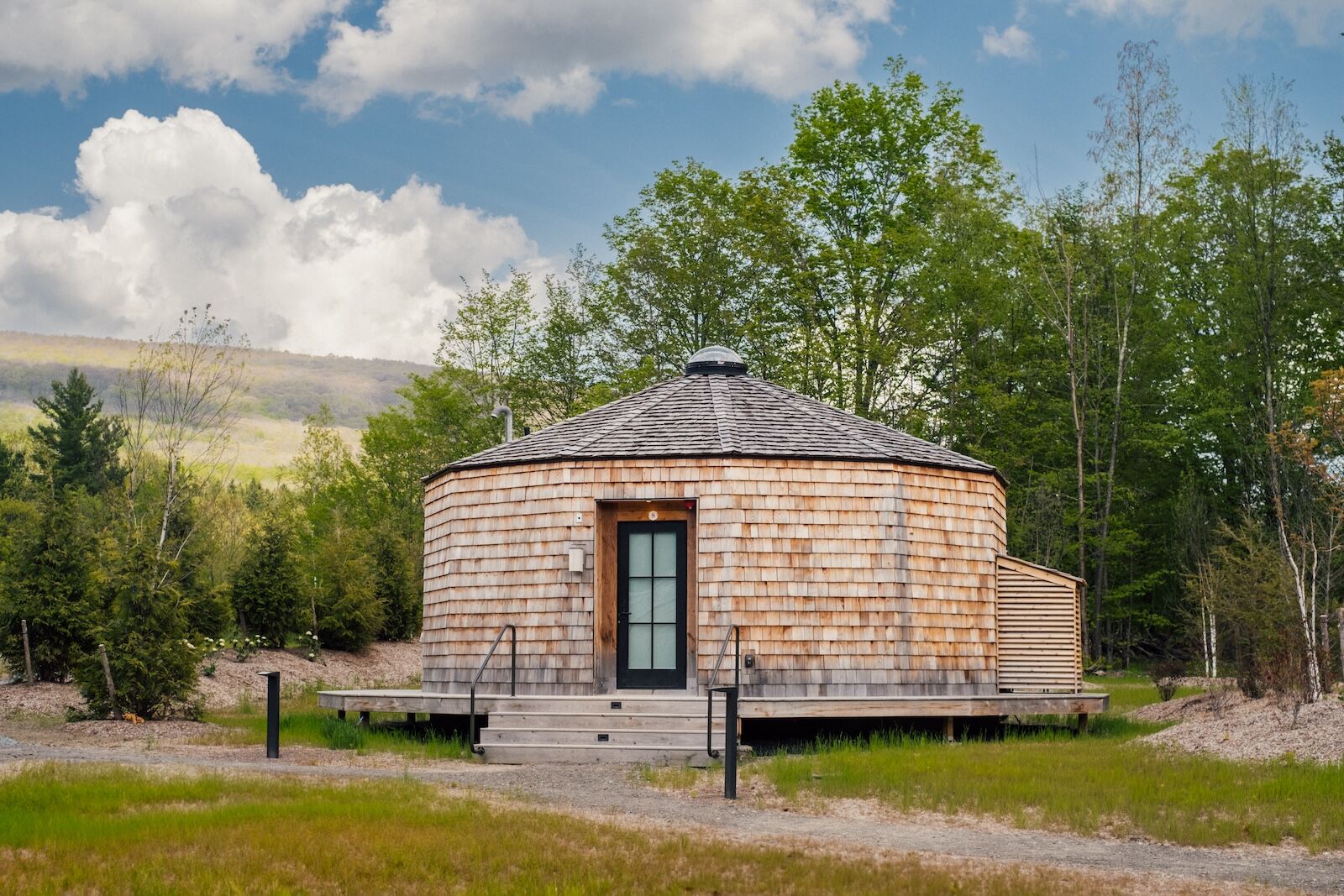
The Appalachian Spine: From New York to North Carolina
The Appalachian Mountain range serves as the backbone of Eastern foliage.
Hunter, New York
Nestled in the Catskills, Hunter offers a quintessential mountain escape. The Mountain Top Arboretum is the premier location for scientific and aesthetic observation. With over 60 bird species and a diverse canopy of maples and oaks, it is a naturalist’s paradise.
Haywood County, North Carolina
In the heart of the Great Smoky Mountains, the Blue Ridge Parkway provides 46 miles of scenic driving. By mid-October, the elevation shifts the colors from deep greens to a fiery tapestry. A hike to Waterrock Knob offers one of the most rewarding views in the Eastern United States, particularly at sunrise.

The Midwest and the Great Lakes: Traverse City and Rome
Often overlooked in favor of the coastal ranges, the Midwest offers expansive, rolling vistas that feel distinctly "Americana."

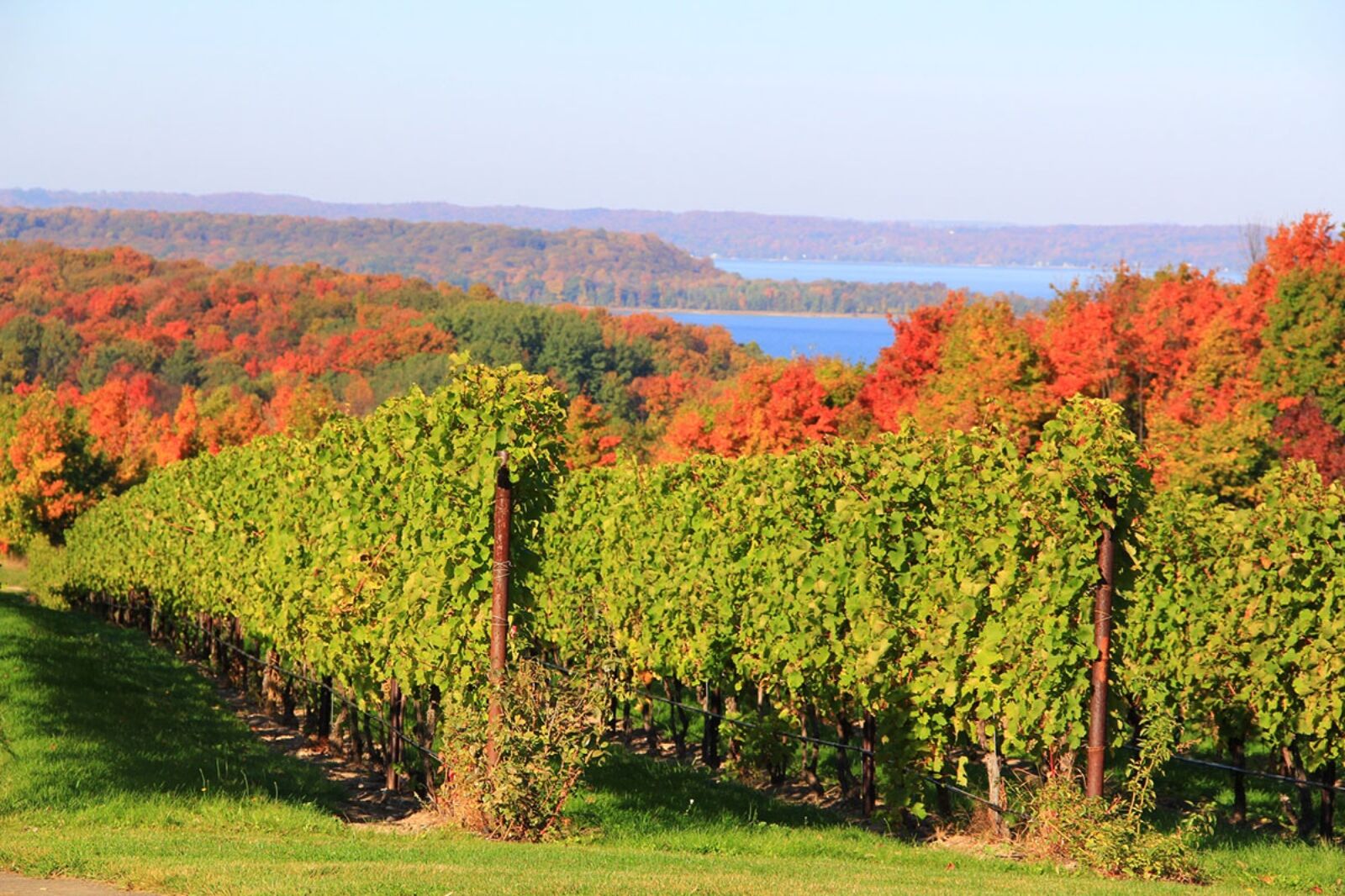
- Traverse City, Michigan: The Old Mission Peninsula is a masterpiece of viticulture and scenery. The contrast of the deep blue Grand Traverse Bay against the vineyards’ turning leaves creates a color palette unlike any other. The Leelanau Peninsula’s Harvest Days celebration in September ties the season’s bounty to the visual spectacle.
- Rome, Wisconsin: For those looking to avoid the crowds, the Tri-Norse Ski Club hosts the "Colorama" festival. The opportunity to view four counties from the top of a 55-meter ski jump provides a unique aerial perspective of the Midwest’s changing colors.
Western Peaks: Vail and Park City
In the West, foliage is less about the density of the forest and more about the brilliance of the Aspen. When the Aspens turn, they don’t just change color; they glow.
- Vail, Colorado: At 10,000 feet, the fall comes early and with intense clarity. The contrast of the golden leaves against the jagged, often snow-dusted peaks of the Rockies is breathtaking. The Hythe in Lionshead Village has leaned into this, offering guided mushroom hunting and fly-fishing experiences that allow guests to interact with the landscape rather than just observe it.
- Park City, Utah: The "shortest season" in the state, fall in the Wasatch Mountains is fleeting. The Guardsman Pass Scenic Backway is the primary artery for leaf peepers, offering access to trails like Bloods Lake, where the reflection of yellow Aspens in clear water creates an iconic high-alpine image.
Coastal Contrasts: Savannah, Georgia
While the mountains grab the headlines, the American South offers a different, more refined autumn. In Savannah, the change is subtle. The city’s historic squares, draped in Spanish moss, see their ginkgo and maple trees shift to muted golds. It is an autumn of atmosphere—cooler air, the scent of burning wood, and the city’s legendary ghost tours taking on a crisp, autumnal chill.
Implications for Travelers
The surge in "leaf peeping" popularity has significant implications for local economies and infrastructure.
- Sustainable Tourism: As regions like the Berkshires and the Catskills see increased traffic, officials encourage mid-week travel to reduce the burden on local roads.
- Climate Sensitivity: Unseasonably warm Septembers can delay the onset of color, while heavy storms can prematurely strip trees. Travelers are encouraged to consult real-time resources like the Wisconsin Fall Color Report or Georgia’s "Leaf Watch" before finalizing itineraries.
- Booking Realities: As the popularity of high-end boutique properties like the Gardiner House in Newport or Scribner’s Lodge in Hunter grows, booking cycles have shifted to 6–9 months in advance.
Conclusion: The Value of the Journey
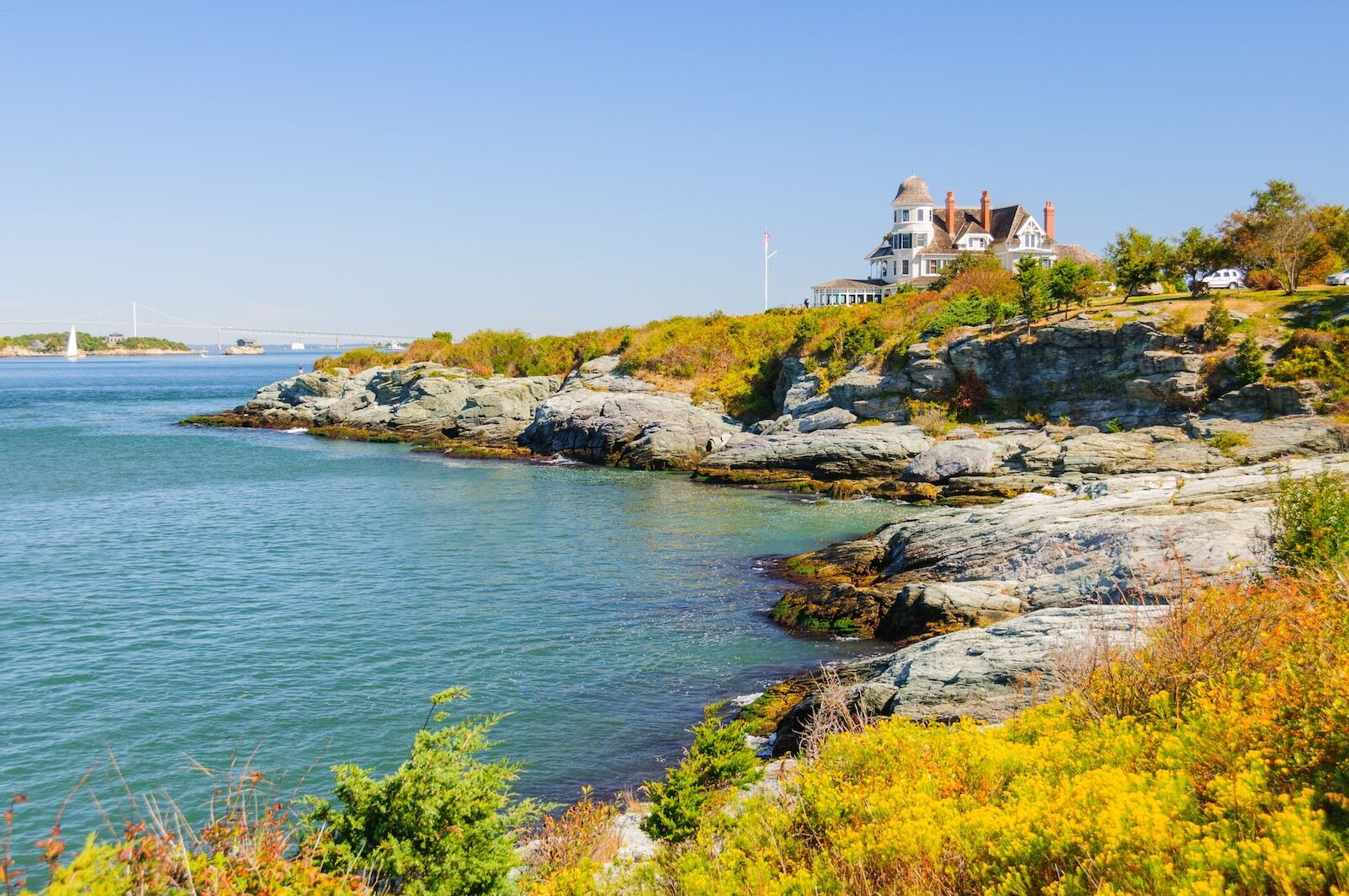
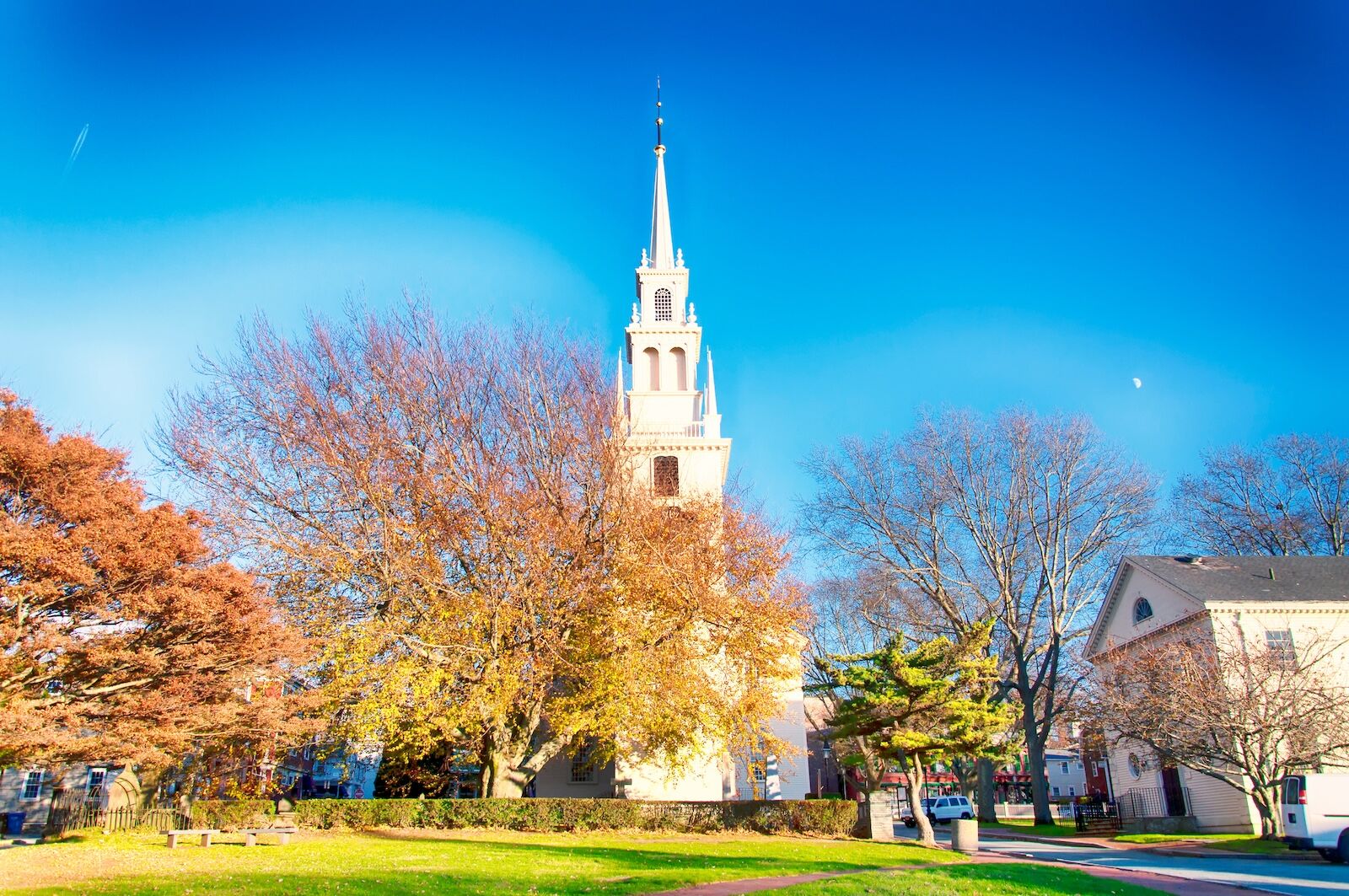
Whether you are walking the cobblestones of Newport, Rhode Island, or navigating the winding Pig Trail Scenic Byway in the Arkansas Ozarks, the common thread is the pursuit of a fleeting, natural masterpiece. The United States offers a unique advantage for the leaf peeper: a vast geographic diversity that ensures that from the Canadian border to the deep South, and from the Atlantic to the Rockies, there is always a corner of the country where the trees are currently putting on a show.

As you plan your next autumnal excursion, remember that the best spot is often the one that balances accessibility with the quiet required to truly appreciate the shift in the seasons. Pack your layers, bring your binoculars, and prepare for the quiet awe of the canopy’s final, grand performance.
Disclaimer: Matador may collect a small commission from the booking links provided in this article. All travel plans should be confirmed against local weather reports and seasonal event calendars.