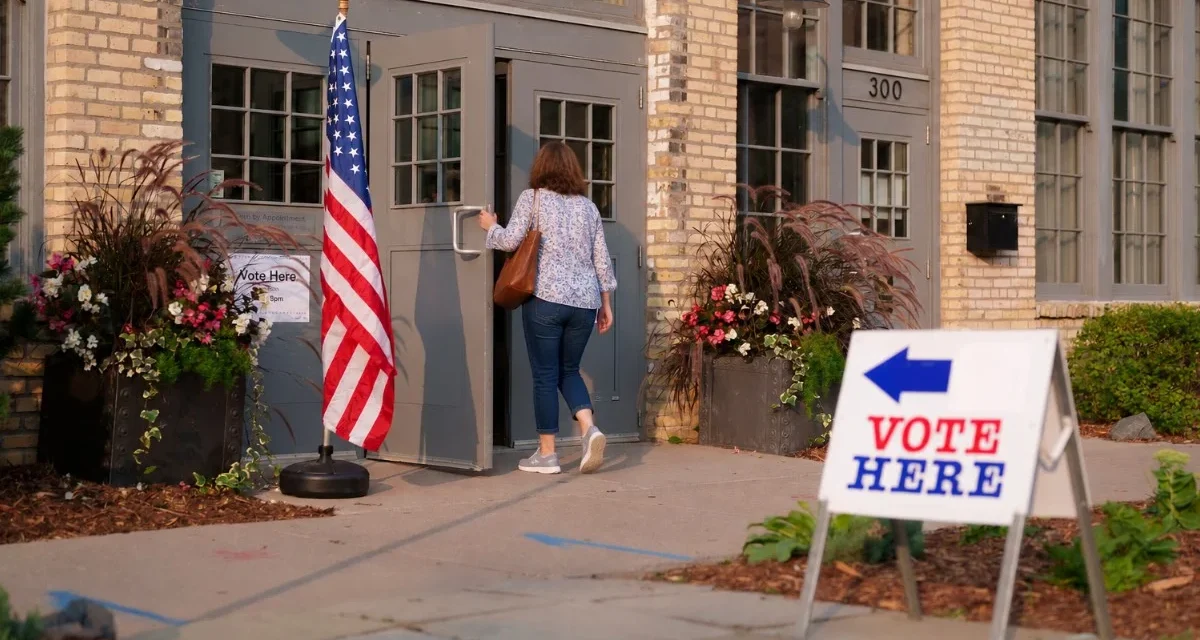
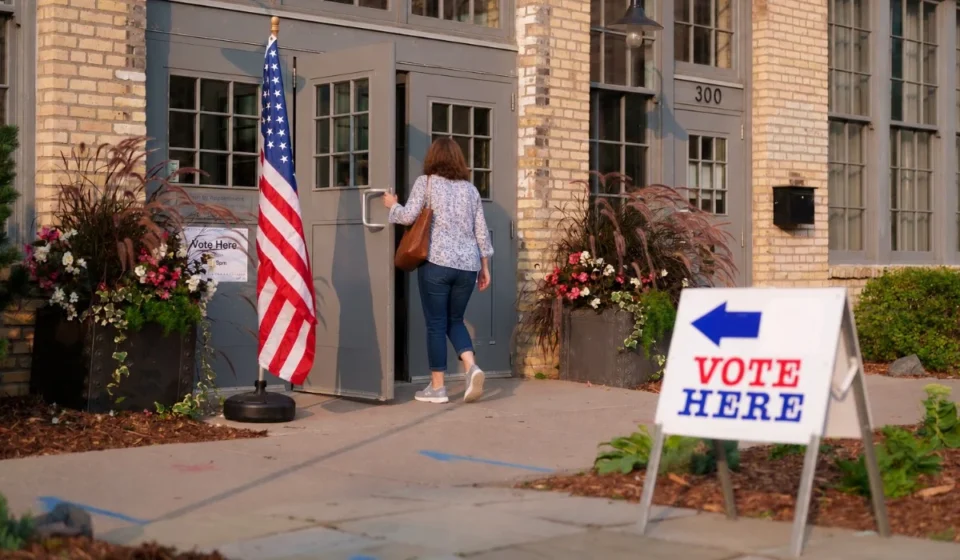
WASHINGTON — As the 2026 United States midterm elections approach on Tuesday, November 3, election officials across the country are issuing a unified warning to eligible citizens: do not assume your voter registration is up to date, even if you cast a ballot in the 2024 presidential election.
With millions of Americans relocating, changing names, or being shifted to inactive lists due to routine voter roll maintenance, verifying registration status has become a vital first step in the voting process. State and federal election authorities urge voters to check their status online, understand local registration cutoffs, and prepare required documentation well before heading to the polls.
Main Facts: Verifying Voter Registration in 2026
The centerpiece of the 2026 midterm election cycle is a nationwide push by federal and state election administrators to ensure that every eligible citizen is properly registered at their current residential address.
According to election administrators, address inaccuracies represent one of the primary causes of delay and confusion at polling places on Election Day. A change in address within the same county or state can alter a voter’s precinct, changing which local, state, and federal candidates appear on their ballot, as well as where they must physically vote.
To combat voter confusion, federal agencies and nonpartisan organization networks offer secure digital verification tools:
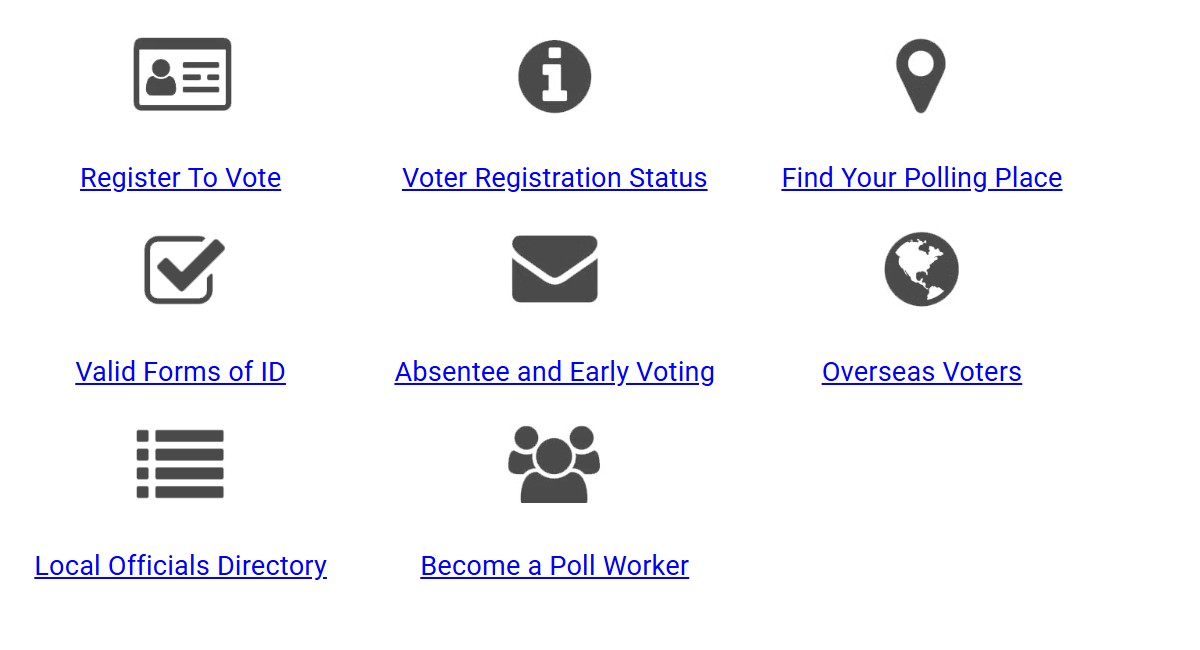
Federal Gateways: The U.S. government maintains official voter tools via Vote.gov and USA.gov. These platforms route users directly to their state election office database without charging fees or requiring sensitive commercial memberships.
State Associations: The National Association of Secretaries of State (NASS) sponsors the nonpartisan Can I Vote portal, allowing users to verify their voter status in minutes.
Commercial Warning: Officials emphasize that voters should never pay a third-party vendor or private commercial service to check registration or submit an address update. Official services provided by state governments are always free of charge.
If a registration search yields an active status, the system typically provides the voter’s assigned polling place, district information, and sample ballot details. If the system returns an inactive status or no record at all, immediate corrective action is necessary.
Chronology of Key Voting Deadlines Leading to November 3
Understanding the timeline of the 2026 election cycle is critical for voters attempting to navigate state-specific registration laws. Because the U.S. Constitution grants states the authority to run elections, registration deadlines vary widely across state lines.
+-------------------------------------------------------------------------------+
|                        2026 MIDTERM ELECTION TIMELINE                         |
+-------------------------------------------------------------------------------+
| Late Summer / Early Fall 2026  : Routine voter roll maintenance completed.    |
| Early October 2026             : First wave of strict state registration      |
|                                  deadlines (28-30 days prior to election).   |
| October 13, 2026               : Pre-registration deadline in Minnesota and    |
|                                  several mid-tier deadline states.            |
| Late October 2026              : Early voting in-person and mail-in ballot    |
|                                  processing nationwide.                       |
| November 3, 2026 (Election Day): Polls open nationwide. Same-Day Registration |
|                                  available in select states (e.g., Minnesota).|
+-------------------------------------------------------------------------------+
1. Pre-Election Roll Maintenance (Late Summer–Early Fall 2026)
In the months leading up to the election, county voter registrars perform routine maintenance under federal guidelines, sending confirmation cards to residents who have not voted recently or who appear to have moved based on Postal Service change-of-address data.
2. The Standard 30-Day Deadline Wave (Early October 2026)
A significant number of states enforce registration cutoffs 28 to 30 days prior to Election Day. Voters residing in these jurisdictions who missed the early October deadlines are unable to participate in the November 3 election, as these states do not permit same-day or Election Day registration.
States like Minnesota set mid-month advance registration deadlines. October 13, 2026, marked the pre-registration cutoff for Minnesota voters wishing to appear on the pre-printed precinct rosters on Election Day. Passing this deadline does not disqualify Minnesota residents, but it shifts them into the Same-Day Registration workflow.
4. Election Day (Tuesday, November 3, 2026)
Polling places nationwide open between 6:00 AM and 7:00 AM local time and remain open until 8:00 PM. Under federal law, any voter who is standing in line at their assigned polling location when the polls close at 8:00 PM is legally entitled to cast their ballot.
Supporting Data: State-by-State Rules and the Minnesota Model
Voter registration framework in the United States falls into three main operational categories:
Strict Advance Registration States: Require voter registration applications to be received up to 30 days before Election Day. No late registrations are accepted for the active cycle.
Exempt Jurisdictions: North Dakota remains the sole state without a formal voter registration requirement. Citizens simply present proof of identity and residence at the polls.
Same-Day / Election Day Registration (SDR) States: Allow eligible citizens to register or update their address in person on Election Day or during early voting windows.
Comprehensive Overview of State Registration Protocols
State Category
Advance Deadline
Same-Day Registration Available?
Key Requirements
Strict Cutoff States
21–30 days prior
No
Strict pre-processing; provisional ballots used if record missing.
North Dakota
None
N/A (No registration)
Valid ID with current address required at polling place.
Same-Day States (e.g., Minnesota)
~21 days prior (Pre-registration)
Yes (In-person on Election Day)
Proof of residence required at polling station.
State Registration Models Across the U.S.
+----------------------------------------------------------+
| [Strict Advance States]  --> Registration closed weeks ago|
| [North Dakota]           --> No registration required     |
| [Same-Day States (MN)]   --> Register at polls Nov 3      |
+----------------------------------------------------------+
The Minnesota Registration System
Minnesota presents a prominent example of Same-Day Registration mechanics. While the state’s advance registration closed on October 13, state law guarantees that eligible residents can register in person at their polling site on November 3.
To check registration status prior to arriving at the polls, voters use the online Minnesota voter registration lookup, entering their full name, date of birth, and residential address.
Valid Photo Identification with Current Address: A current Minnesota driver’s license, learner’s permit, or state ID card reflecting the voter’s current address.
Photo ID Plus Proof of Residence Document: An expired driver’s license, tribal ID, U.S. passport, or student ID, paired with a utility bill, bank statement, or residential lease issued within the past 30 days (delivered physically or displayed digitally on a smartphone).
Voucher System: A registered voter from the same precinct who can sign an oath confirming the new voter’s residence.
Notice of Late Registration: A confirmation notice mailed by the county auditor if an application was submitted after the October 13 deadline.
Official Responses and Administrative Guidance
Election directors, state Secretaries of State, and nonpartisan voter advocacy groups have issued detailed instructions to resolve record discrepancies and prevent long lines on Election Day.
Inactive Status vs. Voter Purges
A common point of confusion for voters is the distinction between an "inactive" status and a complete removal from voter rolls.
"An inactive registration does not automatically mean an individual has lost their constitutional right to vote," stated guidance from election officials. "Inactivation is an administrative hold indicator. It typically occurs when postal mailings are returned as undeliverable, or when a voter has not interacted with the election system over multiple federal election cycles."
Officials advise voters who find an inactive record to:
Re-verify the spelling of their legal name and double-check former street addresses.
Contact their city or county election office immediately to reactivate the profile or determine if new documentation is required.
       +---------------------------------------------------+
       |    Voter Checking Status on State/NASS Portal     |
       +---------------------------------------------------+
                                 |
                +----------------+----------------+
                |                                 |
        [Active Record]                  [Inactive / Missing]
                |                                 |
   - Verify assigned polling site    - Check spelling & past addresses
   - Note Voter ID requirements      - Contact county election office
   - Cast standard ballot Nov 3      - SDR state: Bring proof of address
                                     - Non-SDR state: Provisional ballot
Provisional Ballots and Security Verification
In states without Same-Day Registration, voters whose names do not appear on the precinct register may be offered a provisional ballot.
Under the Help America Vote Act (HAVA), provisional ballots are set aside in secure packaging while local election boards investigate the voter’s eligibility. If officials verify that the individual was legitimately registered and eligible to vote in that precinct, the ballot is unsealed and counted during the post-election canvass. If eligibility cannot be verified, the ballot remains uncounted, and the voter receives notification explaining the decision.
Direct Assistance Channels
State election authorities urge voters to utilize official hotlines rather than relying on unverified social media information.
Minnesota Hotline: Minnesota voters seeking real-time assistance regarding precinct shifts, proof of residence, or registration status can reach the Secretary of State’s election division directly at 1-877-600-8683.
National Portal: Voters outside Minnesota are directed to Vote.gov or their respective State Department websites.
Implications for Voter Access, Turnout, and Election Security
The mechanics of voter registration policies carry systemic implications for voter turnout, poll site administration, and public confidence in election outcomes.
Impact on Voter Turnout
Academic studies and historical election data show a correlation between state registration frameworks and overall voter participation:
Higher Participation in SDR States: Jurisdictions offering Same-Day Registration consistently record higher voter turnout rates—often 5 to 7 percentage points above states with 30-day advance registration deadlines. SDR removes administrative barriers for young voters, renters, and mobile populations who are more likely to move frequently.
Administrative Load at Polling Places: SDR shifts a portion of the administrative burden to Election Day itself. Election judges and poll workers must be trained to process new voter applications, inspect proof of residence documents, and issue correct ballots in real time, requiring robust staffing and technical infrastructure.
Concurrently, state election officials face federal mandates under the National Voter Registration Act (NVRA) to maintain accurate voter rolls. Regular list maintenance prevents voter fraud, reduces administrative overhead, and ensures accurate mail-in ballot distribution.
The primary policy challenge for election administrators lies in balancing list accuracy with voter access—ensuring that inactive records are cleaned without inadvertently disenfranchising legitimate, eligible voters who simply vote infrequently.
Essential Checklist for Voters Before Election Day
To ensure a smooth experience on Tuesday, November 3, election administrators advise all voters to complete the following checklist prior to departing for the polls:
Check Registration Status: Confirm active status through Vote.gov, Can I Vote, or your state election portal.
Verify Polling Location: Re-check your designated polling site via USA.gov. Polling places can shift due to redistricting or facility availability, and voting at the wrong precinct may invalidate your ballot.
Review Identification Requirements: Determine your state’s voter ID rules. While registered voters in states like Minnesota generally sign in without showing photo ID, first-time voters or those registering on Election Day must provide specific, qualifying identification and proof of residence.
Prepare Registration Documents: If you reside in an SDR state and need to register or update an address on Election Day, gather required utility bills, government IDs, or bank statements in advance.
Know Your Rights: If you are in line when polls close at 8:00 PM, stay in line. You have the legal right to cast your ballot.