




















































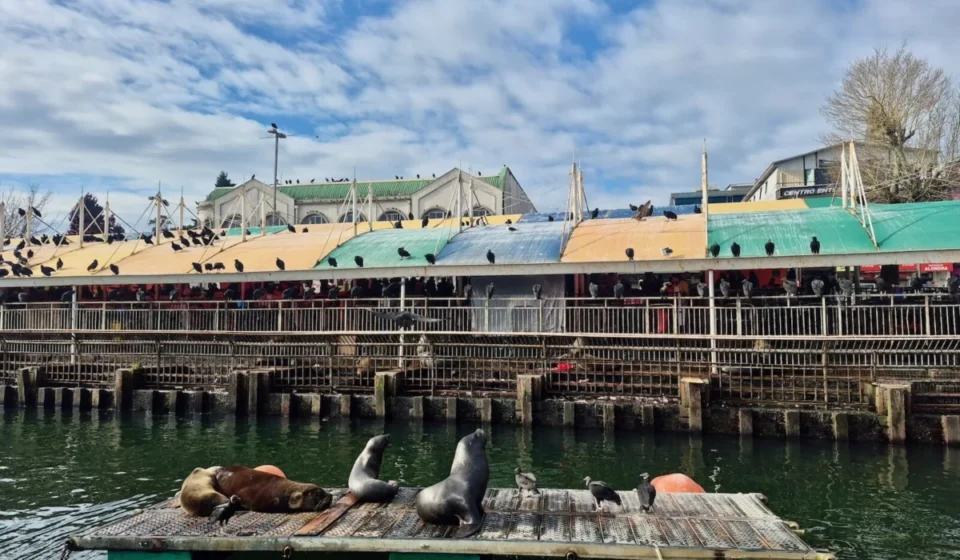

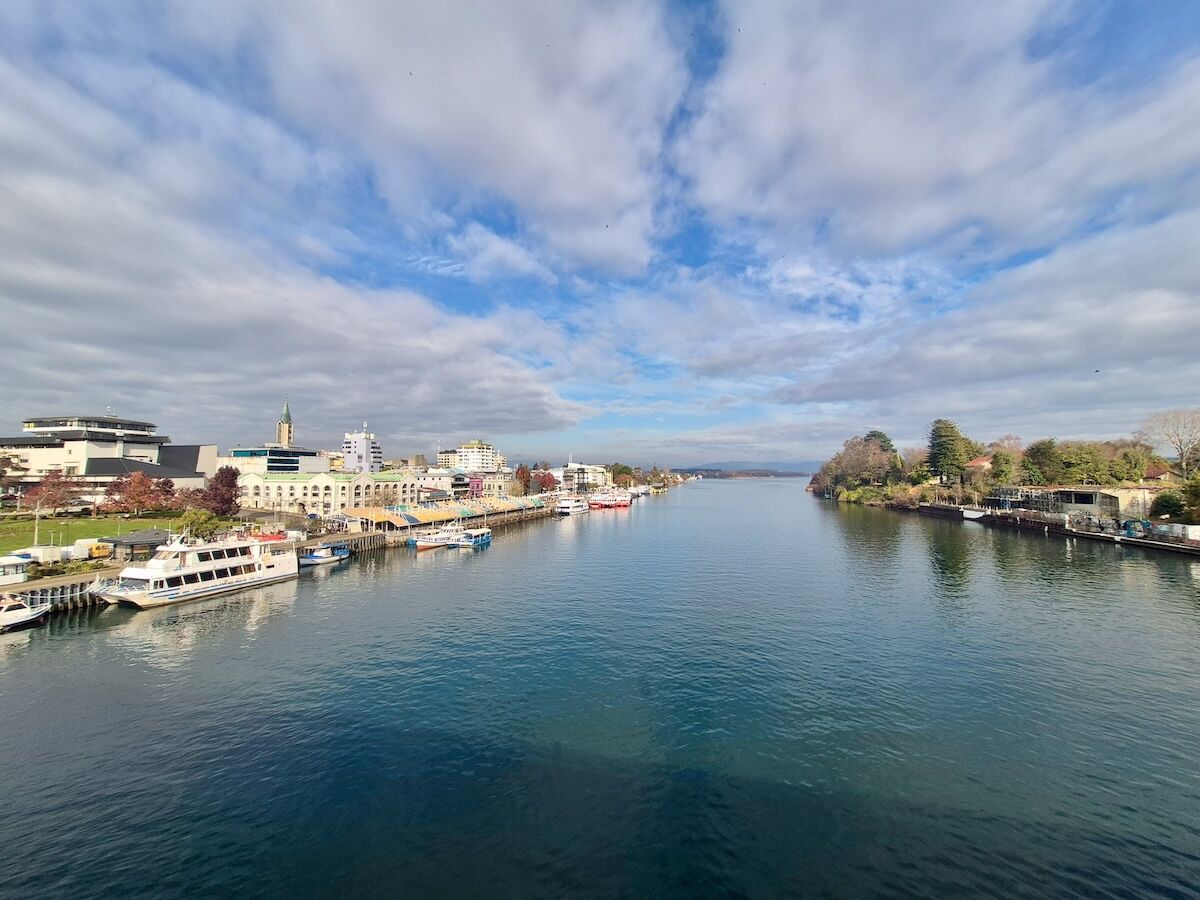
In the southern reaches of Chile, where the Andean foothills dissolve into a labyrinthine network of rivers and temperate rainforests, lies Valdivia. Often overshadowed by the dramatic peaks of Patagonia or the bustling streets of Santiago, this "City of Rivers" offers a unique synthesis of German immigrant heritage, seismic resilience, and a modern craft beer revolution. From the haunting remains of colonial fortresses to the industrial-chic brewpubs that now define its nightlife, Valdivia is a destination that demands both a historical perspective and a thirst for discovery.
The Main Facts: A Convergence of Culture and Climate
Valdivia is the capital of the Los Ríos region, a territory defined by its water. It is a city where history is not merely preserved in books but is physically etched into the landscape. The city’s identity is anchored by three primary pillars: its profound German-Chilean brewing tradition, its geography shaped by the most powerful earthquake in recorded history, and its status as a gateway to the Pacific coastline.
The city’s climate—frequent, mist-heavy rainfall—has ironically become its greatest economic asset. This pristine, abundant water supply is the secret ingredient behind the local craft beer industry. Visitors arriving today find a city that has reconciled its colonial past with a forward-thinking, artisanal present, making it the undisputed beer capital of Chile.
Chronology: From Colonial Conquest to Craft Renaissance
The 19th Century: The German Influence
The seeds of Valdivia’s current fame were sown in the 1850s, when the Chilean government launched an aggressive colonization initiative to boost the nation’s economy. German immigrants arrived in droves, bringing with them a sophisticated knowledge of agriculture and, crucially, brewing. In 1851, Carlos Anwandter founded one of the nation’s first commercial breweries. While his original facility did not survive the tumultuous years that followed, his legacy became the bedrock of the local economy.
1960: The Great Chilean Earthquake
On May 22, 1960, the Valdivia earthquake—measuring a staggering 9.5 on the moment magnitude scale—changed the city forever. The event did more than destroy buildings; it physically altered the topography. The land sank by up to six-and-a-half feet, transforming dry plains into the lush Estancilla wetlands and permanently shifting the flow of the rivers. This cataclysmic event, while tragic, created the unique, water-rich environment that modern visitors traverse by boat today.
The 1990s–Present: The Brewing Revival
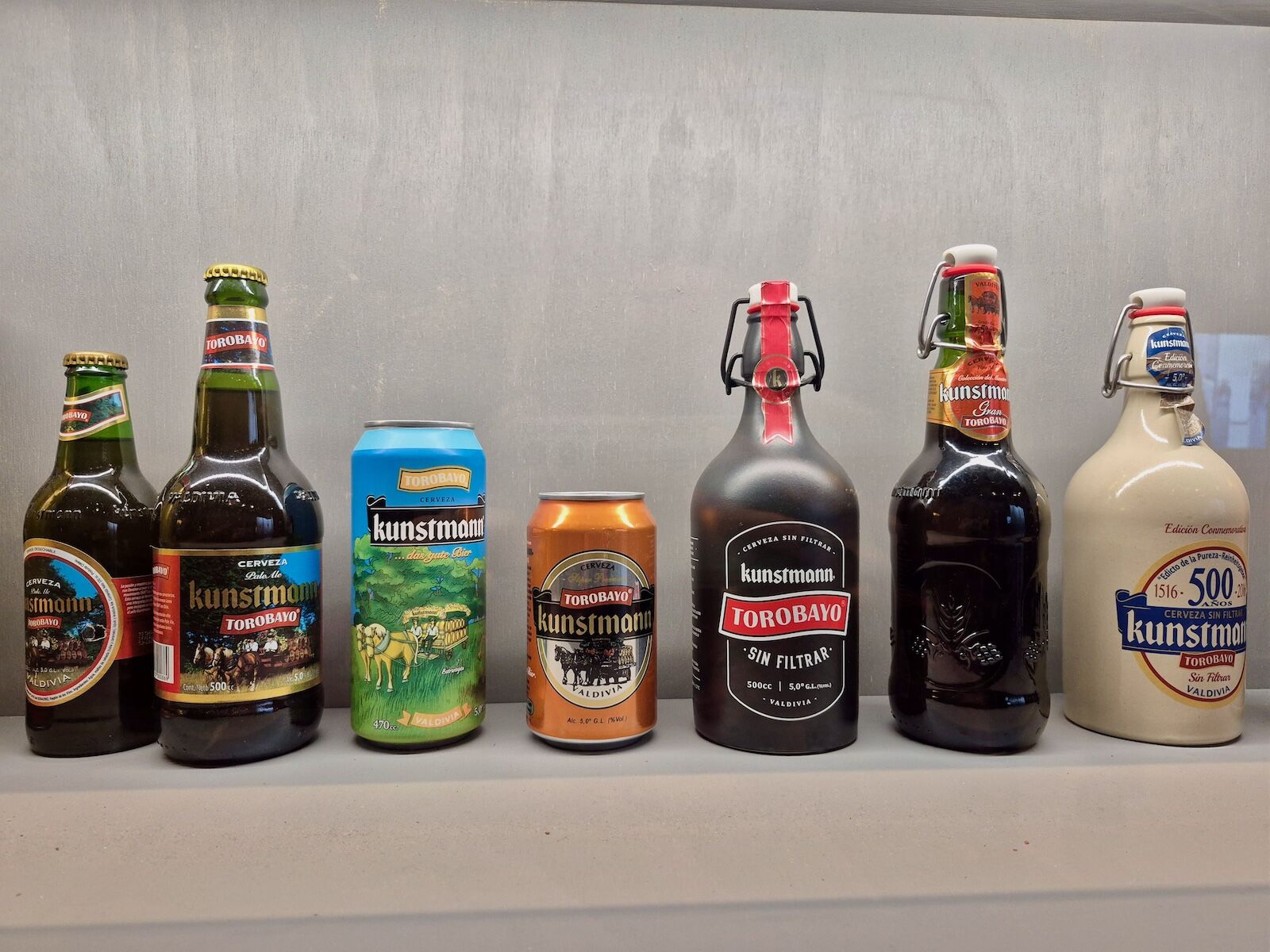
The modern era of Valdivian brewing began in the 1990s, when Armin Kunstmann sought to honor the traditions of his ancestors. By establishing Cervecería Kunstmann, he tapped into a historical consciousness that had laid dormant for decades. Since then, the scene has evolved from strict German adherence to a diverse tapestry of Belgian, American, and experimental craft styles, turning the city into a global destination for beer enthusiasts.
Supporting Data: The Anatomy of the Beer Capital
The success of Valdivia’s breweries is not a matter of chance; it is a result of specific environmental and cultural factors.
- Hydrological Advantage: The Valdivian rainforest provides a constant, high-quality water source. Breweries like Kunstmann emphasize the "delicate relationship" between this water and their production.
- Economic Impact: The brewing industry serves as a major draw for domestic and international tourism, bolstered by the annual Kunstmann Bierfest, held between late January and February.
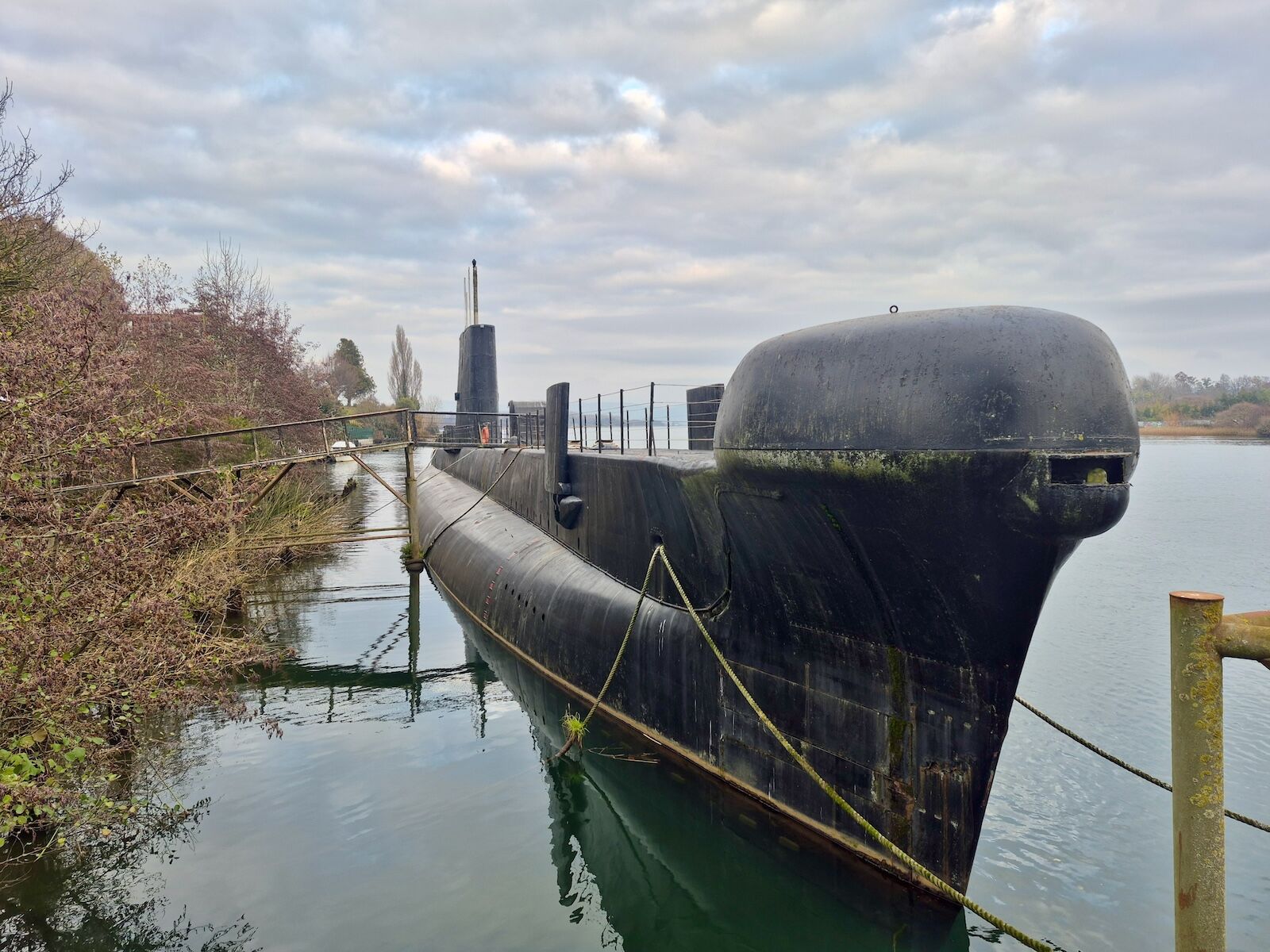
- Accessibility: The tourism infrastructure is built around the rivers. For example, a 40-minute tour of the decommissioned O’Brien submarine—a remnant of the Chilean Navy—provides a unique look at the city’s naval history, with tickets costing roughly $4 (4,000 pesos).
- Public Transit: Travelers navigating between the city center and the coastal town of Niebla rely on a well-established micro (bus) network, with fares under $1 USD, ensuring that the city’s historical sites remain accessible to budget-conscious travelers.
Official Perspectives: Preserving Heritage in a Changing Climate
Local historians and business owners in Valdivia maintain a delicate balance between modernization and historical preservation. According to curators at the Museum of History and Anthropology—housed in the surviving home of Carlos Anwandter on Isla Teja—the challenge lies in educating the public on the city’s fragility.
"We are not just a city of beer," explains a local guide from the Kimeltu Los Rios tourism collective. "We are a city that survived the end of the world in 1960. Every glass of beer and every boat tour is a testament to the resilience of our people."
The municipal government has leaned into this, protecting colonial-era sites like the Castillo de Niebla while simultaneously supporting the growth of the craft sector. Official responses to the rising tourism demand have focused on sustainable development, ensuring that the influx of visitors to the wetlands does not compromise the delicate ecosystem that makes the local beer production possible.
Implications: The Future of Valdivia
The Shift Toward Global Craft
While the German heritage remains the city’s "claim to fame," the implication of the current scene is a movement toward global integration. Establishments like El Growler, founded by Oregon-born Joel Driver, represent the next chapter. By blending American IPA styles with local Chilean ingredients and a casual, industrial-chic aesthetic, these new-wave brewers are ensuring that Valdivia does not become a static "museum city."
Environmental Stewardship
The reliance on the Valdivian rainforest and the Estancilla wetlands for water quality carries a significant implication: environmental protection is no longer optional; it is an economic necessity. The tourism industry has begun to mirror this, with more operators offering guided tours that emphasize the ecology of the rivers alongside the history of the breweries.
Infrastructure and Connectivity
As Valdivia continues to grow as a tourist hub, the reliance on the Pichoy Airport and the connectivity to the Carretera Austral (Route 7) will likely see further investment. For the traveler, this means that while the city retains its rustic, river-bound charm, it is becoming increasingly easy to incorporate Valdivia into a larger Chilean road trip.
Travel Logistics: A Practical Guide
For those planning to immerse themselves in the Valdivian experience, preparation is key.
- Accommodation: The Hotel Puerta del Sur on Isla Teja is recommended for its proximity to both the Jardín Botánico and the city’s vibrant brewery scene. Its amenities, such as barrel hot tubs, offer a perfect vantage point for viewing the Cruces River.
- Tours: For non-Spanish speakers, it is imperative to book tours—particularly brewery tours and historical boat excursions—in advance. While the city is welcoming, the demand for bilingual guides often exceeds supply.
- The Submarine Experience: Visiting the O’Brien requires physical agility. The tight hatches and bulkheads are a sobering reminder of the realities of naval life. It is highly recommended to visit before partaking in the local beer and kuchen (German-style cake) culture.
- Budgeting: While credit cards are accepted in many restaurants, having small denominations of Chilean pesos is essential for the local micro buses and some smaller waterfront ticket kiosks.
In conclusion, Valdivia is a city of layers. It is a place where you can spend your morning crawling through the torpedo tubes of a retired submarine, your afternoon learning about the seismic history of the wetlands, and your evening debating the merits of a hop-forward IPA in an industrial-chic beer garden. It is a destination that proves, quite literally, that some of the best things in life are born from the water, the earth, and the persistence of human tradition.