





































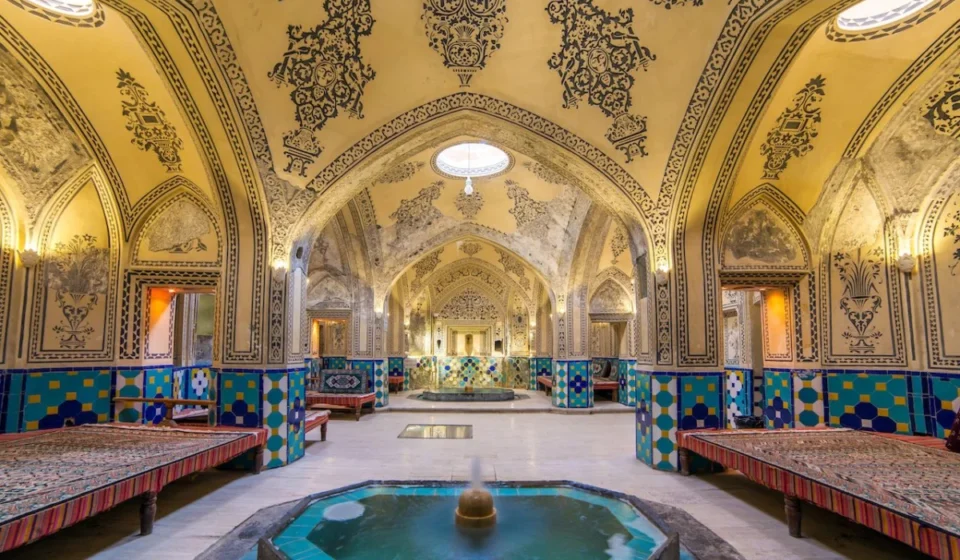

The Turkish bath, or hamam, is far more than a simple venue for hygiene; it is a living monument to centuries of social, religious, and architectural evolution. As a cornerstone of Middle Eastern and Ottoman culture, the hamam serves as a sensory bridge between the bustling modern city and a storied past. From the steam-filled, marble-clad chambers of Istanbul to the quiet, meditative rituals of the local neighborhood bath, the experience is a profound immersion into a tradition that has remained remarkably consistent for over six centuries.
Main Facts: The Essence of the Hamam
At its core, the Turkish bath is a public bathing facility rooted in the principles of purification. While modern plumbing has rendered the communal bathhouse unnecessary for basic hygiene, the hamam persists as a vital cultural institution. Unlike the high-heat saunas of Northern Europe or the communal hot springs of Japan, the traditional hamam relies on a sequence of heated marble rooms, dry heat, and rigorous physical exfoliation.
Key elements of the experience include:
- The Architecture: Most hamams are housed in historical structures characterized by domed ceilings, intricate marble inlay, and central skylights that flood the interior with soft, diffused light.
- The Ritual: The process typically involves an initial period of acclimation to heat, followed by an intensive scrub performed by a tellak (male attendant) or natir (female attendant).
- The Community: Traditionally, the hamam functioned as a city’s social hub, a place where business deals were struck, wedding arrangements were made, and neighborhood gossip was exchanged.
A Chronology: From Roman Roots to Ottoman Mastery
The origins of the Turkish bath are inextricably linked to the legacy of the Roman Empire. During the 14th century, as the Ottoman Empire expanded its reach across the Middle East and parts of Europe, the Turks adopted and refined the sophisticated bathing culture of the Romans.
The 14th Century Foundations
Early Ottoman architects viewed the bath as an essential urban component, often constructing them adjacent to mosques. This was no coincidence; in Islam, ritual purification (wudu or ghusl) is a prerequisite for prayer. Consequently, the hamam became a sanctified space where the body was cleansed to prepare the soul for spiritual devotion.
The Renaissance and Imperial Peak
By the 16th and 17th centuries, the Ottoman Empire had perfected the architectural design of the bathhouse. During this era, the hamam became a symbol of architectural prestige. Great imperial architects, such as Mimar Sinan, designed sprawling complexes that incorporated complex plumbing systems and advanced heating methods using kulhan (underfloor heating systems fueled by wood or coal).
Modern Evolution
As indoor plumbing became standard in the 20th century, the role of the public hamam shifted from a necessity to a luxury and a wellness destination. Today, while many historical structures have been painstakingly restored, they operate as a synthesis of tradition and modern spa therapy, attracting both locals seeking a weekly ritual and travelers looking for a deeper connection to Turkish history.
Supporting Data: Health and Wellness Benefits
The endurance of the hamam is not merely due to nostalgia; it is supported by the physiological benefits of the ritual. Scientific observation of the bathing process reveals several key health advantages:
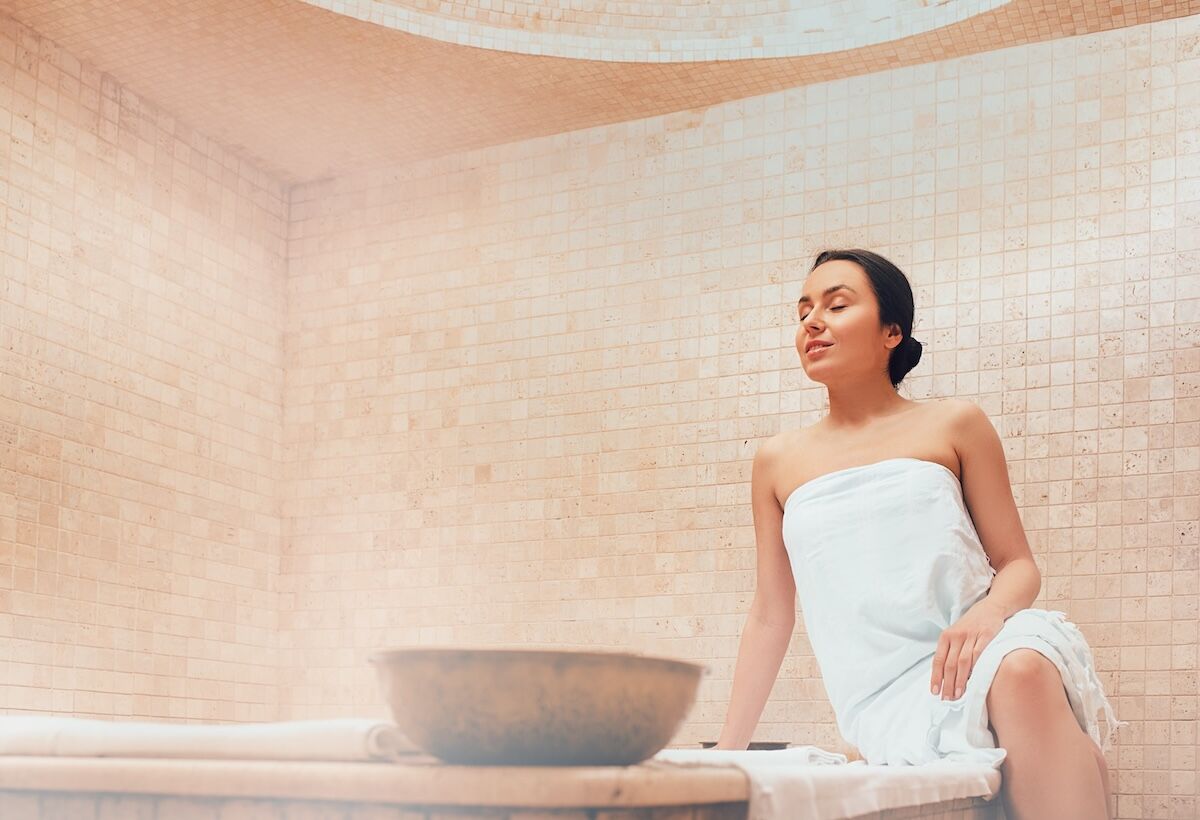
- Circulatory Enhancement: The exposure to high-temperature environments causes vasodilation, which increases blood flow throughout the body, delivering more oxygen to tissues and aiding in muscle recovery.
- Dermatological Renewal: The gommage or savon beldi (olive oil-based soap) scrub is one of the most effective forms of mechanical exfoliation. By removing the stratum corneum—the outermost layer of dead skin cells—the process promotes faster cell turnover, resulting in improved skin elasticity and a healthier complexion.
- Respiratory Relief: The high-humidity environment in the inner chambers acts as a natural expectorant, helping to clear airways and soothe respiratory discomfort.
- Mental Restoration: Beyond the physical, the sensory deprivation of the quiet, steam-filled marble room offers a rare respite from the "always-on" culture of the 21st century. The ritual effectively lowers cortisol levels, serving as a powerful antidote to travel-induced jetlag or urban stress.
Official Perspectives: The Etiquette of the Bath
Navigating a traditional hamam can be daunting for the uninitiated. However, the culture surrounding these baths is welcoming, provided one follows established social norms.
Attire and Preparation
In most traditional hamams, men and women utilize separate sections or visit during different hours. Privacy is respected, and visitors are generally provided with a pestemal (a thin, traditional cotton towel) to wrap around their bodies. If you are uncomfortable being partially exposed, it is perfectly acceptable to wear a swimsuit, though the traditional approach is to embrace the minimalist nature of the experience. Bringing flip-flops is highly recommended for hygiene in the common areas.
The Role of the Attendant
For a truly authentic experience, it is advised to pay for an attendant-led scrub. The tellak or natir will lather the skin with natural soap and use a specialized scrubbing mitt (kese) to remove dead skin. It is common for first-time visitors to be shocked by the amount of "noodles" (dead skin) sloughed off during this process; this is the sign of a successful exfoliation.
The Tipping Culture
As in many service-oriented industries in Turkey, tipping is an expectation. It is customary to provide a gratuity of approximately 15 percent of the total cost of your services directly to the attendant.
Implications: The Preservation of Cultural Heritage
The existence of the hamam represents a significant triumph in architectural and cultural preservation. Buildings such as the Cağaloğlu Hamamı, the last of the grand imperial baths built in the 18th century, offer a rare look into the Baroque-Ottoman architectural transition.
However, the preservation of these sites is not without challenges. Maintaining structures that are hundreds of years old requires constant investment in plumbing, masonry, and heritage management. When tourists frequent these sites, they are not just paying for a spa treatment; they are contributing to the ongoing maintenance of historical landmarks.
Choosing the Right Experience
Prospective visitors should distinguish between two types of hamams:
- Tourist-Oriented Luxury Spas: Often located within high-end hotels, these offer a sterilized, highly guided, and often more expensive experience. They are excellent for those who want comfort and English-speaking staff.
- Traditional Neighborhood Hamams: These are often older, less polished, and significantly more affordable. They offer a raw, authentic experience and are the best way to observe the local community in its natural habitat.
Recommendations for the Traveler
- Cağaloğlu Hamamı: Ideal for those who value history and architecture. Its bright, white stucco interior is iconic, and the ability to book in advance makes it convenient for tight travel schedules.
- Ağa Hamamı: Founded in 1454, this is arguably the oldest in Istanbul. It is perfect for the active traveler, as it is located in the heart of the city’s shopping and sightseeing districts.
- Cukurcuma Hamamı: A beautifully renovated 1830s facility that is particularly popular for couples. Its atmosphere strikes a balance between historical integrity and modern comfort.
Conclusion: A Ritual for the Modern Age
The Turkish bath is a testament to the human need for ritual, cleanliness, and community. In an era of digital isolation, the act of sitting in a centuries-old marble room, surrounded by the steam of a tradition that has remained unchanged for generations, is a powerful experience. Whether you visit for the deep-tissue exfoliation, the relief of sore muscles, or simply to walk in the footsteps of the Ottoman elite, the hamam is an essential chapter in the story of Turkey—one that is best understood by experiencing it for yourself.