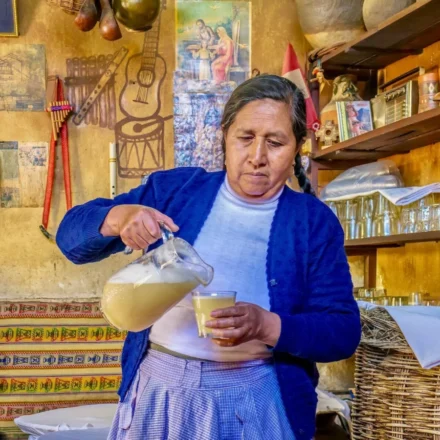




















































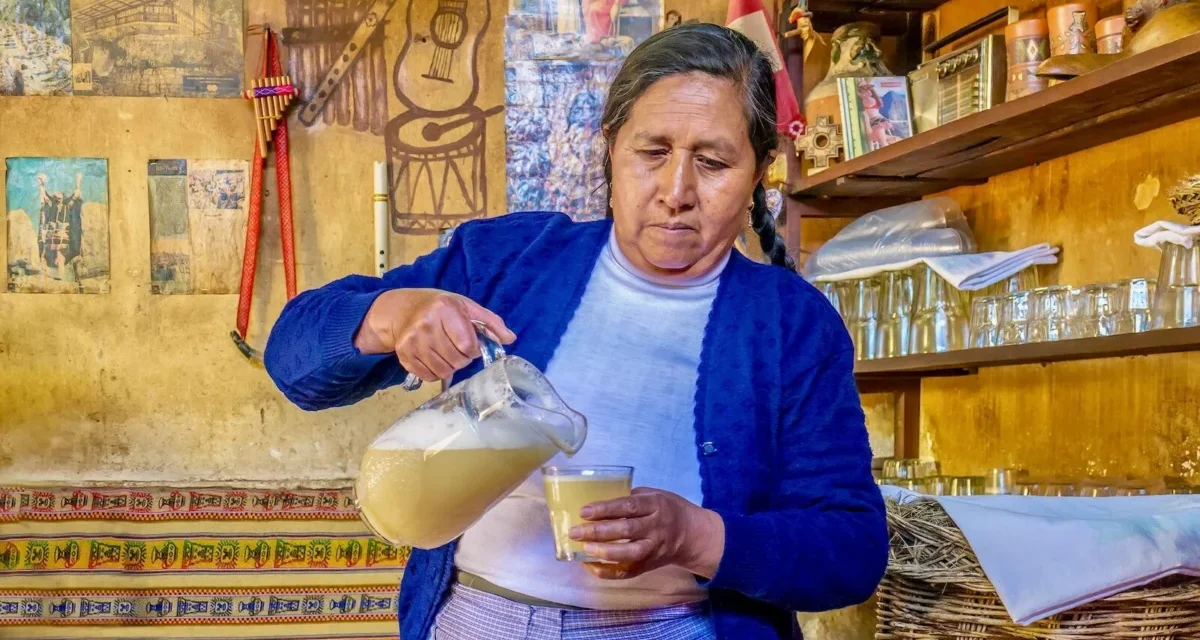





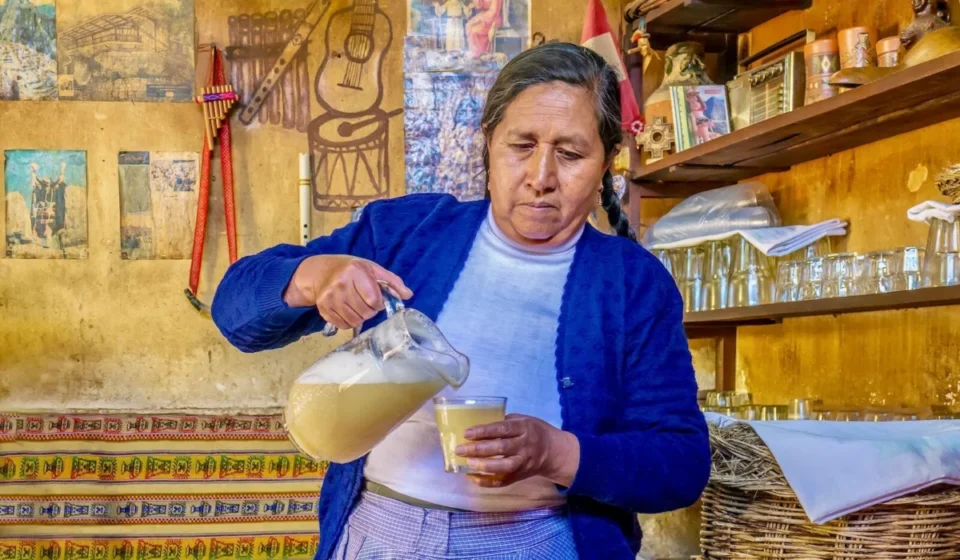

In the high-altitude reaches of the Andes, where the air is thin and the connection to the earth is palpable, there exists a beverage that transcends the status of a mere drink. Chicha—an ancestral elixir steeped in the traditions of the Inca and their predecessors—serves as the lifeblood of ceremonial life, community cohesion, and daily sustenance. More than just a fermented corn beer, chicha is a liquid archive of Andean history, a symbol of reciprocity, and a vital participant in the relationship between the people and the Pachamama (Mother Earth).
The Sacred Roots: Main Facts and Significance
To understand chicha is to understand the Andean worldview. According to Leo Silva, Indigenous Community Relations Manager at Mountain Lodges of Peru, the beverage occupies a space of profound spiritual importance. “Chicha is an ancestral beverage with deep cultural significance; it has long played an important role in ceremonial life,” Silva notes.
The most poignant display of this reverence occurs during Inti Raymi, the Festival of the Sun. In this ancient celebration, chicha is offered as a libation to the Sun god, Inti. The ritualistic consumption of chicha is governed by strict etiquette: the first sip is always poured onto the ground, a symbolic offering to the Pachamama. This act of gratitude precedes any social drinking, grounding the participants in a moment of humility before the earth that provided the harvest.
Beyond grand ceremonies, chicha is the silent witness to the rhythms of Andean life. It is present at hair-cutting ceremonies, house inaugurations, and, most importantly, during acts of minka (collective community work) and ayni (reciprocal exchange). In these settings, the beverage is not merely refreshment; it is a catalyst for social bonding and a reward for communal labor.
A Chronology of Consumption: From Ancient Roots to Modern Bars
The history of chicha predates the rise of the Inca Empire by centuries, existing as a foundational element of civilization in both Quechua and Aymara societies.
- Pre-Incan Era: Fermented maize beverages were developed as a way to preserve the harvest and create a social lubricant for community gatherings.
- The Incan Golden Age: Chicha became institutionalized, used by the Sapa Inca to cement political alliances and reward loyal subjects. The scale of production reached industrial proportions to supply the massive labor forces building the Andean infrastructure.
- Colonial Adaptation: Following the Spanish conquest, the tradition of the chichería—a house-based brewery—persisted, often blending Indigenous practices with European influences.
- Modern Era: Today, chicha has transitioned from the village hearth to the high-end bars of Lima. While it remains a staple in rural homes, it is now being reinterpreted by world-class mixologists who infuse it with modern techniques, bridging the gap between ancient tradition and global gastronomy.
Supporting Data: The Varieties of the Andean Brew
While "chicha" is often used as a catch-all term, the diversity of the drink is vast. Each region and community imparts its own signature through unique fermentation processes and local ingredients.
Chicha de Jora: The Fermented Standard
Chicha de jora is the quintessential Andean beer. It is crafted from germinated yellow corn—known as jora in Spanish and huiñapo in Quechua. The process is a labor-intensive craft:
- Germination: The corn is soaked and allowed to sprout.
- Milling and Cooking: The grain is ground by hand and cooked to produce a liquid concentrate called upi.
- Straining: The mixture is filtered through straw-lined baskets.
- Fermentation: Additional maize is added to kickstart the fermentation.
The result is a mildly alcoholic beverage (typically around 5% ABV) with a tart, slightly fizzy profile reminiscent of kombucha. For sacred ceremonies, producers often shorten the fermentation time, resulting in a lower-alcohol drink that can be consumed throughout long rituals.
Chicha Morada: The Non-Alcoholic Staple
Unlike its fermented cousin, chicha morada is a sweet, non-alcoholic drink derived from the native purple corn (maíz morado). The corn is boiled with a fragrant bouquet of pineapple rinds, cinnamon, cloves, and sugar. Beyond its role as a delicious refreshment, it is a functional beverage; many travelers find that its high sugar and mineral content, when paired with muña tea, serves as an effective aid against the symptoms of altitude sickness.
Regional Variations
- Frutillada: A Cusco favorite, this is chicha de jora infused with fresh strawberries, lending it a brighter, sweeter profile.
- Chicha de Guiñapo: Hailing from Arequipa, this version uses black corn, offering a distinctively earthy, robust flavor.
- Chicha Blanca: Made from white corn or quinoa, this lighter version is often found in higher-altitude communities.
Following the Red Flag: The Social Infrastructure
One of the most charming aspects of the "chicha trail" in the Sacred Valley is the traditional signage system. Centuries ago, to signal that a fresh batch of chicha was ready for consumption, vendors would hang a red flower outside their home. Today, this has evolved into the use of a red flag or cloth.
As Silva explains, this is a beautiful example of mestizaje—the blending of cultural traditions. "Across different societies, visual symbols have historically been used to communicate what was happening inside a building," he says. "In this sense, the red flowers (and later, flags) function as a form of traditional advertising."
When the flag is raised, the home is open. A chichería is rarely a bar in the commercial sense; it is a private residence that opens its doors to the public. Visitors enter a kitchen-cum-dining space, sit at long wooden tables, and share large glasses of chicha with locals. When the batch is exhausted, the flag is lowered, signaling the end of service. This informal, transient nature of the chichería is what keeps the social fabric of the community tight-knit.
Professional Perspectives and Industry Evolution
The evolution of the chichería into the picantería represents the professionalization of Andean dining. Picanterías are informal, often family-run lunch spots where the menu centers around hearty, traditional fare: slow-roasted cuy (guinea pig), fried trout, chicharrón, and steaming bowls of quinoa soup, all washed down with house-brewed chicha.
Places like Picantería Mamatrini in San Blas or La Chuccha in Santa Ana are vital cultural hubs. They represent a move toward preserving these domestic traditions in an increasingly globalized world.
Conversely, in the capital of Lima, the influence of chicha is being felt in the world of high-end mixology. At bars like Bijou in Miraflores and Limaq Bar, bartenders are deconstructing the flavors of the Andes. The "chicha sour," a pisco sour variant using purple corn extract, has become a menu staple. Other creations, such as "El Combinao"—a blend of purple maize, pisco, and horchata—show that chicha is no longer confined to the mountains; it has become a defining component of modern Peruvian identity.
Implications for the Future of Andean Heritage
The rise of the "chicha trail" as a tourist attraction presents both opportunities and risks. While establishments like Salineras Ranch offer workshops that educate travelers on the intricacies of chicha de jora production, there is a delicate balance to maintain. The authenticity of the chichería lies in its status as a communal, domestic space. As demand increases, the challenge will be to ensure that the commercialization of these spaces does not strip them of their original, spiritual intent.
For the traveler, the goal should always be respectful engagement. Whether you are participating in a shaman-led pago a la tierra (payment to the earth) ceremony or sipping a glass of frutillada at a local market in the Sacred Valley, it is important to remember the words of Leo Silva: "Chicha is not simply a beverage, but a reason for people to gather and interact."
By treating the drink with the respect it deserves—acknowledging the Pachamama with that first drop—the visitor does more than just taste a local specialty. They participate in a living tradition that has sustained the Andean people for millennia. As the world continues to discover the depth of Peruvian gastronomy, chicha stands as a reminder that the most profound experiences are often those found behind a simple red flag, shared in the company of those who hold the earth in the highest regard.